What a Bloodhound Eats in a Month by Weight
It’s a common frustration for Bloodhound owners: looking at that massive, lovable hound and wondering if you're truly feeding them enough—or maybe too much! The sheer size and distinct energy levels of a Bloodhound mean their dietary needs aren't quite the same as other dogs, and getting it right can feel like a moving target. This guide is here to demystify how much food your Bloodhound typically eats in a month, broken down by weight, and what that can mean for your grocery budget.
Understanding Your Bloodhound's Nutritional Needs
Before we dive into specific amounts, it's really important to understand why Bloodhounds eat what they eat. These are not dainty lapdogs; they are powerful, scent-driven athletes, even if many are beloved couch potatoes at home. Their large frame and rapid growth as puppies mean their nutritional requirements are quite specific, particularly to support healthy bone and joint development.
Factors Influencing Daily Calorie Requirements
Just like us, every Bloodhound is an individual, and their calorie needs can fluctuate based on several key factors. It's not as simple as "one scoop fits all," even within the same breed.
- Age: Puppies, for instance, are little growth machines, often needing more calories per pound of body weight than an adult. An adolescent Bloodhound is still building muscle and bone, while a senior Bloodhound, typically starting around six years old, might slow down and need fewer calories to maintain a healthy weight. Aging in a Bloodhound Starts at Six and The Age a Bloodhound Is Considered Senior are both good reads for understanding the transition into seniorhood.
- Activity Level: This is huge for a Bloodhound. A working Bloodhound tracking miles through rough terrain is burning far more calories than a companion dog whose main exercise is a leisurely walk around the block and some yard time. If your Bloodhound is actively involved in mantrailing or search and rescue, their caloric intake will need to be significantly higher to fuel that intense physical and mental exertion.
- Metabolism: Some dogs just naturally run hotter or colder. You'll quickly learn your Bloodhound's individual metabolic rate—some can eat seemingly endless amounts without gaining an ounce, while others pack on pounds if you look at a treat cross-eyed.
- Neuter Status: Spaying or neutering can sometimes lead to a slight decrease in metabolic rate, meaning your Bloodhound might need fewer calories to maintain their weight after the procedure. It's something to discuss with your vet.
- Health Conditions: Any underlying health issues, like thyroid problems or joint pain, can affect appetite and calorie needs. For example, a Bloodhound with Hypothyroidism in a Bloodhound might gain weight even on a moderate diet. Always consult your veterinarian if you notice sudden changes in your dog's weight or appetite.
The Importance of Large Breed Formulas
When choosing food for your Bloodhound, especially during puppyhood, "large breed formula" isn't just a marketing gimmick; it's a critical consideration. These formulas are specifically designed to support the unique growth patterns of giant breeds.
- Controlled Growth: Large breed puppy foods are formulated with carefully balanced calcium and phosphorus levels, and slightly lower calorie counts, to promote slower, more controlled growth. This is vital to prevent skeletal problems like hip and elbow dysplasia, which Bloodhounds are predisposed to. A rapid growth spurt due to overly rich food can put immense strain on developing joints. This is why discussions around Whether a Bloodhound Puppy Needs Restricted Calcium are so important.
- Joint Support: Many large breed adult formulas also include joint-supporting ingredients like glucosamine and chondroitin, which can be beneficial for a breed prone to joint issues throughout their lives. Keeping your Bloodhound at a lean, healthy weight is one of the best things you can do for their joint health. Keeping a Bloodhound Lean on Purpose highlights this benefit.
- Kibble Size: Often, large breed kibble pieces are bigger, encouraging your Bloodhound to chew more thoroughly rather than gulping down their food. This can be a small but mighty factor in reducing the risk of bloat, a life-threatening condition for deep-chested breeds like Bloodhounds. Why a Deep Narrow Chest Puts a Bloodhound at Risk further explains this serious concern.
Estimating Monthly Food Consumption by Weight
Alright, let's get down to brass tacks: how much are we actually talking about here? Remember, these are estimates, and your individual Bloodhound's needs might vary. Always consult the specific feeding guidelines on your chosen food bag and adjust based on your dog's body condition.
Most premium large breed dog foods will have a feeding chart on the bag that gives a range in cups or pounds per day based on your dog's weight. Let's consider some typical Bloodhound weights. An adult male Bloodhound can often weigh between 90 and 110 pounds, while females usually range from 80 to 100 pounds. What an Adult Male Bloodhound Weighs and What an Adult Female Bloodhound Weighs provide more detail on these size ranges.
For a general estimate:
- Adult Bloodhound (80-110 lbs, moderately active): Typically, a Bloodhound in this weight range will eat anywhere from 4 to 6 cups of high-quality large breed kibble per day. This means a 30-pound bag of food (which usually contains about 120 cups) would last roughly 20-30 days. If your dog is on the higher end of the weight and activity spectrum, you might go through a 30-pound bag in closer to three weeks.
Let's put that into a simple table to visualize:
| Bloodhound Weight Range | Daily Kibble (Cups) | Daily Kibble (Pounds) | Monthly Kibble (Pounds) | Avg. 30lb Bag Duration |
|---|---|---|---|---|
| 80-90 lbs (moderate) | 4.0 – 4.5 | 1.0 – 1.1 | 30 – 33 | ~27 – 30 days |
| 90-100 lbs (moderate) | 4.5 – 5.0 | 1.1 – 1.25 | 33 – 38 | ~24 – 27 days |
| 100-110 lbs (moderate) | 5.0 – 5.5 | 1.25 – 1.4 | 38 – 42 | ~21 – 24 days |
| 110-120 lbs (moderate) | 5.5 – 6.0 | 1.4 – 1.5 | 42 – 45 | ~20 – 21 days |
Note: 1 cup of kibble is approximately 0.25 pounds, but this can vary by brand and density.
Puppy vs. Adult Bloodhound Feeding Guidelines
Feeding a Bloodhound puppy is a whole different ballgame. They're growing at an incredible rate, and their energy levels can be off the charts.
- Puppyhood (8 weeks to 12 months): Bloodhound puppies typically eat more per pound of body weight than adults, but their total volume often isn't as high simply because they're smaller. A growing Bloodhound puppy might consume anywhere from 3 to 6 cups of large breed puppy food per day, split into multiple meals. As they grow, this amount will gradually increase. It's crucial to follow your vet's advice and the food manufacturer's guidelines carefully to ensure steady growth without overfeeding, which can lead to developmental orthopedic problems. You'll likely feed them 3-4 meals a day initially, gradually reducing to 2-3 as they approach adulthood. How Many Meals a Day a Bloodhound Should Eat is a great resource here.
- Adult (12 months+): Once your Bloodhound reaches maturity (which can be between 12-18 months for large breeds), you'll transition them to a large breed adult formula. Their daily intake will then stabilize, typically settling into the 4-6 cup range mentioned above, depending on their activity. How Much an Adult Bloodhound Eats will give you a good idea of typical portions.
How to Calculate Monthly Food Volume and Cost
Now that you have the volume, let's talk about the cost. This is where the rubber meets the road for many Bloodhound owners!
- Check the Bag: The first step is always to look at the feeding chart on your specific dog food. It will give you a recommended daily amount based on your Bloodhound's current weight.
- Convert to Monthly Volume: Multiply the daily amount by 30 (for an average month).
- Example: If your 100-pound Bloodhound eats 5 cups a day, that's 5 cups/day * 30 days/month = 150 cups per month.
- Determine Bag Yield: Find out how many cups are in the bag of food you buy. A 30-pound bag usually contains around 120 cups, but check the packaging.
- Calculate Bags Per Month: Divide your monthly cup requirement by the cups per bag.
- Example: 150 cups/month / 120 cups/bag = 1.25 bags per month. So, you'll need at least two bags, with some leftover from the second.
- Estimate Monthly Cost: Multiply the number of bags you'll need by the cost per bag.
- Example: If a 30-pound bag costs $60, then 1.25 bags * $60/bag = $75 per month.
This gives you a solid baseline. Of course, treats, supplements, and any wet food additions will add to this. Many owners find that shopping at retailers like Chewy allows for bulk purchases and scheduled deliveries, which can sometimes result in savings over buying smaller bags more frequently.
Choosing the Right Food and Managing Costs
The type of food you choose for your Bloodhound will greatly influence both their health and your monthly budget. There's a wide world of dog food out there, from dry kibble to fresh-cooked meals, and each comes with its own considerations.
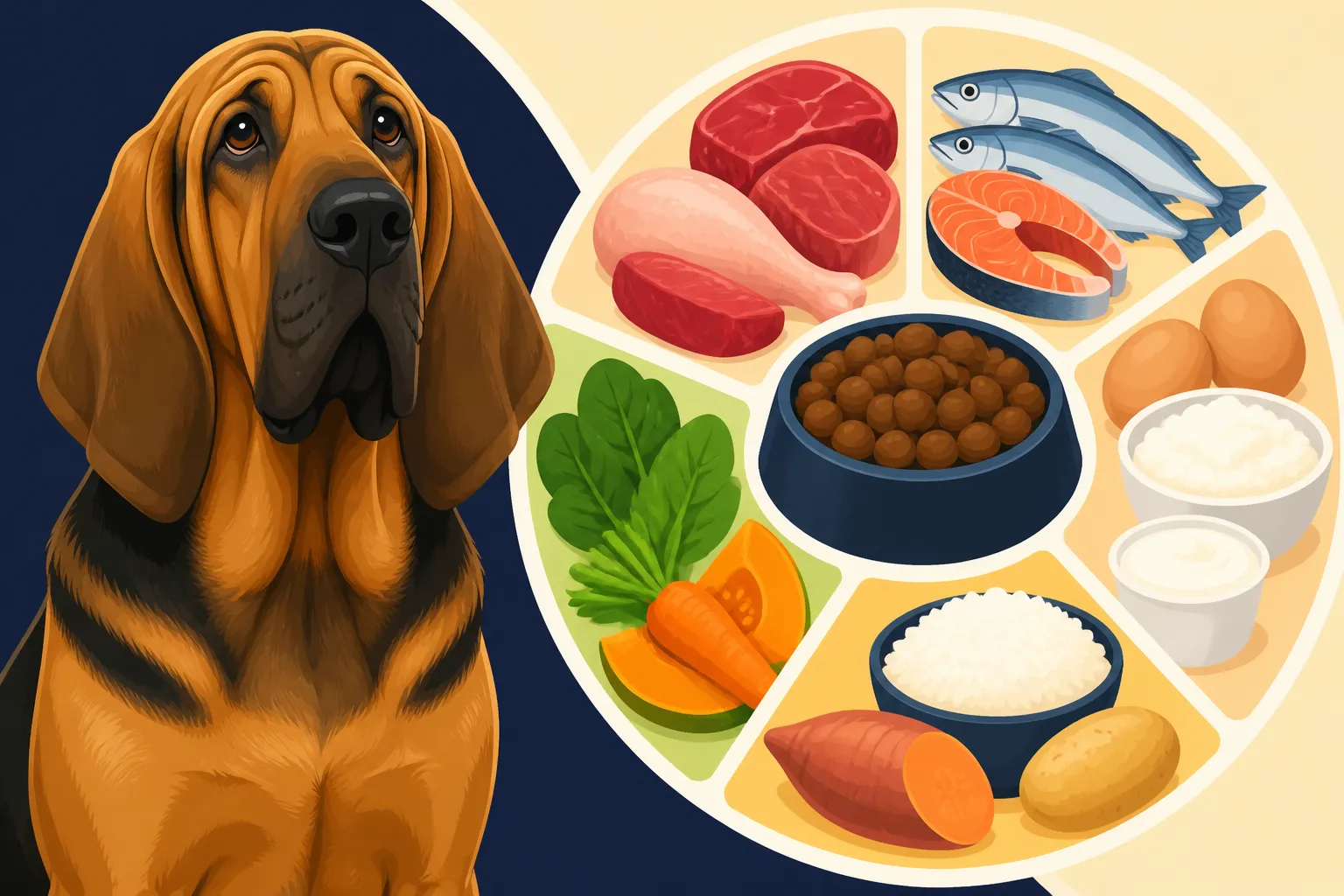
Dry Kibble, Wet Food, and Alternative Diets
Let's break down the most common options:
- Dry Kibble (The Staple): This is the most common and often most economical choice for large breeds like Bloodhounds. High-quality dry kibble from reputable brands offers complete and balanced nutrition. Look for brands that list a named meat source (e.g., "chicken meal," not just "meat by-products") as the first ingredient. The biggest advantage here is cost-effectiveness and ease of storage.
- Wet Food (Toppers or Occasional Treat): While feeding a Bloodhound solely on wet food would be incredibly expensive and impractical given their volume needs, it can be a fantastic topper to entice picky eaters or add moisture to their diet. A spoonful of wet food mixed into kibble can make a meal much more appealing. Just remember to adjust the kibble amount slightly to avoid overfeeding.
- Fresh-Cooked or Raw Diets (Growing in Popularity): Services like Ollie offer pre-portioned, human-grade fresh food options, which many owners feel are a healthier, less processed alternative. Raw diets are another option for some. These diets can be excellent for some Bloodhounds, potentially leading to better digestion, shinier coats, and higher energy levels. However, they come with a significantly higher price tag and require more careful handling and preparation to ensure nutritional completeness and safety. It's vital to work with a veterinary nutritionist if considering a raw diet to avoid deficiencies.
- Home-Cooked Meals (With Caution): If you're considering cooking for your Bloodhound, it's absolutely imperative to work with a veterinary nutritionist. Just like humans, dogs need a precise balance of vitamins, minerals, protein, and fat. Throwing together some chicken and rice won't cut it for long-term health and can lead to serious deficiencies or imbalances in a large, rapidly growing breed.
When comparing these options, consider not just the upfront cost, but the nutritional value and any potential long-term health benefits that might reduce vet bills later. Sometimes, spending a bit more on quality food can save you money on healthcare in the long run.
Smart Shopping and Storage Tips
Feeding a large dog like a Bloodhound can be a significant expense, but there are ways to manage it wisely.
- Buy in Bulk: This is often the biggest cost-saver. Purchasing the largest bag of kibble available is almost always cheaper per pound than buying smaller bags. Stores like Chewy often offer bulk discounts and auto-ship options that can save you a percentage on each order.
- Look for Sales and Loyalty Programs: Keep an eye out for sales, manufacturer coupons, and loyalty programs from your pet supply stores or online retailers. Signing up for email lists can alert you to upcoming promotions.
- Proper Storage is Key: A large bag of kibble won't save you money if it goes stale or attracts pests. Invest in an airtight, food-grade storage container, preferably one with a tight-sealing lid. Keep the food in its original bag inside the container, as this preserves the nutritional integrity and keeps important batch numbers and expiration dates handy. Store it in a cool, dry place. Proper storage prevents spoilage and keeps your Bloodhound's food fresh and appealing.
- Measure Accurately: It sounds simple, but consistently measuring your Bloodhound's food with an actual measuring cup (not just guessing with a scoop) helps control portions, prevents overfeeding, and ensures your food supply lasts as long as it should. Overfeeding by just half a cup a day can add up to several pounds of extra food (and dollars) per month!
Remember, your Bloodhound’s health is an investment. While cost is a factor, prioritizing a high-quality, large-breed appropriate diet is one of the best things you can do for their well-being. Good nutrition lays the groundwork for a healthy life, potentially reducing the need for costly veterinary interventions down the road. For example, ensuring proper nutrition can support overall health, which may indirectly affect how issues are handled should your Bloodhound ever face unexpected health issues later in life, some of which might be covered by pet insurance providers like Healthy Paws.
Managing Mealtime Habits
Beyond what and how much your Bloodhound eats, how they eat can also impact their health and your wallet. Bloodhounds are known for their deep chests, which puts them at a higher risk for Gastric Dilatation and Volvulus (GDV), commonly known as bloat. This is an emergency that every Bloodhound owner fears.
Preventing Bloat Through Mindful Feeding
Bloat is a condition where the stomach fills with gas and can twist, cutting off blood supply. It's incredibly painful and can be fatal within hours. Proper feeding habits can help mitigate this risk.
- Multiple Small Meals: Instead of one or two large meals, aim for two or three smaller meals throughout the day. This reduces the amount of food and gas in the stomach at any one time. Three Meals Lower a Bloodhound's Bloat Risk is often recommended by veterinarians.
- Slow Down the Eating: Bloodhounds, being hounds, can often be champions at scarfing down their food at lightning speed. This rapid ingestion can lead to them swallowing a lot of air, contributing to bloat risk. Using a slow-feeder bowl or spreading kibble on a large baking sheet can force them to eat more slowly. Puzzle feeders can also work wonders to extend mealtime and engage their minds. Whether a Bloodhound Bolts Its Food is a common concern.
- Restrict Exercise Before and After Meals: A full stomach and vigorous activity are a dangerous combination for bloat. Ensure your Bloodhound rests quietly for at least an hour before and after eating. This means no intense play, running, or car rides immediately following a meal. How Long Before Exercise a Bloodhound Should Eat and How Long After Exercise a Bloodhound Should Eat are critical considerations.
- Water Access: Always provide fresh water, but try to prevent your Bloodhound from gulping excessive amounts immediately after a meal. You can offer smaller amounts more frequently. Whether a Bloodhound Should Drink a Lot After a Meal too quickly is a risk.
- Elevated Bowls: A Mixed Bag: For years, elevated food bowls were recommended to prevent bloat. However, some studies, notably the Purdue Bloat Study, suggest they might increase the risk in large and giant breeds. It’s a point of contention, and the current consensus leans towards avoiding elevated bowls unless specifically advised by your vet for another health reason (like neck pain). It's best to feed your Bloodhound from a bowl on the floor.
Monitoring Weight and Adjusting Portions
Your Bloodhound's ideal weight isn't a fixed number on a scale; it's about their body condition. You want to feel their ribs easily without seeing them sharply. There should be a noticeable waist tuck when viewed from above, and their belly should tuck up when viewed from the side.
- Regular Weight Checks: Weigh your Bloodhound periodically, especially as a puppy, and at least once a month for adults. This helps you track trends and adjust food intake proactively.
- Body Condition Scoring: Learn how to do a body condition score (BCS) at home. Your vet can show you how to assess if your Bloodhound is too thin, ideal, or overweight. If you notice Signs a Bloodhound Is Overweight, it's time to reduce portions slightly and increase exercise.
- Consult Your Vet: If you're consistently struggling to maintain your Bloodhound's ideal weight, or if you notice significant, unexplained weight loss or gain, talk to your veterinarian. They can rule out underlying health issues and help you tailor a feeding plan specific to your dog.
Feeding your Bloodhound properly is one of the most fundamental aspects of responsible ownership. By understanding their unique needs, making informed food choices, and implementing smart feeding practices, you can help your beloved hound live a long, healthy, and happy life, all while keeping your monthly budget in check.
Disclaimer
This article is for general informational purposes only and does not constitute professional advice. Laws, prices and regulations vary by location and change over time. Consult a qualified professional for guidance on your specific situation.