Whether a Bloodhound Can Be Bathed Outdoors
If you're a Bloodhound owner, you know the struggle: bath time can feel less like a gentle cleanse and more like a wrestling match in a sudsy slip-and-slide. The sheer size, the drooping ears, the endless skin folds, and the inevitable shake-off make indoor bathing a monumental, often soggy, undertaking that leaves your bathroom looking like a disaster zone. Many of us have wondered if there's an easier way, a more practical solution, and bathing your beloved hound outdoors often comes to mind. This guide will delve into everything you need to know about successfully bathing your Bloodhound outside, from the benefits to the challenges and how to make it a positive experience for both of you.
The Allure and Challenges of Outdoor Bloodhound Bathing
There's a definite appeal to bathing a large dog like a Bloodhound outside. No more trying to wedge a giant, wet dog into a standard tub, no more wrestling with shower curtains, and significantly less mopping of the bathroom floor afterward. However, it's not without its own set of considerations.
Why Outdoor Bathing Appeals to Bloodhound Owners
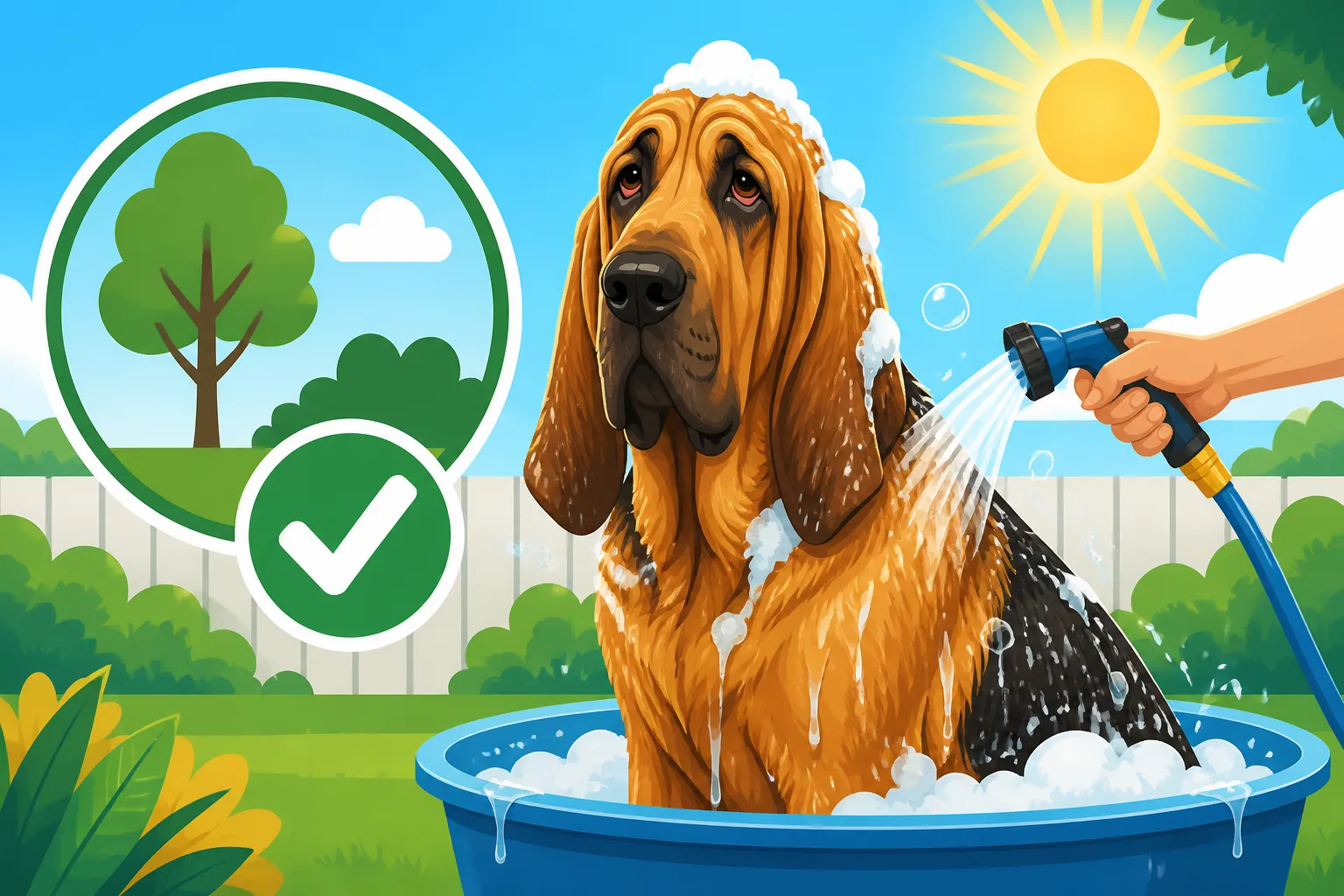
Let's face it, the primary draw is the mess. Bloodhounds are big, they have a lot of loose skin that holds water, and when they shake, they mean business. A single full-body shake can cover every surface within a ten-foot radius. Outdoors, that shake-off disperses into the wide-open air, and any sudsy runoff simply waters the lawn (assuming you're using dog-safe products, of course). This freedom from indoor confinement often makes the process less stressful for both you and your hound. You don't have to worry about them bumping into fragile fixtures or splashing dirty water onto clean towels and rugs. For a dog that thrives on scent work and outdoor adventures, the familiar open space can also make them more relaxed during grooming. Plus, for those of us in warmer climates, a nice outdoor bath can be a refreshing treat for a hot hound.
Understanding the Pitfalls of Outdoor Grooming
While the freedom from mess is a huge win, outdoor bathing introduces its own challenges. The most obvious is weather dependence. You can't exactly give your Bloodhound a thorough scrubbing during a downpour or when the temperatures drop below freezing. Direct sunlight, especially on a hot day, can be a problem too, potentially causing your dog to overheat or leading to quick-drying shampoo that irritates the skin. Then there's the escape artist factor. Bloodhounds are notorious for following their noses, and if a compelling scent wafts by, your soapy hound might decide an impromptu tracking session is in order. Containment is key; a securely fenced yard or a sturdy tie-out is absolutely non-negotiable. Remember, Why Off Leash Is Not a Goal With a Bloodhound, so don't even think about letting them run free while wet and soapy.
Another common issue is access to water and proper drainage. You'll need a hose with good water pressure and ideally, a nozzle that makes rinsing easier. Ensure the area you choose drains well to avoid creating a muddy bog, especially if you have a dog that loves to roll. Finally, there's the temperature of the water. While on a hot summer day, cool hose water might feel refreshing, on a cooler day, it can be too cold and uncomfortable for your dog, potentially leading to a chill.
Prepping for a Successful Outdoor Bath Session
A little planning goes a long way when it comes to bathing a Bloodhound outdoors. Rushing into it unprepared can quickly turn a good idea into a chaotic nightmare.
Choosing the Right Location and Time
Selecting the perfect spot is crucial. Look for a relatively flat area in your yard that offers good drainage, preferably away from any delicate plants that might not appreciate a shampoo rinse. A concrete patio or driveway can work well for drainage but might get slippery, so be mindful. If possible, pick a spot that offers some shade, especially if bathing on a sunny day. This prevents overheating and keeps the shampoo from drying too quickly. The timing of the bath is just as important. Aim for a warm, calm day with no strong winds. Mornings or late afternoons are often ideal to avoid the harshest midday sun. If it's a bit breezy, that can actually help with drying later, but a strong wind can make the experience uncomfortable for your dog. Consider if the water from the hose is too cold for your dog's comfort. In some climates, even on a warm day, hose water can be chilly, so be prepared to use lukewarm water if possible, perhaps by connecting to a utility sink indoors if you have a long enough hose.
Gathering Your Bloodhound Bathing Arsenal
You'll need more than just shampoo and a hose. Think about creating a "bath station" to have everything within reach. Here's a breakdown of what you'll need:
- Shampoo and Conditioner: Always use dog-specific products. For a Bloodhound, consider a good quality shampoo that addresses their unique skin and coat needs. You might need a medicated shampoo if they have skin issues, or a deodorizing one to tackle Why a Bloodhound Smells Like a Bloodhound. You can find excellent options on Chewy that are gentle on their skin.
- Brushes and Combs: Before the bath, a good deshedding brush can remove loose hair, making the shampoo more effective. A rubber curry brush is great for working shampoo into their thick coat and stimulating the skin during the bath.
- Hose with Sprayer Nozzle: A strong, adjustable nozzle is key for thorough rinsing. Make sure it's long enough to comfortably reach your chosen bathing spot.
- Towels: Lots of them! Old bath towels, microfiber towels, or even a super-absorbent dog-specific towel will be your best friend. Whether a Damp Bloodhound Should Be Towel Dried is a resounding yes!
- Treats: High-value treats are essential for positive reinforcement. Reward your Bloodhound for standing still, tolerating the water, and generally being a good sport. You can find some fantastic, healthy options from Ollie.
- Tie-out or Secure Leash: A sturdy lead attached to a secure anchor point (like a heavy post or a strong tree) is non-negotiable to prevent escapes.
- Snood: A snood is a lifesaver for Bloodhounds during meal times and baths. It keeps those long, glorious ears out of the suds and dirt. You definitely don't want those beautiful ears dragging through shampoo and grime. Read more about What a Snood Does for a Bloodhound.
- Eye and Ear Cleaners: Have these on hand for before or after the bath. You'll want to gently clean their eyes and definitely their ears, especially since A Bloodhound's Ears Are a Standing Infection Risk.
- Apron or Old Clothes: You will get wet. Embrace it!
Containing Your Hound During the Wash
This is where many outdoor bathing attempts go sideways. Bloodhounds are incredibly strong and singularly focused when they catch a scent. A regular leash held in your hand might not cut it. Invest in a sturdy tie-out cable and a reliable anchor. If your yard is securely fenced and your Bloodhound isn't a known escape artist (and has no exciting smells distracting them), you might get away with just a long leash. However, a secure tie-out gives you both hands free for scrubbing and rinsing, which is invaluable when dealing with a large, wiggly dog. Ensure the anchor point is immovable and the tie-out is positioned so your dog can't wrap themselves around anything or reach areas you don't want them in, like flowerbeds. Always supervise them closely, even on a tie-out. For more on keeping your Bloodhound contained, you might want to read Whether a Fenced Field Is Safe for a Bloodhound.
Best Practices for Bathing Your Bloodhound Outdoors
Once you've got your location sorted and your supplies at the ready, it's time to get down to business. Making the experience positive is key for future baths.
Step-by-Step Outdoor Bathing Process
- Pre-Bath Brush: Start with a good brush to remove loose hair and any dirt or debris caught in their coat. This helps the shampoo penetrate better and prevents clogging drains (or your lawn!). This is part of The Coat Is the Easy Part of a Bloodhound – making it even easier.
- Protect the Ears and Eyes: Gently place cotton balls into your Bloodhound's ear canals to prevent water from entering, but make sure they're easily removed later. Apply a thin line of veterinary-approved ophthalmic ointment (or even plain Vaseline, carefully) around their eyes to create a barrier against shampoo and water. This is a crucial step in Daily Eye Care for a Bloodhound.
- Wet Thoroughly: Using your hose, thoroughly wet your Bloodhound's coat from head to tail. Make sure the water penetrates down to the skin, especially in their dense undercoat. Start with their feet and work your way up to minimize initial shock.
- Apply Shampoo: Dilute your chosen shampoo if recommended by the manufacturer. Work it into a lather, starting from their neck and working backward. Pay extra attention to their chest, legs, and all those wonderful wrinkles and folds. Wiping a Bloodhound's Folds Before They Sour is a daily task, but a good bath helps too. Use your rubber curry brush to really work the shampoo in.
- Rinse, Rinse, Rinse: This is arguably the most important step for a Bloodhound. Residual shampoo can irritate their skin and lead to dryness or hot spots. Rinse until the water running off them is completely clear and free of suds. Lift their floppy ears and rinse underneath, ensuring no shampoo remains. The more thorough the rinse, the better.
- Condition (Optional but Recommended): If you use a conditioner, apply it now, following the product instructions. This helps moisturize their skin and coat, making it softer and easier to comb. Rinse thoroughly again.
- Squeeze and Towel Dry: Once rinsed, gently squeeze excess water from their coat. Then, grab your arsenal of towels and start drying. Blot and rub vigorously, changing towels as they become saturated. Whether a Bloodhound's Ears Need Drying After Cleaning is paramount, so gently pat the outside and inside of their ear flaps.
- Air Dry (with supervision): Let your Bloodhound air dry in a warm, sheltered spot. Keep them on their tie-out or in a secure, clean area to prevent them from rolling in dirt or mud immediately after their bath. A nice sunny spot (not too hot!) can speed up the process. Continue to check their ears and folds to ensure they are completely dry to prevent skin issues.
Keeping Your Bloodhound Comfortable and Calm
The goal is to make bath time as stress-free as possible. Talk to your Bloodhound in a calm, soothing voice throughout the process. Offer plenty of praise and those high-value Ollie treats for good behavior. If your dog seems anxious, take breaks. You can even break down the bath into smaller steps on different days if needed – a rinse one day, a shampoo the next, for example. Introducing outdoor baths when they are puppies can also make a huge difference in their tolerance as adults. Remember, Bloodhounds are sensitive souls despite their size, and patience and positive reinforcement are key.
Essential Products and Tools for the Job
Beyond the basics, a few specific tools can make outdoor bathing much easier for a Bloodhound owner:
- A "Bloodhound Snood": Seriously, this is not optional. Those long, beautiful ears are magnets for dirt and shampoo. A snood keeps them clean and dry. You can find many affordable options on Amazon.
- Dog-Specific Shamppo & Conditioner: As mentioned, avoid human products. Look for brands known for sensitive skin or deodorizing properties, often found at pet stores or online retailers like Chewy.
- Non-slip Mat: If you're bathing on a concrete surface, a rubber mat can give your Bloodhound better footing and prevent slips, which can be scary for them.
- Drying Robe or Coat: For cooler days, a super-absorbent drying robe can significantly speed up drying time and keep your Bloodhound warmer while they air dry.
- Heavy-Duty Hose Nozzle: Look for one with multiple spray settings and a comfortable grip.
Troubleshooting Common Outdoor Bathing Woes
Even with the best preparation, things can go awry. Here’s how to handle some common issues that pop up when bathing a Bloodhound outdoors.
Dealing with Escapes and Wriggling
The moment you let your guard down, a captivating scent can send your wet, soapy Bloodhound on an unexpected adventure. This is why a secure tie-out or a truly escape-proof fenced area is non-negotiable. If they do manage to wriggle free, remain calm. Do not chase them, as this can turn it into a fun game. Instead, try to entice them back with a high-value treat or a favorite toy. Prevention is always the best cure here. Double-check your tie-out's security, and ensure the collar or harness they are attached to fits snugly and won't slip off easily. For more on preventing escapes, check out How Far a Loose Bloodhound Will Travel.
If your Bloodhound is a notorious wriggler during the bath itself, try breaking the bath into smaller segments. Focus on one section of their body at a time, offering frequent praise and treats. A second person to help hold and distract with treats can also be a game-changer, especially for very young or particularly boisterous hounds. Sometimes, placing them in a kiddie pool with a little water can help contain them and make them feel more secure than just standing on the open ground.
Weather and Temperature Challenges
Bathing outdoors is fantastic on a balmy summer day, but what about when the weather isn't cooperating?
- Too Cold: Never bathe your Bloodhound outside in cold weather. Even a quick rinse can lead to hypothermia in large, short-coated dogs. If an emergency bath is needed in winter, bring them indoors or use a professional groomer with heated facilities.
- Too Hot/Direct Sun: Overheating is a serious concern. Always choose a shaded area. If no natural shade is available, consider setting up a pop-up canopy. Avoid the hottest parts of the day. If your dog seems to be panting excessively or showing signs of discomfort, stop the bath immediately, move them to a cooler spot, and offer water.
- Rain/Wind: Light drizzle might be manageable if you have an overhang, but actual rain makes rinsing difficult and can quickly chill your dog. Strong winds can make the process unpleasant for both of you and dry out shampoo too quickly. Plan your baths around favorable weather forecasts.
Drying Effectively and Preventing Skin Issues
Bloodhounds have dense coats and lots of folds, which can hold moisture and lead to skin infections if not dried properly. Towel drying is your first line of defense. Use multiple towels and really work them into the coat to absorb as much water as possible. After towel drying, allow them to air dry in a clean, warm, and draft-free area. Keep them contained to prevent them from rolling in dirt.
Pay special attention to drying all their wrinkles and folds. Use a dry cloth to gently pat each fold until it's completely dry. Where a Bloodhound's Folds Trap Moisture First is often under the chin, around the jowls, and the neck roll. You might even use a cool setting on a dog-specific hairdryer for these hard-to-reach areas, but be very careful not to overheat the skin. Regular Cleaning a Bloodhound's Ears Every Week for Life is essential, but after a bath, ensure the ear canals are perfectly dry to prevent yeast or bacterial infections. A quick wipe with an ear cleaning solution and cotton balls can help.
| Feature | Indoor Bathing | Outdoor Bathing |
|---|---|---|
| Mess Factor | High; splashes, suds, hair in bathroom | Low; mess disperses, drains into yard |
| Space Required | Confined to bathroom/tub | Open space, requires secure area (yard/tie-out) |
| Water Temperature | Easily controlled (warm tap water) | Variable (cold hose water, can be warmed) |
| Weather Dependency | None; can bath any time | High; requires warm, calm, dry weather |
| Lighting | Artificial or natural window light | Natural sunlight (consider shade) |
| Containment | Easier in a tub/shower | Requires strong tie-out or secure fence |
| Drying Convenience | Can be done indoors, less worry about rolling in dirt | Requires supervised air drying in clean area |
| Stress for Dog | Can be high if confined or slippery | Can be lower due to open space, but distractions possible |
| Special Equipment | Tub, non-slip mat | Hose, nozzle, tie-out, snood, many towels |
Ultimately, bathing your Bloodhound outdoors can be a wonderful, less stressful experience for both of you, provided you approach it with careful planning and the right tools. It saves your bathroom from becoming a watery wreck and can be a refreshing activity for your hound. Just remember to prioritize their comfort, safety, and thorough drying to keep their skin and ears healthy.
Disclaimer
This article is for general informational purposes only and does not constitute professional advice. Laws, prices and regulations vary by location and change over time. Consult a qualified professional for guidance on your specific situation.