How Much Water a Bloodhound Spills in a Day
Ah, the daily deluge! If you’ve ever walked into your kitchen and discovered a small lake radiating from your Bloodhound's water bowl, you’re not alone. It’s a common, utterly exasperating reality for Bloodhound owners, and you might wonder just how much water your furry friend manages to displace in a single day. This guide will dive deep into the specific reasons your Bloodhound turns drinking into an aquatic event and, more importantly, offer practical solutions to help you reclaim your dry floors and sanity.
The Reality of Bloodhound Hydration (and the Mess it Creates)
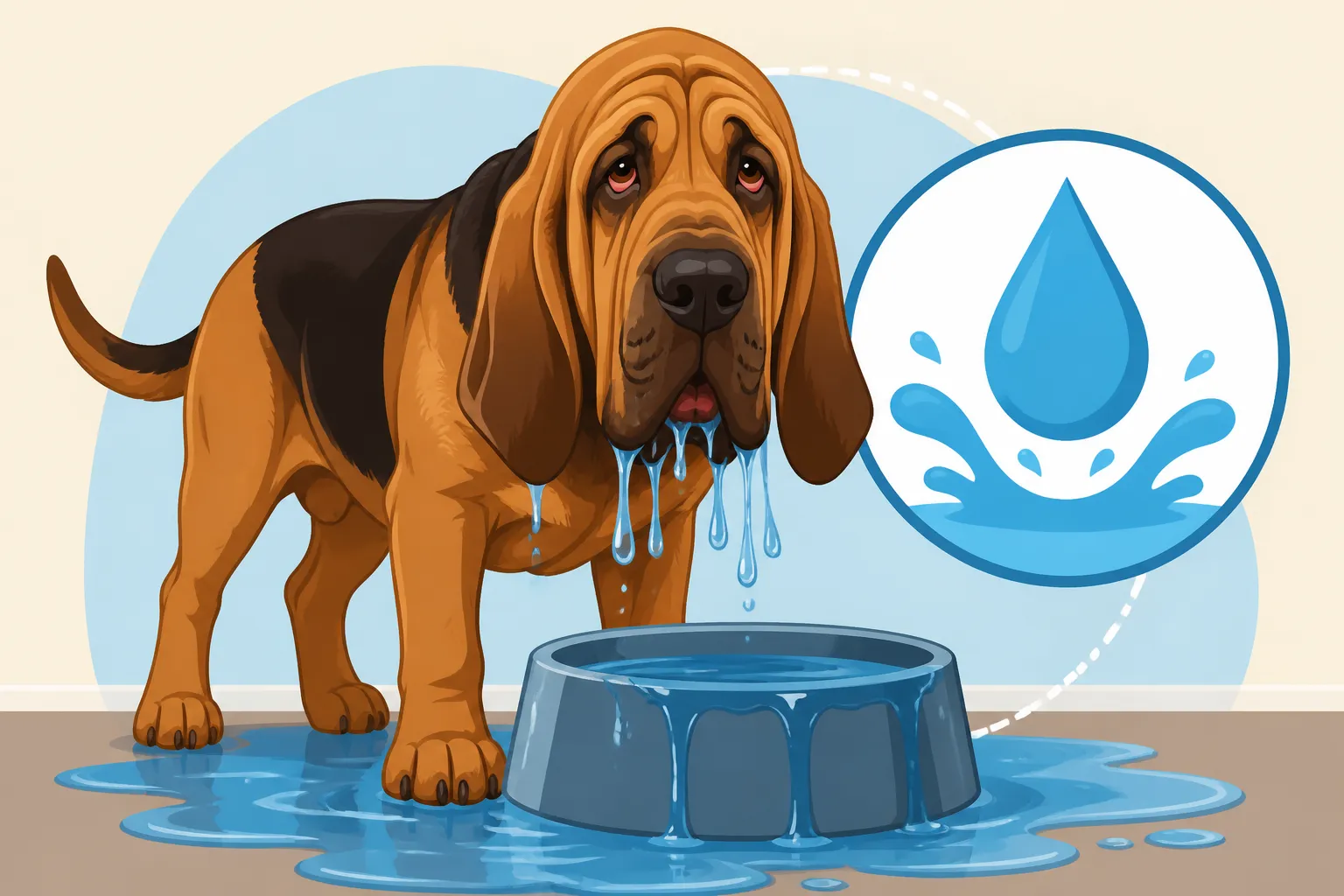
Let's be honest, it sometimes feels like your Bloodhound is trying to empty a small swimming pool onto your kitchen floor, doesn't it? You might estimate a gallon or two of water a day, not necessarily consumed, but redistributed. This isn't just a minor annoyance; it's a legitimate struggle that can impact your home's flooring, create slipping hazards, and frankly, just be a pain to constantly clean up. For a breed known for its impressive nose and tracking abilities, they sure do leave a visible trail in their wake, and it's almost always a wet one.
It's tempting to think your dog is just being particularly clumsy, but the truth is, the sheer volume of water displacement is often an inevitable consequence of their unique physical traits and enthusiastic drinking style. We’re not talking about a few drips here and there; many Bloodhound owners describe a veritable flood that appears almost magically after their beloved hound has had a good long drink. This constant moisture isn't just unsightly; it can be damaging to laminate or hardwood floors over time, causing warping and mildew, and making them incredibly slick underfoot.
Estimating the Daily Spill Volume
Pinpointing an exact amount of spilled water for every Bloodhound is tricky because every dog, and every drinking session, is a little different. However, it's not unreasonable for a large Bloodhound to spill anywhere from half a gallon to a full gallon of water (or even more) over the course of a day. This isn't counting what they drink, mind you, but what ends up on your floor. Imagine pouring a gallon of milk onto your floor every single day – that's the kind of volume we're often dealing with, only it's clear and a bit harder to see until you step in it.
Consider a hot summer day after a long walk, or a Bloodhound that just finished a challenging scent trail. They come in, panting, and head straight for the water bowl. They're going to drink deeply, enthusiastically, and without much thought for neatness. Their big, droopy jowls act like sponges, soaking up water and then releasing it with every head shake or turn. Their long ears, often submerged, become dripping wicks that fling water wide when they lift their head. It's a chain reaction of wetness that can quickly escalate from a few drops to a widespread puddle. This daily ritual, repeated multiple times a day, adds up to a significant amount of water that simply doesn't make it down their throat.
Beyond the Bowl: Other Sources of Wetness
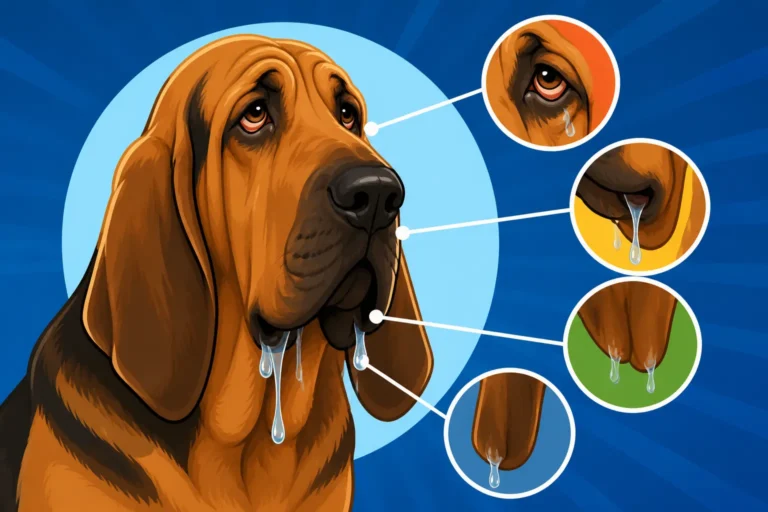
While the water bowl is undoubtedly the primary culprit, it's not the only source of canine-induced dampness. Bloodhounds are also prodigious droolers, and this isn't just saliva; it's often mixed with water from recent drinks. Have you ever seen your Bloodhound shake its head after drinking? That's not just water from the bowl flying everywhere; it's often a combination of water and drool. How Far a Bloodhound Slings Drool When It Shakes can be quite impressive, reaching walls, furniture, and even the ceiling, adding to the overall damp environment around their feeding area.
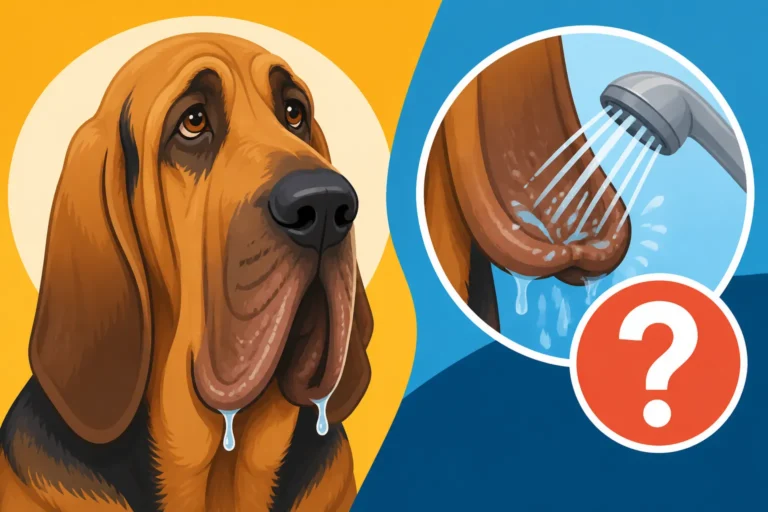
Beyond drinking and drooling, their long ears themselves can become wet if they decide to investigate a damp patch on the ground, or if they shake their head after a bath. And then there are their skin folds – particularly around the neck and jowls – which can trap moisture and transfer it to anything they lean against. While not "spilled" water in the traditional sense, these secondary sources contribute significantly to the general wetness that Bloodhound owners learn to live with, and manage, daily. It all contributes to the feeling that your hound is constantly shedding water, no matter what you do.
Why Bloodhounds Are Such Enthusiastic (and Messy) Drinkers
Understanding why your Bloodhound creates such a watery spectacle is the first step toward managing it. It’s not about malice or being "bad"; it's a combination of their physical design, their natural instincts, and their sheer, unadulterated enjoyment of a good, refreshing drink.
The Role of Those Magnificent Droopy Jowls
One of the most defining characteristics of a Bloodhound is their incredibly loose, pendulous skin, particularly around their face and jowls. While these features are fantastic for trapping scent particles close to their nose when tracking, they are a complete disaster when it comes to drinking water. Imagine a large sponge attached to your dog's mouth. When your Bloodhound dunks its face into the water bowl, those deep, floppy jowls immediately soak up a substantial amount of water.
As they lift their head, this water doesn't just drip; it sloshes and pours out of the folds and pockets around their mouth, creating mini-waterfalls onto your floor. Every turn of their head, every enthusiastic swallow, and especially every shake, liberates more liquid. There’s really no way for them to drink tidily with so much extra skin around their muzzle. It’s simply how they’re built, and it’s a reality you’ll confront daily if you live with one of these wonderful, wet hounds. It's not uncommon for them to continue dribbling and shedding water for several minutes after they've finished their drink, leaving a trail from the bowl to their chosen napping spot.
The Trailing Ears: A Liquid Conveyor Belt
Then there are those glorious, long, velvety ears. They're a thing of beauty, a marvel of scent-gathering design, but oh, how they love to act as liquid conduits! When a Bloodhound lowers its head to drink, its ears often plunge directly into the water bowl. They soak up water just like those jowls, and when your hound lifts its head, those heavy, wet ears become perfect implements for flinging water far and wide. It's a truly amazing sight to behold, how much water can be propelled across a room with a single head shake. This is a common frustration, and a primary contributor to the "flooded kitchen" phenomenon. If you want to dive deeper into protecting those ears, you might find The Bloodhound Ear That Trails Through the Food Bowl to be a helpful read, as it addresses this exact problem.
Not only do they soak up water from the bowl, but when your Bloodhound shakes its head, those long ears act like miniature whips, distributing water in a wide radius. It's not just a small splash; it can be a veritable spray that reaches cabinet doors, walls, and any unsuspecting human or pet nearby. This habit not only makes a mess but also contributes to potential ear infections, as the dampness within the ear canal creates a perfect breeding ground for yeast and bacteria. Regular cleaning is essential to prevent this, as explored in Cleaning a Bloodhound's Ears Every Week for Life.
Pure Enthusiasm and an Unawareness of Mess
Let’s not forget the sheer joy and single-mindedness with which a Bloodhound approaches their water bowl. When they’re thirsty, they’re thirsty. There’s no dainty sipping; it’s a full-on hydration mission. They dive in with gusto, gulping down water with great enthusiasm, often blowing bubbles or splashing about. They are truly living in the moment, completely oblivious to the Niagara Falls effect they’re creating around them.
This inherent lack of self-consciousness about neatness is part of their charm, but it's also a major factor in the daily clean-up routine. A Bloodhound’s world revolves around scent and satisfying their immediate needs, and tidiness simply isn't on their radar. So, when you see that fountain of water erupting from their jowls and ears, remember it’s not defiance; it’s just your beloved hound being utterly, gloriously, and messily themselves. They are simply quenching their thirst in the most efficient (for them) way possible. This enthusiasm extends to almost everything they do, from tracking a scent to greeting their favorite person, and it’s part of why we love them, even if it means carrying a mop!
Strategies and Solutions to Minimize Water Spillage
While you might never fully eliminate the "Bloodhound puddle," there are definitely strategies and products that can help you significantly reduce the amount of water your furry friend spills. It's about working with their unique physiology rather than fighting against it.
Specialized Bowls and Drinking Solutions
The type of bowl you use can make a huge difference. Forget wide, shallow bowls; for a Bloodhound, those are basically kiddie pools designed for maximum splash. Instead, look for bowls that are:
- Narrow and Deep: A bowl with a smaller opening but significant depth forces your Bloodhound to put less of their face (and fewer jowls) into the water at once. This can reduce the surface area for water to adhere to and eventually spill from.
- Slow Feeder Bowls (for drinking): While primarily designed for food, some slow feeder bowls have structures that also make it harder for a dog to gulp down large amounts of water quickly, thus minimizing splashing. Look for ones marketed for "sloppy drinkers" or "anti-spill."
- "No-Spill" or Travel Bowls: These often have a floating disk or a specific lip design that restricts the amount of water available at any one time, reducing the quantity that can slosh out or be picked up by jowls. Many brands offer these, and you can often find a good selection on sites like
AmazonorChewy. These can be a real game-changer, especially for car trips or simply keeping the kitchen a bit dryer.
Consider experimenting with different designs. What works for one Bloodhound might not be ideal for another, but the goal is to find a bowl that physically limits how much water can be moved by your dog’s face and ears. And if you're looking for guidance on where the bowl should even be, Where to Put a Bloodhound's Water Bowl offers some strategic advice.
The Mighty Snood: Your Secret Weapon
If your Bloodhound's ears are consistently dripping wet after drinking, a snood is your knight in shining armor. A snood is a fabric tube that slips over your dog's head and covers their ears, holding them snugly against their head, out of the way of food and water bowls. It's a simple, low-tech solution that is incredibly effective.
By keeping those long ears dry, you prevent them from acting as giant, water-flinging mops. This not only reduces spills but also helps prevent moisture-related ear issues. You can find snoods in various sizes and materials, and many Bloodhound owners swear by them. Just pop it on before meal and drink times, and remove it afterward. It takes a little training for your dog to get used to wearing it, but most Bloodhounds tolerate it well, especially if it means fewer ear cleanings! You can often find snoods for large breeds on pet supply sites like Chewy. To learn more about this ingenious device, check out What a Snood Does for a Bloodhound.
Strategic Placement and Management of Drinking Areas
Where you place the water bowl matters almost as much as the bowl itself. Think defensively!
- Designated Drinking Zone: Create a specific area for your Bloodhound’s water bowl. This might be a corner of the kitchen with tiled flooring, a utility room, or even an outdoor space if feasible. The idea is to contain the mess to an easy-to-clean spot.
- Elevated vs. Floor Bowls: There's ongoing debate about whether raised bowls increase the risk of bloat in deep-chested breeds like Bloodhounds. However, in terms of spillage, an elevated bowl might keep some water from dripping onto the floor from their jowls, but it also puts the water at a height where it's easier to slosh out with head movements. Many owners stick to floor-level bowls, opting for other spill-prevention methods. For more on feeding habits, How Much an Adult Bloodhound Eats gives context to their overall dietary needs.
- Mats and Absorbent Runners: Place a large, highly absorbent mat or a designated washable rug under and around the water bowl. Look for mats with waterproof backing to protect your actual flooring. These can catch a significant amount of the overflow. You can buy specialized pet mats from
ChewyorAmazonthat are designed for this very purpose. Whether a Mat Under a Bloodhound's Bowls Is Worth It is a definite yes for Bloodhound owners! - Wiping Station: Keep a designated towel or a stack of cloths nearby, perhaps on a hook or in a small basket. Get into the habit of quickly wiping your Bloodhound's jowls and chin immediately after they finish drinking. This simple act can prevent a lot of tracking and subsequent puddles. Think of it as a small, proactive step that saves you a bigger clean-up later. It's similar to the daily fold wiping routines discussed in Wiping a Bloodhound's Folds Before They Sour.
Managing the Aftermath: Cleaning Up and Preventing Damage
No matter how many preventative measures you take, living with a Bloodhound means living with a certain amount of dampness. The key is to manage the aftermath effectively to protect your home and maintain a healthy environment for your dog.
The Art of the Quick Clean-Up
For Bloodhound owners, a mop, a stack of towels, or a wet vac is not a luxury; it's a daily necessity. The sheer volume of water spilled means that merely wiping with a paper towel won't cut it. You need robust tools and a routine that makes cleaning efficient.
- Designated Cleaning Supplies: Keep a specific set of cleaning cloths, towels, or a quick-dry mop exclusively for the "Bloodhound water zone." Having them readily accessible makes it less of a chore to tackle the inevitable puddles. Microfiber cloths are excellent for absorption and drying.
- Immediate Action: Don't let puddles sit. Water can seep into grout, stain carpets, or damage wood floors surprisingly quickly. Make it a habit to glance at the water bowl area frequently and clean up spills as soon as you spot them. This is crucial not just for your floors but also for preventing slips and falls for both humans and your dog.
- Deep Cleaning Schedule: Even with daily wiping, you'll need to do a more thorough clean of the area regularly. This means sanitizing the floor to prevent mildew and bacterial growth, especially in warmer climates. Using pet-safe cleaning solutions is important, as your Bloodhound's sensitive nose will be very close to the floor.
It might sound like a lot of work, but integrating these quick clean-ups into your daily routine will save you headaches in the long run. Many Bloodhound owners joke that they should just buy stock in paper towels or invest in a high-quality robot mop that can handle wet messes. And yes, Whether a Bloodhound Owner Should Keep Cloths in Every Room isn't a bad idea, given how far their drool and water can travel!
Protecting Your Floors from Water Damage
Beyond the immediate mess, prolonged exposure to water can cause significant damage to your home’s flooring and even subflooring. This is not just about aesthetics; it can lead to costly repairs down the line.
- Waterproof Flooring: If you're building or renovating, consider waterproof flooring options in areas where your Bloodhound spends a lot of time, especially around food and water bowls. Tile, luxury vinyl plank (LVP), and concrete are excellent choices that stand up well to moisture. They are easy to clean and resist the warping and staining that can plague wood or laminate.
- Sealants for Grout and Wood: If you have tile, ensure your grout is properly sealed to prevent water penetration. For hardwood floors, discuss with a flooring professional if additional sealants or finishes can provide an extra layer of protection against water damage.
- Area Rugs with Waterproof Backing: Even with hard flooring, a large area rug with a waterproof backing can provide an extra layer of protection and comfort for your dog. Make sure it's easily washable. Look for indoor/outdoor rugs or specific pet rugs available from retailers like
OllieorChewythat are designed to withstand heavy use and frequent cleaning.
By taking these preventative steps, you can save yourself a lot of stress and expense in the future. The initial investment in the right flooring or protective measures will be far less than repairing extensive water damage. Remember, your Bloodhound isn't going to suddenly become a dainty drinker, so planning for the inevitable is the smartest approach.
Ventilation and Odor Control
Constant dampness isn't just bad for floors; it can also contribute to a musty odor in your home. Bloodhounds already have a distinct "houndy" smell, which can be exacerbated by trapped moisture.
- Good Ventilation: Ensure the area where your Bloodhound drinks is well-ventilated. Open windows, use exhaust fans, or consider a small dehumidifier in areas prone to dampness. This helps surfaces dry more quickly and reduces the likelihood of mold and mildew growth, which are often the culprits behind persistent musty smells.
- Regular Cleaning of Bowls and Mats: Beyond the floor, the bowls themselves need regular, thorough cleaning. Slime and bacteria can build up, contributing to odors. Similarly, mats and towels should be washed frequently.
- Pet-Safe Odor Eliminators: For persistent odors, pet-safe odor eliminators can be used on floors and fabrics. Again, choose products that are safe for pets and don’t just mask odors but neutralize them.
Embracing the reality of your Bloodhound's drinking habits and implementing these strategies will make living with your wonderfully messy companion a much more pleasant, and certainly drier, experience. It’s a labor of love, but one that’s absolutely worth it for these loyal, scent-driven dogs.
Disclaimer
This article is for general informational purposes only and does not constitute professional advice. Laws, prices and regulations vary by location and change over time. Consult a qualified professional for guidance on your specific situation.