Bloat Is What Kills Most Bloodhounds
For any Bloodhound owner, the word "bloat" hangs heavy in the air, a silent, ever-present threat. It’s a terrifying reality, a sudden, often fatal condition that can snatch our beloved hounds away in mere hours. If you've ever felt that chilling anxiety about your Bloodhound's deep chest, wondering if every tummy rumble is a sign of impending doom, you are not alone. This guide is dedicated to demystifying gastric dilatation-volvulus (GDV), commonly known as bloat, equipping you with the knowledge to recognize, react to, and potentially prevent this silent killer, because, devastatingly, it truly is what kills most Bloodhounds.
Understanding Gastric Dilatation-Volvulus GDV in Bloodhounds
Bloat, or Gastric Dilatation-Volvulus (GDV), is not just an upset stomach; it's a rapidly progressing, life-threatening condition that demands immediate veterinary attention. For Bloodhound owners, understanding this threat is not just recommended, it's absolutely crucial. The sheer speed and devastating impact of bloat make it one of the most feared emergencies in large, deep-chested breeds like ours.
What Exactly Is Bloat? Dilatation Versus Volvulus
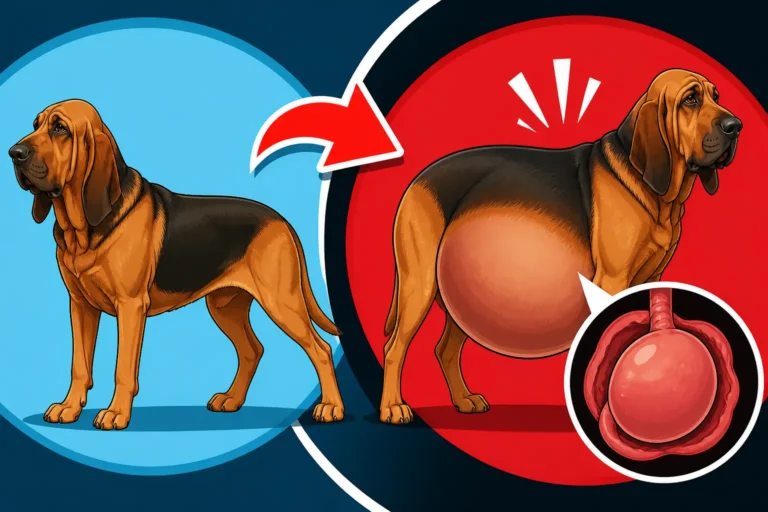
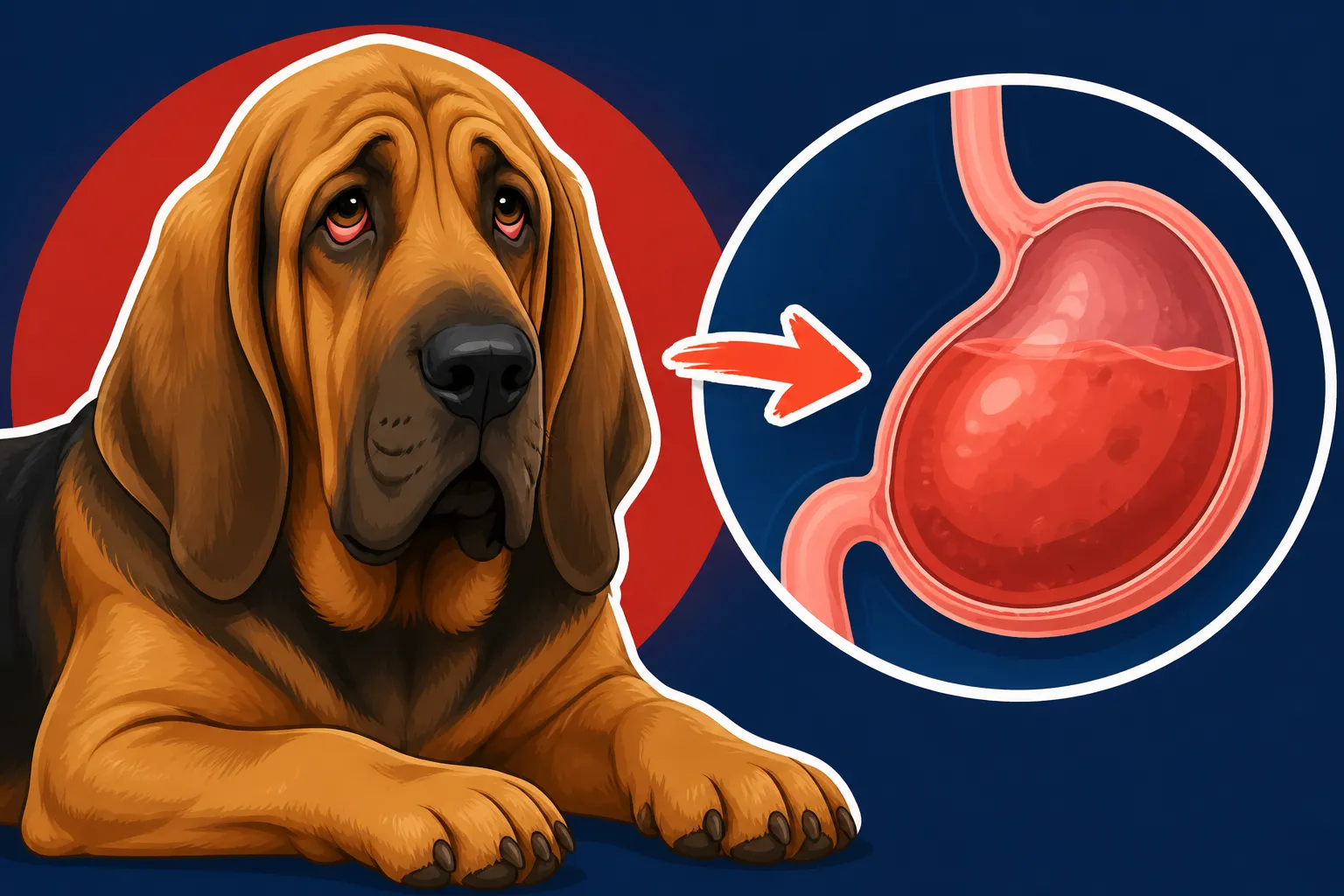
At its simplest, bloat starts with "dilatation," which means the stomach fills rapidly with gas, fluid, or food, causing it to swell dramatically. Imagine a balloon inflating inside your dog's abdomen. This alone is incredibly painful and can start to put pressure on surrounding organs and major blood vessels. The stomach expands, pushing against the diaphragm, making it hard for your Bloodhound to breathe properly. The expanding stomach also presses on the vena cava, a large vein that returns blood to the heart, leading to a dangerous drop in blood pressure and potentially shock.
The real danger, and what elevates bloat to GDV, is the "volvulus." This is when the distended stomach twists on its long axis, completely cutting off both the entrance (from the esophagus) and the exit (to the small intestine). Once this twist occurs, nothing can enter or leave the stomach. The trapped gas and fluid continue to build, causing extreme pressure. The blood supply to the stomach wall is also cut off, leading to tissue death and the release of toxins into the bloodstream. This twisting action can also affect the spleen, which is often attached to the stomach, potentially requiring its removal during emergency surgery. The difference between simple dilatation and the full-blown volvulus can be minutes, and the latter is what makes this condition so lethal.
Why Bloodhounds Are Uniquely Susceptible
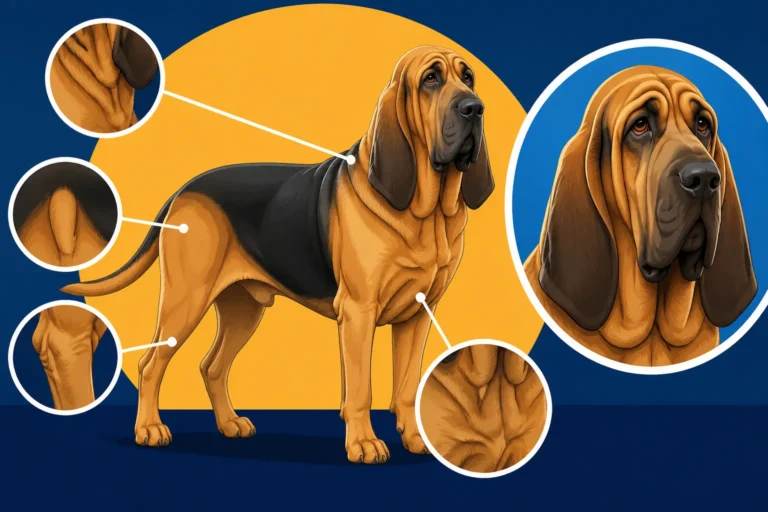
Bloodhounds, with their distinctive conformation, are unfortunately among the breeds at highest risk for GDV. Their deep, narrow chests are a significant anatomical predisposition. Think of it like a long, cylindrical bowling pin sitting in a large, empty locker. There's plenty of room for it to shift and spin. This unique body shape means their stomach has more space to move and twist when it becomes distended with gas. You might wonder, "Why a Bloodhound's Chest Shape Causes Bloat?" It's directly tied to this anatomical factor. Research, like the significant data gathered in What the Purdue Bloat Study Found About Bloodhounds, has consistently highlighted this breed-specific risk factor.
Beyond chest conformation, genetics also play a role. If a Bloodhound's parent or sibling has experienced bloat, their risk increases substantially. Certain eating habits, like eating very quickly or consuming large meals, can exacerbate the risk, although it's crucial to understand that even slow eaters can bloat. Stress and anxiety are also thought to be contributing factors. It's a cruel twist of fate that our beloved, sensitive hounds are so vulnerable to this condition, making vigilance and preventative measures all the more important for us as owners.
The Terrifying Speed of Onset
One of the most frightening aspects of bloat is how quickly it can progress from subtle signs to a life-threatening crisis. Many owners report that their dog seemed perfectly fine just an hour or two before symptoms became severe. You might leave for a quick errand, only to return to find your Bloodhound in distress. It’s not uncommon for bloat to strike unexpectedly, often in the evening or overnight, when veterinary clinics are closed and only emergency facilities are available. This rapid onset means that there's little to no time to "wait and see" if your dog improves. Delaying seeking help, even by an hour or two, can drastically reduce the chances of survival.
This terrifying speed is why every Bloodhound owner needs to be intimately familiar with the symptoms and have an emergency plan in place. We'll delve into the signs next, but keep in mind that the window for effective intervention is incredibly narrow. The urgent need for action is why many owners opt for preventive measures like gastropexy, which we'll discuss later.
Recognizing the Early Warning Signs of Bloat
Spotting bloat early is absolutely critical to your Bloodhound's survival. This isn't a condition where you can afford to second-guess yourself. The signs can be subtle at first, easily mistaken for indigestion or general discomfort, but they escalate rapidly. Learning to differentiate these early indicators from minor issues is paramount for every Bloodhound parent.
Subtle Changes in Behavior
Your Bloodhound knows how to communicate, even when they’re not baying. Subtle behavioral changes are often the very first clue that something serious is amiss. You might notice your typically placid hound becoming unusually restless or anxious. They might pace constantly, unable to find a comfortable position, or seem distressed and unable to settle down. A dog experiencing early bloat might stand with its legs spread wide, or repeatedly shift its weight. They might also begin to drool excessively, a sign of nausea or discomfort. You know your dog's normal quirks, their usual demeanor after a meal or a walk. Any deviation from that baseline, especially if coupled with other physical signs, should raise a red flag.
Another common subtle sign is a lack of interest in food or water, or attempting to eat/drink but then turning away, as if unable to swallow or keep it down. They might seem more withdrawn than usual, perhaps hiding or seeking solitude, which is often a strong indicator that a normally sociable Bloodhound is feeling very unwell. These behaviors are your dog's way of telling you they're in pain or severe discomfort, and because bloat can progress so quickly, dismissing these early cues could have dire consequences.
Physical Symptoms to Watch For
As bloat progresses, the physical symptoms become more obvious and alarming. The most characteristic signs include non-productive retching or dry heaving. Your Bloodhound will look like they’re trying to vomit, their body heaving, but nothing comes up, or perhaps only a small amount of foamy saliva. This is because the twisted stomach prevents anything from passing. Coupled with this, you'll often see visible distension of the abdomen. The belly, especially the upper left flank, might appear swollen, taut, and feel hard to the touch, like a drum. This distension can be incredibly painful, and your dog might resist having their abdomen touched.
Other physical signs can include pale gums, rapid shallow breathing, a weak pulse, and signs of shock. Your dog's heart rate might increase as their body tries to compensate for the reduced blood flow. The ears might feel cold, and the overall body temperature could drop. It's an overwhelming list of symptoms, but the combination of non-productive retching and a visibly swelling abdomen is almost definitive for GDV. Remember, when dealing with these sorts of issues, having pet insurance like Healthy Paws can be a lifesaver, covering a significant portion of emergency care costs that can otherwise be financially crippling.
The "Prayer Position" and What It Indicates
The "prayer position" is a specific posture that many dogs adopt when experiencing severe abdominal pain, and it's a critical sign to recognize in a potentially bloating Bloodhound. In this stance, your dog will stretch out its front legs, lowering its chest and head to the ground, while keeping its hindquarters raised. It looks almost like they are bowing or stretching, but their body language will convey immense discomfort and rigidity. They are trying to relieve the intense pressure and pain in their abdomen.
This position is not unique to bloat, as other severe abdominal issues like pancreatitis can also cause it. However, when combined with the non-productive retching and abdominal swelling, it points very strongly towards GDV. If you see your Bloodhound in this position, especially if they are also dry heaving and their belly looks distended, consider it a medical emergency and act immediately. This specific posture is often mentioned when describing Signs a Bloodhound Is Bloating and should prompt an immediate call to your veterinarian.
The Critical Timeline: How Fast Bloat Progresses
The speed at which bloat can turn deadly is what makes it so terrifying. It's not an exaggeration to say that every minute counts. Understanding this critical timeline isn't meant to induce panic, but to instill a profound sense of urgency and preparedness. This isn't a condition you can monitor from home for a few hours; it demands immediate, decisive action.
From First Symptom to Crisis
Bloat often begins subtly, as mentioned earlier, with restlessness or mild discomfort. Within a matter of minutes to a couple of hours, these subtle signs can rapidly escalate. A Bloodhound might go from appearing slightly uncomfortable to showing clear signs of distress – constant pacing, repeated non-productive retching, and a visibly distended abdomen. The stomach expands rapidly as gas and fluid become trapped, leading to agonizing pressure. This expansion puts immense strain on blood vessels and organs.
Once the stomach twists (volvulus), the situation becomes even more dire. The blood supply to the stomach wall is compromised, leading to rapid tissue death. Toxins are released into the bloodstream, triggering systemic shock. The lack of blood return to the heart causes blood pressure to plummet, and the heart can become irregular. This progression can occur astonishingly quickly, sometimes in less than an hour from the first noticeable symptom. Many owners describe seeing their dog fine one moment, then collapsing in distress the next. This rapid transition underscores why delays in seeking treatment are often fatal.
Why Every Minute Truly Counts
The phrase "every minute counts" might sound like a cliché, but with GDV, it is the absolute truth. The longer the stomach remains twisted and distended, the greater the damage to the stomach tissue, the higher the risk of irreversible shock, and the lower the chances of survival. Studies have shown a direct correlation between the time from onset of symptoms to surgical intervention and the prognosis for the dog. The faster your Bloodhound gets to a veterinary emergency hospital and into surgery, the better their chances are of making a full recovery. This is precisely why articles like How Fast Bloat Kills a Bloodhound emphasize the rapid, unforgiving nature of this disease.
Beyond the immediate danger, prolonged torsion can lead to long-term complications, even if the dog survives. Damage to the stomach wall can require partial removal of the stomach, and severe shock can impact organ function. The sheer stress on the dog's system is immense. This is why having an emergency plan, knowing the location of the nearest 24-hour veterinary emergency clinic, and having their number readily available is not just good practice – it's essential for any Bloodhound owner.
What Happens Inside the Dog's Body
To truly grasp the urgency, it helps to understand the cascade of events happening inside your Bloodhound's body during GDV. When the stomach dilates, it presses on major blood vessels in the abdomen, particularly the caudal vena cava, which carries deoxygenated blood back to the heart. This compression reduces blood flow to the heart, leading to a dangerous drop in blood pressure and circulatory shock. The spleen, which is often attached to the stomach by ligaments, can also be pulled into the twist, causing its blood supply to be cut off.
As the stomach twists, its own blood supply (arteries and veins) is occluded. This leads to the rapid death of stomach tissue, releasing harmful toxins into the bloodstream. These toxins, combined with the severe shock, can cause heart arrhythmias (irregular heartbeats) and damage to other organs, including the kidneys and liver. The pressure on the diaphragm makes breathing extremely difficult, further compromising the dog's oxygen levels. Without intervention, this systemic shutdown leads to multi-organ failure and death. It's a truly horrific and agonizing process for the dog, which is why immediate intervention is not just about saving a life, but also alleviating immense suffering.
Immediate Actions: What to Do When You Suspect Bloat
Discovering your Bloodhound showing signs of bloat is an incredibly frightening experience. Panic is a natural reaction, but it’s crucial to override it with swift, decisive action. There’s no time to waste on "what ifs" or self-diagnosis. Your immediate response can literally mean the difference between life and death for your beloved companion.
Contacting Your Vet or Emergency Clinic
The absolute first thing you must do if you suspect bloat is to call your veterinarian or the nearest 24-hour emergency veterinary clinic immediately. Do not hesitate. Do not wait for symptoms to worsen. Explain that you suspect Gastric Dilatation-Volvulus (GDV) in your Bloodhound and describe the symptoms you are seeing: non-productive retching, abdominal distension, restlessness. This immediate phone call serves several vital purposes. Firstly, it alerts the veterinary staff to your impending arrival, allowing them to prepare. They can ensure a surgical suite is ready, staff are on standby, and necessary equipment like IV fluids, oxygen, and medications are prepared.
Secondly, the veterinary team can provide crucial advice for your journey to the clinic, ensuring you don’t inadvertently make the situation worse. They might instruct you to keep your dog calm, limit movement, or provide specific directions for arrival. If it's a regular clinic, they might direct you to a specialized emergency referral center that is better equipped to handle such a critical surgery. Knowing that you're heading to a facility that is ready for a GDV case is incredibly important, as time wasted waiting for staff to get ready could cost your Bloodhound its life.
Preparing for the Journey
Once you've made that critical phone call, every second counts, so you need to be prepared for the fastest possible departure. Ensure you have your car keys, wallet, and phone. If possible, have someone else drive so you can monitor your Bloodhound and keep them as calm as possible. Gently help your dog into the car, avoiding any sudden movements that might worsen their discomfort. If your Bloodhound is large or in severe pain, you may need assistance to move them.
During the drive, speak calmly to your Bloodhound, reassuring them. Avoid offering food or water, as this could further complicate matters or cause aspiration if they are already struggling with vomiting. Monitor their breathing and overall demeanor. While it's a tense and terrifying drive, focusing on getting to the clinic safely and swiftly is paramount. Remember, this is a race against time, and your preparedness directly impacts the outcome. Having pet insurance information readily available, such as your Healthy Paws policy number, can also save precious minutes at check-in when every second counts.
Things Not to Do at Home
In a moment of crisis, our instinct might be to try and help our dog ourselves, but with bloat, there are critical things you absolutely should not do at home. Firstly, do not try to induce vomiting. The stomach is twisted, and inducing vomiting will not relieve the pressure and could cause more harm, including aspiration of stomach contents into the lungs. This could also delay getting your Bloodhound to the veterinary hospital, which, as we've established, is fatal.
Secondly, do not attempt to "burp" your dog or physically manipulate their abdomen in an attempt to relieve pressure. This can cause further pain, rupture the stomach, or worsen the torsion. Likewise, do not give any over-the-counter medications or home remedies without explicit instruction from a veterinarian. Many human medications can be toxic to dogs, and even seemingly benign options can interfere with emergency treatments. Your role is to get your Bloodhound to professional medical care as quickly and safely as possible; leave the diagnosis and treatment to the experts.
Emergency Veterinary Intervention and Treatment
Once your Bloodhound arrives at the emergency veterinary clinic, a highly skilled team will immediately spring into action. This phase of treatment is critical, aiming to stabilize your dog, diagnose the severity of the bloat, and surgically correct the underlying issue. It's a complex, fast-paced process that can be incredibly expensive, highlighting again the value of a comprehensive pet insurance plan from providers like Healthy Paws.
Diagnosis and Initial Stabilization
Upon arrival, the veterinary team will waste no time. They will perform a quick physical examination to assess your Bloodhound's vital signs, including heart rate, respiratory rate, and gum color. They will palpate the abdomen to confirm distension and pain. An immediate X-ray of the abdomen is usually taken to confirm the diagnosis of GDV. The characteristic X-ray finding of a gas-filled stomach twisted on itself is diagnostic. This confirms whether it's simple bloat (dilatation) or the more dangerous twisted stomach (volvulus).
Simultaneously with diagnostics, stabilization efforts begin. An intravenous (IV) catheter will be placed, and your Bloodhound will immediately receive IV fluids to combat shock and improve blood pressure. Pain medication will be administered to alleviate their immense suffering. Oxygen therapy may also be initiated to improve oxygen saturation. In some cases, if the stomach is extremely distended, the veterinarian may attempt to pass a tube down the esophagus into the stomach to relieve some of the gas pressure. This is called gastric decompression and can provide temporary relief, but it does not fix the twist. If a tube cannot be passed, a large-bore needle (trocarization) may be used to carefully release gas directly from the stomach through the abdominal wall, though this is a temporary measure and carries its own risks.
The Emergency Surgical Procedure
Once your Bloodhound is stabilized, the definitive treatment for GDV is emergency surgery, known as a gastrectomy. This is a major abdominal procedure. The goal of the surgery, as detailed in articles like What Emergency Bloat Surgery Does for a Bloodhound, is twofold: to untwist the stomach (derotate it) and to perform a gastropexy. During the surgery, the veterinary surgeon will carefully untwist the stomach, assessing its viability. Any areas of the stomach wall that have suffered irreversible damage (necrosis) due to lack of blood flow will need to be surgically removed. The spleen is also examined; if it has been severely damaged or twisted, it may also need to be removed (splenectomy).
After the stomach is derotated and any damaged tissue addressed, the surgeon will perform a gastropexy. This is a procedure where the stomach is permanently tacked or sutured to the abdominal wall. The purpose of the gastropexy is to prevent the stomach from twisting again in the future. It does not prevent the stomach from dilating (filling with gas), but it prevents the fatal volvulus. This procedure is absolutely vital, as dogs that suffer GDV once have a very high chance of experiencing it again without a gastropexy. This decision every Bloodhound owner faces is crucial.
Potential Complications During and After Surgery
While emergency surgery offers the best chance of survival, it is a high-risk procedure, and complications can arise both during and after the operation. During surgery, the primary concerns include cardiac arrhythmias (heart rhythm disturbances) due to the toxins released from the damaged stomach tissue and the stress of shock. Anesthetic complications are also a risk in critically ill patients. Hemorrhage is another possibility, especially if the spleen needs to be removed.
Post-operatively, the recovery period requires intensive care and close monitoring. Potential complications include continued cardiac arrhythmias, which can be life-threatening and require medication. There's also a risk of peritonitis (infection of the abdominal cavity) if any stomach contents leak during or after surgery, or if damaged stomach tissue was not fully removed. The stomach tissue that was compromised by lack of blood flow can sometimes slough off in the days following surgery, leading to perforations. Other risks include kidney failure, acute pancreatitis, and pneumonia. The survival rate for Bloodhounds that reach surgery is significantly improved compared to those that don't, but Whether a Bloodhound Survives Bloat depends heavily on the extent of internal damage and the dog's overall health going into surgery. This is why extensive post-operative monitoring in an intensive care unit is essential, typically for several days, to address any complications promptly.
The Aftermath: Recovery and Preventing Recurrence
Surviving bloat surgery is a huge hurdle, but the journey doesn't end there. The recovery period is crucial, demanding careful attention and dedication from owners. More importantly, understanding and implementing strategies to prevent a recurrence is paramount, as a Bloodhound that has bloated once is at a significantly higher risk of doing so again.
Post-Operative Care and Monitoring
After the life-saving surgery, your Bloodhound will require intensive post-operative care, usually involving a stay in the veterinary hospital for several days. During this time, they will continue to receive IV fluids, pain management, and potentially antibiotics to prevent infection. Cardiac monitoring will be ongoing to detect and treat any arrhythmias. The veterinary staff will carefully monitor their appetite, bowel movements, and overall comfort level. You’ll be instructed on wound care for the incision site, which typically involves keeping it clean and dry, and preventing your Bloodhound from licking or chewing at it, often with the help of an Elizabethan collar.
When your Bloodhound comes home, a strict regimen of rest and limited activity will be necessary. Short, leashed walks for potty breaks will be the extent of their exercise for several weeks. Jumping, running, and rough play must be completely avoided to allow the incision to heal properly and to prevent any strain on the newly tacked stomach. It’s a challenging time, as Bloodhounds can be enthusiastic, but adherence to these restrictions is vital for a smooth recovery and to prevent complications. Follow your vet’s instructions precisely, and don't hesitate to call if you notice any concerning changes in your dog's behavior or incision site.
Dietary and Activity Considerations
Dietary management is a critical component of post-bloat recovery and long-term prevention. Initially, your Bloodhound will likely be on a bland, easily digestible diet, introduced in small, frequent meals. Your veterinarian will provide specific recommendations on when and how to transition back to their regular food, if at all. Many vets recommend feeding smaller, more frequent meals (2-3 times a day) for life, rather than one large meal, to reduce the amount of food and gas in the stomach at any one time. This is a common piece of advice for What a Bloodhound Eats After Bloat Surgery.
Activity immediately before and after meals should be strictly limited. Avoid strenuous exercise for at least an hour before and two hours after eating. This means no running, jumping, or intense play around meal times. Stress can also be a factor, so ensuring a calm, quiet environment for eating is beneficial. Some owners find slow-feeder bowls helpful, as they prevent rapid ingestion of food and air. The goal is to minimize gulping and to keep the stomach as settled as possible.
The Role of a Preventive Gastropexy Even After an Emergency
One of the most important outcomes of bloat surgery is the gastropexy that is performed. As we discussed, this procedure permanently tacks the stomach to the abdominal wall, preventing it from twisting again. This is incredibly important because a Bloodhound that has experienced GDV once has a significantly higher risk of a second episode if a gastropexy isn't performed. This is addressed directly in discussions about Whether a Bloodhound That Bloated Once Bloats Again. Even though your dog has already gone through the trauma of emergency surgery, the gastropexy provides crucial protection against the recurrence of the fatal twist.
For Bloodhound owners whose dogs haven't bloated yet, a preventive gastropexy is often recommended. This elective surgery is typically performed when a dog is spayed or neutered, or as a standalone procedure. It is far less risky and much less expensive than emergency bloat surgery. Understanding What a Preventive Gastropexy Does for a Bloodhound and consulting with your vet about the right time for your Bloodhound to undergo it, perhaps around The Age a Bloodhound Should Have a Gastropexy, can be one of the most proactive steps you take to protect them from this devastating condition.
Living with the Risk: Long-Term Prevention Strategies
For Bloodhound owners, living with the knowledge of bloat risk means adopting proactive, long-term prevention strategies. While a gastropexy is the gold standard for preventing torsion, it doesn't eliminate all risk of dilatation. Therefore, a multi-faceted approach involving feeding practices, activity management, and even genetic awareness is essential to give our hounds the best chance at a long, healthy life.
Feeding Practices to Reduce Risk
One of the most impactful ways to reduce bloat risk, even in gastropexied Bloodhounds, is through careful feeding practices. Instead of feeding one large meal a day, vets often recommend splitting your Bloodhound's daily food allowance into two or three smaller meals. This reduces the sheer volume of food and gas in the stomach at any one time. For example, if your Bloodhound normally eats 6 cups of food a day, offer 3 cups in the morning and 3 cups in the evening, or even 2 cups three times a day.
Many Bloodhounds are enthusiastic eaters and tend to gulp down their food, which can lead to swallowing a lot of air. Using a slow-feeder bowl can be incredibly beneficial. These bowls have raised obstacles that force your dog to eat around them, significantly slowing down their ingestion rate. Some owners even place a large, non-chokeable object like a tennis ball (too big to swallow) in a regular bowl to achieve a similar effect. Avoiding elevated food bowls has also become a common recommendation. While once thought to prevent bloat, recent studies suggest that raised bowls may actually increase the risk of GDV in some dogs. Always consult with your veterinarian for the most current advice tailored to your Bloodhound.
Managing Stress and Exercise Around Meal Times
Beyond what and how your Bloodhound eats, when and how they eat, and their activity levels around meal times, are also crucial factors. Strenuous exercise, vigorous play, or high-stress situations immediately before or after meals should be avoided. A good rule of thumb is to allow at least an hour of calm activity before eating and a minimum of two hours of rest after a meal. This gives the stomach time to digest without being jostled or stressed.
Stress itself has been identified as a potential contributing factor to bloat. A highly anxious or nervous Bloodhound, or one experiencing significant life changes, might be at increased risk. While you can't eliminate all stress, providing a consistent routine, a calm feeding environment, and addressing any underlying anxiety issues with your vet or a certified behaviorist can be beneficial. Consider feeding your Bloodhound in a quiet area away from other pets or household commotion. These seemingly small adjustments can make a big difference in reducing overall risk.
Genetic Considerations and Breeder Responsibility
While feeding and activity management are important, it's also vital to consider the genetic component of bloat. If you're acquiring a Bloodhound puppy, inquire about the incidence of bloat in the lineage of the parents. While there isn't a definitive genetic test for bloat yet, knowing the family history can help you assess risk. Responsible breeders often keep detailed health records and should be transparent about any instances of GDV in their breeding lines. Discussions around Whether a Bloodhound Owner Should Screen for Bloat Genetics are becoming more common and can influence breeding decisions.
If you already own a Bloodhound, especially one whose relatives have bloated, this knowledge should reinforce your commitment to preventive measures like a gastropexy and careful feeding. Being aware of the breed's predispositions means you can be proactive about veterinary care and financial planning. Pet insurance is a common consideration for Bloodhound owners, and companies like Healthy Paws offer comprehensive coverage that can help offset the astronomical costs of emergency bloat surgery and subsequent care, providing invaluable peace of mind against this devastating and often unpredictable condition.
Disclaimer
The information provided in this guide is for general educational purposes only and should not be considered a substitute for professional veterinary advice. Bloat (GDV) is a life-threatening emergency. If you suspect your Bloodhound is experiencing bloat, seek immediate veterinary attention. Always consult with your veterinarian for any health concerns or before making any decisions related to your pet's health and treatment.