Whether a Bloodhound Owner Can Insure After a Bloat
Facing a pet emergency like bloat with your beloved Bloodhound is absolutely terrifying, and once the immediate crisis is over, a whole new wave of worry can set in – not just for their health, but for how you'll manage future expenses. One of the biggest questions that often keeps Bloodhound owners awake at night after a bloat episode is whether they can even get pet insurance to cover them moving forward. This guide will meticulously break down the realities of insuring your Bloodhound after they've experienced bloat, exploring your options and what to realistically expect.
The Reality of "Pre-Existing Conditions" in Pet Insurance
The term "pre-existing condition" is the elephant in the room when it comes to pet insurance, and after a bloat incident, it becomes incredibly relevant for your Bloodhound. It's a frustrating hurdle, but understanding how it works is the first step in navigating your options.
What Exactly Counts as a Pre-Existing Condition?
In the world of pet insurance, a pre-existing condition is generally defined as any illness or injury that your pet showed signs of, or was diagnosed with, before your policy started or during a waiting period. For a terrifying event like bloat, or Gastric Dilatation-Volvulus (GDV), this means that once your Bloodhound has had an episode, any future occurrences or complications directly related to that initial incident will almost certainly be classified as pre-existing. It's a tough pill to swallow because you're trying to protect your dog after they've already been through something awful.
Think of it this way: if your Bloodhound had the classic signs of bloat – retching without producing anything, a distended abdomen, restlessness – and then was diagnosed and treated, that entire event and the condition itself is now part of their medical history. Even if they recovered fully, the tendency or risk for bloat is now established in their record. Pet insurance companies view this as a known risk that they were not insuring against from the outset. This isn't just limited to bloat; it applies to anything from a chronic ear infection to a torn ACL. The moment a vet documents it or symptoms appear before your coverage kicks in, it falls under that umbrella.
The Waiting Period and Your Bloodhound's History
Every pet insurance policy comes with waiting periods. These are specific lengths of time, usually anywhere from a few days to a couple of weeks for accidents, and often longer (2 weeks to a month or more) for illnesses, that must pass after you purchase the policy before coverage for new conditions begins. If your Bloodhound experiences bloat, or any other health issue, during this waiting period, it will be considered pre-existing, even if you hadn't realized they were sick when you enrolled.
So, if your Bloodhound just had bloat last week, signing up for a policy today won't help cover any immediate follow-up care for that bloat. More critically, the bloat itself is now a documented event. When you apply for a new policy, the insurance company will review your Bloodhound's medical records, often going back a year or two. They'll see the bloat diagnosis, the emergency surgery, and any follow-up care. Because it happened before your new policy's start date (and well before any waiting periods could pass for that specific condition), it will be flagged as pre-existing. This review process is standard, and it means there's no way to sneak past the bloat history; it's right there in black and white from your vet's office.
"Curable" vs. "Incurable" Pre-Existing Conditions
Some pet insurance policies make a distinction between "curable" and "incurable" pre-existing conditions. This is where a glimmer of hope might exist for certain ailments, but it's important to be realistic about bloat. A curable condition might be something like a bladder infection that is treated and doesn't recur for a significant period (e.g., 6-12 months, depending on the policy). After this recurrence-free period, some policies might then consider it eligible for coverage if it reappears.
Unfortunately, bloat, even with a gastropexy (stomach tacking), is generally not considered a "curable" pre-existing condition in this sense by most insurers. While a gastropexy significantly reduces the risk of the stomach twisting again (volvulus), it doesn't eliminate the risk of the stomach dilating (bloating) with gas, and the underlying predisposing factors (like a deep, narrow chest, common in Bloodhounds) remain. The initial bloat event establishes a history of a life-threatening condition. Therefore, if your Bloodhound has already experienced bloat, almost all pet insurance providers will classify any future bloat-related issues, including the gastropexy if it was performed after the initial bloat incident as part of its treatment, as incurable pre-existing conditions and exclude them from coverage. It's tough, but it's the industry standard.
Navigating Insurance Options After a Bloat Incident
Even with the limitations regarding pre-existing conditions, it's not entirely hopeless. There are still reasons to consider pet insurance for your Bloodhound after a bloat scare, as long as you have realistic expectations about what will and won't be covered.
Accident-Only Policies: A Limited Safety Net
If traditional comprehensive pet insurance feels out of reach for future bloat-related coverage, or if you simply want to ensure some financial protection, an accident-only policy might be an option. These policies are generally less expensive than accident & illness plans because they specifically exclude all illnesses, including pre-existing ones.
What an accident-only policy would cover for your Bloodhound are unforeseen injuries like a broken leg from a fall, an injury from stepping on glass, or getting hit by a car. It would not, however, cover anything related to bloat, ear infections, joint issues, or any other illness. It's a very specific safety net, and while it doesn't address the primary concern about bloat recurrence, it does provide peace of mind for those sudden, unpredictable mishaps that can still be incredibly costly. You'll need to weigh if the potential benefits for unrelated accidents are worth the monthly premium, knowing that the big bloat monster is still lurking outside the coverage.
The Role of a Gastropexy in Future Coverage
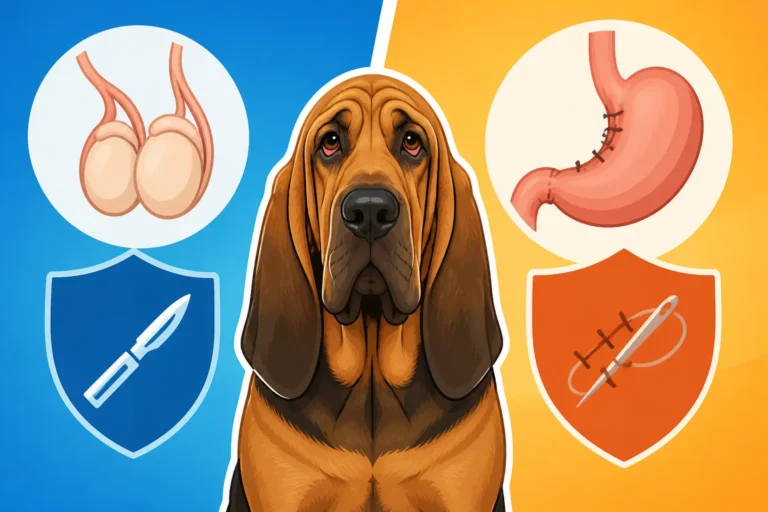
Many Bloodhound owners opt for a gastropexy, either preventatively or after a bloat episode, to permanently tack the stomach to the abdominal wall. This surgery dramatically reduces the risk of the stomach twisting again, which is the most dangerous part of bloat. The Gastropexy Decision Every Bloodhound Owner Faces
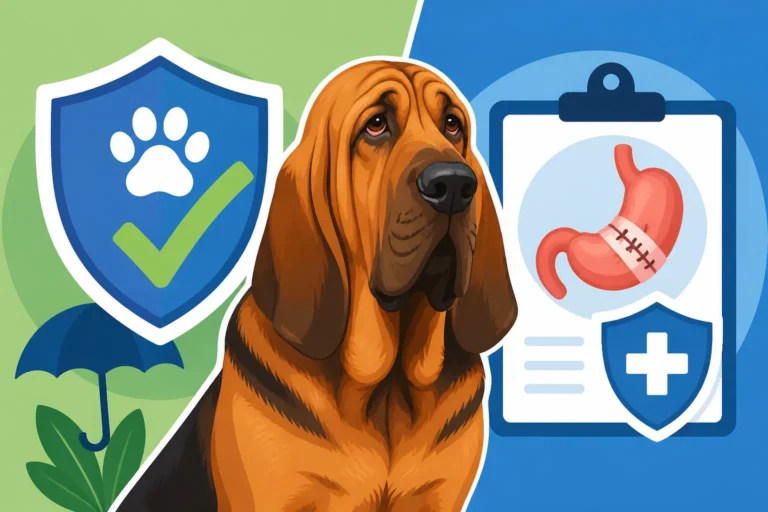
If your Bloodhound already had bloat and then received a gastropexy as part of the treatment, the gastropexy itself, and any future bloat-related issues, will typically be considered pre-existing. The insurance company sees the gastropexy as a treatment for an already diagnosed condition. However, if your Bloodhound had a preventative gastropexy before ever bloating, and then still bloated (which can happen, as the stomach can dilate without twisting), the situation can be more nuanced. In that specific scenario, the gastropexy itself would likely be covered as preventative care if the policy covered such things, but the subsequent bloat event would still probably be viewed in light of your dog's history.
The key takeaway here is that once bloat has occurred, even the best preventive measure like a gastropexy doesn't usually remove the "pre-existing" label for that condition from an insurance perspective. It's frustrating because you've done everything right to protect your dog, but insurance models are built on managing unknown risks.
What Other Conditions Might Still Be Covered?
Despite the hard truth about bloat being a pre-existing condition, obtaining pet insurance after an incident is still worthwhile because it can cover new, unrelated health issues. Your Bloodhound, like any other dog, is susceptible to a myriad of other problems that haven't happened yet and therefore aren't pre-existing.
For example, a policy could still cover:
- Accidents: Fractures, lacerations, foreign body ingestion (provided it's not related to a pre-existing chewing habit, for instance).
- New Illnesses: Diagnoses of cancer, diabetes, kidney disease, or even something as common as an ear infection (if it's the first one and not a chronic issue documented prior to coverage).
- Infections: Bladder infections, skin infections (unless chronic and present before coverage).
- Other Breed-Specific Conditions: While Bloodhounds are prone to certain things like hip and elbow dysplasia or eye problems, if your dog hasn't been diagnosed with them or shown symptoms before your policy's waiting period ends, they might still be covered if they develop later. For instance, if your Bloodhound develops Hip and Elbow Dysplasia in the Bloodhound at age three, and your policy started when they were a puppy with no prior symptoms, that could be covered.
It's about having coverage for the next unexpected health curveball, rather than hoping to retroactively cover the one that has already happened. Companies like Healthy Paws and Chewy offer plans that, while excluding the original bloat, would still provide coverage for a vast array of other potential ailments. You'll just need to carefully review their terms and conditions.
The Crucial Steps: Talking to Providers and Reading the Fine Print
Once you've wrapped your head around the limitations, the next step is proactive research and communication. Don't assume anything; get clarity directly from the source.
Direct Communication with Insurance Providers
The pet insurance landscape can be complex, and interpreting policies isn't always straightforward. This is why direct communication with potential providers is absolutely crucial after a bloat incident. Don't just rely on online quotes; call their customer service lines. Be completely transparent about your Bloodhound's history, specifically mentioning the bloat episode and any subsequent gastropexy.
Ask explicit questions like:
- "My Bloodhound had bloat on [date] and a gastropexy was performed. How will this be treated under your policy regarding future bloat episodes or related complications?"
- "What constitutes a 'pre-existing condition' in your policy, and is there any distinction for 'curable' versus 'incurable' conditions?"
- "If my dog develops a new condition, entirely unrelated to bloat, will that be covered?"
Listen carefully to their answers and, if possible, get confirmation in writing or note down who you spoke with and when. Different companies, such as Healthy Paws or even plans offered through Chewy, might have slightly different interpretations or specific riders. Some might offer more clarity than others. This isn't the time to hope for the best; it's the time to get crystal clear on the limitations.
Understanding Policy Exclusions and Limitations
This might sound obvious, but it's astonishing how many people skip reading the full policy document until a claim is denied. For a Bloodhound owner navigating insurance after bloat, reading the fine print isn't just a recommendation; it's a necessity.
Pay particular attention to:
- Definitions of "Pre-Existing Condition": Does it specify how long a condition must be symptom-free to no longer be considered pre-existing (for curable conditions)?
- Hereditary/Congenital Conditions: Bloodhounds are prone to certain hereditary issues. Ensure you understand how these are handled, especially if your dog has not yet been diagnosed but is at risk.
- Breed-Specific Exclusions: While less common for major conditions like bloat, some policies might have specific exclusions for certain breeds. Always double-check.
- Annual Limits, Deductibles, and Reimbursement Percentages: These financial elements will dictate how much you pay out of pocket for any covered conditions.
It's easy to get overwhelmed, but take your time. If a term is unclear, refer back to point 3.1 and call the provider for clarification. This meticulous review ensures you know exactly what you're paying for and, more importantly, what you're not.
Building an Emergency Fund as a Parallel Strategy
Given that future bloat incidents will almost certainly be excluded from insurance coverage, building a robust emergency fund specifically for your Bloodhound becomes an incredibly important parallel strategy. Think of it as self-insurance for that specific, known risk. How Much a Bloodhound Owner Should Keep Liquid
After facing What Emergency Bloat Surgery Costs on a Bloodhound, you know firsthand how quickly veterinary bills can escalate into the thousands. By setting aside money regularly in a dedicated savings account, you create a financial buffer. This fund can cover:
- Future bloat emergencies: If your gastropexied Bloodhound still dilates or has other bloat-related issues.
- Ongoing care for pre-existing conditions: This includes medications, special diets, or regular check-ups that wouldn't be covered by insurance.
- Deductibles and co-pays: Even for covered conditions, you'll have out-of-pocket costs, and your emergency fund can ease that burden.
Combining a limited pet insurance policy (for new, unexpected issues) with a dedicated emergency fund (for pre-existing conditions and deductibles) offers a much stronger safety net than either strategy alone. Companies like Ollie, while a fresh food provider, often emphasize holistic pet care, including financial preparedness, indirectly highlighting the need for such funds. Whether a Bloodhound Owner Needs an Emergency Fund
Preparing for the Future: A Holistic Approach to Your Bloodhound's Health and Finances
Living with a Bloodhound who has experienced bloat can be stressful, but by taking a holistic approach to their health and your finances, you can still provide them with a wonderful life while being prepared for what may come.
Proactive Health Management
While you can't undo the past bloat episode, you can be incredibly proactive about your Bloodhound's general health to minimize the risk of new conditions that might not be pre-existing. This isn't just about insurance; it's about giving your loyal companion the best quality of life possible.
Key aspects of proactive health management for Bloodhounds include:
- Dietary Management: Feeding multiple smaller meals a day, ensuring a calm feeding environment, and avoiding vigorous exercise immediately after eating are all crucial to potentially reducing bloat risk and overall digestive health. Feeding a Bloodhound So It Does Not Bloat
- Weight Control: Keeping your Bloodhound at a healthy, lean weight reduces strain on their joints and organs, potentially fending off issues like arthritis or heart disease.
- Regular Veterinary Check-ups: Consistent vet visits allow for early detection of any new health concerns, which is key for both treatment outcomes and insurance coverage (as a condition isn't pre-existing until diagnosed or symptomatic).
- Ear and Skin Care: Bloodhounds are prone to ear infections and skin fold dermatitis. Regular cleaning and care can prevent these from becoming chronic, costly issues. A Bloodhound's Ears Are a Standing Infection Risk and Skin Fold Dermatitis on a Bloodhound
An ounce of prevention is truly worth a pound of cure, especially when future insurance claims for known issues are off the table.
The Long-Term Financial Picture
Owning a Bloodhound is a significant financial commitment, and it's important to have a clear picture of the long-term costs, especially after a major health event like bloat. A Bloodhound's Money Is Spent in the Operating Room Beyond potential emergency surgeries, consider these ongoing expenses:
- Routine Veterinary Care: Annual exams, vaccinations, parasite preventatives.
- Food: High-quality food for a large breed like a Bloodhound is a considerable monthly expense.
- Supplies: Beds, toys, leashes, grooming tools, and endless cleaning supplies for their drool and messy ears. Everything on a Bloodhound Hangs Down and Has to Be Cleaned
- Specialty Care: If your Bloodhound develops another condition, a referral to a specialist (e.g., an orthopedist or ophthalmologist) can add significantly to costs.
| Scenario for a Bloodhound After Bloat | Insurance Coverage Expectation (General) | Financial Strategy Needed |
|---|---|---|
| Future Bloat/GDV Episode | EXCLUDED (pre-existing) | Dedicated Emergency Fund |
| Complications from Past Bloat Surgery | EXCLUDED (pre-existing) | Dedicated Emergency Fund |
| New Injury (e.g., broken bone) | LIKELY COVERED (if accidental policy) | Insurance (Accident-only or A&I) |
| New Illness (e.g., cancer) | LIKELY COVERED (if A&I policy) | Insurance (Accident & Illness) |
| Chronic Ear Infections (new) | LIKELY COVERED (if A&I policy) | Insurance (Accident & Illness) |
| Ongoing Care for Pre-Existing Bloat | EXCLUDED | Dedicated Emergency Fund |
By understanding that What Most Bloodhounds Actually Die Of can often involve major medical events, and by accepting that past bloat makes future bloat a non-insurable event, you can better budget. This allows you to plan effectively for both the predictable and unpredictable costs of keeping your magnificent Bloodhound healthy and happy for as long as possible.
Internal Links
Bloat Is What Kills Most Bloodhounds
What Emergency Bloat Surgery Costs on a Bloodhound
Whether a Bloodhound Survives Bloat
Whether a Bloodhound That Bloated Once Bloats Again
What a Preventive Gastropexy Does for a Bloodhound
How Much a Bloodhound Owner Should Keep Liquid
A Bloodhound's Money Is Spent in the Operating Room
Whether a Bloodhound Owner Needs an Emergency Fund
The Four Eye Problems a Bloodhound Is Born Toward
Why a Bloodhound Dies Younger Than Its Size Predicts
Hip and Elbow Dysplasia in the Bloodhound
The Age a Bloodhound Is Considered Senior
Disclaimer
This article is for general informational purposes only and does not constitute professional advice. Laws, prices and regulations vary by location and change over time. Consult a qualified professional for guidance on your specific situation.