Whether a Bloodhound Escapes From a Yard It Likes
Bloodhound escape behavior stems from an ancient scent instinct overriding comfort, explaining how these dogs leave yards they like.
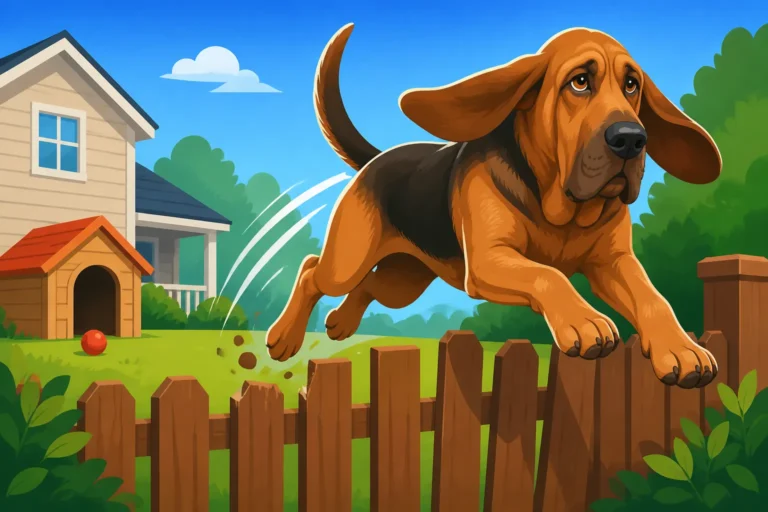
Bloodhound escape behavior stems from an ancient scent instinct overriding comfort, explaining how these dogs leave yards they like.

Bloodhound escape behavior explained through scent drive and physical strength, showing how dogs push through yard gates.

Invisible fences and Bloodhounds fail because scent drive overrides training, leaving effective containment as the only safe option.

Bloodhound digging behaviors under fences stem from scent tracking drives and boredom, requiring strategies for safe yard containment.
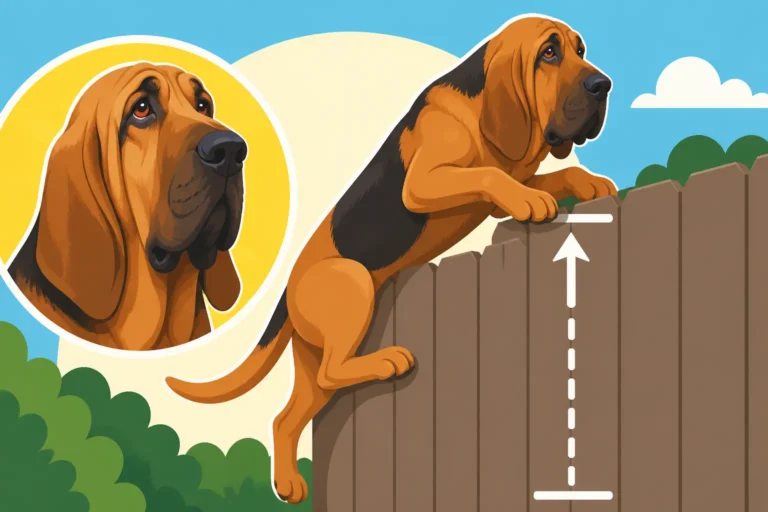
Bloodhound climbing ability relies on powerful hindquarters and intense scent motivation to scale standard yard barriers.
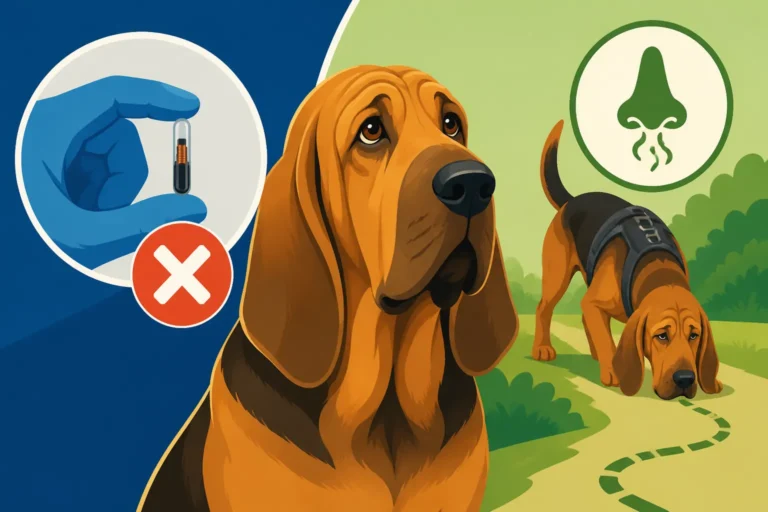
Bloodhound microchips hold unique identification numbers, but these passive devices do not provide real-time GPS tracking.

Bloodhound tracking collars, GPS satellite technology, geofencing, and real-time location updates help find a lost scent hound.

Bloodhound scent instincts and 300 million olfactory receptors explain why wandering hounds fail to return home on their own.

A loose Bloodhound can wander miles from home, following a compelling scent driven by intense tracking instincts and great stamina.

Bloodhound safety in a fenced field requires understanding their scent drive, tracking instincts, and smart problem-solving abilities.