Whether a Rescue Bloodhound Comes With Health Records
Adopting a rescue Bloodhound can be such a heartwarming experience, bringing a wonderful, often overlooked dog into a loving home. However, one of the biggest anxieties many prospective adopters face is the nagging question: will my new companion come with a complete health history? It's a valid concern, as the past lives of rescue dogs can sometimes be a bit of a mystery, leaving you wondering what medical challenges might lie ahead. This guide will walk you through what to realistically expect regarding health records when you bring a rescue Bloodhound home and how to best prepare for their future well-being.
The Spectrum of Health Records from Rescues
The amount and detail of health records you receive with a rescue Bloodhound can vary dramatically depending on where you adopt them from. It's not a one-size-fits-all situation, and understanding these differences can help manage your expectations and guide your adoption process.
Reputable Breed-Specific Rescues
When you adopt from a breed-specific Bloodhound rescue, you often have the best chance of receiving comprehensive health information. These organizations are typically run by dedicated volunteers who are passionate about the breed and have a deep understanding of its specific health needs, such as concerns around Bloat Is What Kills Most Bloodhounds or Hip and Elbow Dysplasia in the Bloodhound. They often work closely with veterinarians and sometimes even with the original breeders or owners if the dog was surrendered directly.
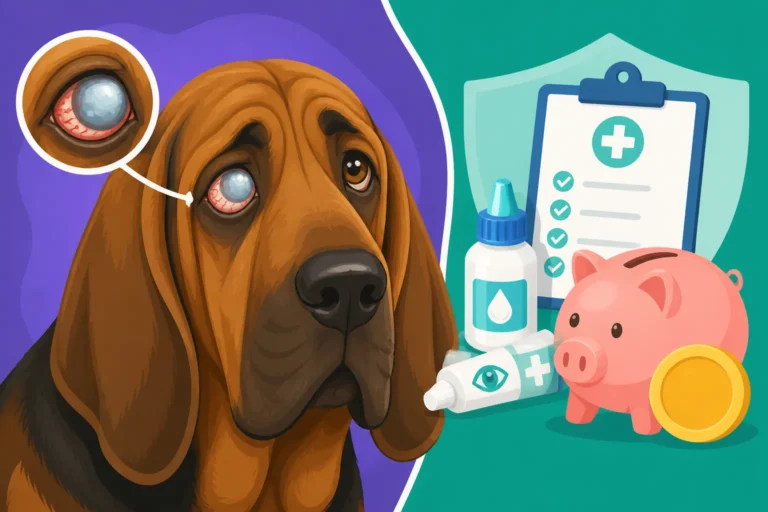
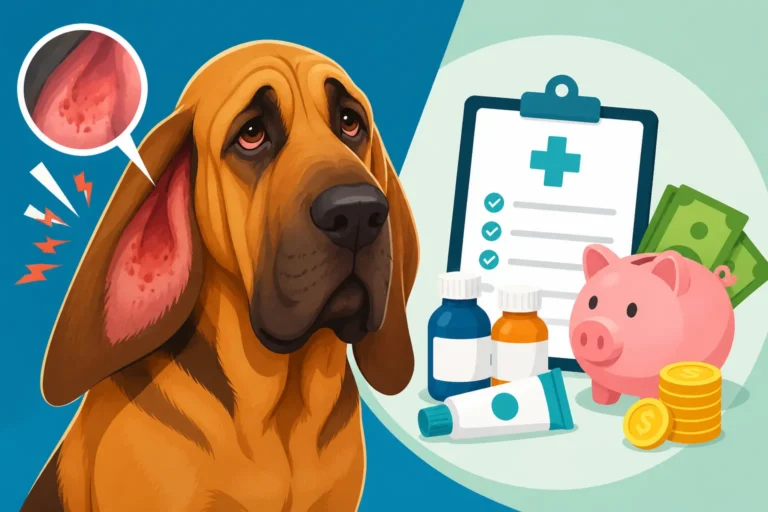
These rescues usually have a more thorough intake process. They'll perform full veterinary check-ups, bring vaccinations up to date, and often spay or neuter the dog before adoption. If a dog has known medical conditions, they usually invest in diagnosing and treating them, and they'll pass on all available records. For instance, if a Bloodhound came in with a chronic ear infection – a common ailment due to their long, heavy ears – the rescue would have documented the treatment course and likely provide advice on Cleaning a Bloodhound's Ears Every Week for Life. You might even get insights into the dog's temperament and any training they've received, which can be invaluable. They truly strive to set both the dog and the adopter up for success.
General Shelters and All-Breed Rescues
Public shelters and many all-breed rescue organizations operate with different resources and priorities. Their primary goal is often to save as many lives as possible and find homes quickly, given limited space and funding. While they always aim to provide basic veterinary care, such as vaccinations, deworming, and spay/neuter, the depth of past health records can be hit or miss.
If a Bloodhound was found as a stray, there's little to no historical information available beyond what the shelter vets observe during their initial assessment. For dogs surrendered by previous owners, the records provided depend entirely on what the previous owner had and chose to share. Sometimes, you get a thick file; other times, just a verbal account or nothing at all. These organizations do their best to treat obvious ailments and provide a safe, healthy environment, but they might not have the capacity for extensive diagnostic work on non-life-threatening issues. They're focused on getting dogs healthy enough for adoption, but the long-term history might remain a blank slate.
Independent Rescuers or Private Rehoming
Adopting from an independent rescuer, a smaller, less formal group, or directly from an owner who needs to rehome their Bloodhound can be the most unpredictable route for health records. An independent rescuer might be a dedicated individual working from their home, often covering costs out-of-pocket, which can limit the extent of veterinary care they can provide. They might have good intentions but lack the infrastructure for detailed record-keeping.
When rehoming directly from an owner, you're at their mercy. Some owners are meticulous and will hand over every vet bill and vaccination certificate they've ever received. Others might be in a crisis, less organized, or even withhold information they believe might deter an adopter. It's crucial to ask as many questions as possible in these situations and request to see any existing records before committing. This is where your due diligence becomes paramount, as the informal nature of these adoptions means fewer institutional safeguards.
Common Reasons for Missing or Incomplete Records
It can be frustrating when you're eager to learn everything about your new family member, only to find their medical history is sparse. There are several very common and understandable reasons why a rescue Bloodhound might arrive without a neatly organized, comprehensive health dossier. It's rarely an intentional oversight but rather a reflection of the realities of the rescue world.
Unknown Backgrounds of Surrendered Dogs
Many Bloodhounds end up in rescue with little to no prior history. They might be found as strays, having wandered far from home, or even been abandoned. In these cases, there's simply no previous owner to provide information. The shelter or rescue organization has to start from scratch, performing a basic health check, vaccinating, and possibly spaying/neutering. Anything beyond that relies on the vet's observations during their intake exam.
Imagine a Bloodhound found wandering down a rural road, clearly lost and disoriented. Who knows where they came from? They could have been a beloved pet, or they could have been neglected. The rescue can only treat what they see: matted fur (less common in Bloodhounds but still possible), fleas, maybe a limp or an old injury. They can't know if the dog had a history of seizures, for example, or if they've ever had problems with their joints like Hip Dysplasia in a Bloodhound. This lack of historical data is a significant challenge for rescue groups and, by extension, for new adopters trying to anticipate future health needs.
Vets, Volunteers, and Record-Keeping Limitations
Even when a dog comes into a rescue with some background, the journey through the rescue system itself can sometimes lead to gaps in documentation. Rescue organizations, especially smaller ones, often rely heavily on volunteers, and their processes for collecting, organizing, and digitizing records can vary. A dog might see multiple veterinarians across different clinics during its time in foster care or before coming into a central facility. Information might be transferred via handwritten notes, emails, or even verbal accounts.
Sometimes, the sheer volume of animals passing through a shelter makes detailed, long-term record-keeping incredibly difficult. Staff and volunteers are focused on immediate care and moving dogs into homes safely. While they will always document current vaccinations, medications, and surgical procedures (like a spay/neuter), compiling a decades-long history for every animal simply isn't feasible. It's less about negligence and more about resource constraints and the urgent, high-volume nature of rescue work.
Focus on Immediate Needs Over Detailed History
Rescue groups, by necessity, prioritize the immediate health and welfare of the animals in their care. When a Bloodhound comes in, the focus is on assessing its current condition, addressing any urgent medical issues (like infections, injuries, or parasite control), and ensuring it's stable and healthy enough for adoption. They'll make sure vaccinations are current and often perform a spay or neuter.
The goal is to provide a clean slate for the dog's future, not necessarily to reconstruct every detail of its past. This means that while they might treat a current ear infection, they might not have records of every ear infection the dog had in its previous home. They'll fix a present skin issue, but they might not know if it's a recurring problem due to allergies or Skin Fold Dermatitis on a Bloodhound. For an adopter, this means you might be starting with a dog whose "clean bill of health" is really just a snapshot of its current, acute condition, not a full historical overview.
Strategies for Investigating a Rescue Bloodhound's Health
While it's true that you might not get a perfect, comprehensive medical file, there are definitely proactive steps you can take to learn as much as possible about your potential rescue Bloodhound's health and to prepare for their future care. Don't be shy about advocating for your new family member!
Asking the Right Questions Before Adoption
Before you even fill out an application, or certainly before committing to an adoption, engage with the rescue staff or foster parent. They are often your best resource. Ask specific questions about the Bloodhound's known history, no matter how brief.
Consider these key questions:
- Known Health Issues: "Does this Bloodhound have any known medical conditions, past injuries, or chronic issues that the rescue has treated or observed?"
- Previous Care: "What vaccinations, deworming, and preventative care (like flea/tick or heartworm medication) has the dog received while in the rescue's care?"
- Medications/Supplements: "Is the Bloodhound currently on any medications or supplements, and for what reason?"
- Behavioral Health: "Have there been any behavioral observations that might indicate underlying health issues, like excessive itching, lethargy, or signs of discomfort?"
- Dietary Needs: "What food has the Bloodhound been eating? Have they shown any signs of food sensitivities or allergies?"
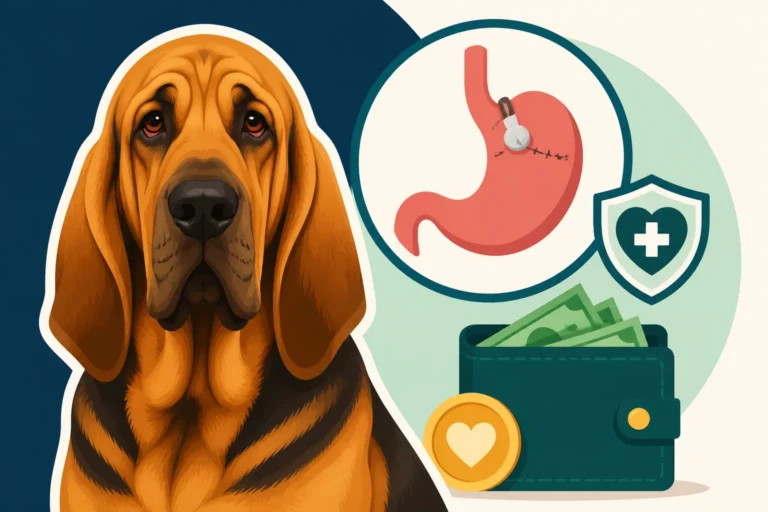
- Surgery History: "Has the dog undergone any surgeries, such as spay/neuter, or perhaps a Whether a Gastropexy Is Standard for Bloodhounds Now?" Knowing this can save you significant worry and expense down the line.
Keep a notebook and jot down the answers. This isn't just for your information; it also shows the rescue that you're a serious, responsible adopter, which can sometimes give you an edge, especially if they are screening adopters hard.
The Critical Role of a Post-Adoption Vet Visit
Regardless of the records you receive, scheduling a comprehensive vet visit within the first few days of adoption is absolutely non-negotiable. This is your chance to establish a baseline for your Bloodhound's health and to get a professional opinion on their condition. Don't wait; make this appointment even before you bring your dog home.
During this visit, your veterinarian will perform a full physical exam, check for any parasites, and discuss a vaccination schedule appropriate for your dog's age and lifestyle. Be honest with your vet about the dog's unknown history. This allows them to recommend appropriate diagnostic tests, such as blood work, urinalysis, or even X-rays if they suspect issues like Hip and Elbow Dysplasia in the Bloodhound. They can also advise on proper nutrition, exercise, and preventative care specific to the Bloodhound breed, helping you avoid problems like Feeding a Bloodhound So It Does Not Bloat. This initial check-up is an investment in your dog's future, catching potential issues early before they become larger, more costly problems.
Preparing for the Unknown with Proactive Care
Embracing a rescue Bloodhound means embracing some level of the unknown, and that's perfectly okay. What you can do is prepare for it. Start by assuming there might be some underlying health issues that haven't surfaced yet. This mindset helps you budget and plan appropriately.
Consider purchasing quality food, whether it's a specialized diet recommended by your vet or a high-quality brand like Ollie, which offers fresh, human-grade meals that can be great for dogs with sensitive stomachs or general wellness. Stock up on essential supplies from retailers like Chewy, ensuring you have everything from sturdy leashes and harnesses for scent work to ear cleaning solutions, as A Bloodhound's Ears Are a Standing Infection Risk.
Most importantly, explore pet insurance options. Companies like Healthy Paws offer coverage for unexpected accidents and illnesses, which can be an absolute lifesaver when you adopt a dog with an unknown medical history. Whether Pet Insurance Is Worth It on a Bloodhound is a question many owners ask, but for a rescue, it can provide immense peace of mind. An emergency fund specifically for your dog is also a wise idea, as A Bloodhound's Money Is Spent in the Operating Room for common emergencies. By being proactive, you can mitigate many of the anxieties that come with incomplete health records.
Long-Term Health Management for Your Rescue Bloodhound
Bringing a rescue Bloodhound into your life is a journey, and their health management is an ongoing part of that adventure. Even if you start with a blank slate, you can build a robust health history with consistent care and diligent observation.
Establishing a Baseline with Your Veterinarian
Your initial post-adoption vet visit is just the beginning. The information gathered during that comprehensive check-up forms the "baseline" for your Bloodhound's health. This means your vet will have a record of their weight, vital signs, initial blood work results, and any observations about their physical condition. This baseline is incredibly important for future comparisons.
During subsequent annual check-ups, your vet will compare current findings against this initial baseline. If your Bloodhound's weight has changed significantly, or if new symptoms appear, having that initial data helps your vet identify trends or problems more quickly. For instance, if your Bloodhound's thyroid levels are checked in the initial blood panel, and two years later they start showing signs of Hypothyroidism in a Bloodhound, your vet has a historical reference point. Make sure to schedule regular preventative care, including dental check-ups, and keep up with all vaccinations and parasite prevention. This consistent engagement with your veterinarian builds a comprehensive medical history for your Bloodhound, turning unknowns into knowns over time.
Considering Pet Insurance and Wellness Plans
The financial aspect of pet ownership, especially with a breed prone to certain conditions like Bloodhounds, cannot be overlooked. As mentioned, pet insurance can be a game-changer. While most policies won't cover pre-existing conditions (which is why a prompt initial vet visit is vital to establish what isn't pre-existing), they can provide crucial financial support for new illnesses or accidents that crop up after coverage begins. This is particularly valuable for a rescue Bloodhound whose past might hold hidden health issues.
Many insurance providers, including Healthy Paws, offer different levels of coverage, allowing you to choose what best fits your budget and risk tolerance. Some companies also offer "wellness plans" which are separate from insurance and cover routine costs like annual exams, vaccinations, and sometimes even spay/neuter. While these plans aren't insurance, they can help you budget for predictable expenses, allowing you to save your emergency fund or insurance for the truly unexpected, like What Emergency Bloat Surgery Costs on a Bloodhound. It's worth exploring these options to ensure you're financially prepared for all aspects of your Bloodhound's care.
Consistent Care and Monitoring at Home
You are your Bloodhound's primary caregiver and first line of defense when it comes to their health. Consistent care and attentive monitoring at home are crucial, especially when you're building a new health history from a rescue. This means not just providing food and shelter, but actively observing your dog's behavior, appetite, energy levels, and overall well-being every single day.
Pay close attention to any changes, no matter how subtle. Is your Bloodhound suddenly more lethargic than usual? Is their appetite different? Are they limping slightly after a long walk? Are their ears looking or smelling different, indicating Signs a Bloodhound's Ear Is Infected? Because of their deep chests, it's also important to be aware of Signs a Bloodhound Is Bloating. Keeping an eye on their skin folds, especially around their neck and jowls, and making sure you're cleaning them regularly can prevent issues. If you notice anything unusual, document it and contact your veterinarian. Keeping a simple journal of any health observations, even minor ones, can be incredibly helpful for your vet in diagnosing potential issues down the road. You can order special cleaning wipes and other supplies from places like Chewy to keep your Bloodhound clean and comfortable, reducing the chances of common skin and ear issues.
| Rescue Type | Typical Record Availability | Pros | Cons |
|---|---|---|---|
| Breed-Specific Rescue | Often comprehensive, including past treatments and history. | Deep breed knowledge, thorough vetting, ongoing support. | Might have stricter adoption criteria and longer waits. |
| General Shelter/All-Breed | Basic vaccination, spay/neuter, and current treatment info. | Many dogs available, lower adoption fees, often immediate availability. | Less historical data, limited breed-specific knowledge. |
| Independent/Private | Highly variable, from complete to none at all. | Direct interaction with previous owner/foster, potential for unique bond. | Least oversight, inconsistent vet care history, reliance on owner honesty. |
Embracing a rescue Bloodhound, whether they come with a meticulously detailed health history or a mysterious past, is an incredibly rewarding decision. While the lack of complete records might feel daunting initially, remember that you are now their history. With a dedicated veterinarian, proactive care, smart preparation, and your loving attention, you can ensure your Bloodhound enjoys a healthy, happy life with you.
Disclaimer
This article is for general informational purposes only and does not constitute professional advice. Laws, prices and regulations vary by location and change over time. Consult a qualified professional for guidance on your specific situation.