Signs a Bloodhound’s Fold Has Become Infected
Those charming, distinctive wrinkles and folds on your Bloodhound's face and body are undeniably a huge part of their appeal, but let's be honest, they're also a constant source of worry for us owners. It's so easy for moisture and debris to get trapped in those cozy crevices, creating the perfect breeding ground for skin infections, also known as fold dermatitis. This guide is here to walk you through the clear signs that indicate your beloved hound's folds are heading for trouble or are already infected, so you can take prompt action.
The Anatomy of a Bloodhound's Folds and Why They're Trouble
Every Bloodhound owner quickly learns that those magnificent folds aren't just for show; they play a crucial role in enhancing their incredible scenting ability by trapping scent particles. But what helps them be such superb trackers also makes them susceptible to unique health challenges. These deep, loose skin folds, while charming, create microclimates that are ripe for problems if not diligently maintained.
Where the Problem Areas Are
Bloodhounds are essentially living, breathing, drooling, scent-gathering masterpieces of wrinkles. While beautiful, these anatomical quirks mean that certain areas are perpetually at risk. You'll find the most prominent and problematic folds around their face – particularly the flews (upper lips), jowls, and the skin under their eyes. The deep folds around their neck, often referred to as a "dewlap," are another classic hotspot, extending down to their chest. Some Bloodhounds even have significant folds on their legs or around their tail base, depending on their individual conformation.
What makes these areas such a magnet for trouble? Think about it: these folds are constantly in motion, rubbing against each other, trapping moisture from drool, water, or even just humid air. They're also often in contact with food, dirt from sniffing the ground, and general environmental grime. Unlike flat skin surfaces that can dry out and breathe easily, these folds create warm, dark, and often damp environments. It’s like a miniature, unventilated greenhouse for all sorts of microscopic life that thrives in such conditions.
It's a common struggle for us Bloodhound parents to keep these areas pristine, especially when your dog is enthusiastically drinking water or diving nose-first into their meal. Every Bloodhound owner eventually experiences the challenge of keeping the Where a Bloodhound's Folds Sit clean and dry. It's not just about aesthetics; it's about preventing discomfort and serious health issues for our hounds.
The Perfect Storm for Infection
Imagine trying to keep a constantly damp, warm, and dark area clean, especially when it's hidden under layers of skin and fur. That's the daily reality for a Bloodhound's folds. The primary culprit for fold dermatitis, or skin fold pyoderma, is moisture. Whether it’s from drinking water, drooling after a tasty treat, or simply higher humidity in the air, moisture gets trapped deep within the folds and struggles to evaporate. This dampness softens the skin, making it more vulnerable and creating an ideal breeding ground for bacteria and yeast, which are naturally present on the skin but can quickly overgrow in these conditions.
Beyond just moisture, these folds are also prone to accumulating all sorts of irritants. Food particles, dirt from their incessant sniffing, shed hair, and even natural skin oils can all get caught in the deep creases. This debris not only provides more fuel for microbial growth but also creates friction against the softened skin, leading to irritation and microscopic abrasions. It's a vicious cycle: irritation makes the skin more susceptible, which in turn leads to more inflammation and a higher chance of infection.
When you combine all these factors – warmth, darkness, constant moisture, accumulated debris, and friction – you have a literal perfect storm for an infection to take hold. Yeast, often Malassezia pachydermatis, and bacteria, commonly Staphylococcus pseudintermedius, are the usual culprits. The skin, unable to breathe and constantly macerated, breaks down, allowing these organisms to invade and cause significant discomfort and pain for your dog. It's no wonder that managing a Bloodhound's folds is part of the Everything on a Bloodhound Hangs Down and Has to Be Cleaned routine!
Recognizing the Early Warning Signs of Fold Dermatitis
Catching a skin fold infection early is absolutely key to preventing it from becoming a full-blown, painful problem that requires extensive veterinary intervention. As Bloodhound owners, we have to be vigilant, using all our senses to detect the subtle cues our dogs give us.
Visual Clues: What to Look For
The first and often most obvious signs of trouble in your Bloodhound's folds are visual. When you lift those glorious jowls or peer into the neck wrinkles, you should be looking for any deviation from healthy, pinkish, unbroken skin.
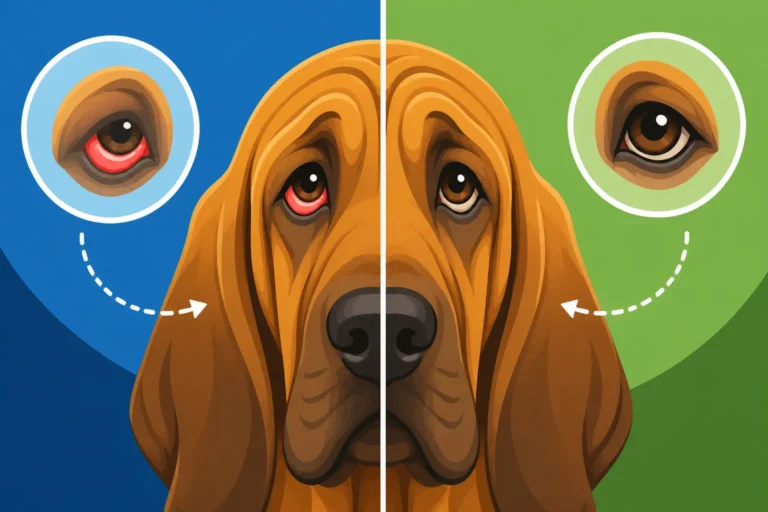
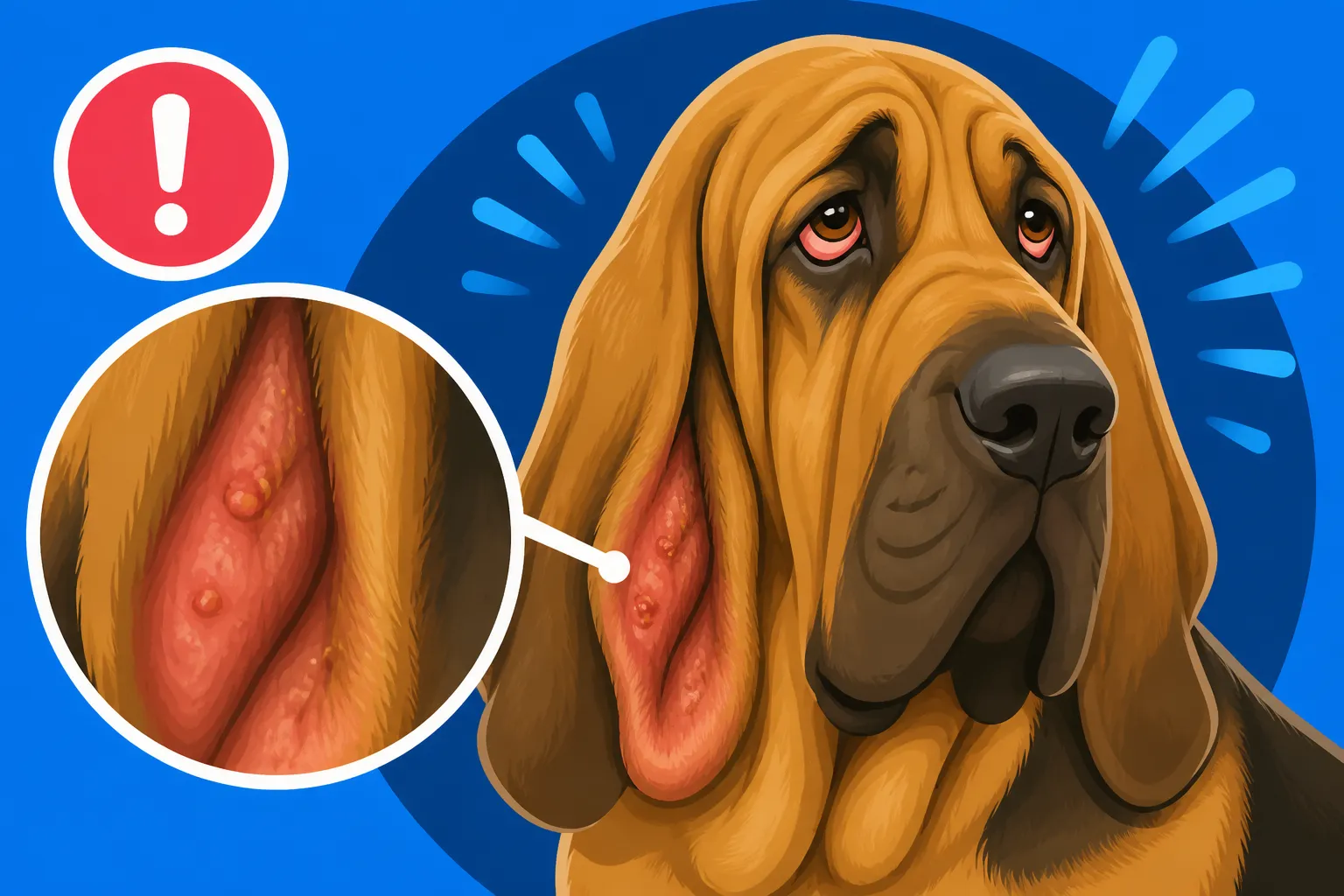
- Redness and Inflammation: A healthy fold should have skin that matches the general tone of their inner ear or belly – a soft pink or sometimes pigmented hue. If you notice the skin within the fold is bright red, angry, or inflamed, that's a huge red flag. This isn't just a little flush; it's a deep, persistent redness that indicates irritation and the beginning of an inflammatory response. It might look like a rash, or simply raw and irritated skin.
- Hair Loss or Matted Fur: In areas where the skin is becoming increasingly irritated, you might see the fur thinning out or even disappearing altogether. The constant rubbing, moisture, and inflammation can cause hair follicles to become damaged, leading to patchy bald spots within the folds. Conversely, sometimes the fur becomes matted and clumpy, often due to exudate (discharge) that dries and sticks to the hair, further trapping moisture and exacerbating the problem.
- Discharge – Color, Consistency: This is perhaps one of the clearest indicators of an active infection. Healthy folds should be relatively dry. If you see any wetness that isn't from recent drool or water, it's a warning sign. The discharge can range in color and consistency:
- Clear, watery fluid might indicate early irritation.
- Yellowish or off-white, cheesy, or pasty discharge often points to a yeast infection.
- Greenish, thick, pus-like discharge is almost certainly a bacterial infection.
- Sometimes, it can be tinged with blood if the skin is raw and broken. The amount of discharge can also vary from a slight dampness to a significant accumulation that might even drip from the folds.
- Swelling or Thickening of the Skin: As the infection progresses, the skin within and around the fold can become swollen and puffy. This is due to inflammation and fluid accumulation. Over time, chronic irritation can cause the skin to thicken, becoming leathery and rough to the touch, a condition known as lichenification. This thickened skin often has a darker, almost grayish or blackish, appearance compared to the surrounding healthy skin.
Olfactory & Tactile Cues: What You Might Smell and Feel
Sometimes, you'll smell a problem before you ever see it. Bloodhounds, bless their hearts, aren't exactly known for smelling like a field of daisies, but there's a distinct difference between general "hound smell" and the odor of an infection.
- The Distinct, Unpleasant Odor: This is often the first sign for many owners, and it's something you learn to recognize quickly. An infected fold will emit a strong, foul, often yeasty or sickly-sweet smell that is utterly unlike your dog's normal scent. It can be quite pungent and is a direct result of the overgrowth of bacteria and yeast. If you find yourself asking, "Whether a Bloodhound Carries an Odor From Its Folds" and it's a new or worse odor, it's very likely an infection. This smell often worsens as the infection progresses, becoming more intense and persistent. It can even permeate the dog's bedding and the surrounding environment.
- Warmth to the Touch, Pain on Palpation: When you gently touch the skin within and around the folds, a healthy area should feel cool and pliable. If the skin feels noticeably warmer than the surrounding areas, it indicates inflammation. More critically, if your Bloodhound flinches, pulls away, or vocalizes when you try to examine the fold, it's a clear sign of pain or tenderness. This pain can range from mild discomfort to severe agony, depending on the severity of the infection. It might be difficult for them to allow you to lift their jowls or clean their neck Whether a Bloodhound's Neck Roll Needs Daily Attention if it's painful.
- Itchiness and How the Dog Reacts: Infection and inflammation are intensely itchy. You might notice your Bloodhound rubbing their face on furniture or the carpet more often, or pawing at their jowls and neck. They might also scratch excessively with their back paws, further irritating the delicate skin and potentially breaking it, which can worsen the infection. This persistent scratching or rubbing is a clear signal that something is making them uncomfortable.
Behavioral Changes: How Your Bloodhound Acts
Beyond the physical signs, your Bloodhound's behavior can also give you clues that their folds are bothering them. They are generally stoic dogs, but persistent discomfort can definitely lead to changes in their demeanor.
- Reluctance to Be Touched Around the Affected Area: If your normally affectionate Bloodhound suddenly becomes hesitant or even snaps when you try to pet their head, neck, or chest, it's a strong indicator of pain. They might duck their head away, back up, or offer a low growl when you approach certain areas. This isn't aggression, but a protective response to prevent you from touching a sensitive, painful spot.
- Increased Licking or Pawing at the Face/Neck: Just as they might scratch, a Bloodhound with irritated folds will often try to alleviate the itch or pain by licking or pawing at the affected areas. You might see them repeatedly wiping their face on their paws, or even using their back foot to scratch aggressively at their jowls or under their ears. While licking can temporarily soothe the skin, it also introduces more moisture and bacteria, often making the infection worse in the long run.
- General Lethargy or Irritability: When a dog is in pain or constantly uncomfortable, their overall disposition can change. A severe fold infection can make your usually happy-go-lucky Bloodhound seem more subdued, lethargic, or less interested in their favorite activities. They might sleep more, play less, or just generally seem "off." Chronic discomfort can also lead to irritability, making them grumpier with other pets or even family members. It's important to remember that these changes are a cry for help, indicating that the What Fold Dermatitis Does to a Bloodhound is seriously impacting their quality of life.
What to Do When You Spot Trouble
Finding signs of irritation or infection in your Bloodhound's folds can be disheartening, but knowing how to react promptly can make all the difference in their comfort and recovery. Swift action can prevent a minor issue from escalating into a major veterinary emergency.
First Steps for Mild Irritation
If you catch the signs very early—perhaps just a bit of redness or a slight odor, without overt discharge or pain—there are some initial steps you can take at home to try and resolve the mild irritation.
- Gentle Cleaning and Drying: The absolute first thing to do is gently clean the affected folds. You'll want to use a mild, veterinary-approved antiseptic wipe or a dilute solution of chlorhexidine or povidone-iodine. Many owners find that specific What to Wipe a Bloodhound's Folds With are indispensable for this task. Carefully lift each fold and wipe away any debris, moisture, or light discharge. The crucial next step is to thoroughly dry the area. A soft, clean cloth or even a cool setting on a hairdryer (held far away and cautiously) can work wonders. Ensuring the area is completely dry after cleaning is paramount to preventing further bacterial or yeast growth.
- Increasing Air Exposure: Where possible, try to increase airflow to the folds. This might involve adjusting how your Bloodhound sleeps, ensuring their bedding is dry and clean, or even carefully holding back a fold for a few minutes while they are relaxed. The goal is to keep the skin as dry and exposed to air as possible without causing them distress.
- When to Consider a Veterinary Visit: While these home care steps can help with very mild irritation, it's important to know their limits. If the redness doesn't subside within a day or two, if the odor persists, or if you notice any pain, significant discharge, or worsening of the skin, it's time to call your veterinarian. Don't delay, as these infections can progress rapidly and cause your Bloodhound a great deal of suffering. Early veterinary intervention is always best.
When It's Time for Professional Help
There are definite signs that indicate you need to put down the home remedies and pick up the phone to schedule an immediate vet appointment. Delaying professional help when the infection is already established can lead to more severe complications and a longer, more expensive treatment course.
- Persistent Redness, Strong Odor, Discharge, Pain, or Spreading Lesions: If you're seeing any of these symptoms, especially if they're worsening or haven't improved with basic cleaning, it's a clear signal that your Bloodhound needs medical attention. A strong, putrid smell, thick pus, or signs of intense pain mean the infection is beyond simple home care. This is when Whether a Bloodhound's Fold Infection Needs Antibiotics or antifungals, whether topical or oral, will likely be necessary.
- Importance of a Proper Diagnosis: When you visit the vet, they will likely take a swab or a skin scraping from the affected area. This sample will be examined under a microscope (cytology) to identify whether yeast, bacteria, or both are present, and in what quantities. Sometimes, a culture and sensitivity test might be performed to determine the exact type of bacteria and which antibiotics will be most effective against it. This diagnostic step is crucial because treating the wrong type of infection (e.g., using antibiotics for a yeast infection) will be ineffective and can make the problem worse.
- Potential Treatments Prescribed by a Vet: Based on the diagnosis, your vet will prescribe appropriate medications. This could include:
- Topical medications: Medicated shampoos, creams, ointments, or sprays containing antibiotics, antifungals, or steroids to reduce inflammation.
- Oral medications: Systemic antibiotics or antifungals if the infection is widespread, deep-seated, or not responding to topical treatments. Steroids might also be given orally for severe inflammation.
- Pain management: In severe cases, pain relief medication might be prescribed to keep your Bloodhound comfortable during recovery.
- When facing unexpected vet bills for these recurring issues, pet insurance can be a real lifesaver. Companies like Healthy Paws often provide coverage for conditions like skin fold dermatitis, especially if it's not pre-existing before enrollment. It's definitely something to consider when you look at Whether Pet Insurance Is Worth It on a Bloodhound.
Prevention: The Best Medicine
Once you've dealt with an infection, or even before your Bloodhound ever develops one, prevention should become a cornerstone of your daily care routine. Consistent, proactive care is truly the best defense against fold dermatitis.
- Daily Fold Cleaning Routine: This is non-negotiable for Bloodhounds. You should be checking and cleaning their most problematic folds daily, especially after meals and drinks. Use appropriate wipes or a damp cloth followed by thorough drying. Pay particular attention to the jowls, neck, and under-eye areas. Consistency is key here; a quick How Often a Bloodhound's Folds Need Wiping can save you a lot of heartache (and vet bills!) down the line.
- Maintaining a Dry Environment: Beyond cleaning, try to minimize moisture exposure. Consider using a snood during meal times to keep those long ears out of the food and water, which often then wipe wetness into their jowls. Ensure their sleeping area is always dry, and if your Bloodhound gets wet, make sure to dry their folds thoroughly. Some owners even use a tiny dusting of cornstarch-based powder (ensure it's safe for dogs and fragrance-free, and applied sparingly to dry skin) in particularly deep folds, though this should be used with caution and under vet guidance, as powder on wet skin can clump and worsen issues.
- Addressing Underlying Allergies or Conditions: Sometimes, fold dermatitis can be exacerbated or triggered by underlying allergies (environmental or food) or other skin conditions. If your Bloodhound seems prone to recurrent infections despite diligent cleaning, talk to your vet about exploring these possibilities. Identifying and managing allergies can significantly reduce the frequency and severity of fold infections. This is another area where a comprehensive pet insurance plan, like those offered by Healthy Paws, can help cover diagnostic tests and long-term allergy management costs, ensuring your Bloodhound gets the best possible care without breaking the bank. The general advice that Wiping a Bloodhound's Folds Before They Sour is vital is incredibly accurate, especially as Whether a Bloodhound's Folds Get Worse in Summer due to humidity.
By being proactive, observant, and quick to act when signs of trouble appear, you can help your Bloodhound stay comfortable and healthy, allowing their wonderful nose to do what it does best!
Healthy vs. Infected Bloodhound Folds: A Quick Reference
Here’s a quick overview to help you differentiate between healthy skin folds and those that might be developing an infection.
| Feature | Healthy Bloodhound Fold | Infected Bloodhound Fold |
|---|---|---|
| Appearance | Pinkish, light pigmentation, smooth skin, minimal hair loss. | Red, inflamed, raw, swollen, thickened skin, hair loss/matted. |
| Smell | Mild, "doggy" smell, or no strong odor. | Foul, strong, yeasty, or putrid odor. |
| Touch/Feel | Cool, dry, pliable, no pain on gentle handling. | Warm, damp, painful, tender to touch, skin may feel rough. |
| Discharge | None, or minimal clear moisture from recent water/drool. | Yellow, green, off-white, cheesy, or bloody discharge. |
| Behavior | Normal, accepts handling, no excessive licking/scratching. | Reluctance to be touched, increased rubbing, pawing, licking, lethargy, irritability. |
Disclaimer
This article is for general informational purposes only and does not constitute professional advice. Laws, prices and regulations vary by location and change over time. Consult a qualified professional for guidance on your specific situation.