Whether a Bloodhound Loses Hearing After Ear Surgery
It’s a heart-wrenching moment when your beloved Bloodhound, whose floppy ears and incredible nose are their signature, faces chronic ear problems so severe that surgery becomes the only real option. Many Bloodhound owners worry intensely, and rightly so, about whether their hound will lose their precious hearing after such a procedure. It’s a valid concern, and this guide aims to walk you through the realities of ear surgery and its potential impact on your Bloodhound's ability to hear.
The Dire State of Chronic Ear Infections in Bloodhounds
Owning a Bloodhound means accepting a certain level of commitment to ear care. Their long, heavy ear leathers and deep, narrow ear canals create a perfect storm for moisture and debris to get trapped, leading to frequent and often persistent infections. You try everything: the weekly cleanings, the careful drying, the prescribed drops, but sometimes, for some hounds, it's just not enough.
Why Bloodhounds Are Prone to Severe Ear Issues
The very features that make a Bloodhound so distinctive are also their Achilles' heel when it comes to ear health. Their pendulous ears, which are fantastic for sweeping scent towards their nose while trailing, effectively seal off the ear canal from air circulation. This creates a warm, moist environment – an ideal breeding ground for yeast and bacteria. Think about trying to keep a dark, damp cave clean and dry; that's essentially the battle your Bloodhound's ear canal is fighting.
Compounding this, many Bloodhounds have a natural abundance of hair deep within their ear canals, which traps more debris and makes cleaning even more challenging. If you’ve ever found yourself wondering How Deep a Bloodhound's Ear Canal Runs, you know it’s a significant anatomical feature. Over time, repeated inflammation and infection cause the delicate lining of the ear canal to thicken and narrow, a condition known as stenosis. It's a vicious cycle where inflammation makes the canal smaller, making it harder to clean, which leads to more infection, and even more inflammation. This constant battle can lead to excruciating pain for your dog, even changing their personality as they become withdrawn or irritable.
When Ear Surgery Becomes an Unavoidable Choice
For many Bloodhounds, routine ear infections can be managed with diligent cleaning and medication. But there comes a point for some where the infections become chronic, resistant to treatment, and deeply painful. This is when your veterinarian might suggest that surgery is the only way to provide long-term relief and improve your Bloodhound's quality of life.
You might be at this point if your Bloodhound experiences several ear infections a year, if topical medications are no longer effective, or if the ear canal has become so scarred and narrowed that medication cannot even penetrate effectively. Sometimes, polyps or tumors can also develop within the ear canal, further blocking it and necessitating surgical removal. It’s a tough call, often made after months or even years of trying every non-surgical solution available. The decision to pursue surgery is rarely taken lightly, usually after discussions with your primary vet and potentially a veterinary dermatologist or surgeon who specializes in these complex cases. This is especially true when you realize that A Bloodhound's Ears Are a Standing Infection Risk from the day they’re born.
Different Surgical Approaches and Their Impact on Hearing
The question of hearing loss post-surgery isn't a simple yes or no; it largely depends on the specific surgical procedure performed. There isn't just one type of ear surgery for Bloodhounds; rather, there's a spectrum of interventions, each suited to different levels of disease severity and each with varying implications for your dog's hearing.
Lateral Ear Wall Resection (LEW)
This is generally the least invasive of the surgical options for chronic ear disease. In a lateral ear wall resection, the surgeon removes a section of the outer wall of the vertical ear canal. The goal here is to open up the ear canal, allowing for better airflow and easier cleaning. Imagine a narrow, winding alleyway; this surgery essentially widens it to improve ventilation and access.
Because this procedure only affects the outer part of the ear canal and leaves the middle and inner ear structures completely untouched, a Bloodhound undergoing a lateral ear wall resection typically retains full hearing. The goal isn't to remove the entire canal but to modify it to make it healthier. It's a good option for cases where the infection and inflammation are primarily confined to the vertical part of the canal and haven't spread deeper or caused significant scarring in the horizontal canal. If your Bloodhound has this procedure, you’ll likely be relieved that their trailing abilities won’t be hampered by hearing loss.
Vertical Ear Canal Ablation (VECA)
A vertical ear canal ablation is a more extensive procedure than a lateral resection. As the name suggests, it involves removing the entire vertical portion of the ear canal. This is typically considered when the vertical canal is severely diseased, scarred, or stenotic, but the horizontal ear canal and middle ear are still relatively healthy.
With a VECA, some minor hearing reduction might occur because a portion of the sound-conducting pathway has been removed. However, most dogs will still have functional hearing because the crucial horizontal ear canal and the structures of the middle and inner ear, which are responsible for sound transmission and perception, remain intact. The sound still has a pathway to reach the eardrum, albeit a slightly altered one. Vets usually discuss this with you, noting that the trade-off in potential slight hearing loss is often well worth the eradication of chronic pain and infection.
Total Ear Canal Ablation (TECA) with Bulla Osteotomy (BO)
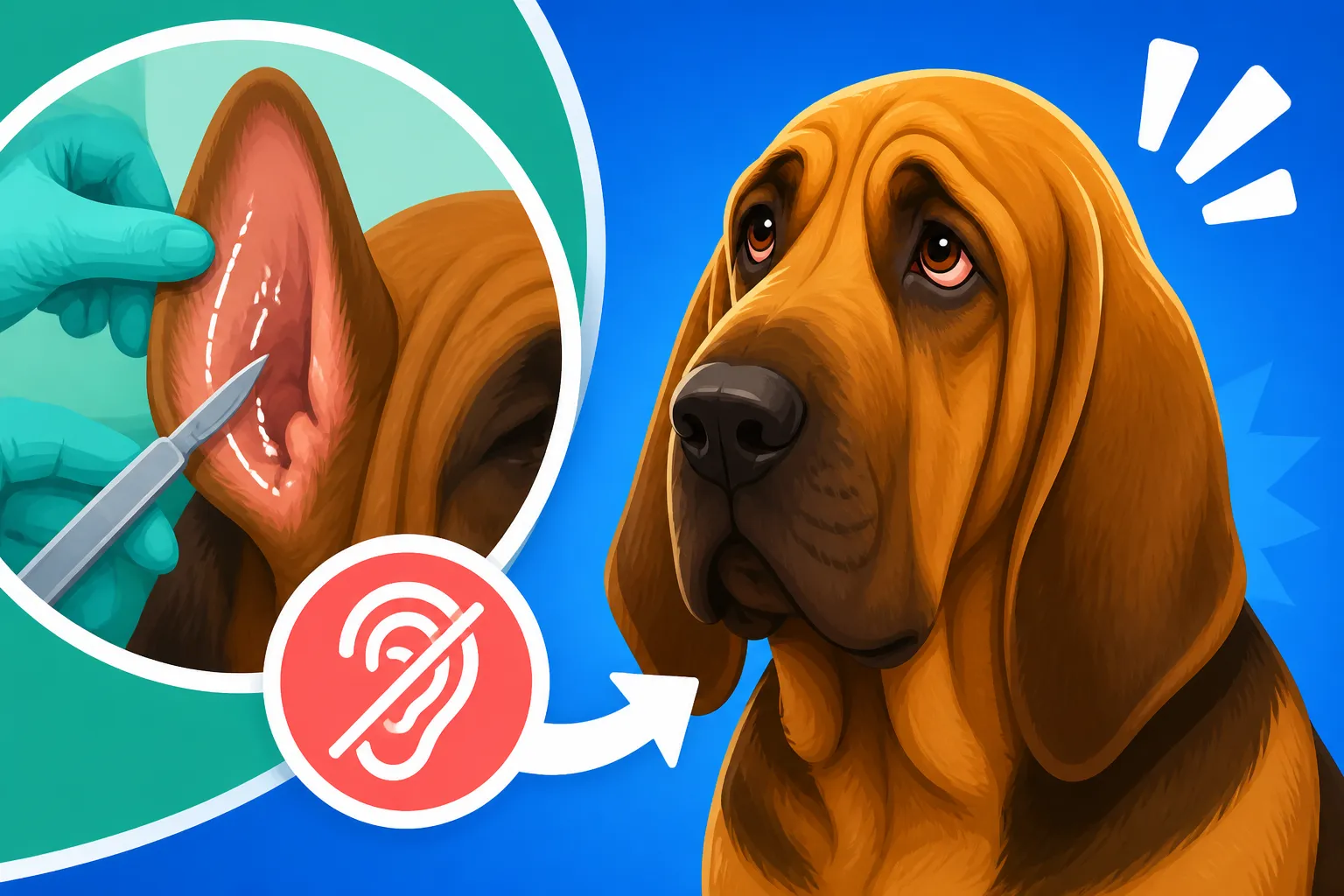
This is the big one, the surgery that directly addresses the concern about hearing loss. A Total Ear Canal Ablation (TECA) with a Bulla Osteotomy (BO) is performed when the entire ear canal – both vertical and horizontal – is severely and irreversibly diseased, scarred, or infected. This procedure is usually reserved for the most extreme cases, where other treatments and surgeries have failed, or the disease is too advanced to be managed by less invasive means.
During a TECA, the surgeon completely removes the entire ear canal, right down to the eardrum. Because the eardrum and the structures responsible for conducting sound to the inner ear are removed, a Bloodhound will indeed experience complete hearing loss in the ear that undergoes this surgery. This is an expected and unavoidable outcome. The bulla osteotomy (BO) part of the procedure involves opening the bony structure behind the eardrum (the tympanic bulla) to remove any infection or debris present in the middle ear. This ensures that the source of infection is entirely cleared, preventing further pain and complications.
While the prospect of hearing loss can be devastating for an owner, it's crucial to understand that for a Bloodhound enduring chronic, debilitating ear pain, a TECA/BO often leads to a dramatically improved quality of life. Imagine living with a constant, throbbing headache; losing hearing in one ear might be a small price to pay for finally being pain-free. For a dog that has been suffering from When a Bloodhound's Ear Infection Becomes Permanent, this surgery can be life-changing.
Here's a quick comparison of the surgical options and their general impact on hearing:
| Surgical Procedure | Purpose | Extent of Disease Treated | Expected Hearing Impact |
|---|---|---|---|
| Lateral Ear Wall Resection (LEW) | Improve ventilation, drainage, and ease of cleaning | Outer vertical ear canal disease | Minimal to none |
| Vertical Ear Canal Ablation (VECA) | Remove severely diseased vertical canal, preserve horizontal | Vertical ear canal disease, moderate stenosis | Slight reduction in affected ear |
| Total Ear Canal Ablation (TECA/BO) | Remove entire diseased ear canal and clear middle ear infection | Severe, irreversible disease of entire ear canal/middle ear | Complete loss in affected ear (unilateral if one ear) |
Life After Ear Surgery: What to Expect and How to Adapt
The decision to go through with ear surgery is a big one, and the recovery process, especially from a TECA/BO, requires patience and dedication. But the transformation in a dog that was once suffering can be remarkable.
Immediate Post-Operative Care and Recovery
After any ear surgery, your Bloodhound will need a period of careful recovery. They will likely go home with pain medication, antibiotics, and an Elizabethan collar (the dreaded "cone of shame") to prevent them from scratching or rubbing at the incision site. Incision care is critical; you'll need to keep the area clean and dry, monitoring for any signs of infection or swelling. Your vet will provide specific instructions for medication administration and wound checks.
For a TECA/BO, the recovery can be more involved. The surgical site will be quite delicate, and your Bloodhound might initially feel disoriented or off-balance due to the changes in their inner ear structures (which also play a role in balance). This usually resolves as they heal and adapt. They will need a quiet, comfortable space to rest and recover. Regular follow-up appointments with your vet are essential to ensure proper healing and address any concerns. This is also a time when having pet insurance, like a policy from Healthy Paws, can really alleviate the financial stress of follow-up visits and medications, allowing you to focus on your hound's recovery.
Adapting to Changes in Hearing
If your Bloodhound undergoes a TECA/BO on one ear, they will still have hearing in their other ear, assuming it's healthy. Dogs are incredibly adaptable, and many learn to compensate remarkably well. You might notice them tilting their head more to direct their good ear towards sounds, or they might not respond as quickly if the sound comes from their deaf side.
If both ears require TECA/BO procedures (which can happen, though often staggered), your Bloodhound will be completely deaf. This is a significant adjustment for both you and your dog, but it is by no means the end of their happy, fulfilling life. Dogs rely on many senses beyond hearing. Their nose, of course, is paramount for a Bloodhound! They also rely heavily on sight, vibrations, and your body language.
You'll need to make some adjustments:
- Visual Cues: Start using hand signals for commands like "sit," "stay," and "come." These can be taught relatively easily with positive reinforcement.
- Vibrations: Stomp your foot on the floor to get their attention before approaching them from behind, or use a vibrating collar (not a shock collar!) as a gentle cue.
- Safety: Always keep your deaf Bloodhound on a leash when outside a securely fenced area. They won't hear approaching cars or other dangers. A long line can still allow them to enjoy sniffing while keeping them safe, without needing to worry about Why Recall Fails on a Bloodhound Outdoors.
- Waking Them Up: Approach them gently, letting them see you, or touch them lightly on a non-sensitive area like their shoulder.
The transition requires patience and understanding, but many owners report that their dogs become even more attuned to their human companions after losing hearing, relying more on eye contact and physical cues.
Supporting Your Bloodhound's Quality of Life
The overarching goal of ear surgery, especially a TECA/BO, is to eliminate chronic pain and infection. Even with complete hearing loss in one or both ears, the vast majority of Bloodhounds who undergo this surgery experience a profound improvement in their overall well-being. They become happier, more playful, and often regain their former personalities once the constant discomfort is gone.
Your Bloodhound can still enjoy walks, scent work (their nose is still amazing!), playtime, and snuggles. Their unique sense of smell is their superpower, and that remains fully intact. You’ll be able to tell the difference in their demeanor – a hound free from persistent pain is a hound that can truly thrive. While the cost of specialized procedures like this can be high, knowing What a Total Ear Canal Ablation Means for a Bloodhound in terms of relief often makes it a worthwhile investment in their happiness. If you are concerned about the financial burden, companies like Healthy Paws offer pet insurance plans that can cover a significant portion of unexpected veterinary expenses, including major surgeries. This can be a real lifeline for managing The Standing Cost of a Bloodhound's Ears.
Preventing Severe Ear Disease in Your Bloodhound
While sometimes severe ear issues are unavoidable due to genetics or anatomical predispositions, proactive care can go a long way in preventing your Bloodhound from ever needing complex ear surgery. Prevention is always better than cure, especially when it comes to the painful reality of ear infections.
The Cornerstone: Regular Cleaning and Inspection
This cannot be stressed enough: consistent, thorough ear care is paramount for Bloodhounds. You should be inspecting and cleaning your Bloodhound’s ears at least once a week, if not more frequently, especially if they’ve been swimming or playing in wet environments. Use a veterinarian-approved ear cleaner specifically designed for dogs.
To clean, gently lift the ear leather, apply the cleaner into the canal (don’t be shy, you need to fill it up!), and massage the base of the ear for about 30 seconds to help break up debris. Then, use cotton balls or gauze to wipe out any visible dirt or excess cleaner. Never use cotton swabs inside the ear canal, as this can push debris further in and potentially damage the eardrum. Make sure to dry the inner ear folds and the ear canal opening thoroughly after cleaning. This routine is so vital, many owners make it a ritual, like those who diligently follow advice on Cleaning a Bloodhound's Ears Every Week for Life.
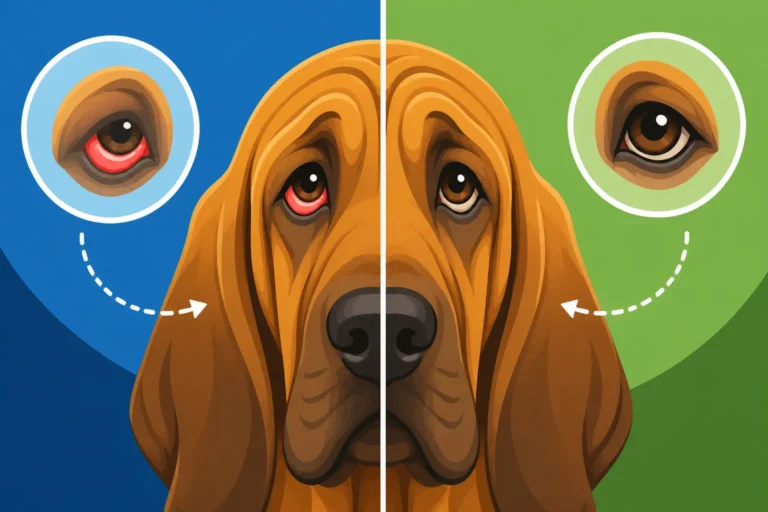
Regular inspection also means knowing what a healthy Bloodhound ear looks and smells like. It should be relatively clean, pale pink, and have a mild, yeasty smell (if any at all). Redness, swelling, a strong foul odor, excessive discharge (especially dark brown or yellow), head shaking, or scratching are all red flags indicating a potential infection that needs immediate attention. You might be surprised How Often a Bloodhound Gets an Ear Infection, but staying on top of it can prevent it from escalating.
Early and Aggressive Veterinary Intervention
As soon as you notice any signs of an ear infection, contact your veterinarian. Don't try to treat it yourself with over-the-counter remedies, as you could worsen the problem or delay appropriate treatment, making the infection harder to clear. Your vet can properly diagnose the type of infection (yeast, bacteria, or both) and prescribe the correct medication.
Early intervention is critical in preventing chronic issues. Untreated or inadequately treated infections can lead to the scarring and narrowing of the ear canal that eventually necessitates surgery. If your vet prescribes ear drops or oral medication, follow the instructions precisely, even if the ear seems to improve before the medication is finished. Stopping treatment too soon is a common reason for infections to recur and become resistant. Sometimes, a full ear flush under sedation might be needed to properly clean a severely impacted ear canal, especially when the ear canal is closing (Whether a Bloodhound's Ear Canal Can Close Permanently) due to chronic inflammation.
Addressing Underlying Causes: Allergies and Diet
While anatomical factors are significant, many Bloodhounds with chronic ear infections also have underlying allergies – either environmental (like pollen or dust mites) or food-related. These allergies cause systemic inflammation, which can manifest as itchy, inflamed ears, setting the stage for secondary infections.
Working with your vet to identify and manage allergies can be a game-changer. This might involve:
- Dietary Trials: Switching to a novel protein or hydrolyzed protein diet under veterinary guidance to rule out food allergies.
- Environmental Allergy Management: Medications, immunotherapy (allergy shots), or simply reducing exposure to known allergens.
- Supplements: Omega-3 fatty acids can help reduce inflammation and improve skin and ear health.
Addressing these underlying causes can significantly reduce the frequency and severity of ear infections, potentially sparing your Bloodhound from the pain and the need for surgery. Investing in preventative care and managing chronic conditions can ultimately be more cost-effective and certainly much kinder to your dog than waiting until surgery is the only path left.
Disclaimer
This article is intended for informational purposes only and does not constitute veterinary advice. Always consult with a qualified veterinarian for any health concerns or before making any decisions about your Bloodhound's care, especially regarding surgical procedures.