Whether a Bloodhound’s Ear Canal Can Close Permanently
If you're a Bloodhound owner, you already know that their magnificent, floppy ears are often a source of endless charm – and just as often, a source of endless worry. The truth is, chronic ear infections aren't just a nuisance; they're a relentless battle that, left unchecked, can lead to serious, irreversible damage, including the actual closure of your beloved hound's ear canals. This guide is here to walk you through what happens when a Bloodhound's ear issues become permanent and what options are available when you reach that difficult crossroads.
The Unique Vulnerability of a Bloodhound's Ears
Owning a Bloodhound means accepting a certain level of commitment to ear care. Their ears, while iconic, are fundamentally designed in a way that makes them highly susceptible to problems. It's not a flaw in the breed, but a consequence of their incredible scenting abilities, and it places a significant burden on owners to keep them healthy.
Anatomy That Invites Trouble
The Bloodhound's ear structure is a double-edged sword. First, you have those wonderfully long, heavy ear leathers. These hang down, completely covering the ear canal opening. While fantastic for sweeping scent towards their nose as they track, this design creates a warm, dark, and most importantly, damp environment inside the ear. Airflow is severely restricted, meaning moisture, whether from cleaning, swimming, or even just humidity in the air, gets trapped. This is precisely Why a Bloodhound's Ear Canal Stays Damp, and it’s the perfect incubator for opportunistic pathogens.
Secondly, the ear canal itself is long and convoluted, with a sharp bend (the vertical and horizontal canals). This makes it incredibly difficult for debris, wax, and discharge to naturally exit the ear. Instead, everything tends to accumulate deep inside. This combination of trapped moisture and accumulated gunk provides an ideal breeding ground for bacteria and yeast, which are the primary culprits behind those all-too-frequent ear infections. It’s no wonder that for a Bloodhound, A Bloodhound's Ears Are a Standing Infection Risk.
The Relentless Cycle of Infection and Inflammation
It often starts innocently enough. You might notice your Bloodhound shaking their head a bit more, or perhaps scratching vigorously at an ear. A quick sniff confirms that tell-tale yeasty or sour odor. You might see some redness or discharge when you lift their ear leather. This is the beginning of an acute ear infection, or otitis externa. For many Bloodhound owners, this is a familiar scenario, and you might wonder How Often a Bloodhound Gets an Ear Infection in their lifetime. The answer is, often more than you'd like.
If these infections are treated promptly and correctly, many will resolve. However, the chronic predisposition, combined with the difficulty of complete eradication due to the ear's structure, often means the infections return. Each bout of infection brings with it inflammation. This isn't just superficial redness; it's a deep, tissue-level response where the lining of the ear canal swells, thickens, and can even change its cellular structure. This constant irritation isn't just uncomfortable; it's actively remodeling the ear canal, slowly but surely making it narrower and less healthy with each recurring episode.
The Insidious Progression to Chronic Ear Disease
What many owners initially see as recurring, manageable ear infections can, over time, escalate into a far more serious condition known as chronic otitis. This isn't just a series of infections; it's a persistent state of inflammation and infection that actively damages the ear canal, making it harder and harder to treat.
When Acute Becomes Chronic
The tipping point from acute to chronic ear disease often feels gradual, almost imperceptible. You might find yourself at the vet's office more frequently, trying different ear drops, oral antibiotics, or anti-inflammatories. Perhaps the infections seem to clear up only to rebound weeks later, or they never fully resolve, leaving a low-grade irritation always present. This pattern is often a sign that the underlying issues – the anatomical predispositions, potential allergies, or even antibiotic resistance – haven't been adequately addressed.
It's a frustrating dance, as you diligently follow instructions for Cleaning a Bloodhound's Ears Every Week for Life and administer medication, only to feel like you're constantly fighting a losing battle. Your vet might even start suggesting more advanced diagnostics, like ear cultures, deep cleaning under sedation, or allergy testing, because the standard approaches just aren't cutting it anymore. This is often the stage where you begin to realize that for your Bloodhound, When a Bloodhound's Ear Infection Becomes Permanent is a real possibility, not just a dire warning.
The Irreversible Changes Within the Ear Canal
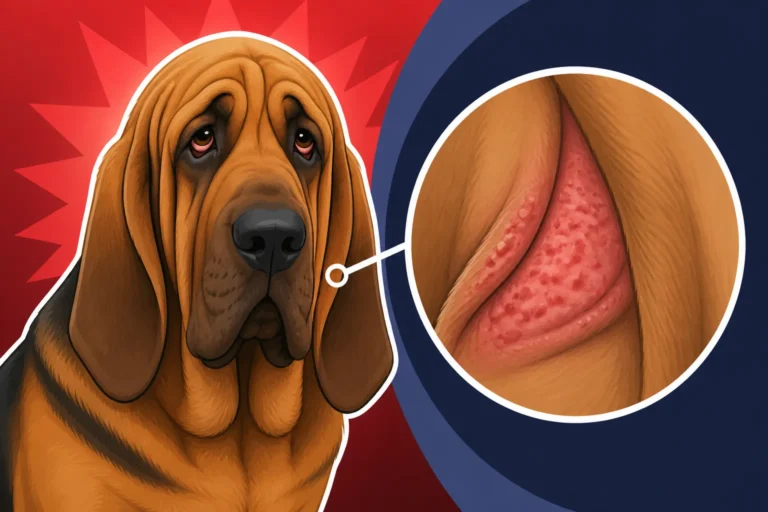
The sustained inflammation that characterizes chronic otitis causes profound changes to the tissues lining the ear canal. Initially, the lining might just swell, but over time, it begins to thicken and harden. This process is called hyperplasia, where the cells multiply excessively, leading to a much thicker, leathery canal wall. Glands within the ear canal that produce wax also become overactive and then eventually atrophy, leading to a build-up of abnormal, often calcified, debris.
Imagine trying to clear a clogged drain that’s slowly collapsing in on itself. That’s what’s happening inside your Bloodhound’s ear. As the walls thicken and become fibrotic, the ear canal physically narrows. This narrowing is called stenosis. In severe cases, calcium deposits can form, essentially turning portions of the cartilage of the ear canal into bone, making the canal rigid and even more constricted. At this point, topical medications, even the strongest ones, can no longer penetrate the affected areas to deliver therapeutic doses, rendering medical treatment largely ineffective. The ear canal is literally closing, making it a dead end for both air and medication.
When the Ear Canal Physically Closes: End-Stage Stenosis
The phrase "permanently closed ear canal" sounds daunting, and it is. This is the unfortunate culmination of untreated or unresponsive chronic otitis, leading to a condition known as end-stage ear disease. It's a point where the physical structure of the ear has been so severely compromised that conventional medical treatments are no longer viable.
Defining Permanent Closure: Irreversible Changes
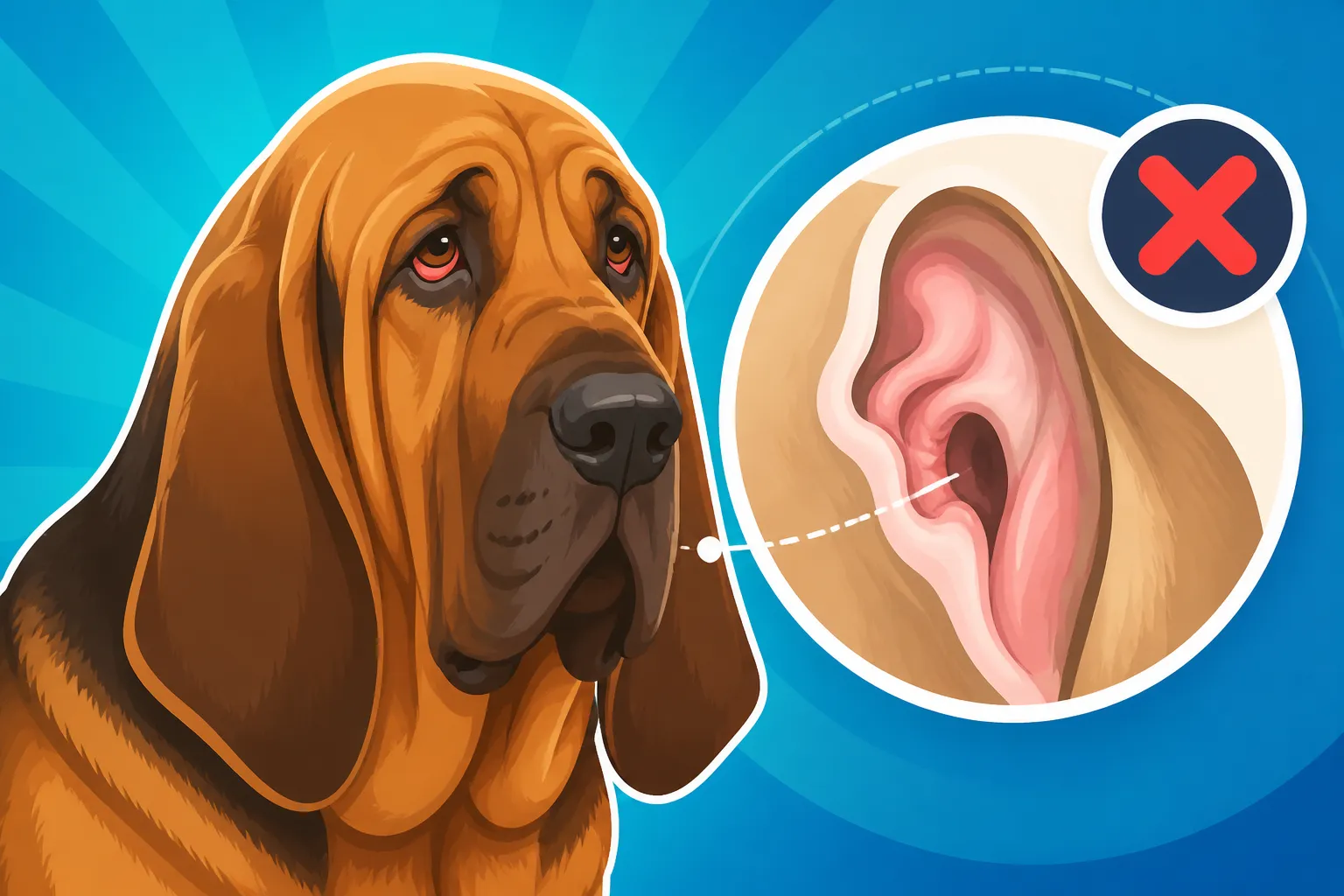
When we talk about a Bloodhound's ear canal closing permanently, we're not talking about a temporary blockage of wax or swelling that can be flushed out. We're referring to irreversible structural changes where the ear canal has become so severely stenotic (narrowed) and fibrotic (hardened with scar tissue) that it's effectively sealed off. The once flexible, open tube has been replaced by a dense, calcified, and often completely obstructed passage. This isn't something that can be reversed with medication or even a deep clean under anesthesia. The tissue itself has undergone a transformation, making it impossible for sound to travel normally or for the ear to self-clean in any way.
At this stage, your Bloodhound isn't just uncomfortable; they are likely in chronic, significant pain. The internal pressure and constant infection are immense. They may be totally deaf in the affected ear, not because of nerve damage (though that can happen too), but simply because sound waves cannot reach the eardrum through the obstructed canal. This level of disease isn't just about managing symptoms; it's about addressing a severe compromise to their quality of life.
The Frustration of Medical Management Failure
For owners who have invested countless hours, emotional energy, and significant financial resources into managing chronic ear infections, reaching the point of permanent closure can be incredibly disheartening. You've tried everything – specialized cleaners, expensive prescription drops, oral medications, dietary changes, and perhaps even consultations with veterinary dermatologists. Yet, despite your best efforts, the ear has continued its relentless decline.
This is the point where the frustration often boils over. You might feel guilty, wondering if you could have done more or done something differently. It's important to remember that Bloodhounds are predisposed to these issues, and sometimes, despite diligent care, genetics and the stubborn nature of the disease win out. When the ear canal is calcified and closed, even the most potent antibiotics or anti-inflammatory drugs simply cannot reach the infection site. They can't penetrate the hardened tissue, making treatment akin to pouring water on a sealed bottle. Your veterinarian will likely explain that continuing medical management at this stage is futile, and the focus must shift to surgical options to alleviate pain and prevent further suffering.
Total Ear Canal Ablation (TECA): The Surgical Solution
When a Bloodhound's ear canal reaches end-stage disease and closes permanently, Total Ear Canal Ablation (TECA) with Bulla Osteotomy often becomes the only viable path to providing true relief and a better quality of life. It sounds drastic, and it is, but for many dogs, it's a life-changing procedure.
What TECA Involves
Total Ear Canal Ablation (TECA) is a highly specialized surgical procedure where the entire diseased ear canal, from the outside opening right down to the middle ear, is completely removed. This includes all the diseased and calcified tissue that has caused the chronic pain and infection. Alongside the TECA, a Bulla Osteotomy (BO) is typically performed. The bulla is a bony cavity in the skull that forms part of the middle ear. During the BO, the diseased lining and any accumulated infection within this bony cavity are carefully cleaned out to ensure no pockets of infection remain.
This surgery effectively removes the problem altogether. There is no longer an ear canal to get infected, to swell, or to cause pain. It's a complex and delicate procedure, requiring a skilled veterinary surgeon, often a specialist, due to the intricate anatomy of the ear and its proximity to vital nerves and structures. The aim is not to restore hearing, but to eliminate the source of chronic pain and recurrent infection, which dramatically improves the dog's comfort and well-being.
When TECA Becomes Necessary
The decision to proceed with TECA is a significant one and is usually reserved for cases of severe, end-stage chronic otitis that have failed all other medical management. It's typically recommended when:
- The ear canal is permanently closed or severely stenotic due to fibrous tissue and/or calcification, making medical treatment impossible.
- The dog is experiencing chronic, intractable pain despite pain medication.
- Recurrent, deep-seated infections are unresponsive to antibiotics, often due to antibiotic resistance or inability for drugs to penetrate.
- There's evidence of middle ear involvement (otitis media), which can lead to more severe complications if left untreated.
- The overall quality of life for the Bloodhound is severely impacted by the constant discomfort, head shaking, and scratching.
It's a last resort, yes, but for many Bloodhounds suffering from debilitating ear disease, it's the only way to truly stop the suffering. The transformation in dogs post-TECA can be profound, as they are finally freed from constant pain and discomfort. You can learn more about What a Total Ear Canal Ablation Means for a Bloodhound.
Post-Surgical Recovery and Expectations
Recovery from TECA/BO is a journey. Your Bloodhound will require diligent post-operative care, including pain management, antibiotics, and strict activity restriction. The incision site will need to be kept clean and dry, and an Elizabethan collar will be essential to prevent scratching or self-trauma. The initial few weeks involve healing from the surgery itself, which can be uncomfortable, but the relief from the chronic ear pain is usually evident relatively quickly.
One of the most common questions is, Whether a Bloodhound Loses Hearing After Ear Surgery. The answer is yes, they will lose hearing in the operated ear, as the entire ear canal has been removed. However, in most cases where TECA is indicated, the ear is already functionally deaf due to the chronic disease and obstruction. Many Bloodhounds adapt remarkably well, especially if the other ear has good hearing. Their incredible sense of smell often compensates significantly. The goal is to trade chronic pain for a pain-free life, even if it means sacrificing an already compromised sense of hearing.
Preventative Care and Long-Term Management Strategies
While facing a permanently closed ear canal and considering major surgery is a heavy prospect, many chronic ear issues can be prevented or managed effectively with diligent care. Understanding the commitment required can save your Bloodhound from significant pain and expense down the line.
Diligent Cleaning Routines Are Key
For Bloodhounds, regular ear cleaning isn't just about hygiene; it's a critical preventative health measure. Their anatomy demands it. You should be performing ear cleaning at least weekly, if not more often, especially if your dog loves to swim or spends a lot of time in damp environments. Use a veterinary-approved ear cleaner, like those recommended by your vet, which are designed to dry the ear canal and help break down wax. Gently massage the base of the ear to help loosen debris, then allow your Bloodhound to shake their head. Afterwards, wipe away any accessible debris from the outer ear and the opening of the canal with a cotton ball or gauze.
It's crucial to be thorough but gentle, and never use cotton swabs (Q-tips) deep inside the ear canal, as this can push debris further in and even damage the eardrum. If you're unsure about the proper technique, ask your vet or vet tech for a demonstration. Consistent, proper cleaning helps to maintain a healthy ear environment, reducing the build-up of moisture and debris that lead to infection. Detailed guidance on How Often a Bloodhound's Ears Need Cleaning is invaluable for new owners.
Identifying Early Signs of Trouble
Being proactive is paramount. Don't wait until your Bloodhound is in obvious distress before addressing ear issues. Early intervention can prevent an acute infection from spiraling into chronic disease. Keep a watchful eye (and nose!) for these subtle signs:
- Subtle head shaking or scratching: Even if it's just occasional.
- Redness or swelling: A quick peek under the ear leather can reveal this.
- Unusual odor: That distinct "yeasty" or "sour" smell is often the first giveaway.
- Discharge: Waxy, brown, yellow, or black discharge.
- Sensitivity: Your Bloodhound might flinch or whine when you touch their ears.
- Rubbing ears on furniture or the floor.
- Changes in behavior: Lethargy, irritability, or reluctance to play.
If you notice any of these signs, don't try to self-diagnose or treat with old medications. Contact your veterinarian promptly. Early diagnosis and appropriate treatment are essential to prevent the progression of disease and the potential for the ear canal to close permanently.
The Role of Diet and Allergies
Many chronic ear infections in Bloodhounds, particularly those that are recurrent or don't respond well to treatment, have an underlying cause: allergies. Environmental allergies (to pollen, dust mites, molds, etc.) and food allergies can both manifest as skin inflammation, and a dog's ears are essentially an extension of their skin. If your Bloodhound has chronic ear problems, your vet might recommend investigating potential allergies through dietary trials or allergy testing. Managing allergies effectively, often through specialized diets, antihistamines, or immunotherapy, can significantly reduce the frequency and severity of ear infections.
Beyond allergies, a balanced, high-quality diet supports overall immune health, which in turn helps your Bloodhound's body fight off infections more effectively. Discuss nutritional needs with your veterinarian, especially if your Bloodhound is prone to chronic inflammation.
Financial Considerations for Chronic Ear Issues
Let's be realistic: chronic ear problems can be a significant financial drain. From countless vet visits, cultures, various ear drops, and oral medications to potential sedated ear flushes and ultimately, costly surgeries like TECA, the bills can add up rapidly. A single ear infection might not seem like much, but when they become chronic, What a Bloodhound's Ear Infection Costs to Treat can quickly escalate into hundreds or thousands of dollars annually. The average cost for ear canal surgery, like a TECA, can easily run into the thousands per ear. You can expect The Standing Cost of a Bloodhound's Ears to be a persistent budget line item.
This is where pet insurance can be a literal lifesaver. Companies like Healthy Paws offer comprehensive plans that can cover a significant portion of these recurring veterinary expenses and even major surgeries like TECA, as long as the condition isn't pre-existing when you enroll. Having a good pet insurance policy, such as one from Healthy Paws, in place before your Bloodhound develops chronic conditions can provide immense peace of mind and allow you to make medical decisions based on what's best for your dog, rather than solely on your wallet. Always review policy details carefully to understand coverage, deductibles, and reimbursement rates. While Healthy Paws might not cover an existing condition, they are excellent for new ones or accidents.
| Feature | Medical Management (for chronic otitis) | Surgical Intervention (TECA/BO) |
|---|---|---|
| Purpose | Control infection, reduce inflammation, manage pain | Eliminate source of infection/pain, improve comfort |
| Stage of Disease | Mild to moderate chronic otitis, before irreversible closure | End-stage otitis, permanent canal closure, failed medical management |
| Cost | Recurring, ongoing (meds, vet visits, cultures) | Significant upfront cost (thousands per ear) |
| Effectiveness | Decreases over time as canal narrows; not curative | Highly effective in resolving chronic pain/infection |
| Recovery | Minimal, continued maintenance | Intensive post-operative care (weeks) |
| Hearing Impact | May be reduced due to inflammation/debris | Complete hearing loss in affected ear |
| Long-term Outlook | Often a lifelong battle, potential for relapse | Pain-free existence, no further ear canal infections |
| Risk Factors | Medication side effects, antibiotic resistance | Anesthesia risks, surgical complications (e.g., facial nerve paralysis) |
Remember, your Bloodhound relies on you to advocate for their health. Staying informed, maintaining consistent preventative care, and not hesitating to seek professional veterinary advice when issues arise are the best ways to protect those precious, scent-sweeping ears from permanent closure.
Disclaimer
This article is intended for informational purposes only and does not constitute medical advice. Always consult with a qualified veterinarian for any health concerns or before making any decisions about your Bloodhound's care.