Whether a Gastropexy Scar Bothers a Bloodhound
One of the biggest worries we Bloodhound owners face after our big dogs go through something as significant as a gastropexy is whether they'll truly be comfortable afterward. It's not just about the immediate recovery from surgery; it's about the lasting impact, particularly the scar. You look at that incision site, initially raw and then healing into a firm line, and you can't help but wonder: will this scar bother my beloved Bloodhound for the rest of their life? This guide is here to shed light on that common concern, reassuring you and giving you the knowledge to ensure your hound lives its fullest, most comfortable life post-gastropexy.
Understanding the Gastropexy Procedure in Bloodhounds
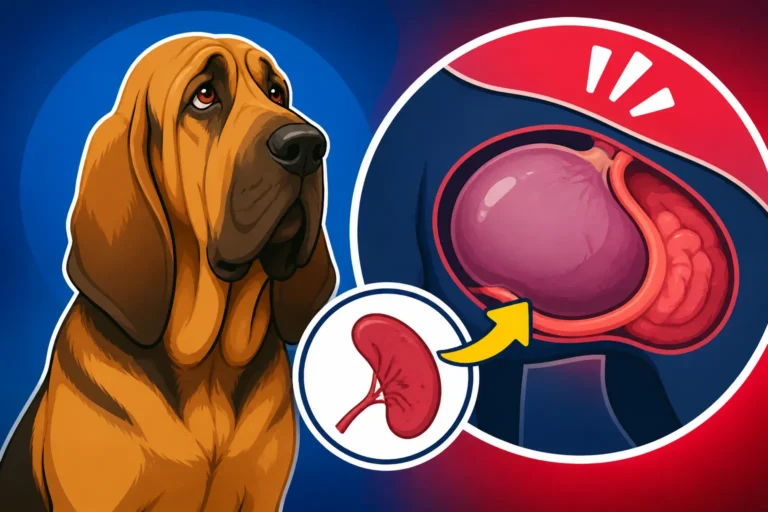
Bringing a Bloodhound into your life means understanding their unique health challenges, and few are as critical or as terrifying as bloat, medically known as Gastric Dilatation-Volvulus (GDV). It's a condition where the stomach fills with gas and then twists, cutting off blood supply and becoming rapidly fatal. This is why many of us choose to get a gastropexy for our Bloodhounds, a preventive surgery designed to secure the stomach to the abdominal wall, significantly reducing the risk of a fatal twist.
Why a Gastropexy is Performed
The decision to have a gastropexy performed is often driven by the stark reality of bloat. Bloodhounds, with their deep, narrow chests, are particularly predisposed to this life-threatening emergency. Imagine the terror of seeing your normally boisterous hound suddenly pacing, retching unsuccessfully, and showing signs of extreme discomfort. It’s a race against the clock, and even with emergency surgery, the outcome isn't guaranteed. A gastropexy acts as a crucial safety net, vastly increasing the chances of survival if bloat were to occur, because while it doesn't prevent the stomach from dilating, it does prevent the twist that makes GDV so deadly. This procedure is a proactive measure that offers profound peace of mind, knowing you've done everything possible to protect your hound from this silent killer. The conversation around The Gastropexy Decision Every Bloodhound Owner Faces is a serious one for any responsible owner.
The Different Types of Gastropexy
Over the years, veterinary medicine has refined the gastropexy procedure, offering a couple of primary approaches. The traditional open abdomen approach involves a larger incision, allowing the surgeon direct visualization and manipulation to permanently adhere the stomach to the body wall. This is a very robust method, but it comes with a longer recovery time due to the size of the incision. Then there's the laparoscopic gastropexy, which is far less invasive. This method uses small incisions through which a camera and specialized instruments are inserted. It creates a smaller, but still effective, attachment. Many owners are curious Whether a Laparoscopic Gastropexy Suits a Bloodhound due to its less invasive nature. Each method has its pros and cons regarding cost, recovery, and scar size, but both aim for the same life-saving outcome. Ultimately, the choice often depends on your veterinarian's expertise, the resources available at your clinic, and your hound's specific health profile.
What the Surgery Entails
Regardless of the technique used, a gastropexy involves carefully attaching a section of the stomach wall to the inner abdominal wall. During an open gastropexy, a portion of the stomach's outer layer is usually incised or abraded, and then sutured to the abdominal wall muscles. This creates an inflammatory response that, as it heals, forms a strong, permanent adhesion. For a laparoscopic procedure, a similar adhesion is encouraged, but through smaller access points, often with the aid of a stapling device or sutures.
The goal is always to create a bond that will prevent the stomach from twisting in the future. After the procedure, your Bloodhound will need a period of careful recovery, often involving pain management and restricted activity, which typically lasts a couple of weeks. Understanding How Long a Bloodhound Takes to Recover From a Gastropexy is key to preparing for this post-operative period. The incision, whether large or small, is meticulously closed, and it's this site that will eventually form the scar we often worry about.
The Healing Process and Scar Formation
The journey from a surgical incision to a healed scar is a gradual one, and it's natural to be concerned about your Bloodhound's comfort throughout this process. Scars are a natural part of healing, but their appearance and how they affect your dog can vary.
Initial Post-Operative Care and Discomfort
Immediately after a gastropexy, your Bloodhound will likely experience some discomfort and pain at the incision site, just like any human would after surgery. Veterinarians are excellent at managing this with a combination of pain medications, anti-inflammatories, and sometimes even local nerve blocks. You'll need to keep the incision clean and dry, preventing your hound from licking, chewing, or scratching at it, which often means an "e-collar" (the cone of shame) or a protective surgical suit. It's during this initial phase that the body is working hard to close the wound, forming granulation tissue and beginning the collagen deposition that will become the scar. Swelling and redness are common, but these should gradually subside. Your vet will provide specific instructions for post-op care, including guidance on activity restriction and What a Bloodhound Eats After Bloat Surgery to ensure proper healing and minimize complications. Many pet parents find that having a robust pet insurance plan, like those offered by Healthy Paws, can significantly ease the financial burden of these critical care steps.
How a Scar Forms and Matures
A scar is essentially the body's way of repairing damaged skin and tissue. Initially, the incision will be red, raised, and sometimes a bit firm. This is the acute phase of healing, where collagen fibers are laid down in a somewhat disorganized fashion to close the wound. Over the next several weeks to months, this scar tissue will mature. The redness will typically fade, the raised texture will flatten, and the scar will become softer and less prominent. However, scar tissue is never quite the same as the original skin. It might be less elastic, have a different texture, or be hairless. For most Bloodhounds, the scar will settle into a thin, pale line that is largely unnoticed, especially given their short coat. The maturation process is continuous, and a scar that initially looks quite prominent can soften and blend over many months.
Common Scar Appearances on Bloodhounds
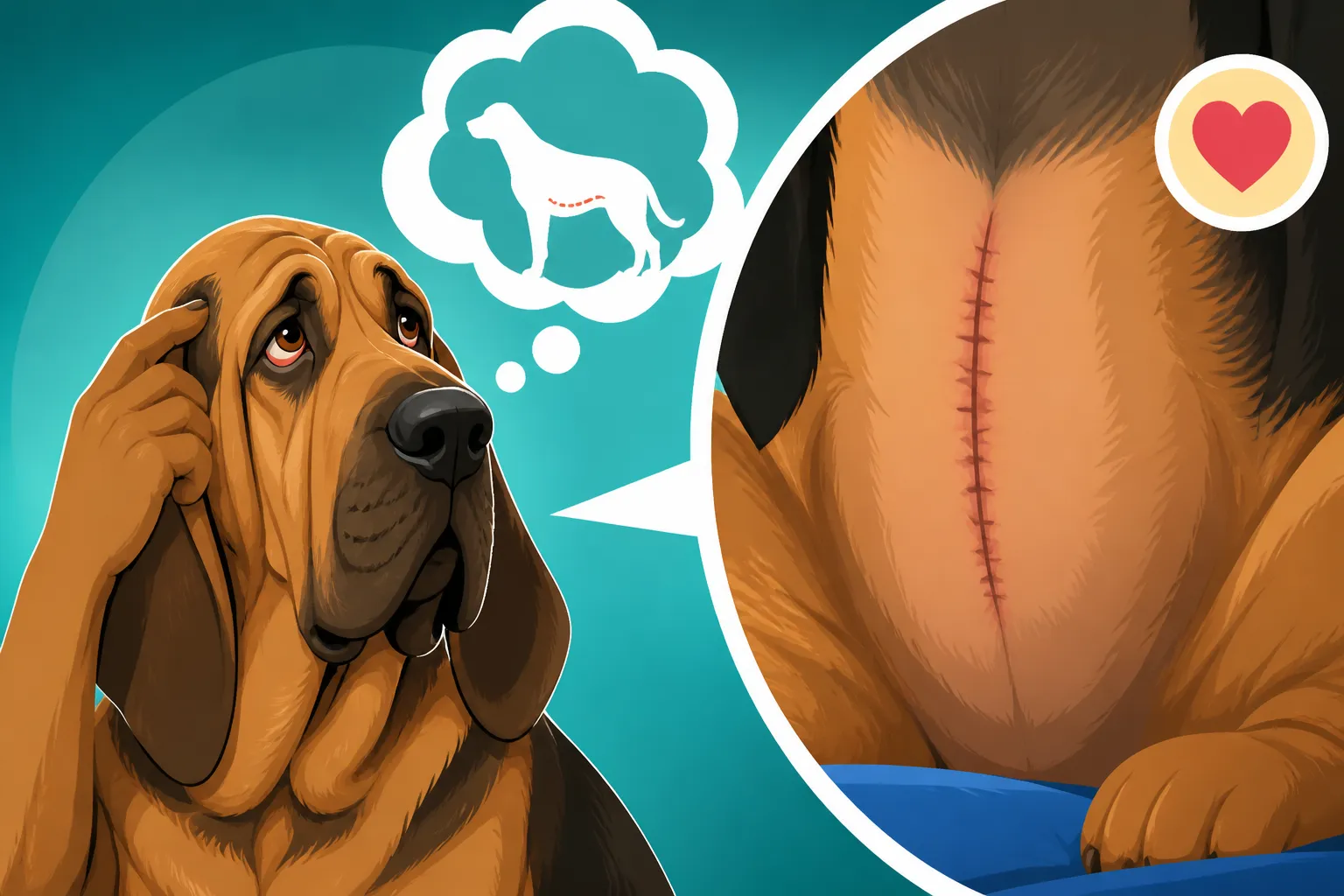
Bloodhound coats are generally short and dense, which means a gastropexy scar, particularly from an open procedure, might be more visible than on a longer-haired breed. You'll typically see a linear scar on their underside, usually along their belly button area. From an open gastropexy, it might be a few inches long; from a laparoscopic one, it will be several smaller, dime-sized scars.
The skin around the incision may feel a little tighter or firmer than the surrounding tissue. Some Bloodhounds might develop a slightly hypertrophic scar, which is a raised, thicker scar that remains within the boundaries of the original incision. Keloids, which are scars that grow beyond the original wound, are much rarer in dogs than in humans but can occur. In general, the goal is for the scar to be flat, pliable, and well-hidden by their coat, causing no functional or aesthetic problems. If you're observing an unusual scar appearance, it's always best to consult your vet.
Addressing a Bloodhound's Comfort with a Gastropexy Scar
The ultimate question remains: does the scar actually bother them? For the vast majority of Bloodhounds, once the initial healing is complete, the gastropexy scar itself doesn't cause any ongoing discomfort. However, there are nuances to this, and it's important to be vigilant.
Physical Sensations: Itching, Tightness, and Numbness
Just like human scars, a Bloodhound's gastropexy scar can sometimes lead to altered sensations. Itching is a common complaint with healing scars across species, and your dog might occasionally scratch or lick the area, especially as the hair starts to grow back. This is usually mild and temporary. Some owners report a feeling of tightness or a slight pulling sensation if the scar is in an area of high movement, but again, this usually resolves as the scar matures and becomes more elastic. Nerve damage during surgery can also lead to areas of numbness around the scar, which your Bloodhound might not even notice, or it could feel unusual to them. These sensations are generally not problematic enough to cause persistent distress, but if you notice your Bloodhound excessively focused on the area, it warrants a closer look.
Behavioral Indicators of Discomfort
While most Bloodhounds adapt readily, it's our job as vigilant owners to observe for any signs that a scar might be bothering them. Persistent licking, chewing, or rubbing at the scar site is a definite red flag. This could indicate itching, pain, or even an underlying infection. Dogs might also adopt unusual postures or show reluctance to engage in activities they once enjoyed, like running, jumping, or even stretching out fully, if the scar feels tight or painful. A change in temperament, such as increased irritability or sensitivity when touched near the scar, would also be a strong indicator of discomfort. If you suspect your Bloodhound is having issues, don't hesitate to contact your vet. Early intervention can prevent minor irritation from escalating into a more serious problem. Remember, insurance providers like Healthy Paws are there to help cover unexpected veterinary expenses, including those related to surgical complications.
Long-Term Scar Management and Monitoring
Once the gastropexy scar has fully healed and matured, long-term management is usually minimal. Regular inspection of the scar during grooming or petting sessions is a good habit. Look for any changes in color, texture, swelling, or heat, which could signal an issue. Keeping the skin around the scar clean and moisturized (with vet-approved products, of course) can help maintain its elasticity and prevent dryness or irritation. For those rare cases where a scar is persistently bothersome due to excessive thickness or tightness, your vet might recommend specific topical treatments or even a scar revision procedure. The goal is always to ensure your Bloodhound remains happy and active, with their gastropexy scar being nothing more than a faint reminder of a life-saving procedure. After all, the procedure itself gives your hound a much better chance at life, as discussed in What a Preventive Gastropexy Does for a Bloodhound.
When to Seek Veterinary Advice for Scar Concerns
It's natural to feel a bit anxious about any changes you notice around your Bloodhound's surgical scar. Knowing when to reach out to your veterinarian for guidance is key to your dog's well-being and your peace of mind.
Signs of Infection or Complications
The most urgent reason to contact your vet regarding a gastropexy scar is if you suspect infection or other complications. Watch for signs like increased redness, swelling, warmth to the touch, or pus-like discharge. Any foul odor emanating from the incision site is also a strong indicator of infection. If your Bloodhound develops a fever, becomes lethargic, loses their appetite, or the pain seems to be worsening rather than improving, these are all serious red flags. These symptoms suggest the healing process has gone awry and requires immediate veterinary attention. Timely treatment of an infection can prevent it from becoming a much larger issue. You might want to consider What a Bloodhound's Bloat Surgery Bill Comes To if complications arise and your insurance is not sufficient.
Persistent Licking, Chewing, or Rubbing
As mentioned, some occasional licking or scratching during the healing phase isn't uncommon, especially as hair regrows and the skin can feel itchy. However, if your Bloodhound is obsessively licking, chewing, or rubbing at the scar, and it's happening regularly even weeks or months after surgery, this warrants a vet visit. This persistent behavior suggests the area is causing them more than just mild, fleeting irritation. It could be due to continued itching, nerve pain, or even a subtle underlying skin irritation that isn't immediately visible. Left unchecked, this behavior can lead to skin infections or even break down the scar tissue, creating a new wound. Your vet can examine the area, rule out infection, and suggest solutions like special topical treatments, pain management, or even behavioral modifications to break the cycle.
Scar Revision Options
In very rare instances, a gastropexy scar might cause chronic problems, such as severe tightness that restricts movement, persistent pain, or a significant disfigurement that impacts the dog's comfort or quality of life. In these unusual cases, your veterinarian might discuss scar revision options. This could involve minor surgical procedures to release tight bands of scar tissue, re-excise and close an unsightly or painful scar, or even innovative techniques like laser therapy to improve scar texture and elasticity. These are generally last-resort options, reserved for when conservative management has failed, but it's reassuring to know they exist. It's important to have a candid conversation with your vet about the potential benefits, risks, and costs involved, as well as whether your pet insurance, such as a plan from Healthy Paws, would cover such a specialized procedure. After all, the primary benefit of the gastropexy is health and longevity, topics covered extensively in Whether a Bloodhound Survives Bloat and The Survival Rate for a Bloodhound That Reaches Surgery.
Here’s a quick overview of potential scar concerns and typical interventions:
| Scar Concern | Description | Common Signs in Bloodhounds | Recommended Action |
|---|---|---|---|
| Normal Healing | Scar is flat, pale, and blends into surrounding skin. | Minimal attention to area, good mobility, no pain. | Continue routine grooming and monitoring. |
| Mild Itching/Irritation | Temporary sensation during hair regrowth or minor dryness. | Occasional licking or scratching at the site. | Monitor closely. Consider vet-approved moisturizing balms. Ensure e-collar worn if excessive. |
| Infection | Bacterial or yeast growth in the wound or surrounding tissue. | Redness, swelling, heat, pus, foul odor, lethargy, fever. | Immediate veterinary visit for antibiotics/antifungals and wound care. |
| Hypersensitivity/Pain | Nerve pain or persistent discomfort at the scar site. | Persistent licking/chewing, reluctance to move, yelping when touched. | Veterinary examination to rule out causes. May require pain medication, nerve block, or specialized therapy. |
| Excessive Tightness | Scar tissue restricts normal movement or elasticity of the skin. | Altered gait, reluctance to stretch, visible pulling of skin. | Vet assessment. Physical therapy, massage, or in rare cases, surgical revision. |
| Hypertrophic Scarring | Raised, thickened scar within the boundaries of the original incision. | Visible raised lump along incision line. | Usually cosmetic, but if bothersome, vet may suggest topical creams or steroid injections. |
Most of the time, a Bloodhound's gastropexy scar becomes a non-issue once healing is complete. It’s simply a testament to a life-saving procedure that offers profound benefits. The slight line or few small marks are a small price to pay for the protection against bloat. While a gastropexy doesn't make your Bloodhound immune to all health issues, as discussed in articles like Hip and Elbow Dysplasia in the Bloodhound or The Four Eye Problems a Bloodhound Is Born Toward, it does address one of the most critical and sudden threats.
By being observant during the recovery period and knowing the signs of potential problems, you can ensure your Bloodhound remains comfortable and continues to enjoy life to the fullest. Regular vet check-ups are always your best tool for managing their overall health, including keeping an eye on surgical sites.
Disclaimer
This article is intended for informational purposes only and does not constitute veterinary advice. Always consult with a qualified veterinarian for any health concerns or before making any decisions about your pet's medical care.