Whether a Bloodhound’s Relatives Predict Its Bloat Risk
One of the most terrifying thoughts for any Bloodhound owner is the sudden, life-threatening onset of bloat. This isn't just a stomachache; it's a critical emergency that can strike without much warning, leaving you scrambling to save your beloved companion. Many of us wonder if there’s anything we can do to predict or prevent it, and often, that leads us to look at the family tree. This guide will delve into whether a Bloodhound's familial history offers clues about their individual bloat risk, helping you understand the genetic puzzle and equip you with knowledge to protect your hound.
Understanding Gastric Dilatation-Volvulus The Bloodhound's Foe
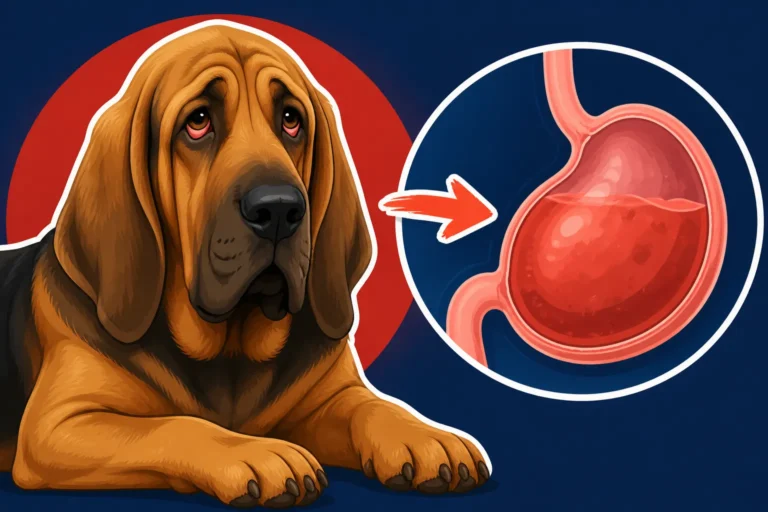
Gastric Dilatation-Volvulus, or GDV, more commonly known as bloat, is a condition that haunts the dreams of owners of large, deep-chested breeds like our magnificent Bloodhounds. It's not merely discomfort; it's a rapidly progressing, incredibly painful, and often fatal disorder where the stomach fills with gas and then twists on its axis. This twisting cuts off blood flow to the stomach and often the spleen, and it prevents gas from escaping, leading to shock and organ damage.
Why Bloodhounds Are Particularly Susceptible to Bloat
Our Bloodhounds, with their distinctive, regal build, are unfortunately predisposed to bloat. Their characteristic deep and narrow chests, which contribute to their majestic appearance, are a significant anatomical risk factor. Imagine their stomach suspended in that cavernous space; it has more room to swing and twist when it becomes distended with gas or food. Other breeds with similar physiques, such as Great Danes, Standard Poodles, and German Shepherds, share this heightened risk. It's a cruel irony that a feature of their breed standard can put them in such peril.
The urgency of this condition cannot be overstated. From the first subtle signs of discomfort to a full-blown life-threatening emergency, the progression can be terrifyingly fast, often within minutes or a couple of hours. This is why understanding this condition and its risk factors, including potential genetic links, becomes absolutely paramount for responsible Bloodhound ownership. Indeed, Bloat Is What Kills Most Bloodhounds, and for good reason—it's swift and devastating. The unique structure of our hounds' chests means that Why a Deep Narrow Chest Puts a Bloodhound at Risk isn't just a theory, but a grim reality for many.
The Immediate Danger of Bloat
When a Bloodhound's stomach twists, it's not just discomfort; it's a full-system emergency. The distended stomach presses on major blood vessels, restricting blood flow back to the heart. This leads to circulatory shock, and without immediate intervention, the dog's blood pressure plummets, and organs begin to fail. The pain is intense, and dogs will often show clear signs of distress. Time is of the essence; every minute counts. This isn't a condition that "might get better" or can wait until morning. It requires immediate, emergency veterinary care. Even with prompt treatment, the mortality rate remains significant, highlighting just how devastating bloat can be.
The Role of Genetics in Bloodhound Bloat Risk
The question of whether a Bloodhound's relatives predict its bloat risk is one that weighs heavily on the minds of many dedicated owners. While bloat is complex and involves multiple factors, scientific research strongly suggests that genetics play a significant role. It's not a single "bloat gene," but rather a polygenic inheritance, meaning several genes contribute to the overall predisposition.
Familial Predisposition and Increased Risk
If your Bloodhound comes from a line where multiple relatives—parents, grandparents, siblings—have experienced bloat, your dog's risk is undeniably higher. This familial link is one of the most consistent findings in studies on GDV. While it doesn't guarantee your dog will bloat, it elevates the statistical likelihood. It's like having a family history of heart disease; it means you need to be more vigilant and proactive about your own health. For a Bloodhound, it means you need to be exceptionally aware of the signs and consider preventive measures.
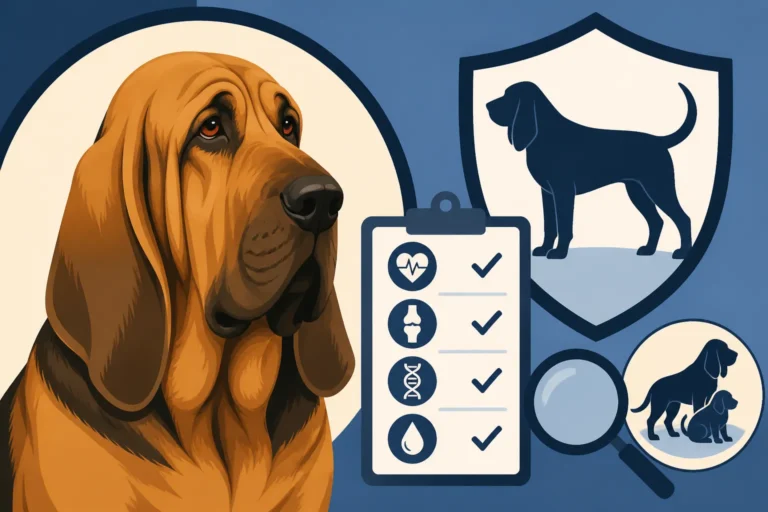
Breeders committed to the long-term health of the Bloodhound strive to understand these familial patterns. Some maintain detailed records, and responsible breeders are often transparent about the health histories of their breeding stock. While there isn't a simple genetic test for bloat, knowing the incidence in a dog's lineage provides invaluable insight. This is why some owners consider if Whether a Bloodhound Owner Should Screen for Bloat Genetics, though current genetic screening for bloat itself is not straightforward. The renowned What the Purdue Bloat Study Found About Bloodhounds further highlighted the significant genetic component, observing higher risk in certain families and advocating for screening in breeding programs where possible.
Beyond Genetics: Other Contributing Factors
While genetics can load the dice, they don't seal the fate. Bloat is a multifactorial condition, meaning many elements contribute to its occurrence. Even a Bloodhound with a pristine family history for bloat can still experience it if other risk factors align. These include:
- Eating Habits: Eating one large meal a day, eating rapidly, or gulping air while eating can increase risk.
- Exercise Around Meals: Vigorous exercise before or after eating is a known trigger.
- Stress and Anxiety: Anxious or highly strung dogs may have a higher risk.
- Age: Older Bloodhounds (typically those over 6 years) tend to have an increased risk.
- Temperament: Some studies suggest a link between fearful or aggressive temperaments and higher bloat incidence, though this link is less definitive than the physical or dietary factors.
So, while a family history is a crucial piece of the puzzle, it's essential to manage all controllable risk factors to give your Bloodhound the best possible chance against this insidious condition.
Practical Steps for Owners with a Bloat-Prone Lineage
If you know your Bloodhound has a family history of bloat, it's natural to feel a heightened sense of worry. However, this knowledge empowers you to take proactive steps to mitigate the risk and prepare for emergencies. Being informed and prepared is your best defense.
Dietary Management and Feeding Practices
One of the most impactful areas where you can reduce bloat risk is through careful dietary management. Instead of feeding one large meal, split your Bloodhound's daily food intake into two or three smaller meals. This reduces the amount of food and gas in the stomach at any one time, making it less likely to distend and twist.
Consider investing in a slow-feeder bowl or placing a large, clean rock in their regular bowl. This prevents your Bloodhound from gulping down their food too quickly, which can lead to excessive air intake. Also, ensure a calm, relaxed feeding environment. Avoid feeding immediately before or after strenuous exercise. Give your hound at least an hour of rest before and after meals. Some owners also choose to soak their kibble to make it expand before consumption, potentially reducing gas buildup, although scientific evidence on this particular practice is mixed.
Considering a Preventive Gastropexy
For Bloodhounds at high risk due to genetics or other factors, a preventive gastropexy is often recommended. This surgical procedure involves tacking the stomach to the abdominal wall, which physically prevents it from twisting. While it doesn't stop the stomach from dilating (filling with gas), it drastically reduces the chance of the life-threatening volvulus (twisting). It's essentially buying your dog critical time should they bloat, transforming a dire emergency into a treatable, albeit still serious, condition.
Many owners choose to have a gastropexy performed when their Bloodhound is already under anesthesia for another procedure, such as spaying or neutering, making it a more cost-effective option. This decision can be a weighty one, but for breeds like the Bloodhound, it's increasingly seen as a responsible choice. To learn more about this crucial decision, explore The Gastropexy Decision Every Bloodhound Owner Faces. Understanding What a Preventive Gastropexy Does for a Bloodhound can bring immense peace of mind. It’s becoming so common for at-risk breeds that you might wonder Whether a Gastropexy Is Standard for Bloodhounds Now. This is where having a robust pet insurance plan, like those offered by Healthy Paws, can really make a difference, covering a significant portion of these planned or unexpected costs. Healthy Paws understands the unique health challenges faced by Bloodhounds.
Stress Reduction Strategies
While harder to quantify, stress and anxiety are believed to contribute to bloat risk. Bloodhounds are generally sensitive dogs, and a highly anxious temperament can manifest in various ways, including digestive upset. Creating a stable, predictable routine, providing plenty of mental stimulation through scent work (which they adore and excel at), and ensuring adequate, calm exercise can help. If your Bloodhound is particularly prone to anxiety, consider working with a professional dog behaviorist or trainer to implement stress-reduction techniques.
Monitoring and Emergency Preparedness
Even with the best preventive measures, every Bloodhound owner needs to be vigilant and prepared for bloat. Knowing the signs and having an emergency plan in place can be the difference between life and death.
Recognizing the Signs of Bloat
The onset of bloat can be subtle at first, making early detection challenging but critical. Here are the key signs to watch for:
- Restlessness and Pacing: Your dog may seem uncomfortable, unable to settle.
- Excessive Drooling: More drool than usual.
- Retching without Producing Vomit: This is a classic sign. They look like they're trying to throw up, but nothing comes out.
- Distended Abdomen: Your Bloodhound's belly may appear swollen, tight, and painful to the touch. This can be subtle in the early stages, especially in larger, hairier dogs.
- Pain and Discomfort: Whining, groaning, or looking at their side.
- Weakness and Collapse: As shock sets in, they may become lethargic, weak, and eventually collapse.
- Rapid, Shallow Breathing: Difficulty breathing due to the pressure on the diaphragm.
If you observe any of these symptoms, especially the non-productive retching or a distended abdomen, consider it an emergency. Don't wait to see if it gets better. For a deeper dive into these crucial indicators, check out Signs a Bloodhound Is Bloating.
The 'Prayer Position' and Other Warning Postures
A particular posture often associated with bloat is the "prayer position," where the dog bows down on its front legs with its rear end up in the air, as if trying to relieve abdominal pain. While this can indicate various forms of abdominal discomfort, in a deep-chested breed like a Bloodhound, it should immediately raise a red flag for bloat. Other signs might include standing with an arched back or being reluctant to lie down comfortably.
Your Emergency Action Plan
Every Bloodhound owner needs a clear, immediate action plan for bloat.
- Contact Your Vet Immediately: Call your regular veterinarian or, if it's after hours, the nearest emergency veterinary clinic. Tell them you suspect bloat and you're on your way. This allows them to prepare for your arrival.
- Head to the Clinic: Get your Bloodhound into the car and drive to the vet as quickly and safely as possible.
- No Home Remedies: Do not attempt any home remedies like trying to make your dog vomit or giving them antacids. These are ineffective and can waste precious time.
- Stay Calm (as much as possible): Your dog will pick up on your stress, which can worsen their condition. Focus on getting them help.
Remember, The Half Hour a Bloating Bloodhound Has is not an exaggeration. The time from the first symptoms to a critical state can be incredibly short. Prompt veterinary intervention is absolutely vital. If surgery is needed, understanding What Emergency Bloat Surgery Does for a Bloodhound can help you feel more prepared for the discussions with your vet. This is another area where pet insurance like Healthy Paws can be a lifesaver, allowing you to focus on your Bloodhound's care without immediate financial strain during a crisis.
Bloat Risk Factors and Preventive Measures
| Risk Factor | Description | Preventive Measure |
|---|---|---|
| Genetic Predisposition | Family history of bloat (parents, siblings). | Choose a breeder who screens for health and tracks bloat history; consider preventive gastropexy. |
| Deep, Narrow Chest | Anatomical feature of Bloodhounds and other large breeds. | Not controllable, but heightens importance of other preventive measures. |
| Eating Habits | Eating one large meal, eating rapidly, gulping air. | Feed 2-3 smaller meals daily; use slow-feeder bowls or puzzle feeders. Avoid elevated bowls. |
| Exercise Around Meals | Strenuous activity before or after eating. | Restrict exercise for at least one hour before and after meals. |
| Age | Risk increases with age, particularly after 6 years old. | Maintain vigilance and preventive practices throughout your Bloodhound's life, especially as they age. |
| Stress/Anxiety | Anxious temperament, sudden changes in routine, loud noises. | Provide a stable environment, consistent routine, mental stimulation; consult a behaviorist if severe anxiety. |
| Breed | Bloodhounds are inherently at high risk. | Acknowledge inherent risk and implement all possible preventive strategies. |
| Gastric Dilatation-Volvulus (GDV) | Stomach fills with gas and twists, a medical emergency. | Preventive Gastropexy: Surgically tacking the stomach to prevent twisting, reducing mortality dramatically. |
Disclaimer
The information provided in this article is for educational and informational purposes only and does not constitute veterinary advice. Always consult with a qualified veterinarian for any health concerns or before making any decisions about your pet's health or treatment.