Why a Bloodhound Lives Shorter Than a Labrador
It’s a heartbreaking reality that many Bloodhound owners face: these magnificent, soulful hounds often don't live as long as we wish they would, especially when compared to other large breeds like the Labrador Retriever. The feeling of unfairness, of having less time with such a cherished family member, is a common and deeply felt frustration. This guide will explore the specific health challenges and genetic predispositions that contribute to a Bloodhound's shorter lifespan, contrasting them with the factors that often allow Labradors to enjoy more years, and offering insights into how we can proactively support our beloved Bloodhounds for the longest, healthiest lives possible.
The Inherited Predispositions That Shorten Bloodhound Lives
When you bring a Bloodhound into your home, you're not just getting those incredible ears and that unparalleled nose; you're also often inheriting a genetic blueprint that, unfortunately, comes with a few significant health vulnerabilities. These aren't necessarily the fault of breeders, but rather the cumulative effect of centuries of selective breeding for specific traits, many of which inadvertently brought along health challenges. It’s a tough pill to swallow when you realize some of these issues are simply part of their genetic makeup.
Orthopedic Challenges and Joint Health
Bloodhounds are big dogs, there’s no denying it. They grow fast, often reaching substantial size and weight before their skeletal system is fully mature. This rapid growth and immense frame put incredible stress on their developing joints, leading to a higher incidence of orthopedic problems. It's not uncommon for owners to notice a subtle limp or stiffness in a young Bloodhound, which can be a red flag for underlying issues.
Conditions like Hip and Elbow Dysplasia in the Bloodhound are unfortunately prevalent. Hip dysplasia, where the hip joint doesn't form correctly, can range from mild discomfort to severe, debilitating arthritis. Elbow dysplasia is a similar issue affecting the elbow joint. While proper nutrition and controlled exercise during puppyhood can help mitigate the severity, the genetic predisposition is always there. This contrasts sharply with many Labrador Retrievers, who, while also prone to these conditions, often have a more moderate growth rate and build, leading to a generally lower incidence and less severe expression of these joint problems. These conditions can lead to chronic pain, reduced mobility, and a diminished quality of life, often requiring ongoing veterinary care, joint supplements, and sometimes costly surgeries, contributing to a shorter healthy lifespan.
The Gastrointestinal Gauntlet of Bloat
Perhaps the most terrifying and sudden threat to a Bloodhound's life is bloat, medically known as Gastric Dilatation-Volvulus (GDV). This isn't just a stomachache; it's a life-threatening emergency where the stomach fills with gas, food, or fluid, then twists on itself, cutting off blood flow and trapping everything inside. It’s devastatingly fast-acting, often striking without much warning, and the prognosis can be grim even with immediate veterinary intervention. Owners often describe the sheer panic of seeing their dog suddenly restless, retching unproductively, and with a rapidly distending abdomen.
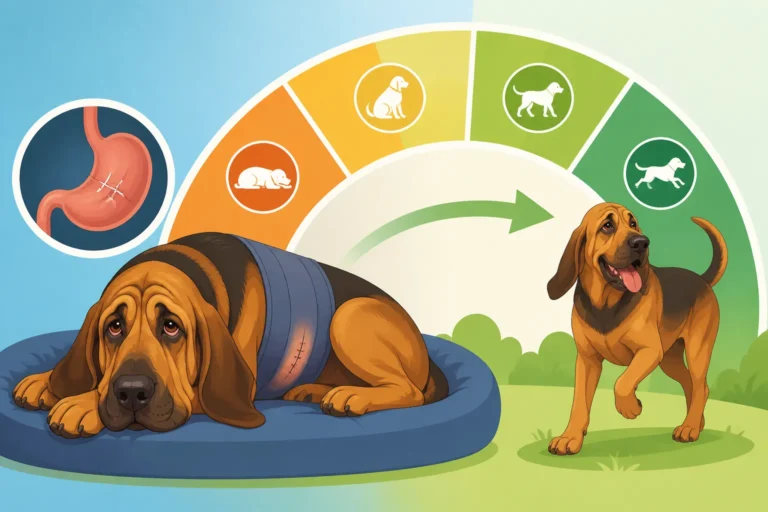
The deep, narrow chest conformation of the Bloodhound is a significant risk factor, making them one of the breeds most susceptible to this condition. Many Bloodhound owners live with a constant undercurrent of worry about this silent killer. This condition is so serious that many resources emphasize that Bloat Is What Kills Most Bloodhounds. The decision to have a The Gastropexy Decision Every Bloodhound Owner Faces is one that countless Bloodhound families grapple with, often opting for the preventive surgery to tack the stomach to the abdominal wall, significantly reducing the risk of a deadly twist. While large breed Labradors can also bloat, it's far less common than in the Bloodhound, whose specific body type makes them uniquely vulnerable. The immediate threat and potential for rapid decline from bloat certainly contribute to a lower overall average lifespan for the breed.
Chronic Ear and Skin Issues
Those wonderfully long, pendulous Bloodhound ears and their characteristic loose, wrinkly skin, while endearing, are also hotbeds for chronic health problems that require constant vigilance and care. These issues, while not directly fatal, significantly impact a Bloodhound's quality of life and can lead to secondary infections that sap their vitality.
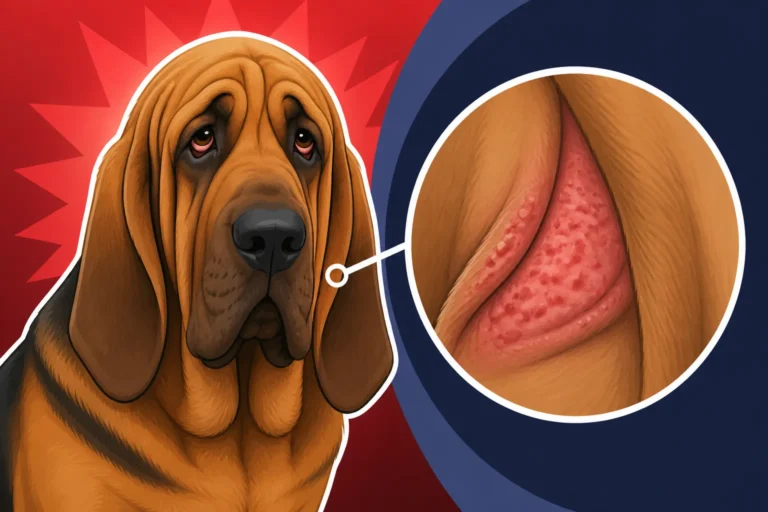
A Bloodhound's ears, designed to sweep scent towards their powerful nose, also create a warm, moist, poorly ventilated environment – perfect for yeast and bacteria to flourish. This means A Bloodhound's Ears Are a Standing Infection Risk, leading to frequent, painful ear infections. Owners often find themselves on a first-name basis with their vet, regularly needing prescription ear drops, cleaners, and sometimes even sedated cleanings. Similarly, their beautiful, loose skin, particularly the folds around their face, neck, and jowls, can trap moisture, dirt, and bacteria, leading to Skin Fold Dermatitis on a Bloodhound. These skin infections can be itchy, foul-smelling, and very uncomfortable, again requiring diligent cleaning routines and often medication. While Labradors can get ear infections or skin allergies, their tighter skin and more open ear canals typically make these issues less chronic and less severe than what many Bloodhound owners routinely manage. The ongoing inflammation and the constant battle against these infections can take a toll on a dog’s overall health and well-being, indirectly contributing to a shorter life.
Comparative Lifespans and Breed-Specific Statistics
When we look at the numbers, the difference in longevity between a Bloodhound and a Labrador Retriever becomes stark. It’s not just a feeling; it’s a statistical reality that often leaves Bloodhound lovers heartbroken. Understanding these statistics can help us appreciate the challenges and make informed decisions for our dogs' care.
Average Lifespans: Bloodhound vs. Labrador Retriever
The average lifespan of a Bloodhound is typically cited as 7 to 10 years, with many sources indicating closer to 8 years as the median. This is in stark contrast to the Labrador Retriever, which often lives 10 to 12 years, and sometimes even longer. This difference of a couple of years might not sound like much on paper, but in dog years, it’s a significant chunk of their life, translating to potentially 15-20% less time with our furry companions. For many Bloodhound owners, watching their beloved dog show signs of Aging in a Bloodhound Starts at Six feels incredibly premature compared to friends with other large breeds.
This disparity isn't arbitrary; it's a reflection of the cumulative health burdens discussed earlier. When What Most Bloodhounds Actually Die Of is examined, bloat and various cancers frequently top the list, often alongside orthopedic complications. While Labs can certainly suffer from these too, their genetic predisposition is generally lower. This means that statistically, a Bloodhound faces higher odds of encountering a life-limiting health crisis earlier in its life.
The Weight and Size Factor in Longevity
It’s a generally accepted rule in the canine world that smaller dogs tend to live longer than larger dogs. While there are exceptions, the Bloodhound's substantial size and weight (often exceeding 90-110 pounds for males) place it firmly in the category of breeds with shorter lifespans. Labradors, while still large dogs, are typically a bit lighter and more compactly built, usually weighing between 55-80 pounds.
Why does size matter for longevity? The exact mechanisms are still being researched, but theories suggest that larger dogs experience accelerated aging at a cellular level. Their cells divide more rapidly, potentially leading to a higher incidence of age-related diseases like cancer and organ failure sooner than in smaller breeds. The sheer workload on the heart, joints, and other organ systems to sustain a larger body mass also contributes to wear and tear. Imagine the difference in strain on joints and organs between a 100-pound Bloodhound and a 65-pound Labrador over the course of eight or ten years; it's substantial. This biological reality plays a significant role in why How Long a Bloodhound Lives is often a shorter duration than many owners anticipate.
How Breeding Practices Influence Lifespan
Responsible breeding practices play a monumental role in the health and longevity of any breed. For Bloodhounds, the emphasis on certain conformational traits – such as extremely loose skin and deep chests – for show purposes has inadvertently exacerbated some health risks. While these traits define the breed's iconic look, they directly contribute to issues like skin fold dermatitis, ectropion (droopy eyelids that expose the eye), and the aforementioned bloat risk.
Breed clubs, such as the American Bloodhound Club, advocate for health screening, and it's essential to understand What the American Bloodhound Club Asks Breeders to Screen for before purchasing a puppy. Reputable breeders strive to reduce the incidence of genetic diseases like hip and elbow dysplasia, heart conditions, and certain eye problems by carefully screening their breeding stock. However, some traits, like the deep chest shape, are so integral to the breed standard that they cannot simply be "bred out" without fundamentally altering the Bloodhound's appearance. In contrast, while Labradors also have breed-specific health concerns, their conformational standards don't inherently promote as many chronic management challenges that directly predispose them to such sudden, life-threatening events like bloat, or to the same degree of chronic skin and ear issues. Choosing a breeder who prioritizes health and temperament over extreme conformation can make a difference, but it cannot entirely eliminate the breed's inherent vulnerabilities.
Mitigating Risks and Promoting Longevity
While we can't fundamentally change a Bloodhound's genetic predispositions or extend their natural lifespan indefinitely, we can certainly adopt proactive strategies to mitigate risks, manage chronic conditions, and provide them with the best possible chance at a long, healthy, and comfortable life. It comes down to vigilance, good husbandry, and partnering closely with your veterinarian.
Proactive Veterinary Care and Screenings
Regular, preventive veterinary care is paramount for Bloodhounds. Given their propensity for certain health issues, early detection and intervention can make a world of difference. This means not just yearly check-ups, but also being acutely aware of subtle changes in your dog's behavior or physical condition.
A comprehensive annual exam should include thorough checks of their ears, skin folds, and eyes. Beyond the routine, discuss specific breed-related screenings with your vet. For instance, cardiac exams can help detect early signs of Heart Disease in the Bloodhound, a condition sometimes seen in the breed. For those prone to bloat, a discussion around a prophylactic gastropexy is crucial, often considered between 6 months to 2 years of age, or at the time of spay/neuter. Many owners find peace of mind knowing they’ve taken this preventive step. Pet insurance providers like Healthy Paws are increasingly recognizing the value of these preventive measures in extending a dog's healthy years, making these discussions even more pertinent. Investing in thorough pre-anesthetic bloodwork before any surgery and regular diagnostic tests as they age, especially once they reach The Age a Bloodhound Is Considered Senior (around 6-7 years), can help catch underlying issues before they become emergencies.
Nutrition and Lifestyle Management
What and how you feed your Bloodhound, along with their exercise routine, plays a critical role in their overall health and longevity. It’s not just about keeping them fed; it’s about strategic care.
For starters, proper nutrition from puppyhood is essential to support healthy, steady growth and minimize stress on developing joints. High-quality large breed puppy food, carefully portioned, is vital to prevent too-rapid growth, which can exacerbate orthopedic problems. When it comes to adult dogs, managing their weight is non-negotiable. An overweight Bloodhound puts even more strain on already vulnerable joints, compounds the risk of bloat, and can worsen other health conditions. Feeding a Bloodhound so Feeding a Bloodhound So It Does Not Bloat often involves splitting their daily food intake into two or three smaller meals, avoiding strenuous exercise around meal times, and using slow-feeder bowls. Additionally, a consistent, moderate exercise routine, avoiding high-impact activities during their growing phase, helps build muscle tone and maintain a healthy weight without overstressing their skeletal system. While Labs thrive on intense activity, Bloodhounds often benefit more from steady, long walks and, of course, mentally stimulating scent work which tires them out without excessive physical strain.
The Role of Owner Vigilance and Early Intervention
Ultimately, you, the owner, are your Bloodhound's first line of defense. Your keen observation and quick action can be the difference between a minor issue and a life-threatening crisis. This means being intimately familiar with your dog's normal behavior, appetite, and energy levels.
Daily checks of their ears and skin folds for redness, discharge, or odor are non-negotiable for Bloodhounds. Regular cleaning routines, as detailed in comprehensive guides like Everything on a Bloodhound Hangs Down and Has to Be Cleaned, are not just about aesthetics; they're vital for preventing chronic infections. More critically, every Bloodhound owner needs to know the signs of bloat and be prepared to act instantly. This means knowing where your nearest 24-hour emergency veterinary clinic is, having their number on speed dial, and being ready to drop everything and go. Many owners consider pet insurance from providers like Healthy Paws a godsend in these emergency situations, ensuring they can make critical decisions based on medical need rather than financial constraint. Being proactive about their health means understanding their breed's unique challenges and committing to a routine of care that addresses those vulnerabilities head-on, giving your Bloodhound the best possible chance to beat the odds and enjoy every precious year with you.
| Feature | Bloodhound | Labrador Retriever | Impact on Lifespan |
|---|---|---|---|
| Average Lifespan | 7-10 years (median ~8 years) | 10-12 years | Bloodhounds typically live 2-3 years less. |
| Size/Weight | Large (90-110+ lbs) | Large (55-80 lbs) | Larger size associated with accelerated aging and higher health burden. |
| Bloat (GDV) Risk | Very High (due to deep, narrow chest) | Moderate | Bloat is a leading, sudden cause of death in Bloodhounds. |
| Orthopedic Issues | High (Hip/Elbow Dysplasia) | Moderate-High (Hip/Elbow Dysplasia) | Severe issues can lead to chronic pain and reduced mobility. |
| Chronic Skin/Ears | High (due to loose skin, pendulous ears) | Moderate (ears, some allergies) | Requires diligent care, prone to recurring infections. |
| Cancer Incidence | Moderate-High | Moderate-High | Common in both large breeds, but can appear earlier in Bloodhounds. |
Disclaimer
The information provided in this article is for general informational purposes only and is not intended as a substitute for professional veterinary advice. Always consult with a qualified veterinarian for any health concerns or before making any decisions related to your pet's health and treatment. Individual results may vary, and while every effort has been made to provide accurate information, breed health can be complex and influenced by many factors.