Whether a Bloodhound Is Used to Track Escaped Prisoners
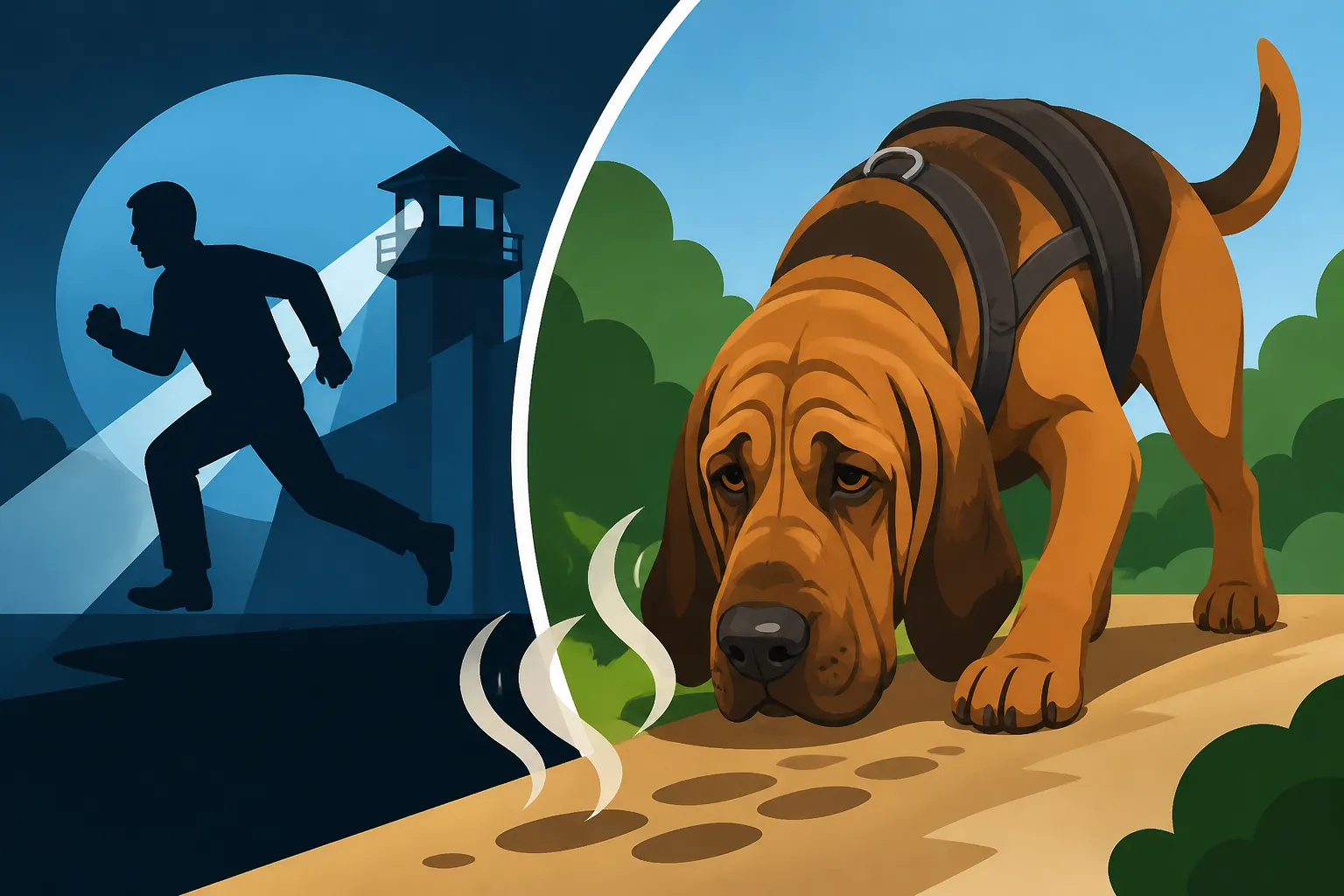
There's a persistent image in books and movies of a stoic Bloodhound, nose to the ground, relentlessly pursuing a fugitive, and many people wonder if this dramatic portrayal holds true in real life. The answer is a resounding yes; Bloodhounds are indeed a crucial, highly specialized asset in law enforcement for tracking escaped prisoners and other individuals who need to be found quickly and safely. This guide will delve into the incredible capabilities of these dogs, their role in public safety, and what goes into preparing them for such high-stakes work.
The Bloodhound's Unmatched Trailing Ability in Law Enforcement
When it comes to tracking human scent, the Bloodhound stands in a league of its own. Their physiological makeup and ancient breeding history have honed them into the most formidable scent-following machines in the canine world, making them an invaluable tool for police and correctional facilities.
The Science Behind the Scent
Imagine a world where every single human interaction, every touch, every step leaves a distinct, invisible trail in the air and on the ground. That's the world a Bloodhound lives in. These dogs possess an astonishing sense of smell, far superior to most other breeds. It's not just about having a strong nose; it's about the sheer number of olfactory receptors they have—an estimated 300 million, compared to roughly 6 million in humans. This massive increase in sensory cells allows them to detect odors at concentrations that are practically imperceptible to us.
Furthermore, their brain is wired differently, with a disproportionately large area dedicated to processing scent information. They can effectively "dissect" a complex smell, isolating the individual human odor from a cacophony of environmental smells like exhaust fumes, fallen leaves, or last night's dinner. This incredible discriminatory power is what allows them to follow one specific person's trail, even when that person has walked through a crowded area or days have passed since they were there. It's a testament to the evolutionary marvel that is the Bloodhound's nose.
Why Bloodhounds Excel at Human Scent
It’s not just their internal biology; the Bloodhound's unique physical characteristics are perfectly designed to maximize scent detection and retention. Their long, pendulous ears, known as leathers, actually sweep scent particles from the ground up towards their nose as they trail, creating a miniature vortex that keeps the scent concentrated. This natural "scent funnel" is an incredible adaptation.
Their famously loose skin, particularly around the face and neck, creates numerous folds and wrinkles. These folds are believed to trap and hold scent particles, further enhancing their ability to immerse themselves in a trail. And those deep, soulful eyes? The drooping lower eyelids, known as haws, contribute to this overall scent-gathering architecture. Unlike other breeds like the Beagle or the Coonhound, which are fantastic trackers in their own right, the Bloodhound's entire physical being seems to be engineered for trailing human scent with an almost obsessive focus. They are single-minded to a fault once they latch onto a trail, making them incredibly effective for critical tasks like finding an escaped prisoner. For more on how they compare, you might find The Bloodhound Against the Other Scenthounds enlightening.
The Legal Standing of Bloodhound Evidence
Perhaps one of the most remarkable aspects of the Bloodhound's trailing prowess is its unique standing in the legal system. In many jurisdictions, a Bloodhound's trail is admissible as evidence in court, provided certain conditions are met regarding the dog's training and the handler's expertise. This is not the case for most other dog breeds, regardless of their tracking abilities. This legal precedent highlights the deep trust and recognition placed upon the Bloodhound's ability to accurately follow a specific human scent. It's a huge deal when you think about it—the silent testimony of a dog. To dive deeper into this fascinating legal aspect, check out The Bloodhound Is the Only Dog Whose Evidence Stands in Court.
This admissibility means that when a Bloodhound is deployed to track an escaped prisoner, their work can directly contribute to securing a conviction. The handler must meticulously document the process, from the initial scent article to the dog's behavior on the trail, and ultimately, the "find." This stringent requirement ensures the integrity of the evidence and underscores the seriousness of the Bloodhound's role in the justice system. It's not just about finding someone; it's about providing credible, verifiable proof.
Training and Deployment for Fugitive Recovery
The incredible abilities of a Bloodhound aren't just innate; they are meticulously cultivated through rigorous training and constant practice, transforming a puppy with a powerful nose into a reliable and effective law enforcement tool.
From Puppy to Patrol Partner
The journey from a cuddly, wrinkly Bloodhound puppy to a seasoned patrol partner is a long one, requiring immense dedication from both the dog and its handler. Training begins early, often with simple scent games to encourage their natural instincts. Puppies are exposed to various environments, surfaces, and human scents to build their confidence and focus. The goal is to channel their natural drive to follow a trail, refining it into a precise, targeted skill.
Initial training involves laying short, straightforward trails with a specific scent article from a "runaway" helper. The puppy learns to associate finding the person at the end of the trail with a high-value reward, whether it's a favorite toy or a delicious treat. As they progress, trails become longer, older, more complex, and incorporate real-world distractions. They learn to ignore other animals, loud noises, and even other human scents to stay locked onto their target. If you're curious about this early start, Starting a Bloodhound Puppy on a Trail offers a closer look. Specialized gear like durable long lines and comfortable harnesses, often sourced from reputable pet supply retailers like Chewy, are essential for safety and effective training during these crucial developmental stages.
Real-World Scenarios and Challenges
When a prisoner escapes, time is of the essence, and this is where trained Bloodhounds become indispensable. They are typically brought to the last known location of the escapee, where an uncontaminated "scent article" (like a piece of clothing the person was wearing) is presented. Once the Bloodhound takes the scent, they are off, often moving at a steady, determined pace, oblivious to anything but the trail.
The challenges in real-world deployments are immense. Bloodhounds may have to track through dense forests, across bustling streets, or over rocky terrain. Environmental factors play a huge role: rain can wash away a scent, making the trail faint, while high winds can scatter scent particles, making it difficult to follow. Whether Rain Destroys a Bloodhound's Trail and Whether Wind Moves the Scent a Bloodhound Follows highlight just how much nature can impact a Bloodhound's work. The handler must constantly observe the dog's body language—a subtle tail wag, a change in sniffing intensity, a pause—to interpret what the dog is communicating about the trail. They learn to "read" their dog, understanding when the scent is strong, when it's fading, or when the dog is working through a challenging section. It's a dynamic, high-pressure dance between human and hound.
Working with Law Enforcement Teams
A Bloodhound and its handler are never truly alone on a fugitive recovery mission. They are an integral part of a larger law enforcement team, working in coordination with deputies, patrol officers, and sometimes even aerial support. The Bloodhound's job is to locate the individual, but the surrounding team provides critical support, security, and tactical assistance.
For example, while the Bloodhound focuses intently on the scent, officers provide perimeter security, watch for potential hazards, and are ready to apprehend the suspect once located. The dog's unique baying, a deep, resonant sound, often signals they are close to a find, alerting the human team. This collaborative approach ensures that the mission is executed as safely and efficiently as possible, protecting the public, the officers, and the K9 team itself. The immense trust between the handler and their Bloodhound, built on countless hours of training and shared experiences, is the bedrock of their success in these dangerous and demanding situations.
The Reality of the Job: Beyond the Hollywood Portrayal
While Hollywood often portrays Bloodhounds as infallible heroes, the reality of their work in tracking escaped prisoners is far more nuanced, demanding immense dedication, constant effort, and an understanding of both their incredible strengths and inherent limitations.
Dedication and Commitment Required
Being a Bloodhound handler, especially one involved in law enforcement or search and rescue, is not just a job; it's a lifestyle. These K9 units represent a significant investment in time, training, and resources. Departments or volunteer organizations commit to extensive initial training, followed by ongoing maintenance training to keep the Bloodhound's skills sharp. This isn't a "set it and forget it" kind of skill; it requires continuous practice to ensure the dog remains proficient in diverse environments and under various conditions.
Beyond the training, there's the daily care of a large, high-drive working dog. This includes specialized nutrition, regular veterinary check-ups, and meticulous grooming—especially those long ears and deep skin folds that are prone to issues if not maintained. Many handlers consider their Bloodhound a family member, with the dog often living with them and integrating into their personal lives. The bond that develops between a handler and their Bloodhound is incredibly strong, built on trust, understanding, and countless hours spent working together. The cost of maintaining such a specialized animal can be considerable, as discussed in What It Costs to Put a Bloodhound on a Trail, covering everything from high-quality food (which can be found on sites like Chewy) to veterinary care and specialized equipment.
Limitations and Ethical Considerations
Despite their unparalleled noses, Bloodhounds are not infallible, and acknowledging their limitations is crucial for ethical and effective deployment. A Bloodhound can be influenced by environmental factors, contamination of the scent article, or simply an exceptionally old or degraded trail. They are animals, not machines, and can have off days, distractions, or periods of lower focus. To delve into potential inaccuracies, Whether a Bloodhound Can Be Wrong offers valuable insights.
Ethical handling is paramount. Handlers must ensure they do not consciously or unconsciously influence their dog. The Bloodhound should be allowed to work the scent independently, and the handler's role is to interpret the dog's actions, not direct them. Furthermore, the Bloodhound's primary role is to locate a person, not to judge guilt or innocence. Their find is a piece of the puzzle, and while highly regarded, it's still part of a larger investigative process. This distinction is vital for maintaining the integrity of their work and ensuring justice is served fairly.
The Bloodhound's Impact on Public Safety
The contributions of Bloodhounds to public safety extend far beyond just tracking escaped prisoners. They are instrumental in finding missing persons, including vulnerable individuals like children and those with dementia, reducing the time it takes to locate them and potentially saving lives. When a child goes missing, for instance, every minute counts, and a Bloodhound's ability to quickly pick up and follow a faint trail can be the difference between a happy reunion and tragedy. You can explore their broader impact in articles like Whether a Bloodhound Can Trail a Missing Child.
By rapidly locating and apprehending escaped prisoners, Bloodhounds help restore peace of mind to communities and prevent further potential harm. Their presence acts as a deterrent, knowing that a relentless, scent-driven pursuit is likely to follow any attempt to flee. This unique breed, with its profound sense of smell and unwavering determination, truly embodies a commitment to justice and safety, cementing its place as a cherished and respected member of law enforcement teams across the globe.
Maintaining a Working Bloodhound
A working Bloodhound, whether with law enforcement or a volunteer search and rescue team, requires specific care and attention to ensure they remain in peak physical and mental condition, ready to answer the call when their unique skills are needed.
Physical and Mental Conditioning
Just like any elite athlete, a working Bloodhound needs a carefully tailored regimen to stay healthy and effective. Regular, structured exercise is vital, not just for physical fitness but also to burn off their considerable energy and satisfy their need for activity. This often involves long walks, runs, and dedicated trailing practice sessions.
Their diet is equally important. Active Bloodhounds need high-quality, nutrient-dense food to fuel their demanding work. Many handlers opt for specialized large-breed formulas, carefully managing portion sizes to maintain a lean, working weight. Overfeeding can lead to joint issues and increase the risk of serious health problems like bloat. Proper feeding strategies, such as those detailed in Feeding a Bloodhound So It Does Not Bloat, are essential. Many handlers rely on trusted sources like Chewy for their dog's specific dietary needs, ensuring they get the right balance of proteins, fats, and carbohydrates. Beyond physical health, mental stimulation is crucial. Engaging them in regular scent work, even if it's just recreational mantrailing, keeps their extraordinary noses sharp and prevents boredom. As we often say, Mantrailing Is the Answer to a Bloodhound, Not Obedience, emphasizing that scent work is their true calling.
Specialized Gear and Equipment
The tools of the trade for a Bloodhound are as specialized as the dog itself. A well-fitting, comfortable harness is non-negotiable for working on a trail. Unlike a collar, a harness distributes pressure evenly across the chest, preventing strain on the neck and allowing the dog to pull naturally without discomfort. These harnesses are often heavy-duty and designed for durability in challenging outdoor environments.
Long lines, ranging from 15 to 30 feet or more, are another essential piece of equipment. They allow the Bloodhound to work a scent trail with enough freedom to follow the scent naturally, without the handler directly over them, while still maintaining control. For insights into selecting the right equipment, consider Which Harness a Bloodhound Trails In. Transporting a Bloodhound safely to and from deployment sites also requires appropriate arrangements, often large, secure crates in vehicles. Beyond these, general care items like ear cleaners, fold wipes, and paw protectants (especially when working on harsh terrain) are critical for maintaining their health. Many handlers stock up on these essentials from online retailers like Chewy, ensuring they have everything needed to keep their working partner in top shape.
Characteristics of a Bloodhound for Trailing
To summarize just how uniquely suited the Bloodhound is for tracking escaped prisoners and other human trails, here's a quick overview of their key attributes:
| Characteristic | Description | Benefit for Tracking |
|---|---|---|
| Olfactory Receptors | Approximately 300 million, far more than most other breeds (humans have ~6 million). | Detects minute scent particles at extremely low concentrations and distinguishes individual scents. |
| Physical Features | Long, pendulous ears ("leathers"), loose skin and wrinkles ("dewlap," "folds"), deep-set eyes with visible haws. | Ears sweep scent towards the nose; skin folds trap scent; facial structure enhances scent collection. |
| Brain Structure | A larger proportion of their brain is dedicated to processing scent information. | Superior ability to analyze and differentiate complex odors. |
| Scent Discrimination | Can distinguish individual human scent even amidst many other human and environmental odors. | Unwavering focus on a specific target, ignoring distractions. |
| Stamina & Drive | Possesses incredible endurance and a relentless drive to follow a trail once committed. | Can work long hours over varied terrain, staying on task until the target is found. |
| Legal Admissibility | Unique status in many courts allows their trailing evidence to be considered in legal proceedings. | Adds significant weight to investigations and helps secure convictions. |
This combination of biological gifts and dedicated training makes the Bloodhound an irreplaceable asset in the serious business of tracking and apprehending fugitives, demonstrating why they are consistently chosen for such critical tasks around the world.
Disclaimer
This article is for general informational purposes only and does not constitute professional advice. Laws, prices and regulations vary by location and change over time. Consult a qualified professional for guidance on your specific situation.