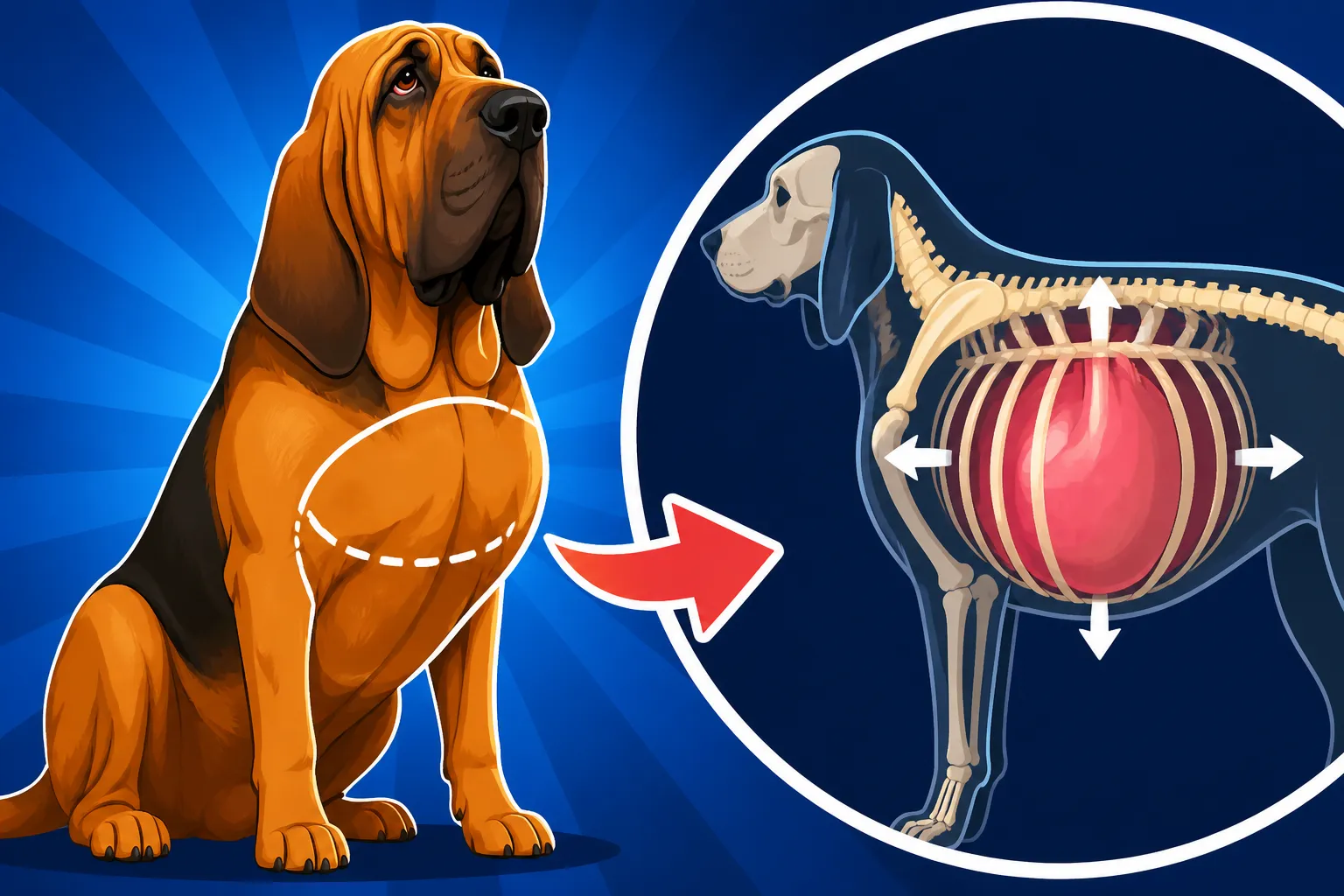
Why a Bloodhound’s Chest Shape Causes Bloat
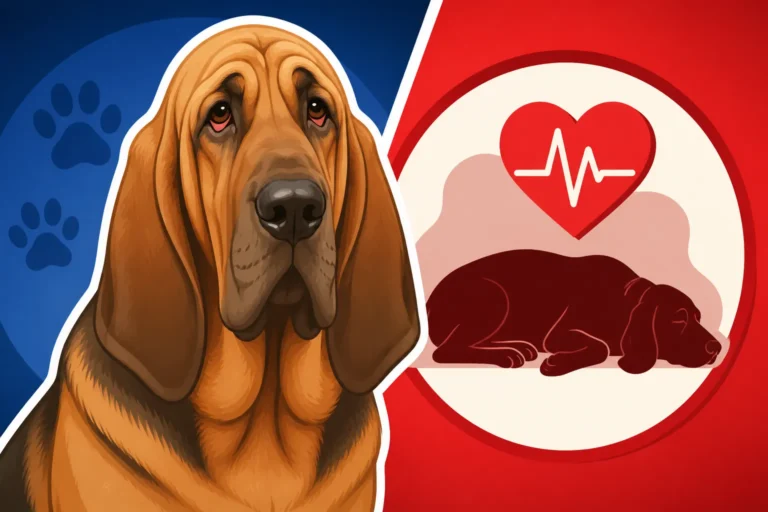
Bloat, or Gastric Dilatation-Volvulus (GDV), is a sudden, terrifying emergency that stalks Bloodhounds, often without warning, leaving owners scrambling against the clock. It’s a condition where their stomach not only fills with gas but can twist upon itself, cutting off blood supply and proving fatal within hours. Understanding the unique anatomical predispositions that make our beloved Bloodhounds so vulnerable to this silent killer is the first, crucial step in protecting them. This comprehensive guide will meticulously explore how their distinct chest shape tragically contributes to this deadly risk, offering clarity and actionable insights to every concerned Bloodhound parent.
Understanding the Bloodhound's Unique Anatomy
The Bloodhound is a magnificent creature, renowned for its incredible sense of smell and distinctive appearance. But beneath that noble exterior lies an anatomical predisposition that makes them uniquely susceptible to one of the most feared canine emergencies: bloat. It's not just random bad luck; it's a structural lottery they unfortunately often lose.
The Deep, Narrow Chest Conformation
Take a moment to look at your Bloodhound standing tall. Notice that deep, rather narrow chest? It's a hallmark of the breed, giving them that powerful, enduring build for tracking long distances. However, this very chest conformation, while ideal for stamina and lung capacity, creates a significant internal space that allows for a tragic amount of stomach mobility. Imagine a long, cylindrical balloon inside a tall, narrow box. There's plenty of room for it to swell and, critically, to rotate. This differs dramatically from breeds with broader, shallower chests, where the stomach is more constrained and has less room to maneuver when it starts to distend. This deep-chested characteristic is a primary reason why a Bloodhound's chest shape causes bloat, as the stomach simply has more room to flip.
When a Bloodhound's stomach begins to fill with gas and fluid, it expands in this spacious cavity. Unlike a more compact chest where surrounding organs or the rib cage might offer some physical restriction, the Bloodhound's deep chest essentially gives the stomach free rein to inflate and then, worryingly, to shift position. This architectural reality is a significant, inherent risk factor that no amount of training or meticulous care can entirely eliminate on its own. It's simply how they're built, and it’s a constant, silent threat.
Ligament Laxity and Stomach Mobility
It's not just the cavernous chest; the way the stomach is suspended within that chest cavity also plays a critical role. In Bloodhounds, and other large, deep-chested breeds, the ligaments that hold the stomach in place can sometimes be naturally looser or stretchier than in other dogs. Think of it like a hammock. If the ropes holding the hammock are taut and short, it stays relatively stable. If they're long and flexible, the hammock can swing and flip much more easily.
This natural laxity in the gastrosplenic ligament and other connective tissues means the stomach isn't as rigidly anchored as one might hope. When a Bloodhound eats or drinks quickly, or engages in vigorous exercise soon after a meal, the stomach can become a heavy, swinging pendulum. The combination of its size, the deep chest cavity providing ample room, and these looser attachments creates a perfect storm for the stomach to distend and then, disastrously, to rotate around its own axis. This rotation, or volvulus, is what turns simple gastric dilatation into the life-threatening emergency known as GDV.
The Insidious Mechanism of Bloat (GDV)
Understanding that your Bloodhound’s anatomy predisposes them to bloat is one thing, but truly grasping the process of Gastric Dilatation-Volvulus (GDV) helps drive home the urgency and the potential for rapid deterioration. It’s a cascading series of events, starting subtly and quickly escalating into a critical situation.
Gastric Dilatation: When the Stomach Overfills
The first stage of bloat is often referred to as Gastric Dilatation (GD). This is when the stomach fills abnormally with gas, food, or fluid, causing it to swell to an enormous size. In a Bloodhound, this can happen for a number of reasons, often exacerbated by their eating habits. Imagine your Bloodhound inhaling its dinner in record time, gulping down air along with its kibble. Or perhaps they just had a big drink after a strenuous run. This excess air, coupled with fermentation of food particles, can rapidly distend the stomach.
The deep chest, as we’ve discussed, provides ample room for this expansion. The stomach grows so large that it presses against other internal organs, including the diaphragm, making it difficult for your Bloodhound to breathe. It also puts pressure on major blood vessels, restricting blood flow back to the heart. This alone is incredibly painful and dangerous. Your dog might look uncomfortable, restless, or keep looking at their side. If you notice these Signs a Bloodhound Is Bloating, don't delay. The stomach is essentially a balloon inflating inside their body, and it's a ticking clock.
The Volvulus: A Twist of Fate
While gastric dilatation is serious, the "volvulus" is the truly life-threatening part of GDV. This is when the distended stomach twists on its axis, often 90 to 360 degrees. This twisting motion effectively pinches off both the entrance (esophagus) and exit (duodenum) of the stomach, trapping the gas and food inside. It’s like twisting a full balloon and tying it off at both ends. The stomach rapidly loses its blood supply, and the surrounding organs, especially the spleen, can also become compromised.
Once the stomach twists, the situation becomes critical extremely quickly. The trapped gas and dying tissue release toxins into the bloodstream, leading to shock. The rapid progression is why How Fast Bloat Kills a Bloodhound is often measured in mere hours. This twist is the core reason why Bloodhounds often don't survive bloat without immediate emergency veterinary intervention. It's a cruel consequence of their physical build, where that deep chest and loose ligaments allow for this catastrophic rotation to occur. Many owners wonder Whether a Bloodhound Can Bloat Without Twisting, and while gastric dilatation can occur without volvulus, the twist is what elevates it to the highest level of emergency.
Beyond Anatomy: Other Contributing Factors to Bloat
While the Bloodhound's distinct chest shape is a significant anatomical factor in bloat susceptibility, it's rarely the only piece of the puzzle. Several other elements, ranging from how they eat to their emotional state and genetic background, can increase their risk, acting as triggers or exacerbating underlying predispositions.
Eating Habits and Exercise Routines
How your Bloodhound eats can profoundly impact their bloat risk. We've all seen our Bloodhounds Hoover their food down like it's their last meal, often gulping significant amounts of air along with it. This rapid consumption is a known risk factor for GDV. Large meals, especially if eaten quickly, fill the stomach rapidly, making it more likely to distend. Think about it: a stomach full of kibble and air creates a larger, heavier mass that has more momentum and surface area to catch on itself and twist within that deep chest cavity. This is why learning to mitigate this tendency is vital; simple adjustments like understanding How Many Meals a Day a Bloodhound Should Eat can make a significant difference.
Furthermore, vigorous exercise immediately before or after eating is a recipe for disaster. A full, heavy stomach, jostling around during a vigorous play session or a long walk, increases the chances of it rotating. Imagine trying to run a marathon after Thanksgiving dinner – not only would you feel unwell, but the physical strain on your digestive system would be immense. For Bloodhounds, this physical stress can be deadly. It's why experts recommend a calm, quiet period of at least an hour before and after meals. This allows their food to settle and begin digesting without the added risk of mechanical disruption.
Stress, Anxiety, and Genetic Predisposition
It might sound surprising, but a Bloodhound's temperament can also play a role in bloat. Anxious or highly stressed dogs appear to have an elevated risk of GDV. When a dog is stressed, physiological changes occur, including altered gastrointestinal motility and increased air swallowing (aerophagia). If you've ever had a Bloodhound that worries about thunderstorms or separation, you might notice them panting or pacing, which can lead to gulping more air than usual. This added air in an already deep-chested dog creates a perfect storm. The question Whether an Anxious Bloodhound Bloats More often comes up, and evidence suggests there's a correlation. Managing stress, perhaps through consistent routines, calming environments, or even supplements, can be a subtle but important part of prevention.
Beyond behavior, genetics are an undeniable factor. Bloat isn't just a random event; there's a clear hereditary component. If a Bloodhound's parents or close relatives have bloated, their own risk is significantly higher. This is why reputable breeders prioritize health screening and transparency about their lines. It's a difficult conversation, but asking Whether a Bloodhound Owner Should Screen for Bloat Genetics is a valid and responsible inquiry when considering a puppy or breeding. Breeds like the Bloodhound, Great Dane, and Standard Poodle have shared genetic markers that contribute to their GDV susceptibility, emphasizing that this isn't solely an environmental problem but a deeply ingrained genetic lottery they unfortunately face.
Recognizing the Red Flags of Bloat
Bloat is an emergency that demands immediate action. The difference between life and death for a Bloodhound can literally be minutes, not hours. This is why every Bloodhound owner needs to be intimately familiar with the signs, from the subtle hints to the undeniable crisis.
Subtle Early Warning Signs
The onset of bloat isn't always a dramatic collapse. Often, it begins with subtle changes that can be easy to miss, especially in our stoic Bloodhounds who might try to tough things out. One of the earliest signs is restlessness or an inability to get comfortable. Your Bloodhound might pace, shift positions frequently, or try to lay down and then immediately stand up again. They might also appear anxious or distressed, panting even without exertion. They might keep glancing at their abdomen, almost as if trying to figure out what's wrong.
Another common early indicator is unproductive retching or gagging. Your Bloodhound will look like they're trying to vomit, but nothing or very little comes up. This happens because the twisted stomach prevents anything from passing through the esophagus. They might also drool excessively. Pay close attention to these behaviors, especially if they occur after a meal or a period of activity. If you notice your Bloodhound trying to throw up repeatedly but producing nothing, it's a huge red flag that something is seriously wrong and it's time to act.
Critical Symptoms Requiring Immediate Action
As bloat progresses, the symptoms become far more obvious and severe, signaling a full-blown emergency. The most unmistakable sign is a distended or swollen abdomen, particularly on the left side, which will feel tight and drum-like if you gently tap it. This abdominal swelling can appear rapidly, and it's a direct result of the trapped gas and fluid. Your Bloodhound might also become increasingly weak, lethargic, or collapse. Their gums may appear pale, and their heart rate can be elevated, indicating they are going into shock.
At this stage, your Bloodhound is in immense pain and their life is in immediate danger. They might struggle to breathe, taking shallow, rapid breaths due to the pressure on their diaphragm. This isn't a situation where you wait to see if things improve. This is a "drop everything and get to the vet now" moment. Every second counts, as How Fast Bloat Kills a Bloodhound is truly terrifying. Your veterinarian needs to be contacted on the way to ensure they are prepared for your arrival. Remember, Bloat Is What Kills Most Bloodhounds, and ignoring these critical signs can have devastating consequences.
Here's a quick reference table for recognizing bloat symptoms:
| Symptom Category | Early Signs (Act Fast!) | Critical Signs (Emergency!) |
|---|---|---|
| Behavioral | Restlessness, pacing, trying to get comfortable, anxiety | Collapse, extreme lethargy, unresponsive |
| Gastrointestinal | Unproductive retching/gagging, excessive drooling, looking at abdomen | Distended/swollen abdomen (tight, drum-like), profuse vomiting (rare if twisted) |
| Physical | Panting without exertion, subtle discomfort | Pale gums, rapid/shallow breathing, weak pulse, cold extremities |
| Pain | Mild discomfort, uneasiness | Severe abdominal pain, whining, groaning |
Proactive Strategies to Protect Your Bloodhound
Given the inherent risks associated with a Bloodhound's anatomy, taking proactive steps is not just advisable; it's absolutely essential. While we can't change their chest shape, we can implement strategies to reduce the likelihood of this terrifying condition.
Dietary Adjustments and Feeding Practices
One of the most impactful areas you can control is your Bloodhound's diet and how they eat. As mentioned, rapid eating is a major risk factor. To combat this, consider breaking your Bloodhound's daily food allowance into two or three smaller meals rather than one large one. This reduces the amount of food and air in the stomach at any given time, making severe distension less likely. Many owners find success with feeding them How Many Meals a Day a Bloodhound Should Eat. Slow feeder bowls or puzzle feeders can also be incredibly effective. These bowls have raised ridges or obstacles that force your Bloodhound to eat more slowly, preventing them from gulping down huge mouthfuls of kibble and air.
Regarding what to feed, while there's no single "bloat-proof" diet, avoiding high-fat foods and ensuring your Bloodhound is eating a good quality, easily digestible diet is always a smart move. Some owners find soaking kibble helps, as it expands outside the stomach rather than inside. The old advice about raised feeding bowls is now often debated, with some studies suggesting they might actually increase risk for certain deep-chested breeds. It’s a good idea to discuss this with your vet to make the best choice for your individual Bloodhound. The goal with all these dietary adjustments is to minimize stomach distension and rapid intake. This proactive approach to Feeding a Bloodhound So It Does Not Bloat can significantly reduce risk.
The Role of Preventive Gastropexy
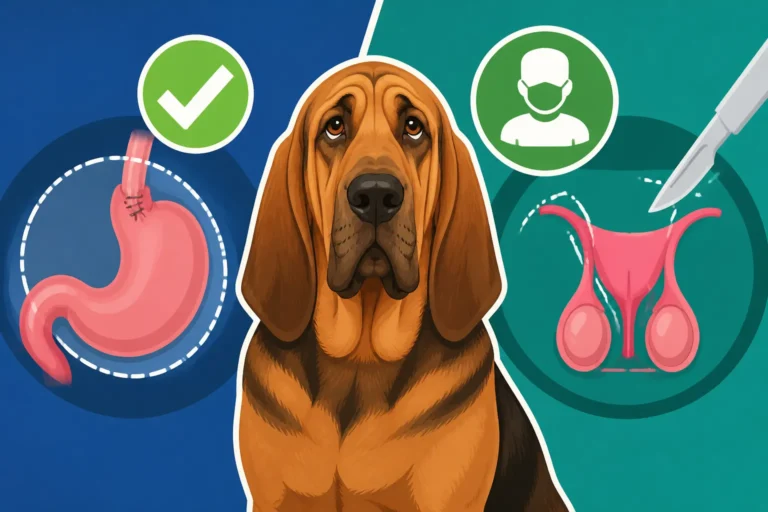
For many Bloodhound owners, especially those with dogs whose relatives have bloated, a preventive gastropexy is a serious consideration. A gastropexy is a surgical procedure where the stomach is permanently attached to the abdominal wall. This attachment prevents the stomach from twisting (volvulus), though it does not prevent it from dilating (bloating with gas). Essentially, it turns a GDV emergency into a less critical gastric dilatation, giving you more time to get to the vet and significantly improving the prognosis. It’s a decision many owners face: The Gastropexy Decision Every Bloodhound Owner Faces.
This procedure can be performed conventionally (open surgery) or laparoscopically, which is less invasive and usually involves a quicker recovery time. Often, it's done concurrently with spaying or neutering when the Bloodhound is young, making it a single anesthetic event. While it is surgery, the peace of mind it offers is invaluable. Many veterinary professionals, including those familiar with deep-chested breeds, advocate for it as the most effective preventative measure. While a gastropexy doesn't eliminate all risk of gastric distress, it dramatically reduces the life-threatening component of the twist. Even with a gastropexy, your Bloodhound could still experience bloat (dilatation), but the critical, often fatal, twisting is prevented, vastly improving their chances of survival. Knowing What a Preventive Gastropexy Does for a Bloodhound can help owners make an informed choice. It's a significant investment, but when considering the potential emergency vet bills and the emotional toll of bloat, many find it more than worthwhile, and some pet insurance providers like Healthy Paws may offer coverage for this preventive surgery.
Living with a Bloat-Prone Breed
Owning a Bloodhound means accepting a certain level of vigilance when it comes to bloat. It's a lifelong commitment to understanding their specific needs and being prepared for the unexpected. Even with all the preventative measures, a sense of readiness is paramount.
Emergency Preparedness and Veterinary Care
Because of the extreme urgency of GDV, being prepared for an emergency is non-negotiable. This means knowing the location and contact information for the nearest 24-hour emergency veterinary clinic – not just your regular vet. It’s also wise to have a plan for transportation. Can your Bloodhound get into your car quickly? Do you have someone who can help you? Time is of the essence, and precious minutes shouldn't be wasted fumbling for phone numbers or directions. Many owners even inform their closest friends or family about the signs of bloat in case they are watching their Bloodhound when symptoms arise.
When bloat strikes, informing the emergency clinic while you are en route can save critical time upon arrival. This allows the veterinary team to prepare for your Bloodhound’s arrival, getting equipment ready for diagnostics, stabilization, and potential surgery. Early diagnosis and intervention are absolutely key to survival rates. Don't underestimate the severity; assume the worst and seek immediate veterinary attention. Some pet insurance plans, such as Healthy Paws, can be incredibly helpful in covering the often exorbitant costs of emergency bloat surgery and intensive care, alleviating financial stress during an already traumatic time. It’s a good idea to research such options before an emergency occurs.
Long-Term Management and Peace of Mind
Beyond immediate emergency planning, living with a bloat-prone breed like the Bloodhound requires consistent, long-term management. This includes maintaining a healthy weight for your dog, as obesity can sometimes contribute to bloat risk. Regular, moderate exercise is important for overall health, but always remember the critical rule of avoiding strenuous activity immediately before or after meals. Even with a preventive gastropexy, Whether a Bloodhound With a Gastropexy Can Still Bloat is a question that highlights the need for continued vigilance. While the twist is prevented, gastric distension can still occur, causing discomfort and requiring veterinary attention.
For many owners, the peace of mind that comes from knowing they've done everything possible is invaluable. This might mean adhering strictly to feeding guidelines, using slow-feeder bowls, managing stress, and, for many, opting for the preventive gastropexy. Regularly discussing your Bloodhound's health and any concerns with your veterinarian is also crucial. They can provide personalized advice based on your dog's specific history and risk factors. Ultimately, owning a Bloodhound is a deeply rewarding experience, and by understanding and actively mitigating the risk of bloat, you can ensure many happy, healthy years with your beloved scent hound.
Disclaimer
This article is intended for informational purposes only and does not constitute veterinary medical advice. Always consult with a qualified veterinarian for any health concerns or before making any decisions about your Bloodhound's care, diet, or medical treatment. In cases of suspected bloat, seek emergency veterinary attention immediately.