Whether a Bloodhound’s Tear Staining Can Be Cleaned Off
Those dark, reddish-brown streaks under your Bloodhound's eyes can be a real headache, making their otherwise noble face look perpetually stained and, let's be honest, a little unkempt. It’s a common frustration for many Bloodhound owners, watching these marks reappear no matter how diligently you wipe. This comprehensive guide will walk you through exactly why your Bloodhound gets tear staining, how you can effectively clean those stubborn marks, and practical steps you can take to prevent them from coming back, ensuring your hound looks and feels their best.
Understanding Why Bloodhounds Get Tear Stains
Before we can effectively tackle those stubborn tear stains, it's crucial to understand why our beloved Bloodhounds are so prone to them in the first place. It's not just about aesthetics; tear staining is often a visible symptom of underlying factors, some unique to the breed, others common across many dogs. Getting to the root cause is the first step toward a clearer-eyed companion.
The Unique Anatomy of a Bloodhound's Eye
The Bloodhound's iconic face, with its deep wrinkles and drooping eyes, is what gives them their wise, melancholic expression and their incredible scenting ability. However, this very anatomy also sets them up for tear staining. Their lower eyelids often hang away from the eyeball, a condition known as ectropion, which is a characteristic of the breed. This means tears don't always drain properly through the tear ducts in the inner corner of the eye. Instead, they well up and spill over the lower lid, flowing down the face.
This constant overflow of tears, combined with the deep facial folds around their eyes, creates a perpetually damp environment. This dampness is a perfect breeding ground for yeast and bacteria, particularly Porphyrin, which is found in dog tears. When exposed to light and air, the iron-containing porphyrins in the tears oxidize, turning that tell-tale reddish-brown color that we recognize as tear staining. It's not dirt; it's a chemical reaction happening right on their fur. You can learn more about their unique eye structure in Why a Bloodhound's Haw Shows and Whether a Bloodhound's Drooping Lid Is a Defect or the Standard.
Causes Beyond Anatomy
While anatomy plays a huge role, it's not the only factor. Many other elements can contribute to or exacerbate tear staining in your Bloodhound. Environmental irritants are a big one: dust, pollen, smoke, or even household cleaning products can irritate your dog's eyes, leading to increased tear production. Think of it like a human's watery eyes when allergies kick in – more tears mean more potential for staining.
Diet also has a surprising impact. Some believe that certain ingredients, fillers, or artificial colors in dog food can contribute to tear staining by causing mild allergic reactions or inflammation that affects tear production. Similarly, the quality of your dog's drinking water matters; water high in minerals or iron can sometimes contribute to the staining. Even stress or excitement can temporarily increase tear flow. Furthermore, underlying health issues like allergies, clogged tear ducts, eyelash abnormalities, or even minor eye infections can be significant culprits. These issues often require veterinary attention to truly resolve the excessive tearing, rather than just treating the visible stain.
Effective Cleaning Strategies for Bloodhound Tear Stains
Once those reddish-brown streaks have set in, they can be incredibly stubborn. But don't despair! With consistent effort and the right approach, you can significantly reduce their appearance and keep your Bloodhound's face looking cleaner. The key here is patience and persistence, as there's no magic bullet for immediate, permanent removal.
Daily Maintenance is Key
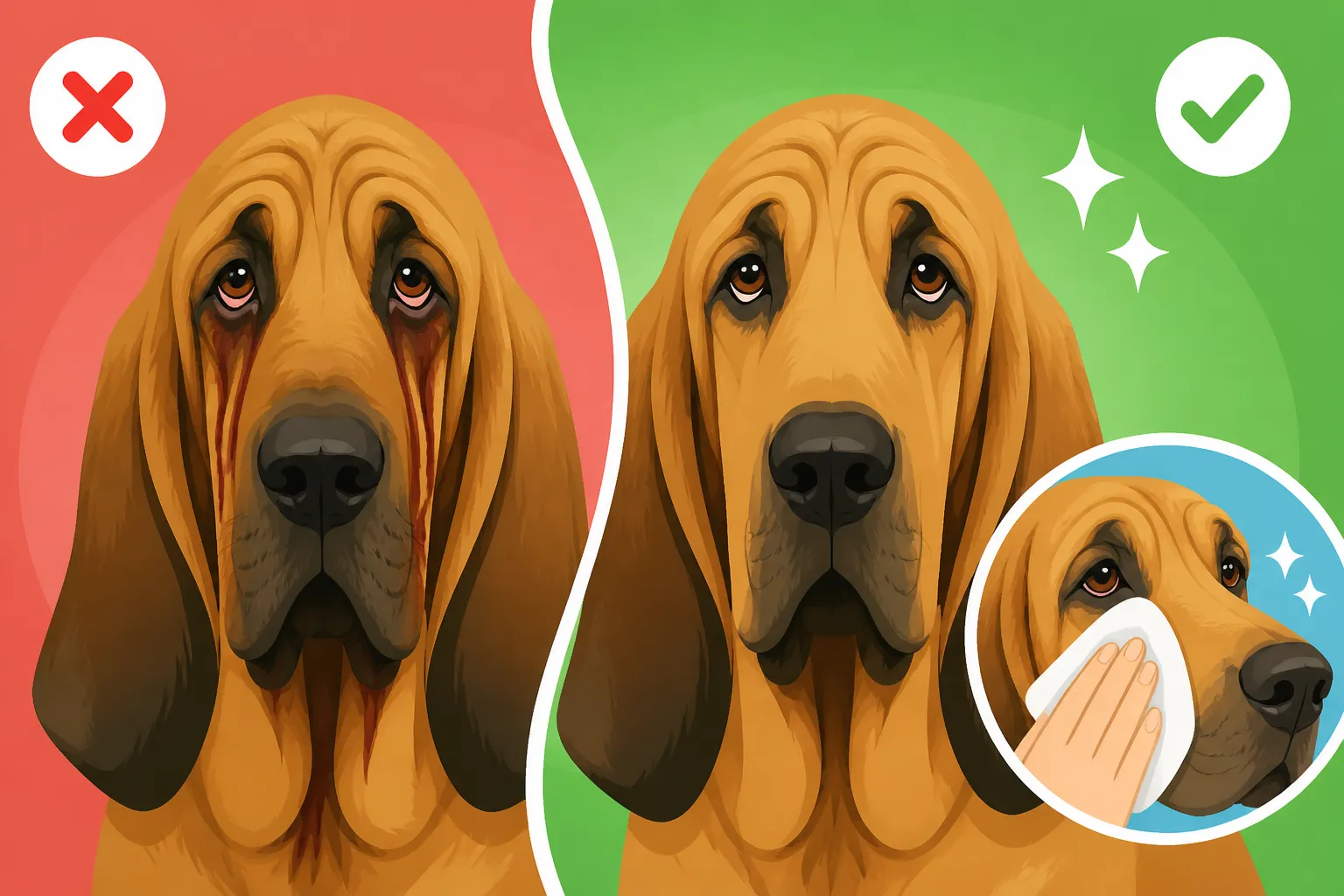
The absolute best defense against stubborn tear stains is diligent, daily cleaning. Just like you brush your teeth every day to prevent plaque buildup, you need to address your Bloodhound's eyes daily to prevent the stains from setting. For routine maintenance, a simple saline solution (like those used for contact lenses, ensure it’s plain saline without added ingredients) applied to a soft cotton pad can be incredibly effective. Gently wipe the stained area, making sure to get into the folds. This helps dilute and wash away fresh tears before they have a chance to oxidize and stain.
Many pet-specific eye wipes are also available on the market, which are formulated to be safe around a dog's eyes and often contain mild cleansing agents or natural astringents. When choosing a product, look for ones free from harsh chemicals, perfumes, or bleaching agents that could irritate sensitive skin. You can find a wide variety of these wipes on online retailers like Chewy or Amazon, making it easy to keep a supply on hand. Consistency is far more important than the specific product; a quick daily wipe will do wonders compared to sporadic, intense cleaning sessions. For more tips, check out Daily Eye Care for a Bloodhound.
Step-by-Step Cleaning Process
To ensure you're effectively cleaning the area without causing irritation, follow these steps:
- Gather Your Supplies: Have your chosen cleaner (saline solution, pet-safe eye wash, or specialized wipes), clean cotton pads or soft cloths, and a towel ready.
- Position Your Bloodhound: Find a calm, well-lit area. Have your Bloodhound sit or lie down comfortably. If your dog is wiggly, having a helper to gently hold their head can make the process smoother. Speak in a soothing voice and offer praise.
- Prepare the Area: Gently part the fur around the eyes to expose the stained areas.
- Apply Cleaner: If using a liquid cleaner, saturate a fresh cotton pad with it. If using wipes, take one out. Avoid using the same cotton pad for both eyes to prevent potential cross-contamination if one eye has an infection.
- Gently Wipe: Starting from the inner corner of the eye and wiping outwards, gently but firmly wipe away the staining. Pay close attention to the skin folds directly beneath the eye, as this is where moisture and bacteria tend to accumulate. You might need several fresh pads to get all the stain off. Do not use cotton swabs or anything that could poke the eye or leave fibers behind.
- Dry Thoroughly: This step is crucial. After cleaning, gently pat the area completely dry with a clean, soft cloth. Leaving the area damp will only encourage more bacterial and yeast growth, undoing all your hard work. You can even use a low, cool setting on a hairdryer if your Bloodhound tolerates it, holding it at a safe distance.
- Reward Your Hound: Finish with lots of praise, a treat, or a favorite toy to make the experience positive. This will help your Bloodhound associate eye cleaning with good things, making future sessions easier.
Remember, this isn't a one-and-done solution; these steps need to be repeated daily or even twice a day for the best results.
Addressing Stubborn Stains
For deeply set, stubborn tear stains that daily wiping alone doesn't seem to touch, you might consider using a specialized tear stain remover. These products often contain very mild oxidizing agents that help lighten the stained fur. However, extreme caution is warranted with any product designed to "bleach" or lighten fur, as many contain ingredients that can be very irritating or even harmful if they get into your dog's eyes. Always read labels carefully, follow instructions precisely, and avoid contact with the eyes themselves.
Some people resort to trimming the stained fur, especially if it's thick and heavily discolored. If you choose this route, use blunt-nosed scissors and be exceptionally careful around your Bloodhound's eyes, as any sudden movement could result in injury. If you're uncomfortable doing this yourself, a professional groomer can often assist. For very persistent stains that don't respond to diligent cleaning, it's always best to consult your veterinarian. They can rule out underlying medical conditions and recommend safe, effective treatments, or even prescription-strength options if appropriate.
Preventing Future Tear Stains on Your Bloodhound
Cleaning existing tear stains is one battle, but preventing new ones from forming is the ongoing war. While you can't change your Bloodhound's genetics or tear production entirely, there are several proactive steps you can take to minimize the likelihood and severity of future staining. A multi-faceted approach, tackling both internal and external factors, often yields the best results.
Dietary and Water Considerations
What goes into your Bloodhound can sometimes manifest on the outside. Consider their diet: some owners report a noticeable reduction in tear staining when they switch to a high-quality, grain-free dog food with limited ingredients, especially avoiding common allergens like chicken or beef if their dog has sensitivities. Brands like Ollie often offer fresh, custom diets that might be worth exploring for dogs with persistent issues, though it’s always best to introduce any new food gradually. The idea is to reduce any systemic inflammation or allergic response that could be contributing to excessive tearing.
Another simple but often overlooked factor is water quality. Tap water, especially if it's high in minerals, iron, or chlorine, can contribute to tear staining. Switching to filtered or distilled water for your Bloodhound's drinking bowl can sometimes make a surprising difference. This reduces the mineral content in their tears, making them less likely to oxidize and stain. Also, consider the type of bowl your Bloodhound uses. Stainless steel bowls are generally recommended over plastic, as plastic can harbor bacteria and absorb odors, potentially contributing to skin irritation around the mouth and eyes as your Bloodhound drinks. You might also find a narrow, deep bowl that keeps their long ears out of the water also helps prevent eye irritation. For more on this, see Which Bowl Shape Keeps a Bloodhound's Ears Out.
Environmental Management
Your Bloodhound's immediate environment plays a significant role in eye health. Dust, dirt, and allergens like pollen can irritate the eyes and increase tear production. Regularly vacuuming and dusting your home can help reduce airborne irritants. If your Bloodhound spends a lot of time outdoors, especially in dusty or windy conditions, a quick wipe-down of their face after coming inside can prevent external particles from irritating their eyes.
Consider the products you use in your home: air fresheners, scented candles, and harsh cleaning chemicals can all release fumes that might bother sensitive eyes. Opt for pet-safe, unscented alternatives where possible. If your Bloodhound sleeps in an area with a lot of light, ensuring they have a dark, comfortable spot can also help, as bright lights can sometimes stimulate tear production. Regular grooming, including carefully trimming any long hair around the eyes (if applicable to your Bloodhound's specific coat), can also prevent fur from wicking tears onto the face or poking the eyes directly.
When to See the Vet
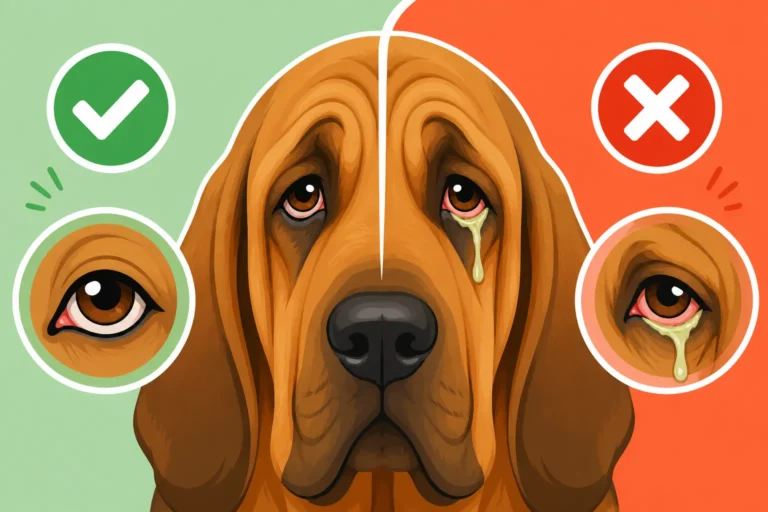
While tear staining is often a cosmetic issue, persistent, sudden, or worsening staining should always prompt a visit to your veterinarian. This is especially true if you notice other symptoms like pawing at the face, redness, swelling, discharge (beyond the normal clear tears), squinting, or a change in eye color. These can be signs of more serious underlying conditions that require medical intervention.
Conditions such as What Ectropion Looks Like on a Bloodhound, where the lower lid sags, or What Entropion Does to a Bloodhound's Eye, where the lid rolls inward causing eyelashes to scratch the cornea, can lead to severe irritation and increased tearing. Other possibilities include blocked tear ducts, allergies, foreign objects in the eye, corneal ulcers, or even certain infections. Your vet can perform a thorough eye examination, including tests to check tear production and tear duct patency, and rule out any medical issues. Addressing these underlying problems is the most effective way to truly stop the excessive tearing and, consequently, the tear staining. Don't hesitate to seek professional advice; your Bloodhound's comfort and long-term eye health are paramount.
Common Myths and Realities About Bloodhound Tear Staining
The internet is awash with advice (and misinformation) regarding tear staining. It's easy to get lost in a sea of home remedies and quick fixes. Let's separate fact from fiction so you can make informed decisions for your Bloodhound's health and appearance.
Are Antibiotics the Answer?
One common myth that circulates is that antibiotics are a universal solution for tear staining. It's true that some tear stain products in the past, or even some prescribed by vets for severe cases, contained low doses of antibiotics like Tylosin. The idea was that these antibiotics would kill the bacteria (Porphyrin) responsible for the reddish-brown discoloration. However, this approach comes with significant drawbacks and risks.
Firstly, using antibiotics for cosmetic purposes, especially long-term or at low doses, contributes to antibiotic resistance – a serious global health concern. This means that when your Bloodhound genuinely needs antibiotics for a real infection, they might not work. Secondly, antibiotics target bacteria, but yeast can also be a significant contributor to tear staining, and antibiotics don't affect yeast. Relying on them without a proper diagnosis can mask underlying issues. Many veterinary professionals now strongly discourage the routine use of oral antibiotics for tear staining unless a confirmed bacterial infection is diagnosed and causing the excessive tearing. If your vet suggests a course of antibiotics, it should be part of a comprehensive treatment plan for a diagnosed issue, not a quick fix for aesthetics.
The Role of Grooming Tools
When it comes to grooming tools around your Bloodhound's eyes, less is often more, and caution is paramount. You might see advice to use specific combs or brushes to scrape away dried tear crusts. While a very fine-toothed comb can sometimes help to gently remove dried gunk from the fur, it should be used with extreme care and never directly on the skin or too close to the eye itself. Aggressive brushing or combing can irritate the delicate skin under the eye, leading to redness, inflammation, and potentially worsening the problem.
Blunt-nosed scissors, as mentioned earlier, can be useful for carefully trimming heavily stained fur, but again, safety first. Ensure your Bloodhound is calm and still, and you have good lighting. Never use sharp-tipped scissors near their eyes. Avoid any tools that could scratch the cornea, such as metal combs used carelessly. Stick to soft cotton pads, specialized pet wipes, or clean, soft cloths. The goal is gentle, consistent care, not abrasive removal. If you're uncertain about how to safely use a particular grooming tool around your Bloodhound's eyes, consult a professional groomer or your veterinarian for a demonstration and advice.
Is it just "part of the breed"?
It's tempting to throw your hands up and declare tear staining "just part of being a Bloodhound" and resign yourself to it. And while it's true that their unique facial structure makes them highly prone to tear overflow and subsequent staining, that doesn't mean you should ignore it or accept it as unmanageable. Many breed characteristics, like a Bloodhound's long ears, come with their own management requirements, such as Cleaning a Bloodhound's Ears Every Week for Life. Tear staining is no different.
While you might not achieve perfectly stain-free eyes 100% of the time, especially with a dog predisposed to it, you can significantly reduce its severity and keep your Bloodhound much more comfortable. Ignoring tear staining means ignoring the potential for skin irritation, yeast infections in the damp folds, and possible discomfort for your dog. A proactive approach, combining diligent cleaning, environmental management, and veterinary consultation when needed, can make a world of difference. Your Bloodhound's comfort and health are worth the effort, and a clean, stain-free face just happens to be a lovely bonus.
| Cleaning Method | Pros | Cons | Frequency |
|---|---|---|---|
| Plain Saline Solution | Gentle, inexpensive, readily available. | May not remove deep, set-in stains as effectively. | Daily |
| Pet-Specific Eye Wipes | Convenient, formulated for safety, often mild. | Can be more expensive, some ingredients may irritate sensitive dogs. | Daily |
| Specialized Stain Removers | Can lighten deep stains, targeted action. | Risk of eye irritation if not used carefully, may contain harsh chemicals. | As directed (often less frequent) |
| Homemade Solutions (e.g., diluted apple cider vinegar) | Inexpensive, natural. | Effectiveness varies, can be irritating if not diluted properly. | Not recommended without vet consult |
| Trimming Stained Fur | Immediately removes visible stain. | Requires extreme caution to avoid injury, stain will grow back. | As needed (by professional) |
Disclaimer
This article is for general informational purposes only and does not constitute professional advice. Laws, prices and regulations vary by location and change over time. Consult a qualified professional for guidance on your specific situation.