Whether a Bloodhound’s Fold Smell Means Infection
Ah, the distinct aroma of a Bloodhound! If you're a Bloodhound parent, you know exactly what I'm talking about. We adore our wrinkly companions, but sometimes, that deep, musky, earthy smell they carry can turn a bit… off-putting. It’s natural to wonder, as you lean in for a sniff and catch a whiff of something less-than-pleasant, if that particular fold smell is just "being a Bloodhound" or if it's a sign that something more serious, like an infection, is brewing in those wonderful, deep creases. Let's dig into this common concern and figure out what's normal and what should send you reaching for the vet's number.
The Unique Anatomy That Makes Bloodhounds, Well, Bloodhounds (and Sometimes Smelly)
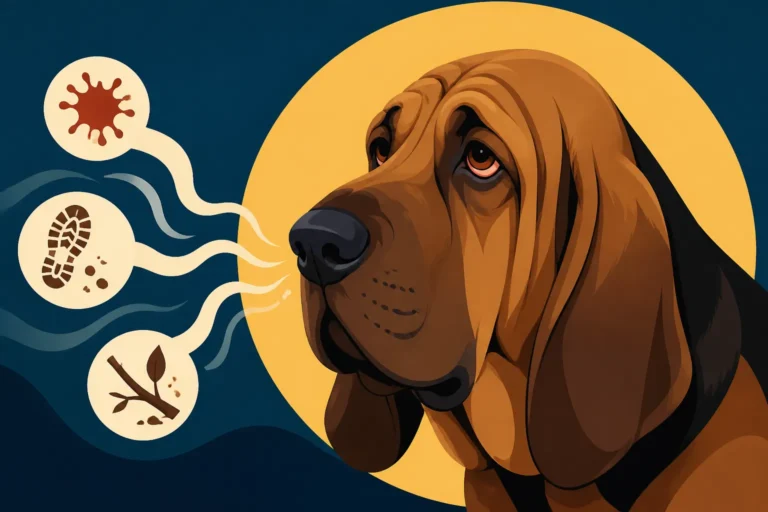
Our beloved Bloodhounds are famous for their incredible noses and their signature saggy skin. Those loose jowls, the deep folds around their necks, and the expressive wrinkles on their faces aren't just for show – they're part of what makes a Bloodhound such an effective scent hound. But these same adorable features can also create a perfect storm for certain skin issues, including odors that can sometimes cross the line into actual infection.
Why Those Wonderful Wrinkles are a Hotspot for Bacteria
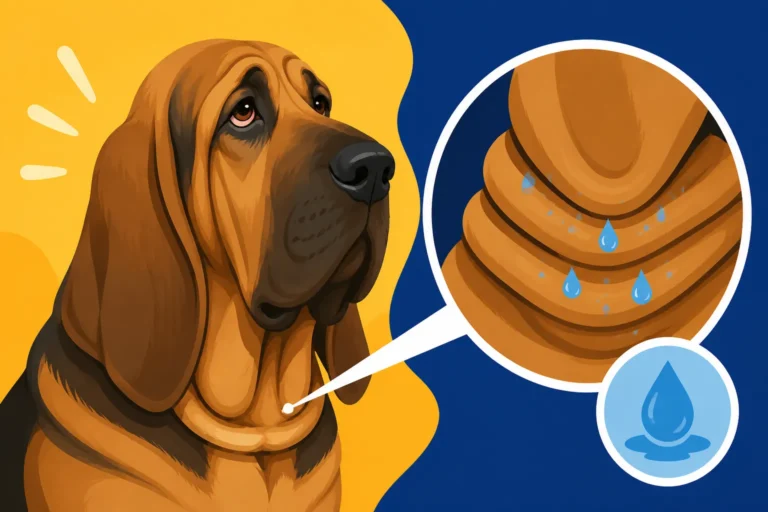
Imagine wearing a turtleneck sweater that's always slightly damp, warm, and never sees the light of day. That's essentially what some of your Bloodhound's deepest skin folds are like. Their skin folds, particularly around the lips (the flews), on the neck, and under the chin, create microclimates. These areas are poorly ventilated, making them prone to trapping moisture from drool, food, and even humidity in the air. This constant dampness, combined with the warmth of their body, creates an ideal breeding ground for bacteria and yeast.
It's not just the moisture; skin cells, dirt, and tiny food particles can also get trapped in these nooks and crannies. Over time, this mixture ferments and grows, leading to that distinct, often unpleasant, odor. Think of it like a tiny, self-contained swamp. It's a natural consequence of their magnificent skin, and it's why keeping these areas clean is such an important part of Everything on a Bloodhound Hangs Down and Has to Be Cleaned. Without diligent care, these perfectly formed pockets can quickly turn from a mild funk to a full-blown skin infection.
Normal Bloodhound Odors vs. Suspicious Smells
Okay, so we've established that Bloodhounds have a "scent." It’s part of the package! A healthy Bloodhound might have a mild, musky, or "houndy" smell, especially after a good romp outside or a nap. This natural scent is due to skin oils, hair, and the normal bacterial flora living on their skin. It's usually not overwhelming, and you might even grow to find it somewhat comforting – it’s their smell.
However, a suspicious smell crosses a line. If you start noticing an odor that's distinctly different, stronger, and particularly unpleasant, it's a red flag. Here's a quick guide:
- Cheesy/Sour/Foul: This often points to bacterial overgrowth. It's a pungent, almost rancid smell that can make you recoil. This isn't just "houndy"; it's a sign that bacteria are having a party.
- Yeasty/Sweet: A sweeter, sometimes bread-like or distinctly yeasty smell can indicate a yeast infection, particularly by Malassezia. It's a common culprit in damp, warm areas and can be quite pervasive.
- Putrid/Rotten: This is a major alarm bell. A truly foul, rotten smell suggests severe bacterial infection, possibly with tissue damage or necrosis. This requires immediate veterinary attention.
Distinguishing between a typical Bloodhound smell and an unhealthy odor is a skill every owner develops. Trust your nose! If it makes you crinkle yours, it’s probably not just "normal."
Recognizing the Red Flags: When Odor Signals Trouble
A foul smell is often the first, most obvious sign that something is amiss in your Bloodhound's folds. But it's rarely the only sign. Infections, often called fold dermatitis or pyoderma, don't just happen overnight with an odor; they usually come with a host of other symptoms that indicate irritation and inflammation. Understanding these accompanying signs is crucial for early detection and intervention.
Beyond Just Smell: Other Signs of Fold Dermatitis
When those folds are truly infected, you'll likely see more than just a bad smell. Your Bloodhound might exhibit a range of visual cues and behavioral changes that scream "problem." It's like a symphony of symptoms, with the smell being the conductor.
Visually, look for:
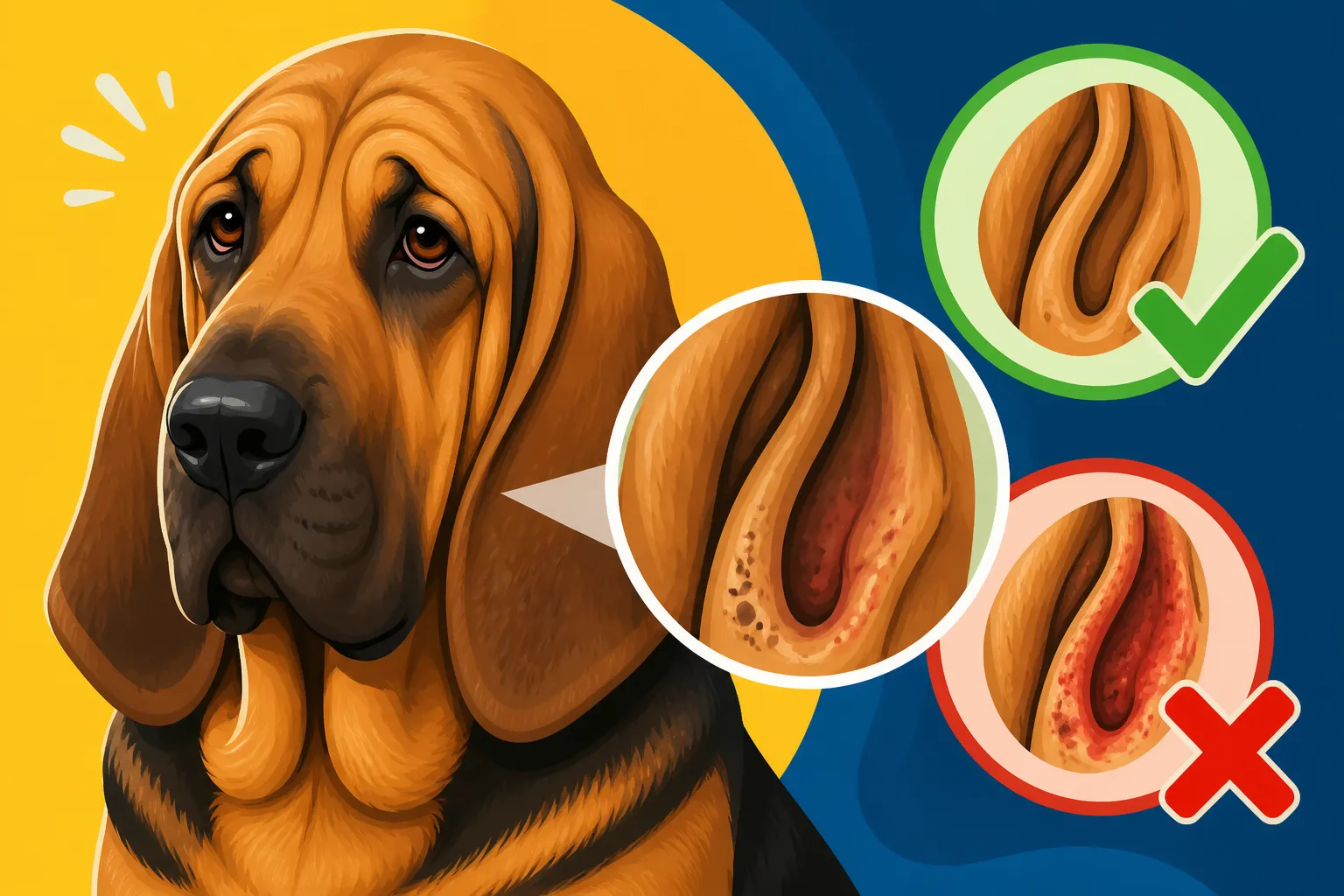
- Redness and Inflammation: The skin within and around the folds will appear red, angry, and swollen. It won't look like healthy, pink skin.
- Hair Loss: Constant dampness, rubbing, and inflammation can lead to the hair thinning or completely falling out in the affected area. You might see bald patches within the creases.
- Discharge: This is a big one. You might notice a greasy, yellowish, brownish, or even green discharge. It could be thin and watery or thick and pus-like. This discharge contributes significantly to the awful smell and indicates active infection.
- Crusting or Scabbing: As the infection progresses, the skin can become crusty, flaky, or develop scabs from scratching and irritation. These can be painful for your dog.
- Sores or Ulcers: In severe cases, the skin can break down, leading to open sores or ulcers within the folds. These are extremely painful and are an emergency.
Behaviorally, your Bloodhound might give you clues:
- Excessive Licking or Rubbing: Your dog might constantly try to lick the affected area, rub their face on furniture or the carpet, or scratch at their neck. This self-trauma only makes the problem worse.
- Pain or Sensitivity: If you try to clean or even just touch the infected fold, your Bloodhound might flinch, growl, or show signs of discomfort. They may become head-shy if the facial folds are involved.
- Lethargy or Loss of Appetite: While less common for localized fold dermatitis, a severe, widespread infection could make your dog feel generally unwell, leading to a decrease in energy or interest in food.
These signs, especially when coupled with a foul odor, are strong indicators that you're dealing with more than just a normal "hound smell." It’s important to pay attention to Signs a Bloodhound's Fold Is Turning to catch these issues early.
Common Culprits: Bacteria, Yeast, and Allergies
Fold dermatitis isn't usually caused by one single factor, but rather a combination of unfortunate circumstances unique to the Bloodhound's anatomy. The trapped moisture and warmth create a haven, and then various microorganisms move in and set up shop.
Bacterial Infections: These are incredibly common. The skin normally harbors various bacteria, but in a damp, oxygen-deprived environment, certain bacteria, particularly Staphylococcus species, can overgrow and become opportunistic pathogens. This leads to a bacterial pyoderma (skin infection). The smell associated with bacterial infections is typically described as cheesy, rancid, or just plain putrid. The discharge is often yellowish or green. Bacterial infections often require antibiotics, either topical or oral, to get under control.
Yeast Infections: Another frequent offender is yeast, primarily Malassezia pachydermatis. This yeast is also a normal inhabitant of canine skin, but like bacteria, it thrives in warm, moist, poorly ventilated areas. A yeast infection often presents with a distinctive sweet, musty, or "corn chip" smell. The skin might also appear greasy, reddish-brown, and scaly. Yeast infections are notoriously itchy and can make your Bloodhound miserable. Antifungal medications, often in the form of medicated shampoos or wipes, are usually necessary for treatment.
Allergies: This is a huge, underlying factor for many Bloodhounds experiencing recurrent fold dermatitis. Whether Allergies Make a Bloodhound's Folds Worse is a resounding yes. When a Bloodhound has environmental allergies (pollen, dust mites) or food allergies, their skin becomes inflamed and itchy. This inflammation can make the skin folds even more susceptible to bacterial and yeast overgrowth. An allergic dog might scratch more, causing micro-traumas to the skin that further open the door to infection. Additionally, increased licking due to itchiness can introduce more moisture and bacteria into the folds. Addressing the root cause of allergies is crucial for long-term management of fold dermatitis.
It’s often a combination of these factors – allergies trigger inflammation, which then allows bacteria and yeast to proliferate, leading to a vicious cycle of itchiness, licking, and worsening infection.
Taking Action: What to Do When the Folds Don't Smell Right
Discovering that your Bloodhound’s folds have gone from "houndy" to "yucky" can be disheartening, but the good news is that there are clear steps you can take. Your response will depend on the severity of the issue, but it usually starts with a renewed focus on hygiene.
Stepping Up Your Cleaning Routine
For mild odors or the very first signs of irritation, stepping up your cleaning routine is your first line of defense. Consistency is key here – this isn't a one-and-done solution, but an ongoing commitment to your Bloodhound's health.
First, gather your supplies. You'll want gentle, pet-safe cleansing wipes or solutions. Many veterinarians recommend antiseptic wipes containing chlorhexidine, which is effective against both bacteria and yeast. You can find these at most pet supply stores or online retailers like Chewy or Amazon. Avoid harsh soaps, alcohol, or human products that could further irritate your dog's sensitive skin. For a very mild case, sometimes even just warm water and a soft cloth followed by thorough drying can help. What to Wipe a Bloodhound's Folds With is important; you want something effective but non-irritating.
Here’s a step-by-step approach to cleaning those tricky folds:
- Gently Separate the Folds: This can be challenging, especially in the deeper areas around the neck or under the jowls. You might need a second person to help hold your Bloodhound still and gently stretch the skin to expose the crease.
- Wipe Thoroughly: Take your chosen wipe or a cloth dampened with a vet-approved cleaning solution and meticulously wipe deep into each fold. Be gentle but firm enough to remove any debris, discharge, or crusts. Don't be shy – you need to get into the fold, not just across the surface.
- Dry Completely: This is arguably the most critical step. Leaving moisture behind, even from your cleaning solution, defeats the purpose. Use a clean, dry, soft cloth or cotton balls to absorb all remaining dampness. You can even gently blot with a tissue. For particularly deep or stubborn folds, some owners use a cool hairdryer setting, holding it a safe distance away, to ensure complete dryness.
- Repeat as Needed: For an active infection or strong odor, you might need to clean the folds twice a day. For maintenance, a daily cleaning is often sufficient, especially for the most problematic areas like the lip folds.
Remember, patience and a positive attitude will go a long way. Make it a calm, rewarding experience for your Bloodhound, perhaps with a tasty treat afterward.
When to Seek Veterinary Help
While stepping up your home care is a great start, there are definite instances where a trip to the vet is absolutely necessary. Don't play doctor with a worsening infection; early veterinary intervention can prevent a lot of pain and more complicated treatment down the line.
You should make an appointment with your veterinarian if:
- The Smell Persists or Worsens: If you've been diligently cleaning for a few days and the foul odor hasn't improved or, worse, has intensified, it's time for professional help.
- Worsening Redness, Swelling, or Discharge: Any signs of inflammation, increased redness, puffiness, or copious discharge (especially if it's thick, yellow, or green) point to a more serious infection that likely needs prescription medication.
- Pain or Discomfort: If your Bloodhound cries out, flinches, or refuses to let you touch the affected area, they are in pain, and a vet needs to assess them. Open sores or ulcers are also definite emergencies.
- Behavioral Changes: If your dog is constantly licking, scratching, or rubbing at the folds to the point of self-mutilation, or if they seem generally unwell, don't delay.
- Recurrent Issues: If fold dermatitis is a recurring problem, even if it seems to resolve with home care, your vet can help investigate underlying causes like allergies, which might require a different management strategy.
When you visit the vet, they will likely examine the affected folds closely and may perform a cytology. This involves taking a swab or impression of the skin and looking at it under a microscope to identify whether bacteria, yeast, or both are present, and in what quantities. This helps them choose the most effective treatment. Treatment might include prescription medicated wipes, gels, or sprays, oral antibiotics, oral antifungals, or even corticosteroids to reduce inflammation. Whether a Bloodhound's Fold Infection Needs Antibiotics is a question your vet will answer after diagnosis. For severe, chronic cases, surgical intervention to remove problematic folds (called a cheiloplasty or fold resection) might even be discussed, though this is rare for most owners.
Proactive Prevention: Keeping Those Folds Fresh
As the old saying goes, an ounce of prevention is worth a pound of cure. When it comes to Bloodhound folds, this couldn't be truer. Establishing a consistent routine and making smart choices about their care and lifestyle can dramatically reduce the likelihood of painful and smelly fold infections.
The Importance of a Consistent Daily Regimen
For a Bloodhound, proper fold hygiene isn't a luxury; it's a necessity. Their anatomy dictates it! A daily cleaning and drying routine for their most problematic folds is your best defense against odor and infection. Think of it like brushing your teeth – it's something you do every single day without fail.
Identify your Bloodhound's "hot spots." For many, it's the lip folds, which are constantly exposed to moisture from drinking and eating. The deep neck folds can also be problematic, especially for very loose-skinned individuals. Dedicate a few minutes each day to gently clean and, most importantly, thoroughly dry these areas. This consistent removal of moisture, trapped debris, and surface bacteria/yeast is what prevents them from building up to problematic levels. Regular Wiping a Bloodhound's Folds Before They Sour is much easier than treating an active infection.
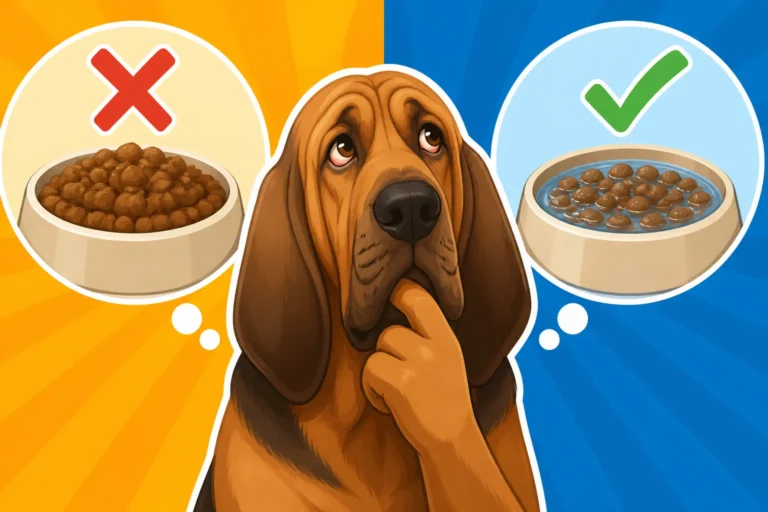
Beyond direct cleaning, consider other ways to minimize moisture in the folds. For instance, using a snood during meal times can be a game-changer. A snood is a fabric tube that goes over your Bloodhound's head, pulling their long ears and jowls back and keeping them out of their food and water bowls. This simple accessory can prevent their ears from dragging through their meal and reduce the amount of food and water that collects in the folds around their mouth. Whether a Snood Does for a Bloodhound is clear: it’s a big help! Similarly, consider specialized bowls, such as a narrow, deep bowl, which can help keep their long ears out of the water bowl and prevent excess moisture from dripping down their jowls. Which Bowl Shape Keeps a Bloodhound's Ears Out can make a real difference in daily cleanliness.
Long-Term Management and Lifestyle Considerations
Managing your Bloodhound's folds goes beyond just daily wiping. It involves a holistic approach to their health and environment.
Dietary Factors: If allergies are suspected to be contributing to fold dermatitis, a dietary trial with a novel protein or hydrolyzed protein diet might be recommended by your vet. This means feeding a specific, limited ingredient diet for several weeks to see if skin inflammation improves. Companies like Ollie offer custom meal plans that can be tailored to sensitive dogs, but always consult with your vet before making significant dietary changes. A healthy gut biome can also influence skin health, so discussing a probiotic supplement with your vet could be beneficial.
Environmental Control: While you can't change your Bloodhound's wrinkles, you can manage their environment. Ensure they have access to cool, dry places, especially in humid climates. After a bath or a swim, make sure their entire body, and especially their folds, are thoroughly dried. Dampness lingering for hours is an invitation for trouble.
Regular Vet Check-ups: Incorporate fold checks into your regular veterinary visits. Your vet can give you specific advice tailored to your dog's unique anatomy and identify any subtle issues you might miss. Regular check-ups are also vital for overall health, including ear and eye health, which can also be prone to issues in Bloodhounds. What a Bloodhound's Eye and Ear Check Adds to a Vet Visit is invaluable for catching problems early across all their unique features.
Overall Hygiene Practices: Don't forget general grooming! Regular bathing with a mild, moisturizing shampoo helps maintain skin health, and keeping their nails trimmed prevents self-inflicted scratches if they do get itchy. While a Bloodhound's short coat is relatively low maintenance, a consistent routine helps manage their overall skin health.
| Symptom / Characteristic | Normal Bloodhound Smell & Appearance | Signs of Potential Fold Infection |
|---|---|---|
| Odor | Mildly musky, earthy, "houndy" scent | Cheesy, sour, yeasty, foul, putrid |
| Skin Color | Healthy pink, sometimes pigmented | Red, inflamed, angry-looking |
| Texture | Smooth, supple | Greasy, scaly, crusty |
| Hair | Full, short, glossy | Thinning, patchy, hair loss |
| Discharge | None (or minimal clear tearing from eyes) | Yellowish, brownish, greenish, pus-like |
| Behavior | Calm, allows touching of folds | Licking, rubbing, scratching, pain on touch, head-shyness |
| Temperature | Normal skin temperature | Warm to the touch in affected area |
| Lesions | None | Sores, ulcers, pustules, scabs |
Ultimately, a Bloodhound's distinct smell is part of their charm. But when that smell morphs into something truly unpleasant, accompanied by other worrying signs, it's your cue to investigate and take action. With diligent care and prompt veterinary attention when needed, you can keep your beloved Bloodhound's folds healthy and happy, ensuring their scent is primarily one of pure, unadulterated hound love!
Disclaimer
This article is for general informational purposes only and does not constitute professional advice. Laws, prices and regulations vary by location and change over time. Consult a qualified professional for guidance on your specific situation.