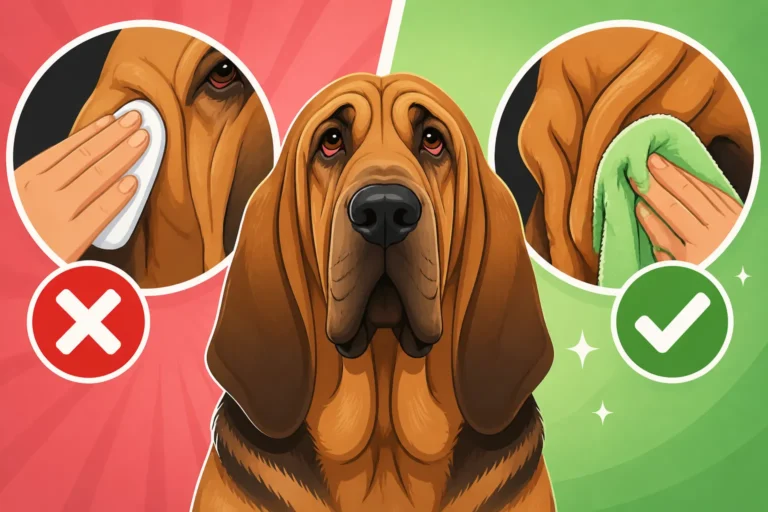
What a Bloodhound’s Ear Leather Weighs When Wet
Anyone who shares their life with a Bloodhound knows the distinct sensation of their incredible ears. They're long, velvety, and undeniably gorgeous, but there’s a secret burden hiding in those magnificent flaps: they get heavy, especially when wet. Understanding just how much that ear leather weighs when saturated with water, drool, or even mud, is crucial for appreciating the unique care these hounds require to prevent discomfort and chronic health issues. This guide dives deep into the reality of those heavy, wet ears and how to manage them.
The Unique Anatomy of a Bloodhound's Ears
Bloodhounds are truly special creatures, and nowhere is that more evident than in their extraordinary ears. These aren't just any floppy ears; they are an integral part of their unparalleled scenting ability, designed to sweep and funnel scent particles towards their powerful noses. But this very design, while a marvel of nature, also creates some significant challenges for us, their human companions.
How Their Length and Pendulous Nature Contribute to Weight
Imagine two broad, heavy pieces of velvet attached to the sides of your head, nearly reaching your shoulders. That's a Bloodhound's ear leather! These ears are not merely long; they are thick and substantial. They can hang down an impressive length, sometimes extending well past the chin, almost to the chest. This sheer volume of tissue means there's a lot of material to absorb and hold moisture. When dry, they're already quite heavy. You can feel the heft of them as you stroke them, a solid mass of cartilage, skin, and fine hair. Now, introduce water, and that weight increases dramatically. Think of a thick bath towel versus a thin dishcloth – the bath towel, when wet, becomes a weighty, sodden thing, and so do a Bloodhound's ears. This is why you'll often hear us lamenting about How Deep a Bloodhound's Ear Canal Runs and the challenges it presents.
The pendulous nature, meaning they hang down, also prevents air circulation. Unlike dogs with prick ears or even semi-prick ears, the Bloodhound's ear canal is constantly covered, creating a warm, moist, and dark environment. This lack of airflow directly impacts how quickly moisture evaporates. So, when those heavy ears get wet, they stay wet for a very long time, prolonging the added weight and the risks that come with it. It’s a design that’s perfect for scenting but less so for dry ears.
The Glandular Structure and Hair Follicles within the Ear
Beyond the external ear flap, the internal structure of a Bloodhound's ear is also geared towards increasing moisture and debris retention. The ear canal itself is quite deep and often very hairy, especially in some lines. These hairs, while seemingly innocuous, act like tiny wicks, drawing moisture further down into the canal and trapping it. They also prevent debris from easily exiting the ear. So, it's not just the visible ear leather soaking up liquid; it's the internal lining and hair within the canal doing the same.
Furthermore, a Bloodhound's skin, including that of their ears, is rich in sebaceous glands, which produce natural oils. While these oils are protective, they can also combine with moisture and trapped dirt to create a sticky, gunky mess. This mixture adds to the overall weight and also acts as a fantastic breeding ground for bacteria and yeast. This internal environment, combined with the heavy, unventilated ear leather, explains why A Bloodhound's Ears Are a Standing Infection Risk is such a persistent truth for the breed. It’s a perfect storm of design features that make their ears both an asset for their work and a liability for their health.
The Impact of Gravity on Bloodhound Ear Leather
It might sound obvious, but gravity plays an enormous role in the challenges associated with a Bloodhound's ears. Because the ears hang low, they are constantly subjected to gravity pulling them downwards. When they are dry, this is simply how they are designed to be. However, when those ears become wet, the increased weight amplifies this gravitational pull. This can lead to the ear leather pressing even more tightly against the side of the head and the ear canal opening, further sealing off any chance of air circulation.
This constant downward pull and increased weight can also cause discomfort and even strain on the cartilage and muscles that support the ears over time. Imagine carrying a heavy backpack all day, every day – eventually, your shoulders will feel the strain. Similarly, a Bloodhound’s ear attachments can be under considerable stress. The gravity also means that any fluid, whether it's water, ear cleaner, or discharge from an infection, tends to drain downwards into the deepest part of the canal, making it difficult for it to naturally exit. This pooling of liquids is a major contributor to recurring ear issues, and it’s why understanding Why a Bloodhound's Ear Leather Blocks Airflow is so essential for proper care. It’s not just about cleaning; it’s about actively combating the natural physics of their unique ear structure.
The Surprising Weight of Wet Bloodhound Ears
When you're dealing with a Bloodhound, you get used to a certain level of… wetness. Drool, water, mud – it's all part of the package. But the ears are in a league of their own when it comes to holding moisture. It's not just a little dampness; it's a profound absorption that significantly increases their already substantial weight. This can catch new Bloodhound owners off guard and lead to a host of problems if not managed diligently.
Why Water Retention Is a Major Concern
Let's get down to the nitty-gritty: how much do those ears weigh when wet? While there isn't a precise scientific measurement for the average "wet ear weight," we can make a pretty good estimate based on practical experience. A typical Bloodhound's ear leather, from its base to its tip, can be anywhere from 8 to 12 inches long, sometimes even longer, and quite wide. When completely saturated with water, dirt, or even thick drool, the tissue itself can easily absorb several ounces of liquid per ear. This means that an ear that might weigh less than half a pound dry could easily approach or exceed a full pound when thoroughly wet. So, your Bloodhound could be carrying an extra one to two pounds of sodden ear weight, just from their ear leather alone!
This isn't just an interesting fact; it's a significant health concern. This additional weight, coupled with the lack of airflow, creates the perfect breeding ground for bacteria and yeast. The warm, dark, damp environment under those heavy, wet flaps is precisely what these opportunistic organisms need to thrive. It’s why we owners are constantly waging war against ear infections and why regular cleaning isn't just good practice, it's absolutely vital. Without proper drying and ventilation, those ears become incubators for trouble, often leading to deep-seated infections that are tough to clear.
Practical Implications for Your Dog's Comfort and Health
The consequences of heavy, wet ears extend far beyond just the risk of infection. For your Bloodhound, this added weight can be genuinely uncomfortable. Imagine trying to walk around with two heavy, damp cloths dangling from your head – it would feel awkward, restrictive, and tiring. Bloodhounds with wet ears might shake their heads more frequently, trying to dislodge the moisture, which can further irritate the ear canal and even lead to aural hematomas (blood blisters in the ear flap) from excessive head shaking.
Beyond immediate discomfort, persistent dampness and weight can also contribute to chronic skin issues along the ear edges and where the ear meets the jawline. Skin Fold Dermatitis on a Bloodhound is a common problem for many parts of their loose skin, and the ears are no exception. The skin can become chafed, inflamed, and develop secondary infections due to constant moisture and friction. This isn't just a surface issue; these can become painful, itchy sores that are difficult to heal and can lead to a dog who is constantly scratching, rubbing, or whining. We're talking about a genuine reduction in their quality of life if ear care isn't a top priority.
How Dirt, Debris, and Moisture Add to the Load
It's not just water that adds weight and causes problems. A Bloodhound's ears are literally designed to sweep the ground as they follow a scent. This means they are constantly dragging through dirt, mud, dust, leaves, twigs, and whatever else might be on the trail. All of this organic material, when combined with moisture (from dew, rain, or drool), adheres to the ear leather and gets pushed down into the ear canal.
Consider a Bloodhound on a damp morning trail; those ears are like mops, collecting everything in their path. The weight quickly accumulates, turning the velvety leather into a heavy, grimy appendage. This debris also physically blocks the ear canal, further reducing airflow and creating more surface area for moisture to cling to. This build-up acts as an abrasive, irritating the delicate skin of the ear and creating tiny breaks in the skin barrier where bacteria can enter. It's a vicious cycle: wetness attracts debris, debris holds more wetness, and the increased weight and irritation predispose the ear to infection. This daily reality is why we need to discuss How Often a Bloodhound's Ears Need Cleaning. Without consistent, thorough care, these issues are almost guaranteed.
| Factor Increasing Ear Weight | Description | Impact on Ear Health |
|---|---|---|
| Water Absorption | Thick ear leather acts like a sponge, soaking up liquids. | Creates warm, moist environment for bacteria/yeast growth. |
| Drool Accumulation | Bloodhounds are known for drool, which often coats the ears. | Sticky, protein-rich moisture feeds microbes. |
| Dirt & Debris | Ears sweep the ground, collecting soil, leaves, mud. | Adds physical bulk; introduces pathogens; abrades skin. |
| Glandular Secretions | Natural oils and wax combine with moisture. | Forms a thick, occlusive layer that traps further moisture. |
| Lack of Airflow | Pendulous design prevents natural drying. | Prolongs wetness and promotes microbial overgrowth. |
Managing Heavy, Wet Ears: A Lifelong Commitment
Given the unique challenges presented by a Bloodhound's magnificent, yet moisture-prone, ears, dedicated care is not optional; it's a fundamental part of responsible ownership. This isn't a task you can occasionally remember to do; it's a weekly, sometimes daily, commitment that will significantly impact your Bloodhound's comfort and long-term health.
Essential Routine Cleaning Practices
Let's be clear: Cleaning a Bloodhound's Ears Every Week for Life is the baseline. For some hounds, especially those prone to infections or living in humid climates, it might need to be more frequent. The goal is to remove accumulated wax, debris, and any moisture before it can cause problems. You'll need a good quality, vet-approved ear cleaner. You can find excellent options at pet stores or online retailers like Chewy or Amazon; just be sure it's designed for dogs and gentle on sensitive skin.
The process involves gently lifting the ear flap, applying a generous amount of cleaner directly into the ear canal (don't be shy!), and then massaging the base of the ear for about 30 seconds. You should hear a squishing sound as the cleaner breaks up debris. Then, allow your Bloodhound to shake their head – stand back, because cleaner and gunk will fly! After the shake, use soft cotton balls or gauze pads to wipe out any visible debris from the outer ear and the folds of the ear leather. Never use cotton swabs deep inside the canal, as you risk pushing debris further down or injuring the eardrum. It's a bit of a messy job, but vital for their well-being.
Tools and Techniques for Effective Drying
Cleaning is only half the battle; drying is equally, if not more, important, especially when you're dealing with ears that hold so much moisture. After cleaning, or if your Bloodhound has been swimming or out in the rain, you must ensure those ears are thoroughly dry. This means more than just a quick towel pat. You can use soft, absorbent cloths to gently blot the inside of the ear flap and the visible parts of the canal. Some owners even use a low-setting hairdryer (held at a safe distance and never pointed directly into the canal) to gently circulate air and aid drying, but this requires extreme caution to avoid burns or fear responses.
For active Bloodhounds or those living in very humid environments, consider using an ear drying solution after cleaning or swimming. These solutions are formulated to evaporate quickly, helping to remove residual moisture. Again, these are readily available through online retailers like Amazon. Another fantastic tool is a snood. A snood is a fabric tube that slips over your dog's head and keeps their ears neatly tucked up and out of their food bowl, away from muddy puddles, and allows for better air circulation around the ear leather, particularly after cleaning. Many owners find a snood indispensable, especially for The Bloodhound Ear That Trails Through the Food Bowl.
Addressing the Risk of Chronic Ear Infections
Despite your best efforts, Bloodhounds can still be prone to ear infections due to their anatomy. If you notice any signs of trouble – excessive head shaking, scratching at the ears, a foul odor, redness, swelling, or discharge – it's crucial to consult your veterinarian immediately. Early intervention is key to preventing a minor irritation from escalating into a painful, chronic infection. Your vet might prescribe medicated ear drops, oral antibiotics, or anti-fungal medications, depending on the cause.
For Bloodhounds with recurrent infections, your vet might recommend deeper diagnostics, such as an ear culture to identify the specific bacteria or yeast at play, or even sedation for a thorough deep clean of the ear canal. In severe, chronic cases where the ear canal has become permanently damaged and narrowed, a Total Ear Canal Ablation (TECA) surgery might be considered, though this is a last resort. Prevention truly is the best medicine here. Sticking to a rigorous ear cleaning and drying routine, being vigilant for any early signs of irritation, and acting quickly when concerns arise are your best defense against the enduring challenge of a Bloodhound's heavy, wet ears. It's a commitment, yes, but one that ensures your beloved hound remains comfortable, healthy, and happy.
Disclaimer
This article is for general informational purposes only and does not constitute professional advice. Laws, prices and regulations vary by location and change over time. Consult a qualified professional for guidance on your specific situation.