Whether a Bloodhound Learns to Accept Ear Cleaning
One of the biggest hurdles many new Bloodhound owners face, and even experienced ones, is the seemingly endless battle of ear cleaning. Those magnificent, heavy ears are a hallmark of the breed, but they also come with a significant upkeep commitment that can feel like a constant struggle. If you’ve ever found yourself wrestling a reluctant Bloodhound, wondering if they’ll ever actually like or even just tolerate having their ears cleaned, you're not alone. This guide will walk you through understanding why ear care is so crucial for Bloodhounds, how to foster acceptance, and how to maintain a peaceful routine for life.
The Inevitable Reality of Bloodhound Ear Care
Let's be real: owning a Bloodhound means accepting that their ears are going to need regular, consistent attention. This isn't just about aesthetics; it's a fundamental health requirement for the breed. If you ignore them, you're practically inviting trouble.
Why Their Ears Are a Perpetual Project
Those iconic long, pendulous ears are undeniably charming, but they're also a perfect storm for ear infections. Their sheer length and weight mean they hang close to the side of the head, effectively sealing off the ear canal from air circulation. This creates a warm, dark, and damp environment – basically, a five-star resort for yeast and bacteria to thrive.
Beyond the lack of airflow, consider what those ears do every day. When your Bloodhound is on a trail, those ears aren't just for show; they actually help sweep scent towards their incredible nose. But in doing so, they also sweep up dirt, dust, leaves, and all sorts of debris from the ground. Then there's mealtime: those long ears often dip right into the food bowl, picking up kibble bits and moisture. And after a drink of water? Forget about it – those ear leathers are likely soaked. All of this contributes to a build-up of gunk, moisture, and foreign material deep within the ear canal. Understanding How Deep a Bloodhound's Ear Canal Runs can really drive home why routine cleaning is non-negotiable. Without it, your Bloodhound's ears are a Standing Infection Risk.
The Early Resistance: Why Puppies Fight It
It’s completely natural for a Bloodhound puppy to protest having their ears handled, let alone cleaned. For them, it’s an unfamiliar sensation, and let's face it, having liquid squirted into your ear canal followed by a vigorous massage isn't exactly a spa treatment on the first try. Puppies haven't yet learned to associate this strange ritual with feeling better or getting tasty rewards.
Their initial reactions aren't stubbornness; they're often a mix of curiosity, discomfort, and perhaps a little fear. Imagine being small and vulnerable, and suddenly this giant human is messing with one of your most sensitive body parts. If a puppy has a particularly sensitive ear or a minor irritation you're unaware of, their resistance might be even stronger. It’s crucial not to interpret their wiggles and protests as defiance, but rather as communication that they're unsure, uncomfortable, or simply haven't been taught how to respond positively yet.
Building Positive Associations: Starting Early and Slowly
The secret to a Bloodhound that accepts ear cleaning, whether a puppy or an adult, lies in making it a positive, gentle, and consistent experience. This isn't a race; it's a marathon of trust and desensitization.
The Power of Gentle Introduction and Desensitization
The golden rule here is "start small, go slow, and reward generously." For puppies, begin by simply touching their ears while they’re relaxed, perhaps during cuddle time. Touch the outside of the ear flap, praise them softly, and give them a really high-value treat – something they absolutely adore. Think tiny pieces of cheese, cooked chicken, or peanut butter on a lick mat. Do this multiple times a day for short, five-second sessions.
Once they're comfortable with light touching, gradually progress. Next step might be lifting the ear flap for a second, then rewarding. Then, briefly looking into the ear canal, then rewarding. You’re essentially showing them that ear handling predicts good things. The goal is to build up to the full cleaning process in tiny, non-threatening increments. Never force them into a position they clearly dislike, and if they pull away, let them. Re-engage with a softer touch and a more appealing treat. Consistency is key here. Even just a minute or two, several times a day, is more effective than one long, stressful session once a week. This gentle approach is fundamental if you want to teach your Bloodhound to accept ear cleaning in the long run. Whether Ear Cleaning Should Start in Puppyhood for a Bloodhound is a resounding yes for this very reason.
The Right Tools and Techniques for a Better Experience
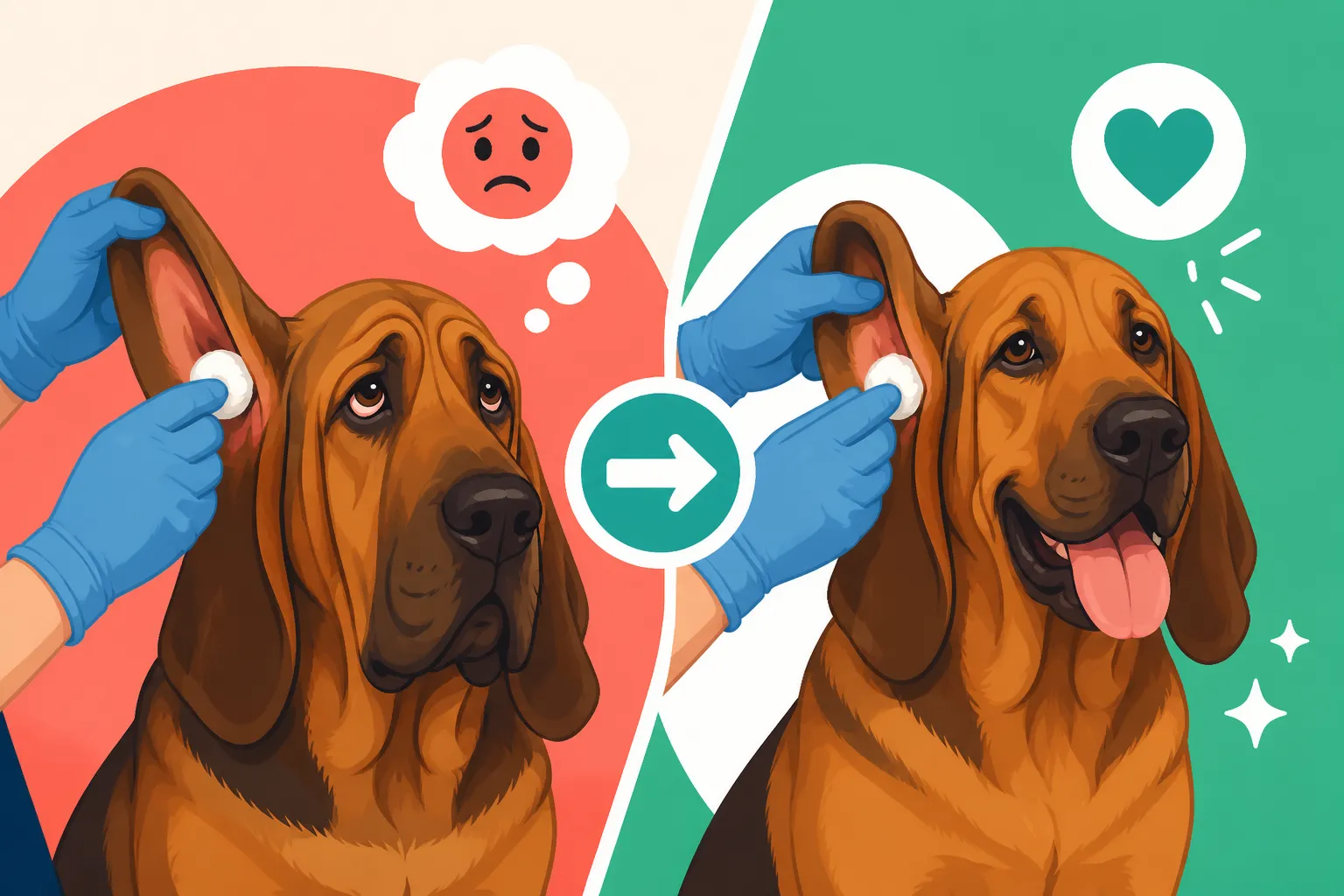
Having the right equipment can make a huge difference in your Bloodhound's comfort and your own frustration levels. First, choose a veterinary-approved ear cleaner. Your vet can recommend one that is gentle, effective, and won’t sting or cause irritation. Some solutions are designed to dissolve wax, while others are more for general maintenance. Avoid anything that isn't specifically formulated for dog ears, and definitely avoid cotton swabs, as they can push debris further into the ear canal. Instead, opt for cotton balls or soft gauze pads. Whether Cotton Balls or Gauze Suit a Bloodhound's Ears is really about your preference, but ensure they're soft enough not to scratch.
When it's time to clean, choose a quiet, calm environment. Fill the ear canal with the cleaning solution as directed, then gently massage the base of their ear for about 30 seconds. You should hear a squishy sound – that's the solution breaking up wax and debris. After massaging, let them shake their head (have a towel ready!). Then, use a cotton ball or gauze pad to gently wipe out any visible debris from the outer ear and the folds of the ear flap. Don't go deep into the canal with the cotton ball. After cleaning, it's vital to ensure their ears are dry. Whether a Bloodhound's Ears Need Drying After Cleaning is often overlooked, but moisture promotes yeast growth. You can use a soft towel to gently blot the inside of the ear flap and around the entrance to the canal. For meals, especially if your Bloodhound is a messy eater (and let’s face it, most are!), consider using a snood. What a Snood Does for a Bloodhound is simple: it keeps those long ears out of the food and water, preventing them from getting dirty and wet in the first place, which reduces the overall cleaning burden. You can find comfortable and washable snoods on online retailers like Amazon or specialized pet supply sites like Chewy.
Overcoming Established Aversions in Adult Bloodhounds
Sometimes, you adopt an adult Bloodhound who already has a deeply ingrained hatred of ear cleaning. This might be due to neglect, past painful infections, or simply rough handling. It's a tougher road, but not impossible to navigate.
Rebuilding Trust: When They Already Hate It
If your adult Bloodhound actively fights, growls, or tries to bite during ear cleaning, the first step is always to rule out pain. A visit to the veterinarian is crucial to ensure there isn't an underlying ear infection, mites, or another painful condition. Signs a Bloodhound's Ear Is Infected can include redness, swelling, discharge, a foul odor, or constant head shaking and scratching. If they are in pain, no amount of positive reinforcement will work until the pain is resolved.
Once a clean bill of health (or treatment plan) is established, you need to go back to square one, just like with a puppy. Forget trying to clean their ears for a while. Focus purely on trust and positive associations. Start with just touching their shoulder, then treating. Gradually work your way closer to their head and ears, always pairing the touch with a reward. Use the highest value treats you can find. Keep sessions incredibly short – literally 5-10 seconds – and end on a positive note before they get stressed. This might take weeks or even months. It requires immense patience, but it's the only way to genuinely rebuild their trust and change their emotional response to ear handling. If you find yourself needing to explore different types of high-value treats or distraction toys, online pet stores like Ollie or Chewy can be great resources for variety.
Consistency and Professional Help: The Long-Term Game
Consistency is the bedrock of success when it comes to ear care. Even when you're not doing a full cleaning, make it a habit to casually touch your Bloodhound's ears daily, give a treat, and move on. This keeps the positive association fresh and prevents them from regressing.
If, despite your best efforts, your Bloodhound simply cannot tolerate home ear cleanings, don't despair. There are professionals who can help. Your vet or a professional groomer might be able to clean their ears more effectively, perhaps with a helper to ensure safety and minimize stress. In extreme cases, where an adult Bloodhound has severe pain or deep-seated fear, a sedated ear cleaning at the vet might be necessary to get them a fresh start. Whether a Bloodhound's Ear Visit Needs Sedation Charges is a real consideration, but sometimes it's the kindest option to break a painful cycle. However, even with sedation, you must still follow up with a desensitization plan at home to prevent the problem from reoccurring, otherwise, you'll find yourself needing sedation every time, which isn't ideal for your dog or your wallet.
The Lifetime Commitment: Accepting Ear Care as a Routine
So, can a Bloodhound learn to accept ear cleaning? Absolutely. With patience, consistency, and the right approach, most Bloodhounds can learn to not just tolerate, but genuinely accept their ear care routine.
Yes, They Can Learn to Accept It Even Like It
It might seem like a distant dream when you're grappling with a squirming, unhappy hound, but many Bloodhounds do learn to accept, and even enjoy, their ear cleaning sessions. Why? Because they associate it with positive things: your calm presence, gentle handling, and most importantly, delicious treats. They might not jump for joy at the sight of the ear cleaner, but they will stand patiently, perhaps with a wagging tail, knowing that a reward is coming.
This acceptance isn't just about making your life easier; it's about their quality of life. Regular ear care prevents painful infections, discomfort, and potentially serious health issues down the line. When your Bloodhound is relaxed during ear checks, it also allows you to spot potential problems, like early signs of redness or odor, before they escalate. It builds a deeper bond of trust between you and your dog, showing them that you can be trusted with even the most sensitive parts of their body. The calm, confident interaction during ear care can spill over into other areas of your relationship, making them a more confident and trusting companion overall.
Maintaining the Peace: Keeping Ears Healthy and Happy
The journey to ear acceptance doesn't end once they tolerate cleaning. It's a lifelong commitment to maintaining their ear health. This means regular checks between official cleanings. Just a quick lift of the ear flap to sniff for any unusual odors or glance for redness can catch issues early. Remember that How Often a Bloodhound's Ears Need Cleaning can vary based on your individual dog, their activity level, and propensity for infection, but weekly is often a good baseline.
Always address any signs of irritation or infection immediately with your vet. Don’t wait, as Bloodhound ear infections can escalate quickly and become quite painful. Beyond cleaning, think about preventive measures like thorough drying after swims or baths. Make ear care just another normal part of their day, like mealtime or a walk. Link it to positive experiences consistently throughout their life, and your Bloodhound will learn to view it as a normal, perhaps even pleasant, routine that brings them closer to you and a tasty reward.
| Aspect | Puppy Introduction | Adult Remediation |
|---|---|---|
| Initial Approach | Gentle touching, short sessions, high-value treats. | Vet check for pain, then back to basics (touch & treat). |
| Pace | Very slow, gradual desensitization over weeks. | Extremely slow, rebuilding trust. May take months. |
| Focus | Preventing aversion, building positive associations. | Overcoming existing negative associations/fear. |
| Primary Goal | Acceptance as a normal, non-threatening routine. | Tolerance, reduced stress, and eventually acceptance. |
| Key Challenge | Puppy wiggles, short attention span. | Deep-seated fear, potential pain, strong resistance. |
| Tools | Soft cotton, gentle cleaner, high-value treats. | Same, plus potential sedatives if vet-prescribed for initial clean. |
| Consistency | Daily short positive interactions. | Daily short, positive interactions, never force. |
| Professional Aid | Not usually needed for initial introduction. | Often beneficial for initial assessment, sedation, or technique. |
Disclaimer
This article is for general informational purposes only and does not constitute professional advice. Laws, prices and regulations vary by location and change over time. Consult a qualified professional for guidance on your specific situation.