Whether Vinegar and Water Suits a Bloodhound’s Ears
As Bloodhound owners, we often find ourselves searching for effective, yet gentle, ways to care for our beloved hounds. Their magnificent, long ears are truly a hallmark of the breed, but they also come with a unique set of challenges that can leave us feeling a bit overwhelmed. It's completely natural to wonder about readily available household solutions, and perhaps you've heard whispers about using a vinegar and water solution for ear cleaning. While the idea of a simple, natural, and inexpensive remedy is incredibly appealing, especially when dealing with such a notoriously problematic area, it's crucial to understand whether this common DIY approach actually suits a Bloodhound's delicate and prone-to-infection ears. This guide will dive deep into the specific anatomy of a Bloodhound's ear, examine the science behind vinegar as a cleaning agent, and help you determine if it's truly a safe and effective option for your floppy-eared companion.
Understanding the Bloodhound's Unique Ear Challenge
Let's be honest, those beautiful, heavy ear leathers are a magnet for trouble. Unlike breeds with upright ears that allow for ample airflow, a Bloodhound's ears hang long and low, effectively sealing off the ear canal from fresh air and light. This creates a warm, dark, and often damp environment—the perfect breeding ground for bacteria and yeast to flourish. It's not a matter of if your Bloodhound will get an ear infection, but often when and how often.
Imagine trying to keep a damp, enclosed cave clean and sterile; that's essentially the task we face with a Bloodhound's ears. The length and thickness of their ears also mean that they can dip into food and water bowls, pick up debris from the ground while scenting, and even trail through tall grass, bringing all sorts of microscopic nasties right to the entrance of the ear canal. This constant exposure to moisture and foreign material makes regular, thorough, and appropriate cleaning absolutely essential. Neglecting ear care can quickly escalate from a minor annoyance to a painful, stubborn infection requiring significant veterinary intervention.
Why Those Long, Pendulous Ears Are a Breeding Ground for Problems
The very design that makes a Bloodhound's ears so distinctive is also their greatest vulnerability. Their ears are not just long; they're heavy and thick, composed of dense cartilage and skin. This weight and length mean they hang tightly against the side of the head, effectively creating a humid microclimate within the ear canal. Air circulation is severely restricted, preventing moisture from evaporating naturally. Any moisture that gets in—whether from bathing, swimming, or even just humidity in the air—tends to stay there. This persistent dampness softens the delicate skin lining the ear canal, making it more susceptible to irritation and infection.
Furthermore, the Bloodhound's ear canal itself isn't a straight shot. It's a vertical canal that takes a sharp turn, extending horizontally before reaching the eardrum. This L-shaped structure makes it incredibly difficult for debris, excess wax, and fluid to drain out naturally. Instead, these substances tend to accumulate, forming a plug that further traps moisture and creates an ideal environment for microorganisms. It's a perfect storm for the proliferation of yeast and bacteria, which are the most common culprits behind those itchy, smelly, and painful ear infections our Bloodhounds so frequently suffer from. You might notice your Bloodhound shaking its head more than usual, scratching at its ears, or an unpleasant odor emanating from the area – these are all Signs a Bloodhound's Ear Is Infected.
The Role of Moisture and Debris in Ear Infections
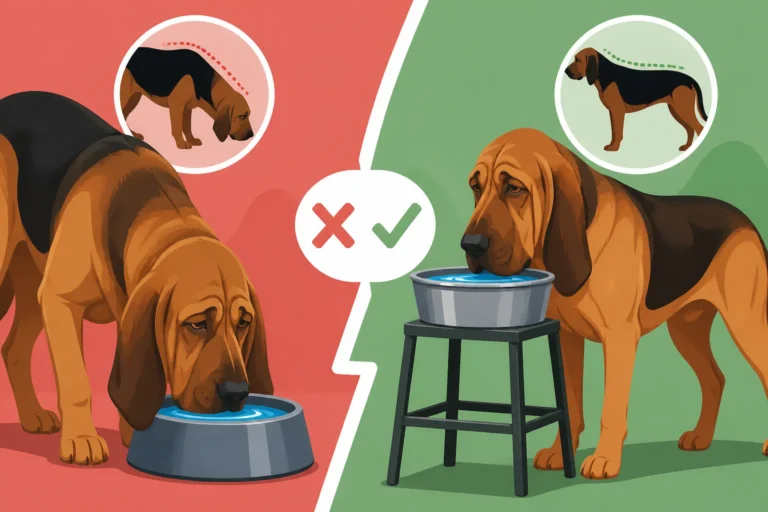
Moisture is arguably the biggest enemy of a healthy Bloodhound ear. Every time your hound drinks water, those long ears can dip right into the bowl, soaking up water that then wicks its way down into the ear canal. If your Bloodhound loves to swim, or if they've just had a bath, ensuring their ears are thoroughly dried is a monumental task because of how completely enclosed they are. Even a simple walk in dew-laden grass can introduce enough moisture to upset the delicate balance inside the ear. When this moisture combines with ear wax, dead skin cells, and any environmental debris—like dirt, pollen, or bits of plants picked up while following an interesting scent—it creates a rich, nutrient-filled soup for bacteria and yeast to feast upon.
The combination of trapped moisture and accumulated debris not only encourages microbial growth but also acts as an irritant. The skin lining the ear canal becomes inflamed, itchy, and sometimes even painful. This inflammation further narrows the ear canal, exacerbating the problem by making it even harder for air to circulate and for secretions to exit. This vicious cycle is precisely why Bloodhound owners are advised to establish a rigorous, lifelong ear care routine. If you neglect Cleaning a Bloodhound's Ears Every Week for Life, you're almost certainly setting your hound up for discomfort and expensive vet visits down the line. It's a commitment, but a necessary one, to keep these wonderful hounds comfortable.
Vinegar and Water: A Closer Look at the DIY Solution
Given the constant battle against ear infections, it's no wonder many Bloodhound owners look for readily available home remedies. Apple cider vinegar, in particular, has gained popularity in certain circles for its supposed natural antibacterial and antifungal properties. The theory often goes that its acidic nature can kill off the problematic microbes and help restore a healthy pH balance to the ear. While there's a kernel of truth to the idea that vinegar can have antimicrobial effects, especially in a laboratory setting, applying this directly to a sensitive, potentially compromised ear canal is a much more nuanced issue.
The appeal lies in its perceived "natural" status and low cost. Many pet owners are wary of commercial products that might contain ingredients they don't recognize or are concerned about potential side effects. Vinegar, a common kitchen staple, feels safe and familiar. However, what works for cleaning a countertop or even for a minor skin irritation elsewhere on the body might not be suitable for the very specific and delicate environment of a dog's ear canal, especially one as uniquely structured and prone to issues as a Bloodhound's.
The Appeal of Natural Remedies for Bloodhound Owners
For many of us, the desire to go "natural" with our pets' care stems from a good place. We want to avoid harsh chemicals, reduce potential irritants, and find solutions that align with a holistic approach to health. When you're constantly battling The Standing Cost of a Bloodhound's Ears due to recurrent infections, the thought of a simple, homemade remedy like vinegar and water can be incredibly enticing. It’s cheap, it’s readily available in almost any kitchen or grocery store, and it's free from complex ingredients that might raise concerns. People often hear about vinegar's antiseptic qualities and jump to the conclusion that it must be good for ears, which can frequently be damp and smelly.
This drive for natural solutions is amplified by the sheer volume of information (and misinformation) available online. A quick search can bring up numerous anecdotes and recommendations from other pet owners who claim success with apple cider vinegar. It gives the impression that it's a widely accepted and safe practice. For a Bloodhound owner who might be feeling frustrated by chronic ear issues or the expense of specialized cleaners, a bottle of apple cider vinegar looks like a beacon of hope. It taps into that desire for a quick, easy fix that we all sometimes wish existed for our pets' more persistent problems.
Potential Downsides and Risks of Using Vinegar and Water
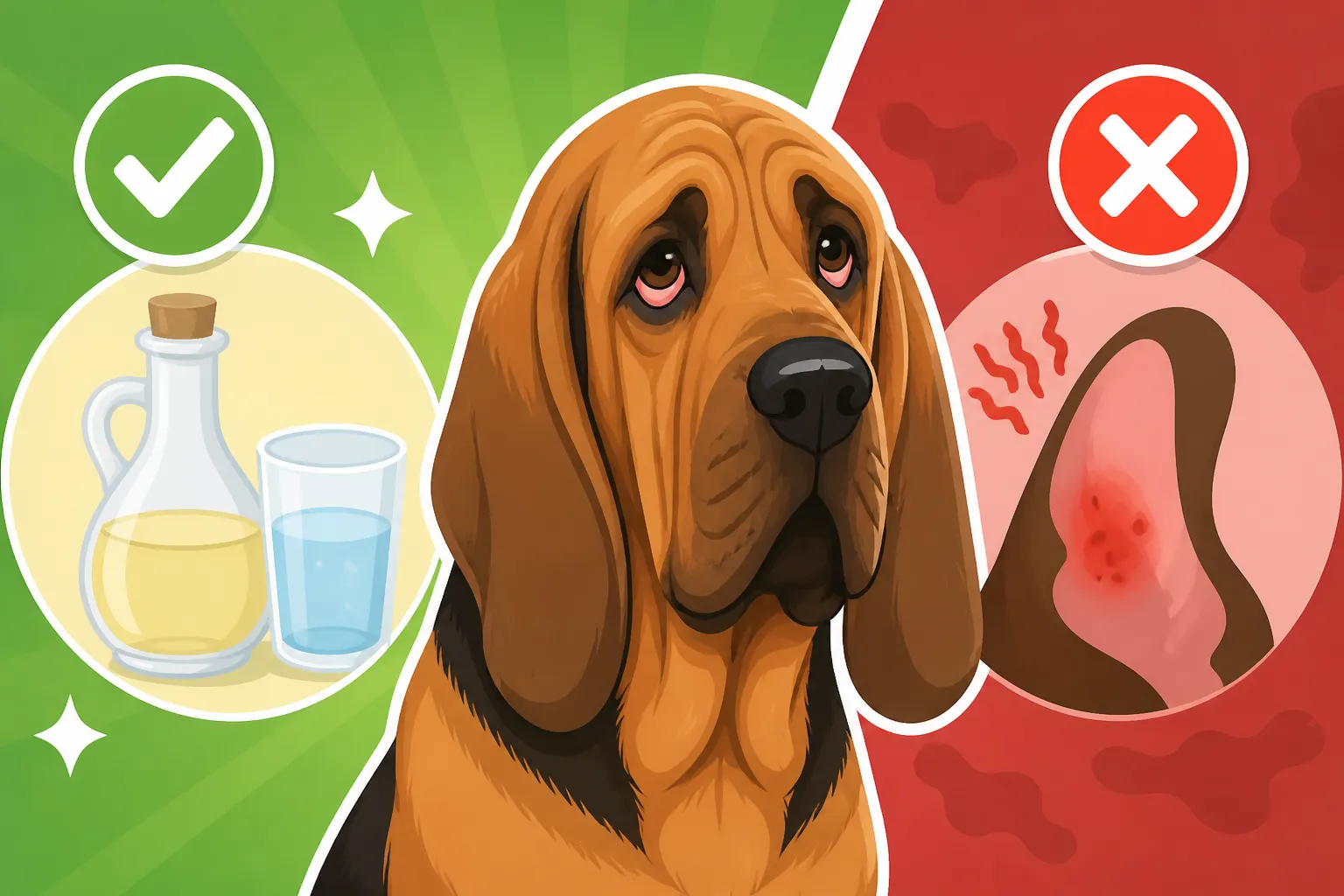
Despite the natural appeal, using vinegar and water in a Bloodhound's ears comes with significant risks that far outweigh any perceived benefits. First and foremost, vinegar is acidic. While this acidity is what gives it its antimicrobial properties, it's also its biggest drawback when applied to sensitive skin. A dog's ear canal, especially one that is already inflamed from early infection or irritation, has a very delicate lining. Introducing an acidic solution can cause immense pain and discomfort, leading to burning and stinging. Imagine getting vinegar in an open cut – that's what it can feel like for your dog if their ear canal is already compromised. This painful experience can make your Bloodhound dread any future ear cleanings, turning a necessary routine into a stressful struggle for both of you. It's vital that Whether a Bloodhound Learns to Accept Ear Cleaning is achieved through gentle and positive reinforcement, not painful encounters.
Secondly, while vinegar might kill some surface bacteria or yeast, it’s rarely potent enough or appropriately formulated to tackle established infections deep within the L-shaped ear canal. A full-blown ear infection requires targeted medication, often with specific antibiotics or antifungals, prescribed by a veterinarian after proper diagnosis. Relying on vinegar and water can give a false sense of security, delaying proper veterinary treatment and allowing the infection to worsen, potentially leading to more severe conditions, chronic issues, or even permanent damage. Delaying effective treatment could mean the difference between a simple course of drops and a much more intensive, and expensive, intervention.
Lastly, the proper dilution of vinegar is often debated and inconsistently applied in DIY remedies. Too strong, and it causes irritation; too weak, and it's ineffective. There's no standardized "safe" dilution for canine ears, and what might be tolerated by one dog could be detrimental to another. Furthermore, water, when trapped in the ear canal, is itself a major contributor to ear infections. Even if the vinegar had some benefit, the introduction of additional moisture into an already humid environment could exacerbate the very problem you're trying to solve. For these reasons, most veterinarians strongly advise against using vinegar and water solutions for ear cleaning in Bloodhounds.
When to Use, When to Avoid, and What to Do Instead
Navigating ear care for a Bloodhound can feel like walking a tightrope. On one side, you want to be proactive and keep those ears pristine; on the other, you want to avoid causing harm or irritation. When it comes to vinegar and water, the general consensus among veterinary professionals is to avoid it entirely as a routine ear cleaner or as a treatment for suspected infections. The potential for irritation, pain, and delay in effective treatment is simply too great for a breed already predisposed to ear issues.
However, understanding why you should avoid it also helps clarify when not to use it – which is essentially always, especially if there's any sign of redness, odor, discharge, or discomfort. If you suspect an infection, the only appropriate course of action is a visit to your veterinarian. They can accurately diagnose the problem, identify the specific type of bacteria or yeast involved, and prescribe the correct medication. For preventive, routine cleaning of healthy ears, there are far safer and more effective options specifically formulated for canine use.
The Case for Commercial and Vet-Prescribed Cleaners
When it comes to your Bloodhound's ears, investing in a high-quality, veterinarian-approved ear cleaner is one of the smartest decisions you can make. These products are specifically formulated with a dog's ear anatomy and pH balance in mind. They often contain gentle, non-irritating ingredients that effectively break down wax and debris, dry the ear canal, and have mild antiseptic properties without causing discomfort. Many commercial cleaners also include components that help maintain a healthy microbial balance, rather than just indiscriminately killing everything (which can sometimes lead to an overgrowth of resistant organisms). You can often find excellent options at your vet's office, or at reputable pet supply retailers like Chewy or Amazon, where you can read reviews and compare ingredients.
Think of it this way: these cleaners are scientifically developed for the very purpose of canine ear health. They are designed to be safe, effective, and non-irritating. Using them consistently as part of your weekly routine can significantly reduce the incidence of ear infections. Your veterinarian can recommend specific brands or formulations that would best suit your Bloodhound's individual needs, especially if they have a history of specific types of infections. Don't be shy about asking your vet for their top recommendations during your next visit. They might suggest a cleaner with a drying agent for a swimmer or one with a ceruminolytic (wax-dissolving) agent for a hound prone to waxy buildup. Products from brands like Epi-Otic, TrizUltra + Keto, or Zymox are often highly regarded in the veterinary community for their efficacy and gentle nature. While you're shopping for supplies on Amazon or Chewy, you'll see a wide variety of these specialized ear cleansers available.
The Importance of Regular, Proper Ear Care
For Bloodhounds, regular ear care isn't just a suggestion; it's a non-negotiable part of responsible ownership. Because their ears are so predisposed to problems, consistent, proactive cleaning is the best defense against painful infections. This means establishing a routine from puppyhood, even if it feels like a chore. The goal is to remove excess wax, dirt, and moisture before they have a chance to cause trouble. How Often a Bloodhound's Ears Need Cleaning is generally at least once a week, and sometimes more frequently if your dog is prone to issues, swims often, or lives in a very humid climate.
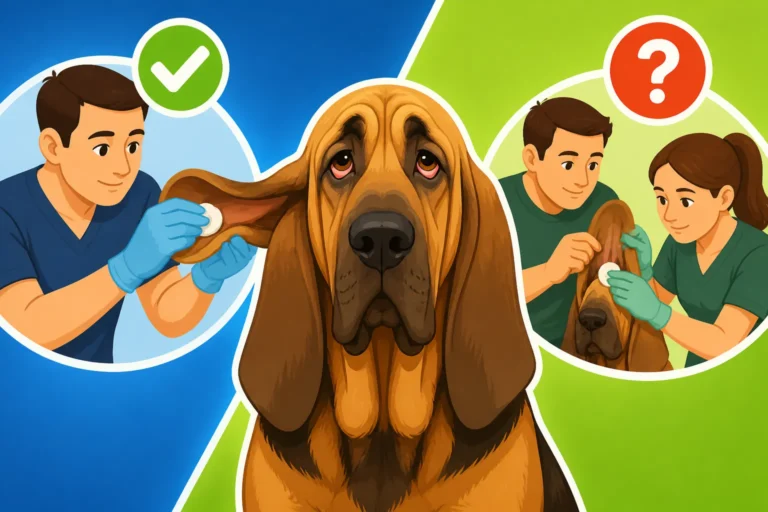
Proper technique is just as important as frequency. Gently lift the ear flap to expose the ear canal. Squirt the veterinary-approved ear cleaner directly into the canal until it's full. Then, massage the base of the ear for 30 seconds to a minute, which helps to loosen any debris and distribute the cleaner. You'll often hear a squishy sound as you massage, which is normal. After massaging, allow your Bloodhound to shake its head—this helps to dislodge and expel the cleaner and loosened gunk. Finally, use a soft cotton ball or gauze to gently wipe away any visible cleaner and debris from the outer ear flap and the entrance to the ear canal. Avoid using cotton swabs in the ear canal itself, as these can push debris further down or even damage the eardrum. What to Clean a Bloodhound's Ears With generally involves these specialized solutions, not improvised home remedies. Consistency will pay off in the long run, saving your Bloodhound discomfort and you from potentially hefty vet bills.
Comparing Ear Cleaning Solutions for Bloodhounds
To help you visualize the differences and make an informed decision, here's a quick comparison of using a vinegar and water solution versus a commercially formulated ear cleaner for your Bloodhound:
| Feature | Vinegar & Water Solution | Commercial Ear Cleaner (Vet-Approved) |
|---|---|---|
| Cost | Very low (household ingredients) | Moderate to high (specialized product) |
| Effectiveness (Wax) | Poor; does not effectively dissolve wax | Good; many contain ceruminolytic agents |
| Effectiveness (Microbes) | Limited superficial action; inconsistent | Targeted antimicrobial/antifungal properties |
| pH Balance | Highly acidic; can disrupt natural ear pH | Formulated to match canine ear pH |
| Irritation Potential | High, especially if ear is inflamed/irritated | Low, formulated for sensitivity |
| Drying Properties | Poor; introduces more moisture | Good; often contains drying agents |
| Safety | Questionable; not vet-recommended | High; vet-recommended and tested |
| Ease of Use | Simple to mix, but risky to apply | Easy to apply; clear instructions |
| Vet Endorsement | Generally discouraged | Strongly recommended for routine and specific issues |
| Primary Use Case | Not recommended for Bloodhound ear care | Routine cleaning, prevention, and adjunct to treatment |
This table clearly illustrates why commercial, vet-approved ear cleaners are the superior choice for your Bloodhound's ear health. While the cost might be slightly higher upfront, the long-term benefits in terms of preventing pain, infection, and expensive emergency vet visits are invaluable.
What to Do If You Suspect an Ear Infection
If you notice your Bloodhound shaking its head, scratching at its ears, holding an ear at an odd angle, or if you detect any redness, swelling, discharge (yellow, brown, or black), or an unpleasant odor, do not attempt to treat it with vinegar and water. These are clear signs of an ear infection, and home remedies are highly unlikely to resolve the issue and can, in fact, make it worse. Delaying professional treatment can lead to the infection becoming chronic, more difficult to treat, and potentially causing permanent damage to the ear canal or eardrum.
Your first and most important step should always be to schedule an appointment with your veterinarian as soon as possible. When you visit the vet, they will perform a thorough examination of your Bloodhound's ears using an otoscope, which allows them to visualize the ear canal and eardrum. They will often take a swab of the discharge for cytology, which involves examining the sample under a microscope to identify whether the infection is caused by bacteria, yeast, or both. In some cases, especially with recurrent or stubborn infections, they might recommend an ear culture to identify the specific type of bacteria and determine which antibiotics will be most effective. Whether a Bloodhound Needs a Culture Before Ear Drops is a critical question for your vet to answer, as it can prevent ineffective treatment.
Based on their findings, your vet will prescribe the appropriate medication, which might include medicated ear drops (antibacterial, antifungal, or a combination), oral antibiotics, or anti-inflammatory drugs. They will also provide specific instructions on how to administer the medication and how to continue with a proper cleaning regimen. Following your vet's advice exactly is crucial for successful treatment and preventing recurrence. Remember, for a Bloodhound, proper ear care is a lifelong commitment that requires a partnership with your veterinarian.
Disclaimer
This article is for general informational purposes only and does not constitute professional advice. Laws, prices and regulations vary by location and change over time. Consult a qualified professional for guidance on your specific situation.