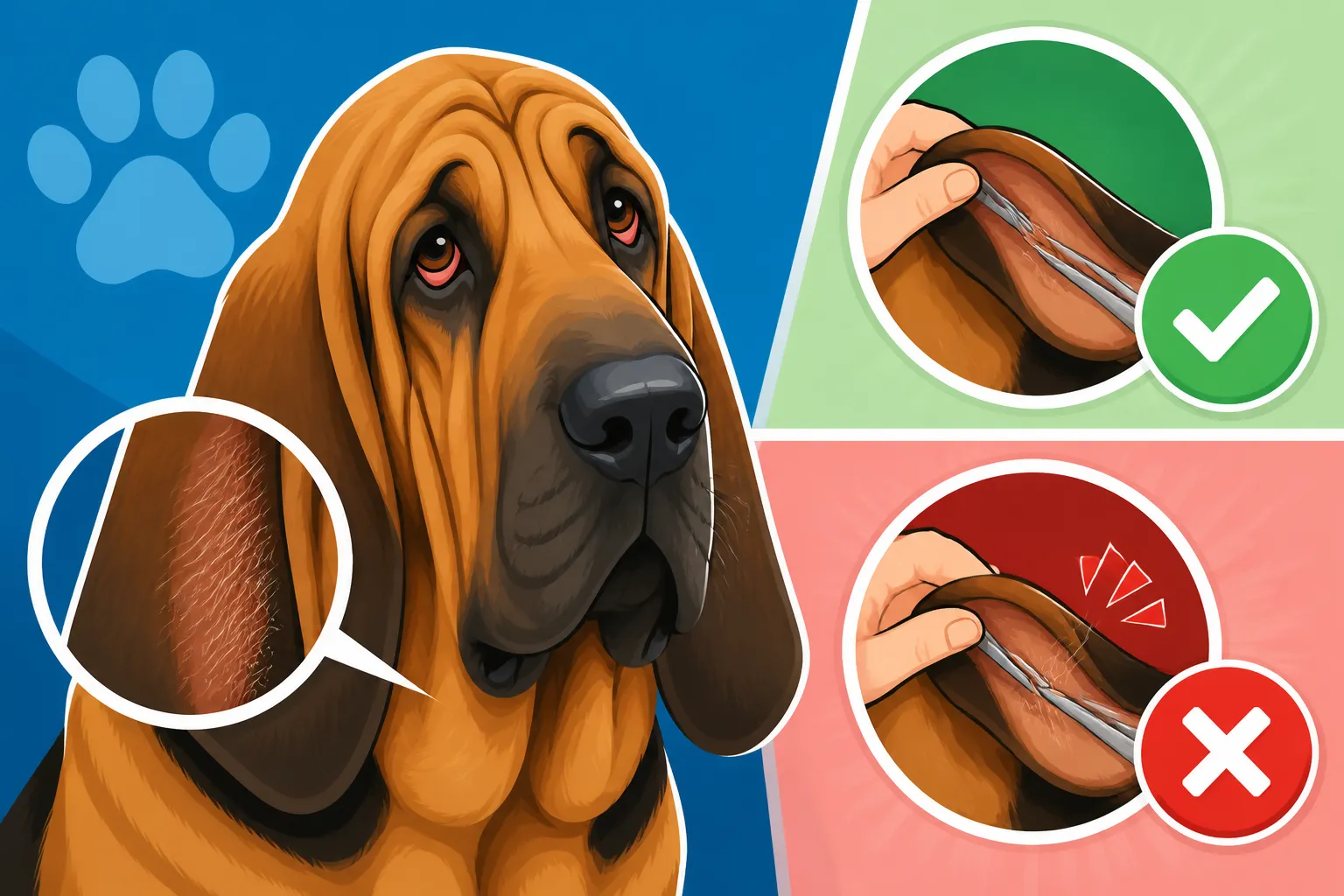
Whether a Bloodhound’s Ear Hair Should Be Plucked
One of the most common debates among dog owners, particularly those with breeds prone to ear issues, is whether to pluck the hair from inside their dog's ears. For many Bloodhound owners, this question comes with extra layers of anxiety because our hounds already struggle so much with ear health. It's a real frustration to feel like you're caught between advice that seems to work for other dogs and the specific, often contradictory, needs of your beloved Bloodhound. This guide is here to shed light on whether plucking ear hair is ever beneficial for a Bloodhound, why it might be harmful, and what safe, effective alternatives you should consider to keep those magnificent, yet troublesome, ears healthy.
The Unique Anatomy of a Bloodhound's Ears
Before we even dive into the debate about plucking, it's absolutely crucial to understand what makes a Bloodhound's ears so distinct. These aren't your average upright, airy ears. They are masterpieces of scent-gathering design, and that design comes with its own set of challenges. Their structure dictates much of their care, and understanding it is the first step to preventing a lifetime of ear infections.
Long, Heavy, and Pendulous Ear Leather
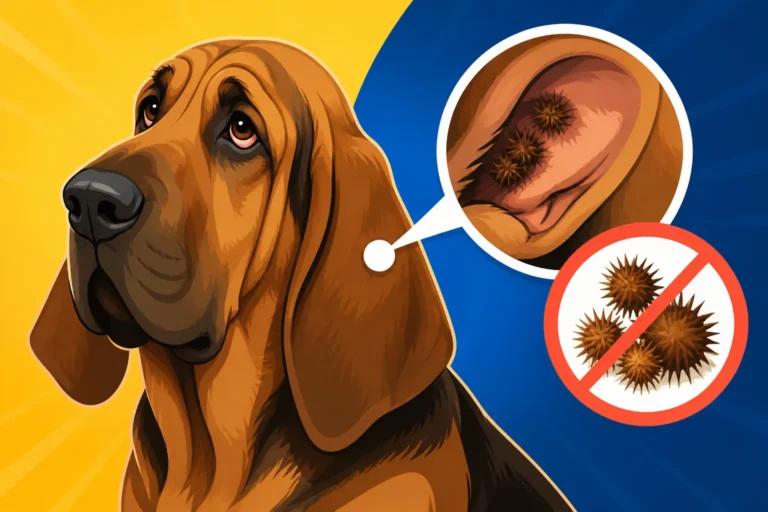
Imagine a thick, luxurious velvet curtain. That's essentially what a Bloodhound's ear leather feels like – long, heavy, and drooping well below their jawline. These ears aren't just for show; they sweep the ground as our hounds work, stirring up scent particles and directing them towards their incredible noses. It's a brilliant evolutionary adaptation for trailing, but it’s a nightmare for ear hygiene. These heavy flaps cover the ear canal completely, creating a sealed-off environment. This lack of airflow is the primary reason Bloodhounds are so susceptible to ear problems. When the air can't circulate, moisture gets trapped, creating a warm, damp incubator for bacteria and yeast. This is very different from breeds with prick ears or even semi-prick ears where air can naturally flow in and out. The sheer weight and length of the ear leather mean that the inside of the ear rarely, if ever, sees natural light or fresh air.
The Deep, Narrow Ear Canal
Beyond the external ear leather, the internal structure of a Bloodhound's ear canal also contributes significantly to their predisposition to infections. Their ear canals are notoriously deep and often quite narrow, taking a sharp turn before reaching the eardrum. Think of it like a winding tunnel, rather than a straight shot. This intricate pathway makes it difficult for debris, excess wax, and moisture to exit naturally. When you combine this deep, constricted canal with the lack of airflow provided by their heavy ear flaps, you've got a recipe for trouble. Cleaning these ears effectively requires a specific technique and often a good amount of patience, as you need to ensure the cleaning solution can reach deep enough to dislodge debris without pushing it further in. How Deep a Bloodhound's Ear Canal Runs delves into this in more detail.
The Problem of Limited Airflow and Moisture Trapping
The fundamental challenge with a Bloodhound's ears is their design for scent work, which inadvertently creates a perfect breeding ground for microbes. Their long, heavy ear leather traps moisture and heat, creating a humid microclimate inside the ear canal. This isn't just about water from baths or swimming; it's also about the natural moisture from earwax production and even just ambient humidity. If you live in a perpetually humid climate, this problem is exacerbated. This trapped moisture, combined with the warmth, allows opportunistic bacteria and yeast – which are always present in small numbers – to multiply rapidly. Once they get a foothold, an infection can flare up quickly, leading to inflammation, itching, pain, and that tell-tale foul odor. Understanding that this is the primary environmental factor for their ear problems helps us realize that solutions should focus on managing this unique environment, not necessarily on removing natural protective elements like ear hair.
The Ear Hair Plucking Debate: A Different Lens for Bloodhounds
The question of ear hair plucking isn't new. For some breeds, it's a standard practice. But for Bloodhounds, it's a topic that needs to be approached with extreme caution and a deep understanding of their specific vulnerabilities. What might be advisable for a Poodle simply isn't for a Bloodhound.
Why Plucking is Often Recommended for Some Breeds
For breeds like Poodles, Schnauzers, and some terrier types, ear plucking is a routine part of grooming. These breeds often have dense, curly hair that grows deep into the ear canal. The argument for plucking this hair is that it can trap wax and debris, further block airflow, and contribute to ear infections. Removing this hair is believed to improve ventilation, allow ear cleaner to penetrate more effectively, and reduce the overall accumulation of gunk inside the ear. Many professional groomers are trained to do this, and some vets might recommend it for these specific breeds, especially if they suffer from chronic otitis. The goal is to create a drier, cleaner environment, which, for these breeds, can indeed make a difference in preventing persistent infections.
The Specifics of a Bloodhound's Ear Hair
Now, let's talk about Bloodhounds. Their ear hair isn't typically the dense, curly, constantly growing kind you find in a Poodle. Bloodhounds generally have a shorter, smoother coat, and while there might be some fine hair within the ear canal, it's usually not excessively thick or prone to matting in the same way. This distinction is vital. The hair they do have inside the ear canal serves a protective purpose, much like eyelashes or nose hairs. It helps to catch dust, dirt, and small foreign objects before they can travel deeper into the ear. If a Bloodhound has relatively sparse hair in the ear canal, removing it might actually do more harm than good by stripping away a natural defense mechanism. The idea that plucking will suddenly create a breezy, well-ventilated ear canal for a Bloodhound is often a misconception, given the overwhelming barrier presented by their heavy ear flaps.
The Argument Against Routine Plucking for Bloodhounds
Considering the Bloodhound's unique ear structure and hair type, the consensus among many Bloodhound enthusiasts, experienced breeders, and veterinarians specializing in the breed is that routine ear hair plucking is generally not recommended. The primary reason is that the potential benefits are minimal compared to the significant risks. Their heavy, pendulous ears are the main culprit for poor airflow and moisture retention, not typically the hair within the canal. Instead, focus should be on proper cleaning, drying, and prompt veterinary attention for any signs of infection. Trying to fix a structural problem (lack of airflow from the ear leather) by removing a natural protective barrier (ear hair) is often counterproductive for a Bloodhound. You're simply addressing the wrong part of the problem.
The Risks of Plucking Ear Hair in a Bloodhound
While the intention behind ear hair plucking might be good, the reality for a Bloodhound can be quite different. The risks associated with this practice often outweigh any perceived benefits, potentially leading to more severe and frequent ear problems. It's an intervention that can create a cascade of negative effects on an already sensitive area.
Causing Micro-Trauma and Inflammation
Every time you pluck a hair, you are essentially pulling it out by the root, which causes a tiny amount of trauma to the delicate skin lining the ear canal. This might seem minor, but for a Bloodhound's sensitive ears, these micro-traumas can become significant. Each plucked follicle is an open wound, an invitation for bacteria and yeast to enter and set up shop. The ear canal is already prone to inflammation due to moisture and lack of air; introducing more inflammation through plucking only makes the situation worse. This constant irritation can lead to a vicious cycle: plucking causes inflammation, which makes the ear more susceptible to infection, which then might lead someone to believe more plucking is needed. Furthermore, repeated trauma can lead to thickening of the ear canal lining over time, making it even narrower and more prone to trapping debris and infection.
Increasing Risk of Infection
This is perhaps the biggest concern. Those tiny, open wounds created by plucking are direct entry points for bacteria and yeast already residing in the warm, moist environment of a Bloodhound's ear. Even if you pluck in a perfectly sterile environment (which is almost impossible at home), the skin's natural barrier has been compromised. Bacteria and yeast thrive on damaged tissue, and the inflammation itself provides a rich, hospitable environment for them to proliferate. This can quickly escalate into a full-blown ear infection, presenting as redness, swelling, discharge, and intense itching or pain for your dog. Instead of preventing infections, plucking often acts as a catalyst, especially when performed by inexperienced hands or without proper follow-up care. A Bloodhound's Ears Are a Standing Infection Risk explains how easily these infections can take hold.
Stimulating Thicker Hair Growth
It might sound counterintuitive, but sometimes repeatedly plucking hair can actually stimulate thicker, coarser hair growth in the long run. The body's natural response to repeated trauma or irritation at the follicle can be to produce stronger, more resilient hair in that area. If the original goal was to reduce hair in the ear canal, this unintended consequence can completely backfire, leaving you with an even more challenging situation down the line. It's a bit like shaving – the hair often grows back thicker. While the exact physiological mechanisms are complex, many owners and groomers report this phenomenon, suggesting that plucking isn't a permanent solution and may even worsen the problem it aims to solve.
Effective and Safe Alternatives to Ear Plucking
So, if plucking isn't the answer, what can you do to keep your Bloodhound's ears healthy and infection-free? The good news is there are several highly effective, vet-recommended strategies that focus on managing their unique ear environment without causing unnecessary trauma. Consistency is key here!
Regular and Thorough Ear Cleaning
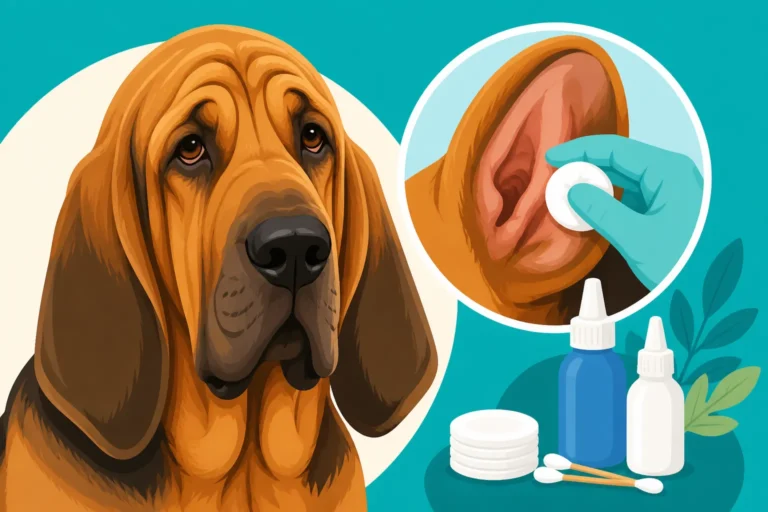
This is the cornerstone of Bloodhound ear care. Regular cleaning helps remove excess wax, debris, and moisture before they can build up and contribute to infection. You'll need a good quality, vet-approved ear cleaning solution designed to dry the ear canal and break down wax. Apply a generous amount into the ear canal, massage the base of the ear for 20-30 seconds to help break up debris, and then let your Bloodhound shake their head (brace yourself for the splatter!). Afterwards, gently wipe out the accessible parts of the ear with a cotton ball or soft cloth. Never use cotton swabs inside the canal, as this can push debris deeper or injure the eardrum. Frequency depends on your individual dog, but for many Bloodhounds, weekly cleaning is essential. How Often a Bloodhound's Ears Need Cleaning and What to Clean a Bloodhound's Ears With offer more detailed guidance. You can find excellent ear cleaners on sites like Chewy or Amazon.
Maintaining Dryness and Airflow
Given the pendulous nature of Bloodhound ears, actively managing moisture and encouraging airflow is critical. After baths, swimming, or even very humid days, ensure you thoroughly dry the inside of their ear flaps and the opening of the canal with a soft towel or cotton ball. Some owners even use a low-setting hairdryer (held at a safe distance) to gently dry the area.
To help with airflow during meals, many Bloodhound owners use a snood – a fabric tube that covers and holds the ears back while they eat. This prevents the long ears from dipping into food and water, keeping them cleaner and drier. What a Snood Does for a Bloodhound is a must-read for this. Similarly, specially designed narrow, deep bowls can help keep ears out of food and water, reducing the constant dampness. Which Bowl Shape Keeps a Bloodhound's Ears Out provides examples.
When to Seek Veterinary Advice
Despite your best efforts, Bloodhounds can still get ear infections. It’s not a reflection of poor care, but rather their inherent predisposition. Knowing when to call your vet is crucial for prompt treatment and preventing minor issues from becoming chronic problems. Look out for signs like:
- Excessive head shaking or scratching at the ears.
- A foul odor coming from the ears.
- Redness, swelling, or heat around the ear opening.
- Discharge that is dark, waxy, yellow, or greenish.
- Pain when you touch their ears.
- Rubbing their ears on furniture or the floor.
- Changes in behavior, such as lethargy or loss of appetite.
If you notice any of these symptoms, don't delay. A vet can properly diagnose the type of infection (bacterial, yeast, or both), prescribe appropriate medication (ear drops, oral antibiotics, or anti-fungals), and rule out other underlying issues like foreign bodies or allergies. Trying to self-diagnose and treat an ear infection can make things much worse.
When Plucking Might (Rarely) Be Considered
While routine ear hair plucking is generally discouraged for Bloodhounds, there are rare, specific circumstances where a veterinarian might suggest it, or a modified version of it, usually after other methods have failed. This is never a DIY project and should always be done under professional guidance.
Specific Cases of Chronic, Recurrent Infections
In extremely stubborn cases of chronic ear infections where a Bloodhound has dense, matting hair deep within the ear canal that is genuinely trapping moisture and debris despite meticulous cleaning, a vet might consider selective hair removal. This isn't about plucking every hair, but carefully removing only the most problematic clumps that are clearly contributing to the blockage and recurring infections. Even in these cases, a vet might opt for light sedation to minimize discomfort and trauma, and they would proceed with extreme caution. The decision would be made only after exploring all other avenues, including medicated flushes, allergy testing, and dietary changes, and only if they believe the hair is a significant, direct contributor to the problem.
The Role of a Veterinary Professional or Specialist
If ear hair removal is ever deemed necessary for your Bloodhound, it must be performed by a veterinary professional, ideally a board-certified veterinary dermatologist. They have the expertise, the specialized tools, and the understanding of the delicate ear anatomy to minimize trauma. They can also properly assess the underlying cause of the ear problems. For instance, sometimes excessive hair growth can be a symptom of an underlying hormonal imbalance or allergy. An expert will differentiate between simply having hair in the ear and having hair that is actively causing pathology. They might also suggest alternative methods like trimming the hair with blunt-nosed scissors, rather than plucking, to reduce bulk without causing follicular trauma.
Understanding the Bloodhound's Overall Ear Health Picture
Ear health in Bloodhounds is a marathon, not a sprint. It requires a holistic approach, consistent effort, and a keen eye for early warning signs. Focusing solely on one aspect, like ear hair, misses the bigger picture of what makes these ears so prone to issues.
The Impact of Allergies and Diet
Often, what appears to be a persistent ear infection is actually a symptom of an underlying allergy – either environmental or food-related. When a Bloodhound has allergies, their skin becomes inflamed, including the skin lining their ear canals. This inflammation changes the microenvironment of the ear, making it more welcoming to bacteria and yeast, leading to secondary infections. If your Bloodhound suffers from chronic ear issues, it's worth discussing allergy testing with your vet. Dietary changes, such as trying a limited ingredient diet under veterinary guidance, can sometimes pinpoint food sensitivities that are manifesting as ear problems. Good nutrition, like that offered by high-quality foods, can support overall skin and immune health, which in turn benefits ear health.
Preventing Permanent Damage and Chronic Conditions
Ignoring chronic ear infections or mismanaging them can lead to severe, permanent damage in a Bloodhound's ear. Repeated inflammation can cause the ear canal to narrow and scar (known as otitis externa with proliferative changes), making it almost impossible to clean or treat effectively with medication. In severe, chronic cases, a total ear canal ablation (TECA) surgery might become the only option, where the entire ear canal is surgically removed. This is a major, invasive, and costly procedure, highlighting the importance of diligent preventative care and early intervention. When a Bloodhound's Ear Infection Becomes Permanent discusses these serious consequences. Regular, proactive care, including consistent cleaning and prompt vet visits at the first sign of trouble, is your best defense against these devastating outcomes.
Ear Care as Part of a Lifetime Routine
Caring for a Bloodhound's ears isn't a one-time fix; it's a lifelong commitment. From the moment you bring your Bloodhound puppy home, establishing a routine of gentle ear handling and cleaning is essential. This not only keeps their ears healthy but also accustomed them to the process, making future care much easier. They might not love it, but with patience and positive reinforcement, most Bloodhounds learn to tolerate their weekly ear maintenance. It’s part of the unique bond you form with this incredible breed, understanding their specific needs and taking the time to meet them. The Weekly Routine a Bloodhound Owner Cannot Skip offers a broader perspective on their care.
Here’s a quick overview of why ear plucking is generally not recommended for Bloodhounds compared to safer alternatives:
| Feature | Ear Hair Plucking for Bloodhounds | Recommended Alternative Care |
|---|---|---|
| Purpose | Often perceived to improve airflow and reduce trapped debris | Focuses on removing debris, managing moisture, and reducing inflammation |
| Benefit | Minimal, often outweighed by risks, especially given ear flap anatomy | High, significantly reduces infection risk and maintains ear health |
| Risks | Micro-trauma, increased infection risk, pain, inflammation, thicker hair growth | Very low when done correctly, can prevent severe health issues |
| Bloodhound Hair | Generally sparse, serves a protective function, not excessively curly/dense | Hair generally left intact, as it provides natural protection |
| Procedure | Manual pulling of hair, painful if not done carefully/sedated | Gentle application of cleaner, massage, wiping, drying |
| Frequency | Infrequent, if ever (and only by vet) | Weekly or as directed by vet, consistent |
| Cost | Potentially high if veterinary intervention needed for complications | Regular purchase of ear cleaner (e.g., from Amazon or Chewy), vet visits if infection |
| Professional | Only by a vet/specialist in very specific, rare cases | Can be done at home by owner, with vet guidance for specific issues |
Ultimately, while the desire to keep your Bloodhound healthy is commendable, ear hair plucking is rarely the right approach for this magnificent breed. Focus on consistent, gentle cleaning, moisture management, and prompt veterinary attention, and those beautiful, floppy ears will thank you for it.
Disclaimer
This article is for general informational purposes only and does not constitute professional advice. Laws, prices and regulations vary by location and change over time. Consult a qualified professional for guidance on your specific situation.