Whether a Bloodhound’s Ears Are the Longest of Any Dog
Bloodhounds’ ears are famously long, and they can drag through food, water, mud, and underbrush. But does that make them the longest-eared dogs of all? The answer depends on whether you mean a breed’s typical ears or an individual record-holder. This guide explains how Bloodhound ears compare, why they’re shaped that way, and how to care for them.
Are Bloodhound ears the longest of any dog
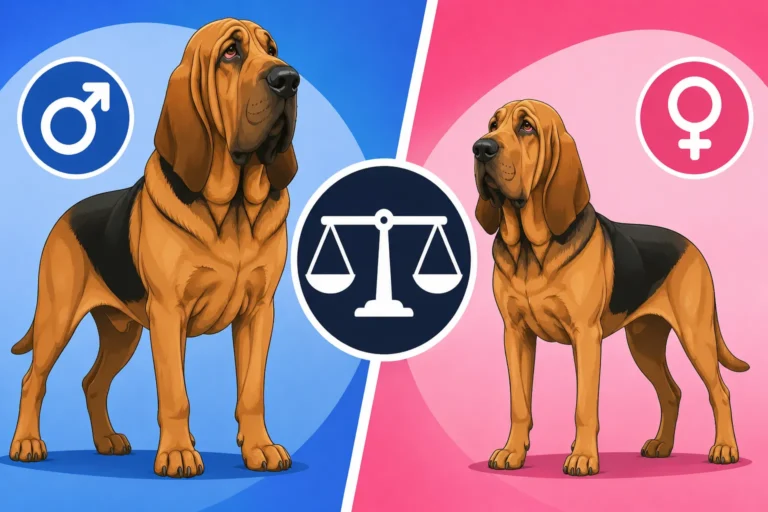
Bloodhounds are among the breeds best known for long, pendulous ears, but it is not accurate to say that every Bloodhound has the longest ears of any dog. Ear length varies from dog to dog, and records for an individual animal do not establish that its breed generally has the longest ears.
When people ask this question, they may be thinking of the breed’s dramatic appearance or of a record-holding dog. Those are related but different comparisons. A Bloodhound may have very long ears for its size and still not hold an individual record.
Breed traits are different from individual records
Bloodhound ears are long, low-set, and soft, with ear leather that hangs beside the face. The breed standard describes the general appearance breeders aim to preserve; it does not mean that every dog has identical ear measurements. Genetics, body size, and variation within the breed all affect what an individual Bloodhound looks like.
Records for the longest ears usually compare particular dogs, not average measurements for whole breeds. Dogs from other breeds, including coonhounds, have been prominent in discussions of unusually long ears. A record-holder’s measurements can be remarkable without meaning that all dogs of that breed have longer ears than all Bloodhounds.
So the most accurate answer is: Bloodhounds are famous for exceptionally long ears, but they cannot be described as definitively having the longest ears of any dog as a breed. If you’re curious about typical size and what to expect from your own dog, How Long a Bloodhound's Ears Actually Are offers a closer look at the breed’s ear leather and natural variation.
How “longest” can mean different things
A simple measurement from the base of the ear to its tip is one way to compare ears, but it does not tell the whole story. A dog’s head size, the position where the ear attaches, and how the ear hangs can change how long it looks. A narrow ear that falls straight down may appear different from a broad ear that folds and fans outward.
There is also a difference between a breed’s characteristic features and an exceptional individual. A breed may be known for long ears overall, while a dog from another breed holds a particular record. That distinction matters when a photo of a record-setting dog gets shared as if it represented every member of its breed.
| Comparison | What it tells you | What it does not tell you |
|---|---|---|
| Typical breed appearance | The features commonly associated with a breed | The exact ear length of every dog |
| One dog’s measurement | How long that individual dog’s ears are | Which breed has the longest ears on average |
| Visual impression | How dramatic the ears look on a particular dog | A reliable measurement or record |
Why Bloodhound ears look so dramatic
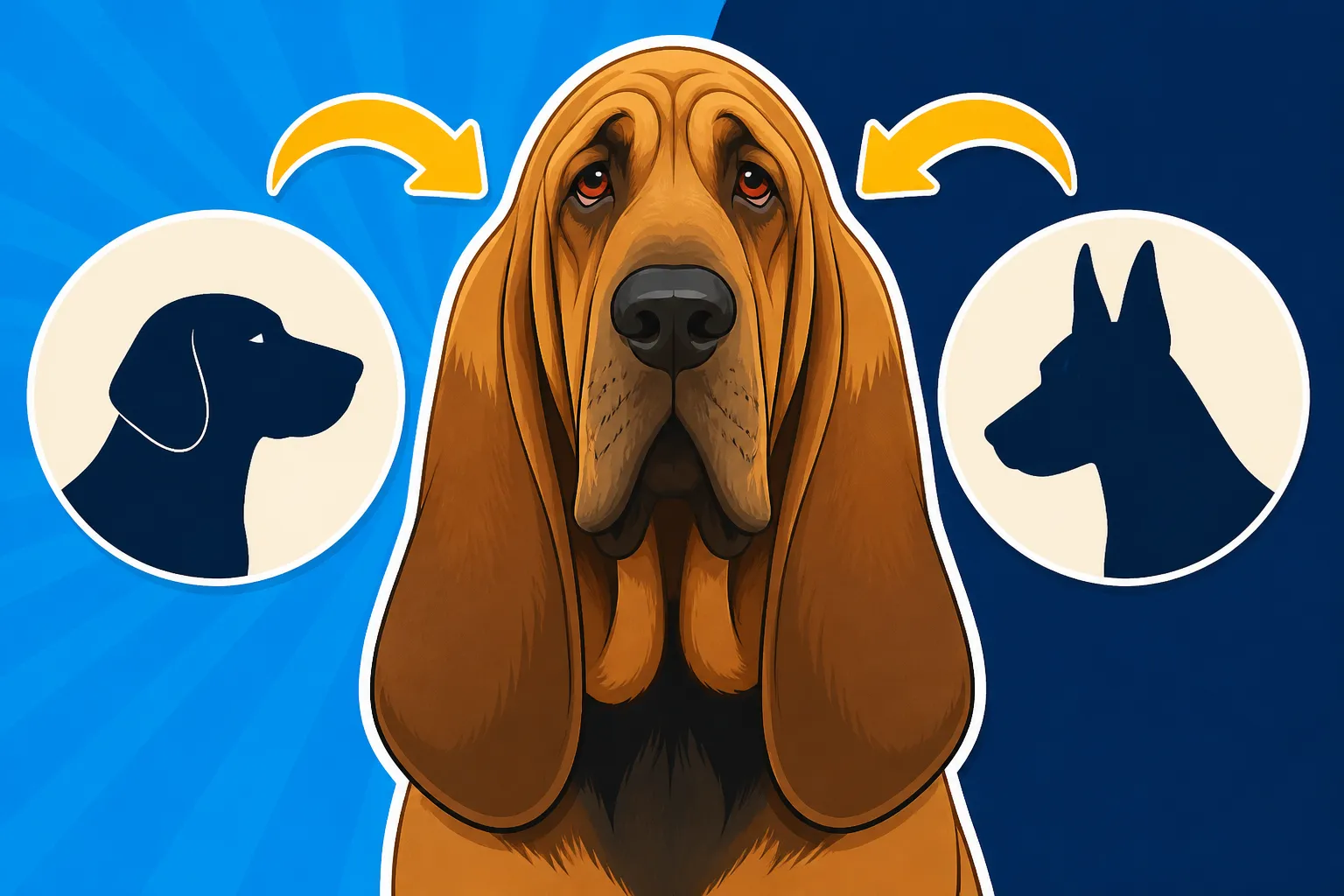
Bloodhounds have a combination of long ears, loose facial skin, and a large head that gives them a distinctive silhouette. Their ears hang close to the cheeks, and the ear leather can move as the dog walks, sniffs, or turns its head. That movement is part of the familiar look people recognize, but it also creates practical care needs.
The shape isn’t just a decorative feature. Bloodhounds are scent hounds, and their ears move as they work. Their ear structure and movement are often discussed alongside the breed’s tracking ability, though an ear’s length alone does not explain a dog’s scenting skill. For more on that connection, see Why a Bloodhound's Ears Sweep Scent Toward Its Nose.
Long, low-hanging ear leather
The visible part of a dog’s ear is called the pinna, or ear flap. In a Bloodhound, it is long and hangs down rather than standing upright. When the dog lowers its nose to investigate a trail, the ear leather may brush against vegetation or sweep close to the ground.
That length can make everyday activities a little messier. Ear tips may dip into a water bowl, pick up food, or drag across damp grass. A Bloodhound that has just been out on a muddy trail may come home with debris on its ears even when the rest of its coat looks reasonably clean.
The long ear flap also partly covers the opening of the ear canal. Because airflow is less direct than it is in an upright-eared dog, the space can be warm and damp. That does not mean an infection is inevitable, but it does make sensible ear checks and appropriate cleaning part of routine care. Why a Bloodhound's Ear Leather Blocks Airflow explains why those floppy ears can need more attention.
Long ears are not a health problem by themselves
A Bloodhound’s ears can be long and healthy. Length alone does not mean that a dog has an infection, needs treatment, or should have its ears altered. What matters is the condition of the skin and ear canal, whether the dog seems comfortable, and whether the ears stay reasonably clean and dry.
Look at the skin as well as the ear’s overall shape. Healthy ears should not be persistently red, swollen, painful, or foul-smelling. Some wax and a familiar doggy odor may be noticeable, but a strong new smell, repeated head shaking, or discharge can point to a problem that needs veterinary attention.
If the tips are repeatedly scraped, cracked, or sore, that deserves attention too. A vet can help determine whether the issue is from rough surfaces, moisture, an underlying skin condition, or another cause. The article Whether a Bloodhound's Ears Get Sore at the Tips covers common sources of irritation and when it makes sense to ask for help.
Caring for long Bloodhound ears at home
A useful care routine is regular, gentle, and based on what your individual dog needs. Bloodhounds do not all produce the same amount of wax or get dirty at the same rate. A dog that trails in wet brush may need an ear check after an outing, while a mostly indoor dog may need less frequent hands-on cleaning.
The goal is not to scrub the ears constantly. Overcleaning or using the wrong products can irritate sensitive skin. Instead, get comfortable looking at the ear leather and the visible entrance to the canal, and follow your veterinarian’s advice about cleaning products and frequency. For a more detailed routine, see How Often a Bloodhound's Ears Need Cleaning.
Check the ears without digging into the canal
Choose a calm moment when your dog is relaxed. Lift the ear leather gently and look at the visible area for redness, excess wax, moisture, debris, or an unusual smell. If your Bloodhound has just been swimming or walking through wet grass, check that the ear leather and the area around the opening are not staying damp.
If your veterinarian has recommended an ear cleaner, use it exactly as directed on its label or by the clinic. Avoid poking cotton swabs or other objects into the ear canal; they can injure delicate tissue or push debris farther in. If your dog flinches, pulls away, or seems painful, stop rather than trying to hold the ear still by force.
For a routine cleaning, some owners keep gauze or cotton pads and veterinarian-recommended cleaner on hand. Chewy may carry ear-care products, but product availability and suitability vary, so check the label and ask your veterinary clinic before using a new cleaner. A product marketed for pets is not automatically the right choice for an irritated or infected ear.
Make meals and water less messy
Long ear leather can fall into bowls, especially if the bowl is wide and shallow. Some owners try a narrower, deeper bowl so the ears are less likely to sweep through the food or water. Bowl shape is a practical adjustment, not a medical treatment, and your dog still needs comfortable access to food and water.
A snood is a soft fabric covering that holds the ear leather away from the bowl for a short time. Some Bloodhounds tolerate wearing one at mealtime; others find it annoying. If you try one, make sure it fits comfortably and remove it after eating so the ears are not unnecessarily covered for long periods. What a Snood Does for a Bloodhound explains how owners use one, while Which Bowl Shape Keeps a Bloodhound's Ears Out explores bowl options.
Chewy is one place owners may look for snoods or feeding accessories, alongside local pet stores and breed communities. Fit matters more than the label: a snood should not press tightly around the neck or pull the ears uncomfortably. If your dog resists, try a bowl adjustment first rather than turning meals into a daily wrestling match.
When long ears need veterinary attention
Because Bloodhound ears hang down and can stay warm and damp, it helps to recognize changes early. A dog that suddenly shakes its head after a walk may simply have water or debris on the ear leather, but persistent shaking, scratching, or pain is not something to dismiss. The important clue is a change from your dog’s normal behavior or from the usual appearance of the ears.
An ear problem cannot be diagnosed reliably by appearance alone. Wax, redness, and odor can have different causes, and the appropriate treatment depends on what is happening in the ear. Using leftover medication or a random home remedy can make matters worse, especially if the eardrum or deeper parts of the ear are involved.
Signs that merit a call to the vet
Contact your veterinary clinic if your Bloodhound has persistent head shaking, repeated scratching, noticeable pain, swelling, discharge, marked redness, or a strong unpleasant odor. A sudden head tilt, balance trouble, or other concerning neurological signs should be treated as urgent. Your clinic can examine the ear and decide whether testing or medication is needed.
Try not to wait for the ear to become obviously severe. A dog may keep eating and playing while still being uncomfortable, and repeated infections can become harder to manage. If your dog has had ear trouble before, note when symptoms started, whether one or both ears are affected, and whether anything changed recently, such as swimming or a new cleaning product.
For a practical guide to warning signs, read Signs a Bloodhound's Ear Is Infected. It can help you tell the difference between routine ear upkeep and symptoms that should be checked by a professional.
Avoid home treatments that can irritate the ear
Do not put vinegar, alcohol, peroxide, essential oils, or unprescribed drops into your dog’s ears unless your veterinarian specifically directs you to do so. Household remedies may sting inflamed tissue, worsen irritation, or complicate diagnosis. Even a familiar cleaner may not be suitable when the ear is sore or producing discharge.
If you’re shopping for supplies, Chewy and other pet retailers can be useful for routine products, but they cannot determine what is causing an infection. Ask your vet which cleaner is appropriate for your dog, and follow the clinic’s instructions if symptoms are already present. If cleaning causes discomfort, stop and call the clinic rather than trying to finish the job.
Cold, dry weather can also affect exposed ear tips, particularly if the skin is already irritated or cracked. Check the tips after outdoor time, and seek advice for persistent sores, bleeding, or swelling. Whether a Bloodhound's Ear Tips Crack in Winter discusses this specific concern and ways to think about ear-tip care.
What to remember about Bloodhound ear length
Bloodhounds have unmistakably long, hanging ears, but that does not prove they have the longest ears of any dog as a breed. Individual record-holders and typical breed traits are different comparisons, and ear length varies among dogs. The more useful everyday question is whether your Bloodhound’s ears are comfortable, clean, and free from persistent irritation.
Regular visual checks, sensible cleaning when needed, and a bowl setup that keeps the ear leather out of meals can make daily life easier. If your dog develops pain, unusual discharge, a strong odor, or ongoing head shaking, contact your veterinarian instead of trying to treat the problem with a product chosen at random. Chewy may be convenient for routine supplies, but veterinary guidance is what helps match care to your dog’s actual needs.
Disclaimer
This article is for general informational purposes only and does not constitute professional advice. Laws, prices and regulations vary by location and change over time. Consult a qualified professional for guidance on your specific situation.