Whether a Bloodhound’s Work Freed an Innocent Person
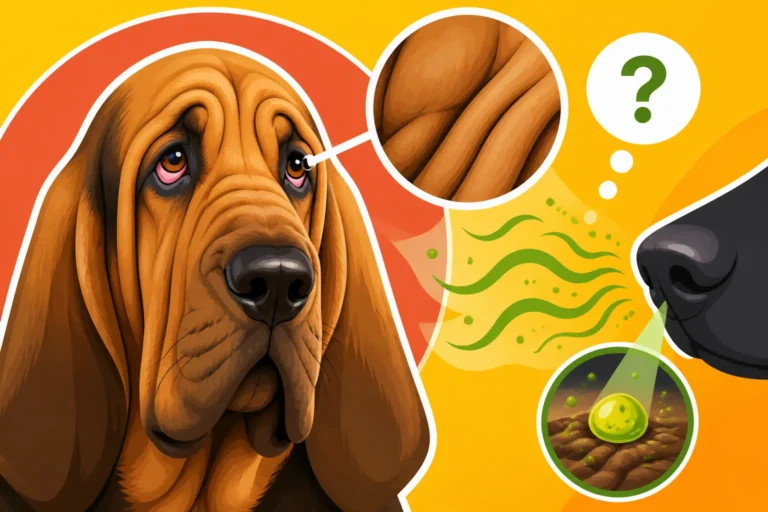
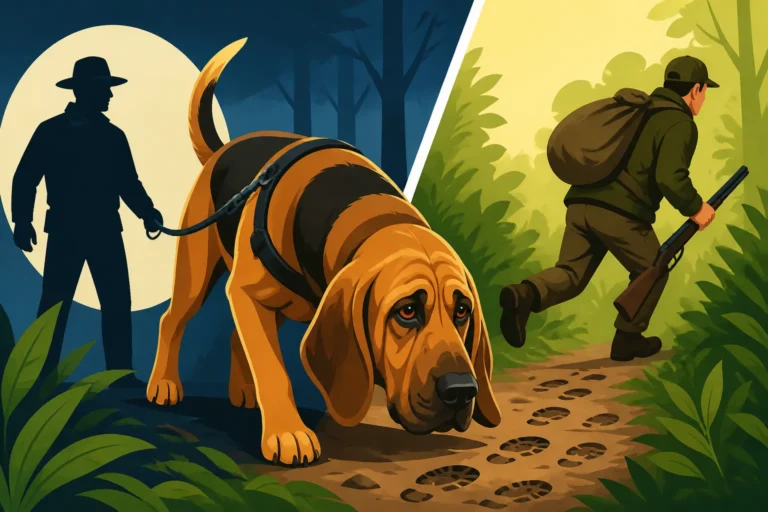
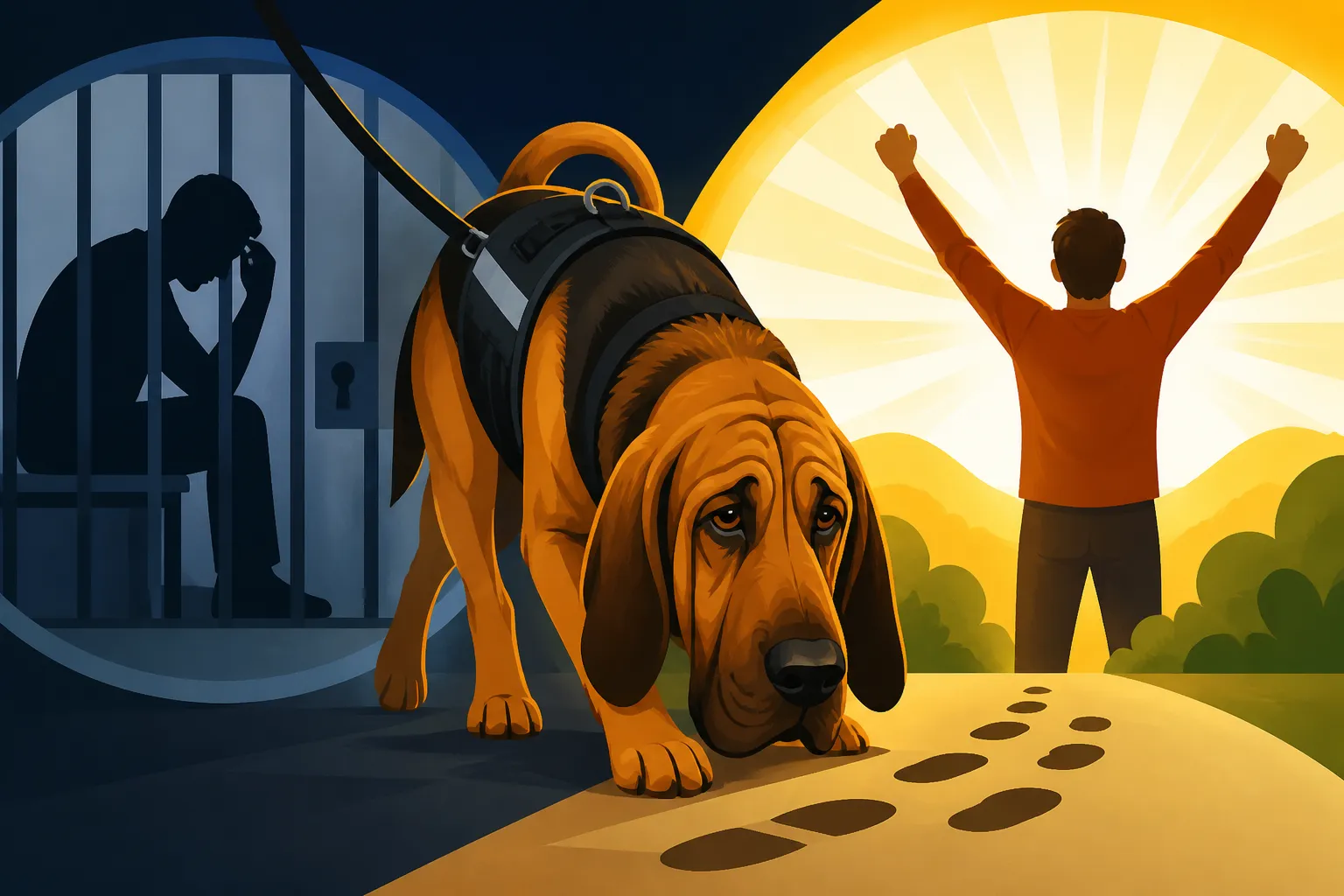
It's a common image, ingrained in our minds from countless movies and TV shows: a wise, wrinkled Bloodhound, nose to the ground, unerringly leading authorities to the villain or the lost soul. This powerful visual often leaves us with the impression that a Bloodhound's work is a direct, undeniable path to truth, and indeed, to justice. But when it comes to the grave matter of freeing an innocent person, the reality is far more complex than a dramatic courtroom reveal. This guide will delve into how the incredible abilities of a Bloodhound can genuinely contribute to clearing someone's name, not always by a direct "find," but often by providing crucial, corroborating, or even exclusionary evidence.
The Myth of the Infallible Nose in Court
We’ve all seen it: the dramatic movie scene where a K9 unit, usually a Bloodhound, tracks a scent, and with a triumphant bay, points directly to the culprit, securing their conviction. This imagery has deeply shaped public perception, making it easy to believe that a Bloodhound's nose is an unimpeachable, almost magical, instrument of truth. People often expect a Bloodhound's trail to be the ultimate, undisputed proof.
Popular Culture vs. Legal Reality
The truth is, while a Bloodhound's olfactory capabilities are nothing short of astounding, real-world legal proceedings are far more nuanced than Hollywood portrays. In film, the Bloodhound's performance often simplifies complex investigations, presenting a linear cause-and-effect that doesn't quite reflect the meticulous, often uncertain, nature of detective work. This creates what some refer to as the "CSI effect," where jurors and the public expect forensic evidence, including K9 evidence, to be conclusive and without doubt. The idea that a Bloodhound cannot make a mistake, or that its indication is equivalent to a confession, is a pervasive myth.
This oversimplified portrayal overlooks the myriad factors that influence a scent trail and the dog's ability to follow it, such as weather conditions, contamination, the age of the trail, and even the dog's own physical state. For instance, a very old trail might be faint, or a strong wind could disperse scent particles, making the job incredibly challenging, even for the most skilled Bloodhound. Whether a Bloodhound Can Be Wrong is a question that legal systems and handlers grapple with constantly.
The Nuance of K9 Evidence
Because of these complexities, most jurisdictions don't treat Bloodhound evidence as a standalone, irrefutable fact. Instead, it's typically considered circumstantial evidence, which means it supports other facts and inferences but doesn't directly prove a central fact itself. It’s a piece of the puzzle, sometimes a very significant one, but rarely the entire puzzle. The court understands that a Bloodhound identifies a scent, not a person's guilt or innocence. It merely says, "this particular scent went this way." The interpretation of what that means in the context of a crime is left to human judgment, supported by other evidence. What a Bloodhound's Evidence Is Worth to a Jury is rarely "everything."
For a Bloodhound's trail to be admissible and carry weight, the handler's qualifications, the dog's training records, and the specifics of the tracking incident (like scent article handling and environmental factors) are scrutinized. It's not enough for a dog to just follow a path; the process must be documented and repeatable to some extent, and the handler must be able to articulate the dog's behavior and the conditions of the trail.
How Bloodhound Work Can Directly Help an Innocent Person
While a Bloodhound might not dramatically point a paw at an alternative suspect to "free" someone from a conviction, its work absolutely can, and has, contributed to confirming someone's innocence or providing strong counter-evidence. This usually happens in less dramatic, but equally impactful, ways.
The Power of an "Exclusionary" Trail
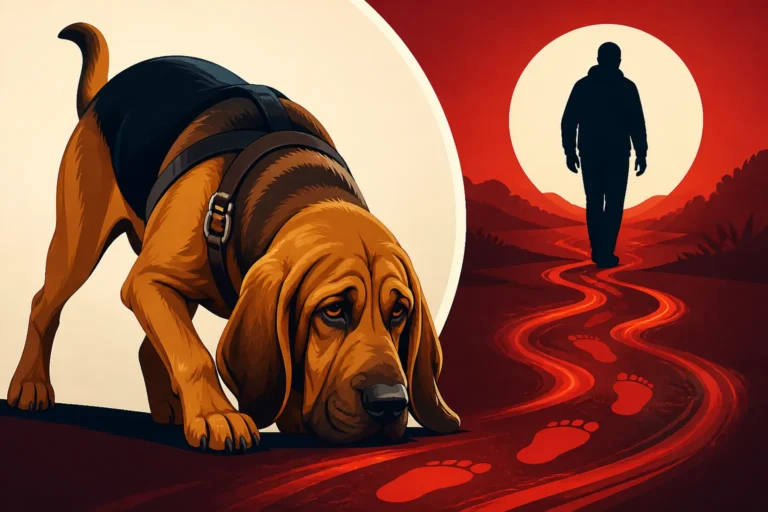
One of the most powerful, yet often overlooked, ways a Bloodhound can help an innocent person is by not finding them where they were expected to be, or by finding the trail leading away from a suspect's location. Imagine a scenario where a person is suspected of being at a crime scene. A Bloodhound is brought in, given a scent article from the suspect, and tasked with locating that scent at or near the crime scene. If the Bloodhound meticulously searches the area and indicates no trace of the suspect's scent, or if the scent trail leads definitively away from the scene, that can be incredibly powerful exclusionary evidence.
This "negative" finding doesn't prove who did commit the crime, but it strongly suggests who didn't commit it, or at least wasn't present in the way suspected. For an innocent individual wrongly accused, this kind of evidence can be a cornerstone of their defense, challenging the prosecution's narrative about their presence or involvement. It provides a tangible, physical piece of information that speaks volumes about absence rather than presence.
Corroborating Alibis
Consider a suspect who claims to have been miles away from a crime scene at the time it occurred. A Bloodhound, given a scent from the suspect, might be used to confirm their presence at their claimed alibi location, or conversely, to confirm their absence from the crime scene. If the Bloodhound finds the suspect's scent at their alibi location, and not at the crime scene, it lends significant weight to their story. This isn't about the Bloodhound "thinking" the person is innocent; it's about the dog reliably following a scent and providing data points that either support or contradict a human narrative.
This type of corroboration is critical because an alibi, while sometimes supported by human testimony, can be strengthened immensely by objective, canine-derived evidence. The Bloodhound doesn't lie or have a motive; it simply follows the scent. Whether a Bloodhound's Trail Needs Corroborating Evidence is usually about other evidence supporting the trail, but the trail can also corroborate other evidence, like an alibi.
Identifying the Actual Trail, Not Just A Trail
Sometimes, a Bloodhound's work helps to clarify which scent trail is relevant in a complex situation. In areas with multiple people, especially during or after an event, there can be a confusing array of human scents. A Bloodhound, when presented with a specific scent article, can discern that particular scent from all others. If a person is accused, but the Bloodhound consistently tracks a different scent away from the scene, it suggests that the initial focus was misplaced. This redirection of investigation can lead law enforcement to the correct path, thereby indirectly clearing the innocent person who was initially suspected.
This capability highlights the Bloodhound's unique skill set, as it doesn't just detect the presence of a human but can identify and follow a specific human's scent, even amidst a crowd or overlapping trails. This discrimination is often why The Bloodhound Is the Only Dog Whose Evidence Stands in Court in certain contexts, as their ability to isolate a single human odor is unparalleled.
Beyond the Courtroom: Bloodhounds in Search and Rescue
While not directly "freeing" someone from a criminal accusation, Bloodhounds play a crucial role in scenarios where individuals are lost, disoriented, or endangered. In these instances, a Bloodhound's tireless work can free a person from perilous situations, which in itself is a profound form of liberation.
Finding Missing Persons
Bloodhounds are the undisputed champions of finding missing people. Whether it's a child who has wandered off, an elderly person with dementia who has become disoriented, or a hiker lost in the wilderness, these dogs excel at following even the faintest, oldest scent trails. Their ability to track over varied terrain and through challenging conditions means they often succeed where human search teams, even with the best technology, might struggle.
Imagine the sheer relief for a family when their missing loved one is found safe and sound, thanks to the persistent efforts of a Bloodhound. This work might not involve a courtroom, but it saves lives and alleviates immense suffering, effectively freeing individuals from the dangers of exposure, injury, or further disorientation. Whether a Bloodhound Can Trail a Missing Child and Whether a Bloodhound Finds People With Dementia are resounding yeses, demonstrating their invaluable contribution to public safety.
Welfare Checks and Crisis Intervention
In situations requiring welfare checks, such as when a vulnerable person hasn't been seen or heard from, a Bloodhound can be deployed to locate them. If the person is found unresponsive or in distress, the Bloodhound's prompt location can ensure they receive immediate medical attention, potentially saving their life. This rapid response is critical in time-sensitive emergencies, highlighting the proactive "freedom" a Bloodhound can provide from deteriorating health or dangerous circumstances.
This often unseen work, far from the public eye and media attention, is a daily occurrence for many Bloodhound units. It reinforces the breed's fundamental purpose: to follow scent trails to locate humans, regardless of the circumstances. Even after a long day of demanding work, a Bloodhound still needs proper care and nutrition. You can find quality food, like specialized formulas for working breeds, and treats for rewarding a job well done at trusted retailers like Chewy.
The Human Element: Interpreting and Presenting Bloodhound Evidence
The Bloodhound itself is an instrument, albeit a living, breathing, and highly skilled one. The interpretation of its work, and the effective presentation of that work in a legal context, falls squarely on the shoulders of the human handler.
The Handler's Expertise and Credibility
A Bloodhound's effectiveness in contributing to justice – whether by finding a suspect or ruling one out – is inextricably linked to the expertise and credibility of its handler. A qualified handler understands not just how to work their dog but also how to interpret the dog's signals, read the environment, and properly document the entire process. They know when a dog is truly on a trail versus simply exploring or indicating a past presence. Whether a Bloodhound Handler Must Be Qualified to Testify is a critical question in court, as their testimony often explains the Bloodhound's actions.
This means rigorous training for both dog and handler. Organizations often require certifications that demonstrate proficiency in scent discrimination, trailing techniques, and scene management. Without this human expertise, the Bloodhound's incredible abilities cannot be fully leveraged or properly understood by a court of law.
Ethical Considerations and Safeguards
The legal system, recognizing the powerful yet nuanced nature of Bloodhound evidence, has developed safeguards to ensure it is used responsibly. These include strict rules about handler qualifications, scent article purity, and documentation protocols. The defense always has the right to challenge the admissibility and weight of K9 evidence, cross-examining the handler and questioning the conditions under which the trail was conducted. Whether a Defense Can Challenge a Bloodhound's Trail is an absolute right, and it often involves scrutinizing every detail of the operation.
These safeguards are essential to protect the innocent. They ensure that Bloodhound evidence is not accepted blindly but is subjected to the same scrutiny as other forms of evidence, minimizing the risk of misinterpretation or misuse. The goal is always to present a complete and accurate picture to the judge and jury, allowing them to weigh all the facts.
The Bigger Picture: One Piece of the Puzzle
Ultimately, a Bloodhound's work is a powerful investigative tool that can contribute to clearing an innocent person, but it rarely acts in isolation. It's almost always one piece of a much larger, often complex, evidentiary puzzle. It can guide investigators, corroborate alibis, exclude suspects, and, most importantly, find people in distress. The impact of a Bloodhound's keen sense of smell on a case can be immense, tipping the scales towards truth and justice.
Whether it's by definitively not finding a suspect's scent at a crime scene, confirming an alibi far away, or redirecting an investigation to the correct path, Bloodhounds are indeed instrumental in ensuring that innocent individuals are not wrongly implicated or punished. Their quiet, persistent work, guided by skilled handlers, is a testament to their enduring value in the pursuit of justice and safety for all. Providing your working Bloodhound with durable toys from Chewy can help keep them mentally stimulated and happy when they're not on the trail, which is also important for their overall well-being.
Disclaimer
This article is for general informational purposes only and does not constitute professional advice. Laws, prices and regulations vary by location and change over time. Consult a qualified professional for guidance on your specific situation.