Whether a Bloodhound Can Hold Still While a Trail Is Laid
It's a familiar scene for many Bloodhound owners: you're ready to lay a trail, perhaps for training or for an actual find, and your majestic hound transforms into a squirming, whining, eager-to-go furry bundle of anticipation. Getting a Bloodhound, whose very essence is driven by scent, to stand or lie patiently while you prepare the environment for their work can feel like trying to hold back the tide with a teacup. This guide is all about tackling that particular challenge, understanding why your Bloodhound is so keen, and offering practical strategies to help them develop the crucial patience needed for effective scent work.
Understanding the Bloodhound's Innate Drive for Scent
Let's be honest, asking a Bloodhound to wait when a trail is being laid is like asking a chef to ignore the sizzling steak right in front of them. Their entire genetic makeup, their magnificent nose, and their profound joy in following a scent are all geared towards one thing: go. It's not rudeness or defiance; it's just pure, unadulterated Bloodhound-ness.
The Overwhelming Allure of a Fresh Trail
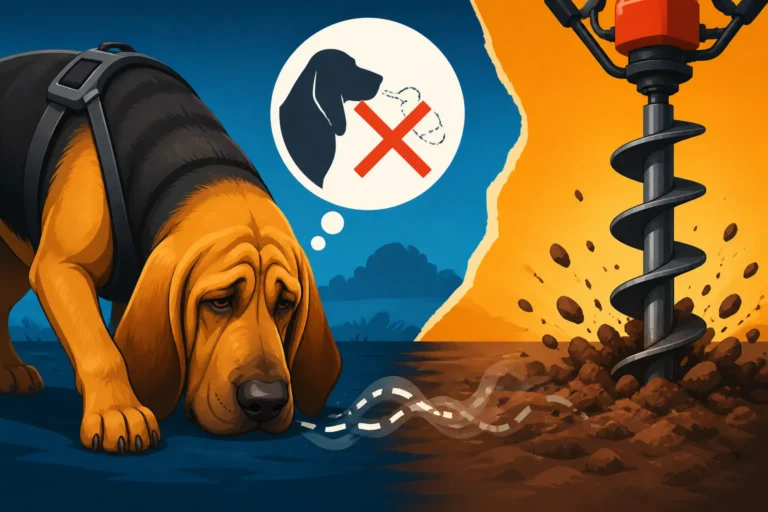
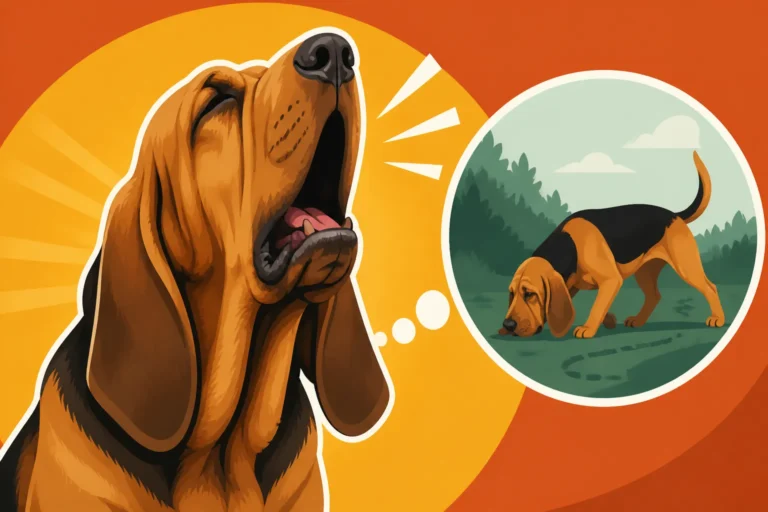
Imagine having the superpower to detect the faintest trace of an aroma, a story whispered by the air, long after others have moved on. That's your Bloodhound's daily reality. When you're laying a trail, whether it's for a training exercise in your local park or a real-life search, you're essentially setting out a complex, invisible treasure map. For your Bloodhound, every step the "runner" takes, every discarded tissue, every bit of skin cell shed, is a screaming invitation. Their olfactory system is engaged at an unparalleled level, dissecting the individual human scent signature. It’s absolutely fascinating to consider How a Bloodhound Separates One Person's Scent From a Crowd, a testament to their incredible abilities.
This isn't just a casual interest for them; it's a deep, primal drive. They don't just want to follow the scent, they need to. It activates every fiber of their being, from their brain to their wagging tail. The ground literally hums with information for them. So, when you're fumbling with the scent article, or the helper is walking away, your Bloodhound isn't thinking, "Oh, I should practice my patience." They're thinking, "Why are we wasting precious seconds? The trail is getting older by the nanosecond! Let's GO!" This intense focus on the scent is what makes them such incredible trackers, but it's also what makes stillness so incredibly difficult for them.
The Challenge of Impulse Control vs. Instinct
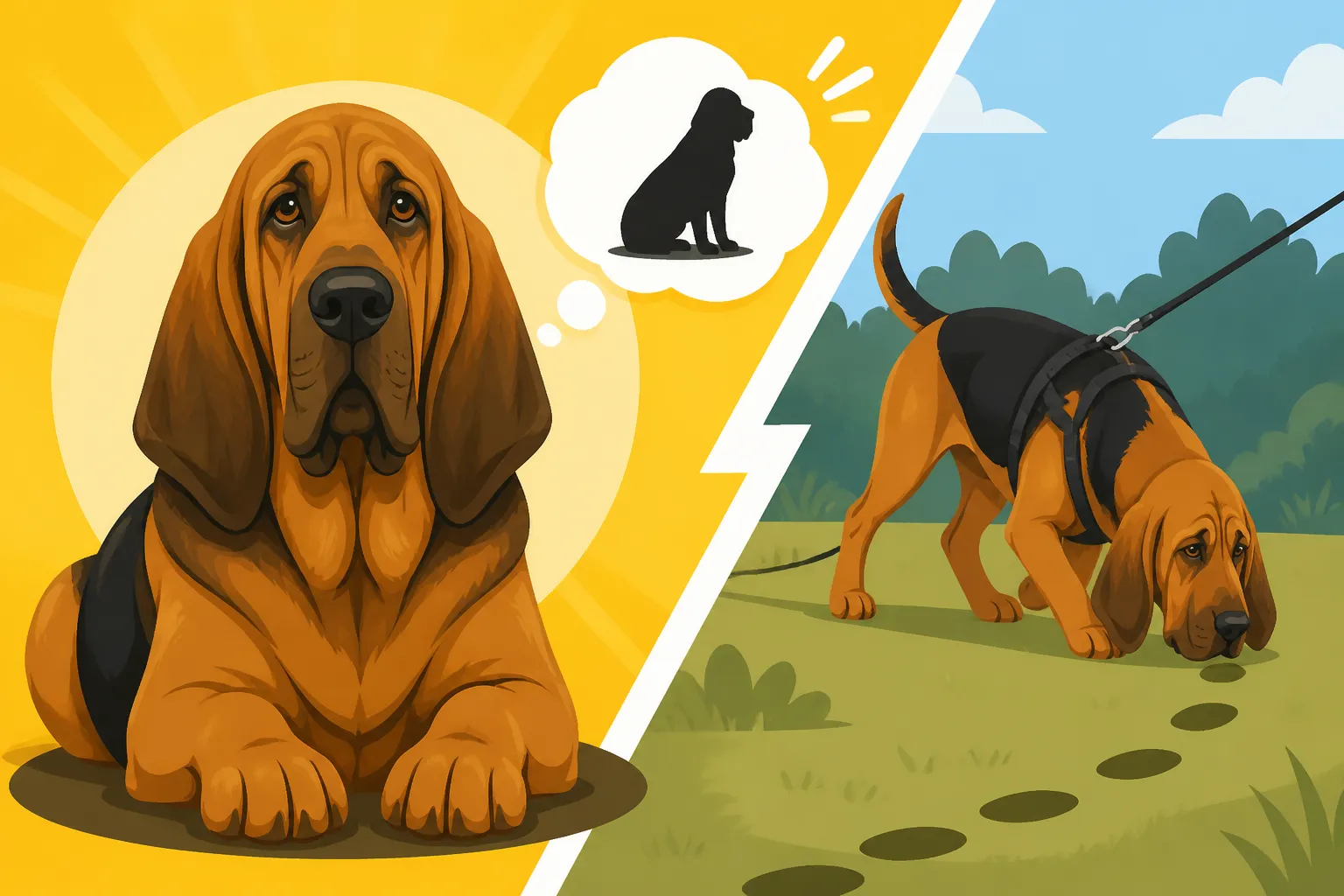
For us humans, it's easy to assume that if a dog knows "sit" and "stay," they should be able to apply that command in any situation. But with a Bloodhound and a fresh trail, you're not just up against a simple distraction; you're up against millennia of selective breeding for a specific, all-consuming purpose. Their instinct to trail is not just strong; it's almost an imperative. This is why you might find that your Bloodhound, who can hold a perfect "down-stay" in your living room, suddenly seems to forget every command they've ever learned when the trailing harness comes out or a scent article appears. It’s not that they’re suddenly stupid or rebellious; it’s that their brain is being completely hijacked by their nose.
It's crucial to understand that this isn't a failure on your part as a trainer, nor is it a fault in your dog. It's just how Bloodhounds are wired. Their entire genetic blueprint is screaming "follow that scent!" and it takes immense effort and consistent training to layer impulse control on top of that powerful drive. Sometimes, it feels like Why a Bloodhound Ignores a Cue It Knows is a direct result of that internal battle between obedience and instinct. Their concentration is so intensely focused on the potential trail that everything else, including your voice, can become background noise. We often talk about "stubbornness" in Bloodhounds, but it's more accurately described as a profound dedication to their work.
Strategies for Preparing a Bloodhound to Work Calmly
While completely eradicating a Bloodhound's excitement before a trail is probably an impossible and undesirable goal (you want that drive!), you absolutely can teach them to manage that excitement into a more controlled, patient anticipation. It's all about creating clear rituals and reinforcing calm behavior before the action starts.
Building a Strong Foundation for "Wait" and "Stay"
Before you even think about applying "wait" to scent work, ensure your Bloodhound has an iron-clad "wait" and "stay" in everyday, low-distraction environments. Practice these commands relentlessly in your home, your yard, and then in gradually more distracting places like a quiet park. Make it abundantly clear what "wait" means: remaining completely still and silent until a specific release cue. When they hold their "wait," even for a short time, reward them with something truly fantastic. For instance, high-value, soft training treats work wonders, and brands like BAXTER & Bella often have excellent options that dogs go crazy for. The goal is to make waiting incredibly profitable for them, almost as rewarding as the trail itself.
Once they're solid on basic waits, you can start introducing mild scent distractions. This might mean having a friend walk a short distance away and hide a treat (not a scent article for trailing, just a treat) while your Bloodhound is on a long-stay, then releasing them to find the treat. The key is to keep the stakes low and the rewards high, slowly building their tolerance for exciting stimuli while maintaining their composure. Remember, for a Bloodhound, What a Bloodhound Will Work For is almost always going to be the promise of following a scent, but getting a high-value edible reward for waiting patiently can be a strong secondary motivator.
The Ritual of the Harness and Line
Bloodhounds are creatures of habit and routine. You can leverage this by creating a very clear, consistent ritual around putting on the trailing harness and line. The harness, in particular, should become a signal that work is coming, but not necessarily right now. Start by simply putting the harness on in a calm environment, then removing it without going for a trail. Repeat this several times. Then, put the harness on, have them "wait" for a few minutes while you do something mundane (like checking your phone or tying your shoe), then remove it. Gradually extend the wait time and associate the harness with a period of calm anticipation.
The goal is to teach them that the harness means "calm focus" before "go." Always use the same specific harness for trailing – don't use their everyday walking harness. A good quality tracking harness, often available on Amazon, can help your Bloodhound differentiate between casual walks and serious scent work. This distinction helps them mentally switch gears. Which Harness a Bloodhound Trails In is a crucial choice, as comfort and fit contribute to their ability to focus and perform. If they are accustomed to wearing their special work harness while waiting, it becomes less of a "OMG it's time to go!" trigger and more of a "Okay, almost time to go, just need to chill for a bit" cue.
Managing Excitement and Anticipation
This is where the real art comes in. When you know a trail is about to be laid, don't let your Bloodhound be right on top of the action, getting more and more worked up.
Here are a few techniques:
- The "Out of Sight, Out of Mind" Approach: If possible, have your Bloodhound in a crate, or secured quietly in your vehicle, a short distance away from where the trail is being laid. They don't need to see the "runner" disappear. This cuts down on visual overstimulation.
- The "Calm Down" Command: Teach a specific command like "settle" or "relax" that means they need to lay down and be calm. Practice this frequently in various situations. When they start to get antsy before a trail, calmly issue this command.
- Physical Barrier: If you're working in an open field, sometimes simply having them on a shorter lead, with your body blocking their view of the runner, can help. This isn't about punishment, but about managing their input.
- The "Pre-Trail Wait": Once the harness and line are on, and you're at the starting point, have them do a solid "down-stay" for a minute or two before you present the scent article and give the "take scent" command. This short, enforced period of calm before the start reinforces that patience is required.
It's a continuous process, and some days will be better than others. It's often difficult to get a Bloodhound to How to Hold a Bloodhound Still for Ear Cleaning, for example, because even mundane tasks can be a challenge. Expecting perfect stillness is unrealistic, but aiming for controlled excitement is absolutely achievable.
Practical Scenarios and Advanced Techniques
There are definite ways to set yourself and your Bloodhound up for success, especially when it comes to the logistics of laying a trail and getting a calm start. Sometimes, you just have to adapt to their natural drive rather than fight against it head-on.
The Role of a Helper in Laying a Trail
One of the most effective ways to manage a Bloodhound's excitement at the start of a trail is to use a helper. The helper is the person who actually lays the trail. While the helper is walking out and establishing the scent path, you, the handler, can focus entirely on keeping your Bloodhound calm and focused on you, or at least distracted from the action. This might mean having your Bloodhound in a "down-stay" position, perhaps with their back to the helper, or simply engaging them in some playful heeling exercises until the helper is out of sight.
The key here is that the Bloodhound should ideally not see the trail being laid directly. Their incredible vision, combined with their nose, would make waiting almost unbearable. The helper should disappear as discreetly as possible, often going behind natural barriers like trees or buildings. Once the helper is gone and has hopefully left the scent article at the start of the trail, you can then bring your Bloodhound to the starting point. This setup is so beneficial that many professional trainers recommend that Whether a Bloodhound Needs a Helper to Train is almost a necessity for initial scent work. It takes the pressure off both dog and handler.
When the Bloodhound Can't Hold Still
Let's be real: despite all your best efforts, there will be days when your Bloodhound simply cannot hold still. They're overstimulated, too excited, or perhaps just having an off day. It happens! It’s important not to get frustrated or punitive, as this can damage your relationship and make future training harder. Remember, a Bloodhound's brain operates differently, and forcing them into a state of unnatural stillness can backfire. If you find your Bloodhound is utterly incapable of a calm wait, don't just push through it. Reassess.
Consider these alternatives:
- Starting from a Vehicle: Have your Bloodhound secured in your car, then bring them out and immediately start the trail from the scent article, minimizing any "wait" time at the start.
- Handler-Laid, Immediate Start: If you don't have a helper, you can lay a very short, simple trail yourself while your Bloodhound is out of sight. Then, bring them straight to the scent article and release them. The waiting happens before they even know a trail exists.
- Embrace Controlled Wiggling: Sometimes, a little bit of excited whining, foot-shuffling, or low baying is just part of the Bloodhound's pre-work routine. If it's controlled and not disruptive, it might be something you learn to tolerate rather than suppress completely. The goal isn't necessarily absolute silence and immobility, but rather containing the excitement. This patience and understanding are crucial, as Whether a Bloodhound Forgives a Bad Session demonstrates that negative experiences can impact their willingness to work.
The "Magic" of the Scent Article and the Release
The scent article itself plays a pivotal role in signaling the start of the trail. This object, typically something the missing person has touched or worn, becomes the initial focal point for your Bloodhound's powerful nose. It’s not just any object; it’s the object. By consistently presenting the scent article right before giving your "take scent" or "find him/her!" command, you create a powerful association. The article itself becomes the cue for work.
You can even use a specific "scent article kit" – a small bag or box containing a clean glove, tongs, and a sterile container for the scent article – to build this ritual. Many components for such a kit can be found easily on Amazon. This whole process, from retrieving the article to presenting it, should be done with calm, deliberate movements. Once the Bloodhound takes their initial scent, then, and only then, do you give your release cue, such as "Track!" or "Find!" This clear signal helps them understand that now is the time to go. For puppies, starting with a simple, familiar object can make a huge difference in their early training; understanding What Scent Article a Bloodhound Puppy Starts On is a great first step.
The Long-Term Goal: Patient Anticipation, Not Perfect Stillness
Let's be clear: a perfectly still, stone-faced Bloodhound before a trail is not necessarily the ideal. What you're aiming for is patient anticipation. That little bit of quivering, the soft whine, the low murmur – that's their passion, their drive, their dedication coming through. You want to channel that energy, not extinguish it.
Managing Expectations for the Trailing Bloodhound
It's vital to recognize that Bloodhounds are exuberant, highly driven creatures. Their enthusiasm for scent work is what makes them so extraordinary. Expecting them to behave like a robot before a trail is not only unrealistic, but it could also stifle their natural joy for the work. Instead, focus on creating a scenario where their excitement is controlled. A bit of fidgeting, some eager head-lifts, or even a soft bay is often part of their individual process. It shows they're "primed" and ready to go.
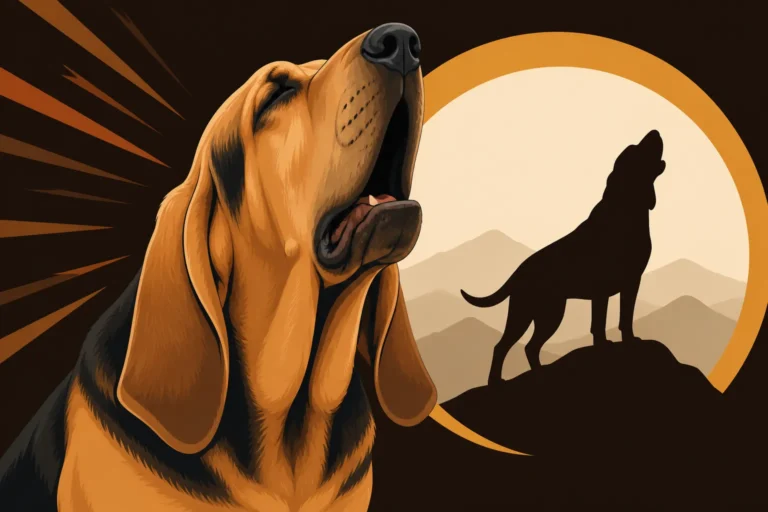
The goal is to prevent that excitement from boiling over into lunging, pulling, or barking that could interfere with their ability to pick up the initial scent cleanly. Learn to read your individual Bloodhound. Some will be intensely focused and relatively quiet, while others might vocalize a little more. Why a Bloodhound Bays is a deeply ingrained behavior, and a small, contained bay of excitement at the start is a far cry from incessant, uncontrolled barking. Understanding and accepting these breed traits will help you manage your expectations and celebrate their unique way of engaging with the work.
The Benefits of a Well-Managed Start
When you successfully manage the pre-trail excitement, the benefits are immense for both you and your Bloodhound. A calm, focused start generally leads to a more efficient and effective trail. Your Bloodhound is less likely to blow past the initial scent article, and they begin the work in a more clear-headed state, rather than a frantic one. This sets the tone for the entire search.
Furthermore, a predictable and calm routine around the start of a trail reduces stress for you, the handler. You're not wrestling a giant dog while trying to organize your gear and communicate with a helper. This improved communication and partnership build trust. Your Bloodhound learns that you are in control, that you understand their drive, and that you will guide them to the work they love, but on your terms. This foundational training, started early and maintained consistently, contributes significantly to their overall development and can make The First Year With a Bloodhound That Already Wants to Trail a much more enjoyable and productive experience for everyone involved. It’s about building a solid, respectful working relationship where both of you understand the cues and expectations, and the anticipation becomes a shared, exciting moment rather than a struggle. Even if you're not aiming for a formal title like those described in How a Bloodhound Is Certified for Search Work, a well-managed start is key to any successful scent work.
| Technique/Situation | Challenge for Bloodhounds | Strategy for Success | Expected Outcome (Realistic) |
|---|---|---|---|
| Trail Laying by Helper | Visual and olfactory stimulation from the runner walking away. | Dog kept out of sight (e.g., in a car, behind a building) or handler distracts/blocks view. | Reduced visual excitement; dog focuses on handler or rests until start. |
| Handler Lays Trail | Dog sees handler walking away, associating movement with trail. | Dog secured in crate or vehicle, then handler lays a short, simple trail quickly. | Minimizes visual overstimulation; dog brought to start once trail is ready. |
| Putting on Trailing Harness | Excitement surge; anticipation of immediate work. | Establish a ritual: harness on, then a calm "wait" period before moving to the start. | Harness becomes a cue for focused calm, not instant action. |
| Presenting Scent Article | Overwhelming desire to grab the article and go. | Teach a clear "wait" for the article; only give "take scent" cue when calm and focused. | Dog learns to calmly take scent; less likely to blow past the start. |
| "Hold Still" Command | Intense natural drive to move and follow scent. | Practice in low-distraction first, reward heavily. Gradually introduce mild scent, not full trail. | Improved impulse control; ability to "wait" for shorter periods under increasing distraction. |
| Managing General Excitement | Whining, pulling, jumping, frantic behavior. | Utilize "settle" commands, physical barriers, or a short, calming activity before approaching the start point. | Channelled energy; controlled anticipation rather than uncontrolled chaos. |
Disclaimer
This article is for general informational purposes only and does not constitute professional advice. Laws, prices and regulations vary by location and change over time. Consult a qualified professional for guidance on your specific situation.