Whether the American Bloodhound Club Keeps a Health Registry
The American Bloodhound Club role in managing breed health through recommended screenings and responsible breeder practices.
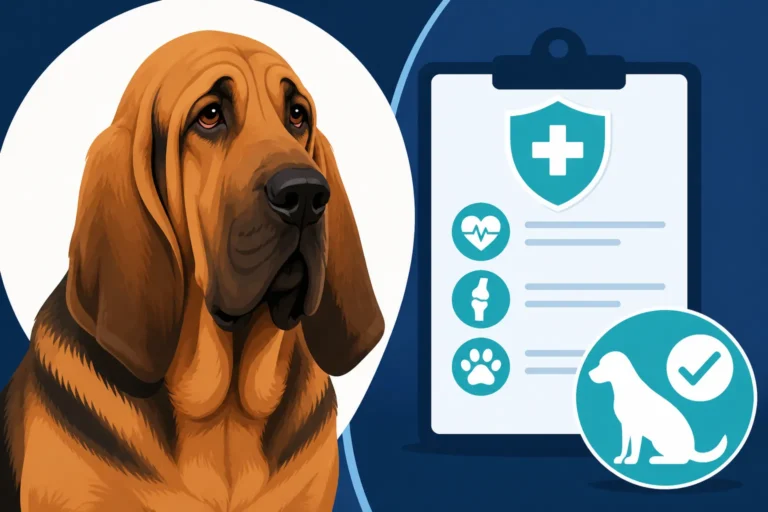
The American Bloodhound Club role in managing breed health through recommended screenings and responsible breeder practices.

Bloodhound bloat genetics and multifactorial risk factors explain why screening tests cannot predict Gastric Dilatation-Volvulus.

Aging Bloodhounds face physical and mental changes at eight years old, but many can safely continue trailing work with proper support.

Aging Bloodhound olfactory abilities remain resilient, though physical changes and joint discomfort can affect trail tracking.
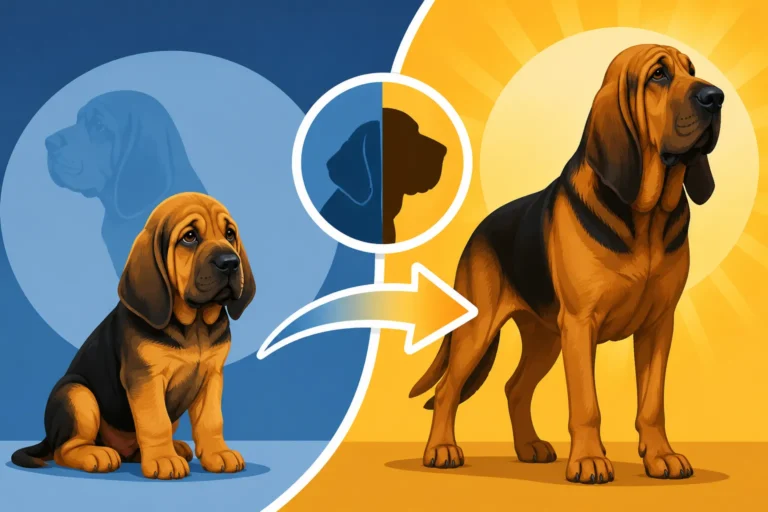
Bloodhound physical and cognitive changes at age six, covering joint health, hip strain, and sensory decline in senior dogs.
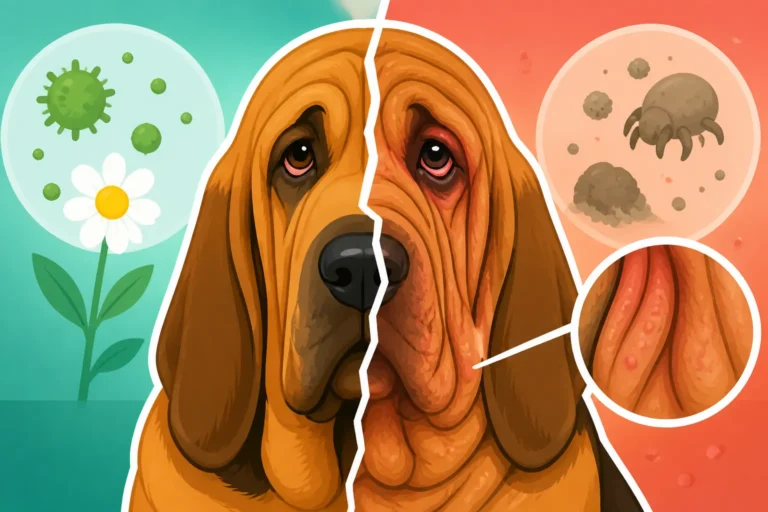
Allergies worsen Bloodhound skin folds by weakening the protective skin barrier and creating breeding grounds for infection.
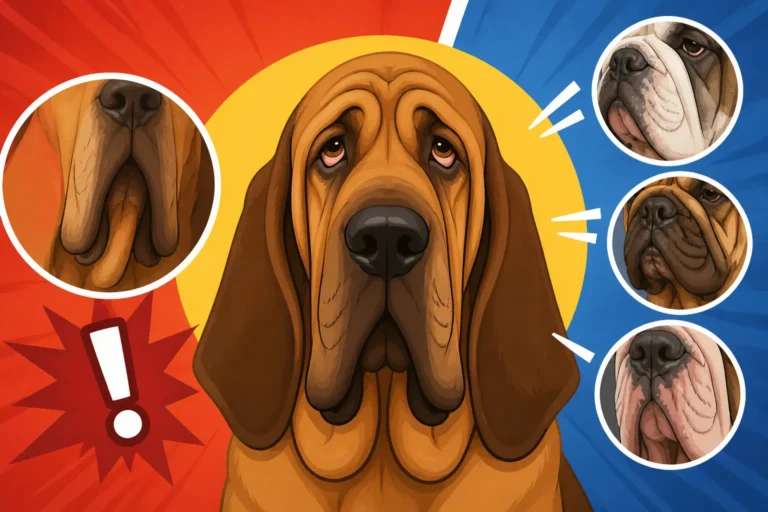
Bloodhound lip folds trap food and moisture inside deep crevices, creating warm environments where bacteria and yeast thrive.
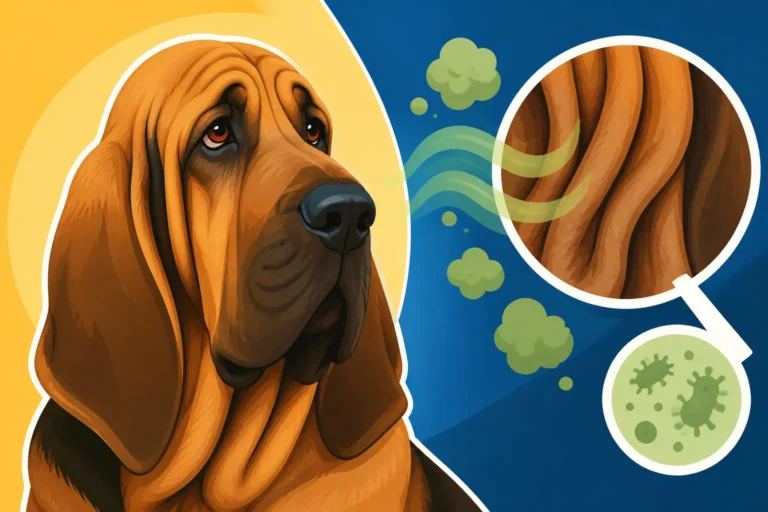
Bloodhound skin folds trap moisture and heat around the face and neck, creating warm environments where yeast and bacteria cause distinct odors.
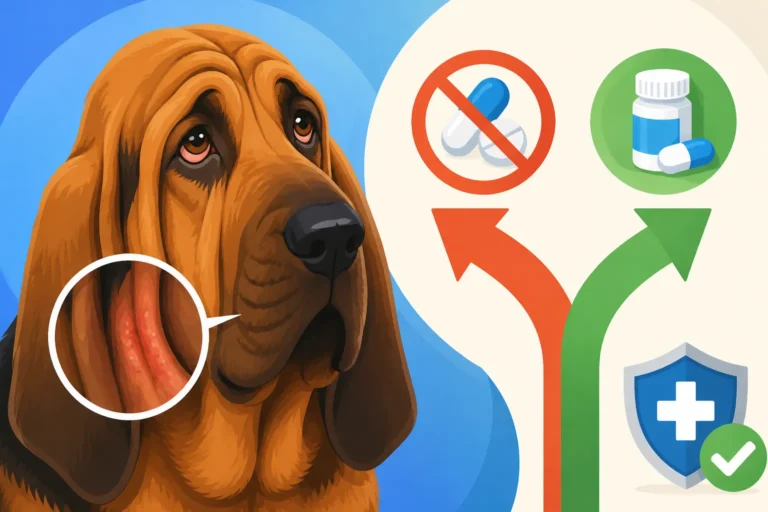
Bloodhound skin fold infections, early warning signs, and home care methods help determine when a dog requires antibiotics.
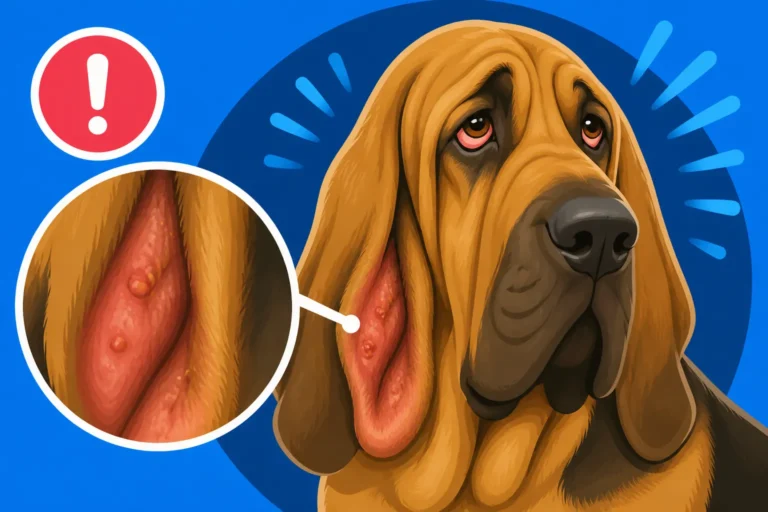
Bloodhound fold dermatitis signs include trapped moisture, debris, and irritation that lead to skin infections in facial wrinkles.