Where a Bloodhound Owner’s Money Actually Goes
Bloodhound ownership expenses include puppy purchase prices, startup gear, health screenings, vaccinations, and unavoidable veterinary bills for medical care.

Bloodhound ownership expenses include puppy purchase prices, startup gear, health screenings, vaccinations, and unavoidable veterinary bills for medical care.

Adolescent Bloodhounds reach rescue organizations at eighteen months due to physical growth, uncoordinated energy, and independent mental development.

Bloodhound trailing equipment costs, including tracking harnesses, long lines, and scent articles, for search and rescue.

Bloodhound pet insurance details what veterinary care policies cover and exclude regarding breed-specific giant dog health conditions.

Bloodhound puppy purchase prices vary significantly between reputable breeders and puppy mills based on health testing and breeding costs.

Bloodhound ear care costs and frequent infections explained through deep anatomy, trapping debris, and underlying allergies.
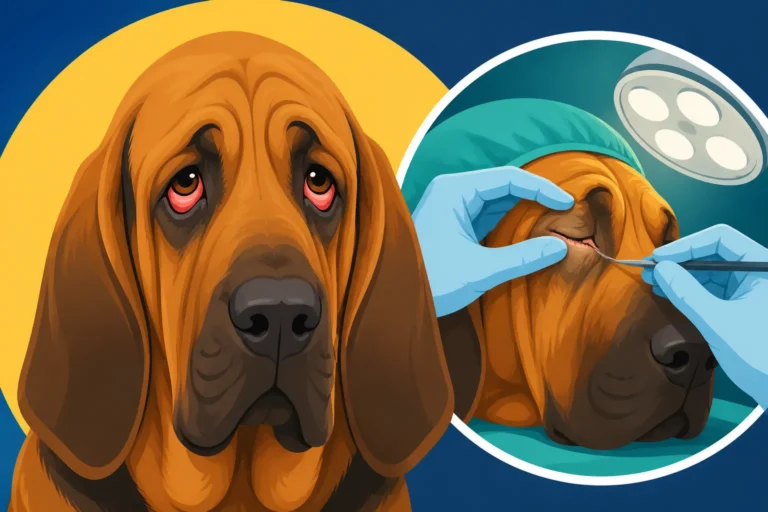
Bloodhound eyelid surgery and its unexpected veterinary costs, explaining why the breed develops droopy eyes and requires operations.
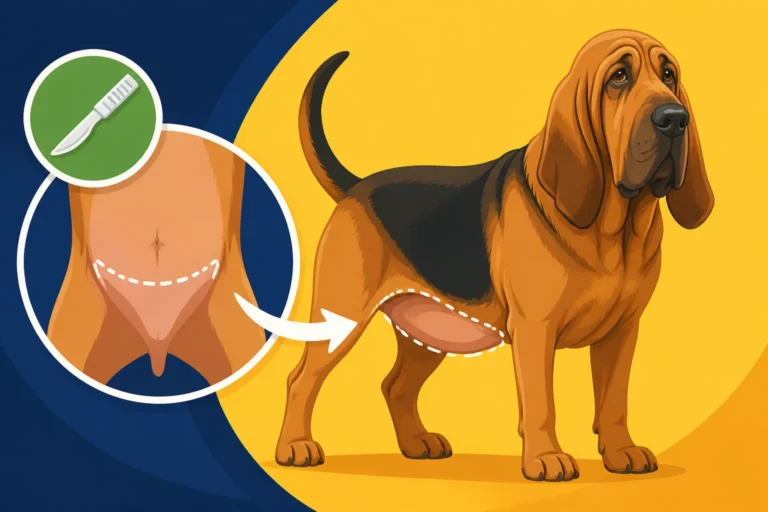
Preventive gastropexy for Bloodhounds stops fatal stomach twists, explaining surgical costs, benefits, and practical considerations.
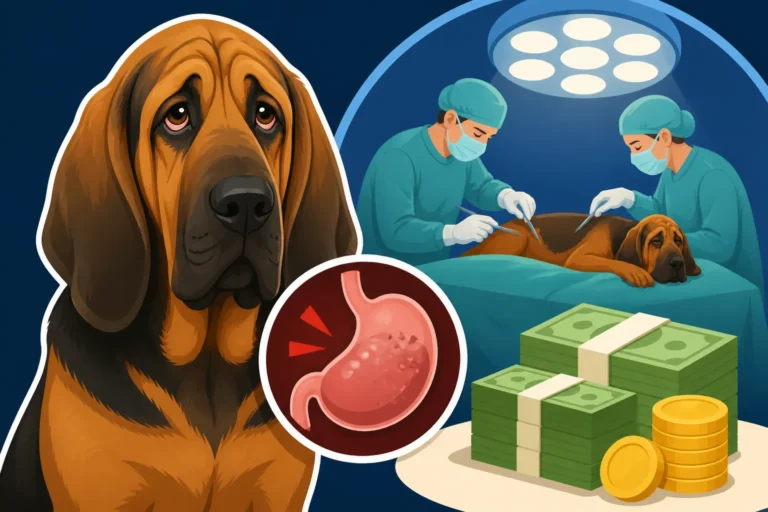
Emergency bloat surgery costs for a Bloodhound involve diagnostic fees, intensive after hours care, and immediate veterinary stabilization.

Bloodhound surgery costs, deep chest bloat risks, chronic ear infections, and eyelid conditions are explained for owners.