Whether a Bloodhound Puppy Should Be Socialized to Traffic Early
It's completely normal to feel a knot in your stomach when you think about introducing your sensitive Bloodhound puppy to the hustle and bustle of traffic. You want them to be brave and well-adjusted, but the thought of those huge trucks, roaring buses, and constant car horns can feel incredibly daunting for a little pup with such a profound sense of hearing and smell. This comprehensive guide will walk you through the essential steps and considerations for safely and effectively socializing your Bloodhound puppy to traffic early, setting them up for a confident, calm future in our busy world.
The Rationale Behind Early Traffic Socialization for Bloodhounds
You might wonder, "Why put my precious puppy through this stress so soon?" And it's a valid question. The truth is, early, positive exposure to a wide variety of stimuli, including traffic, is crucial for developing a well-adjusted adult Bloodhound. Neglecting this crucial step can actually lead to far greater anxiety down the line.
Why "Early" Matters, and What "Early" Means
The period between approximately 3 weeks and 16 weeks of age is often referred to as the critical socialization window for puppies. During this time, their brains are like sponges, absorbing new experiences and forming associations that will largely shape their adult personality. Think of it like this: every new, positive experience you introduce your puppy to during this window helps build a mental library of "safe" things in the world. Traffic, with its unpredictable sights, sounds, and smells, can be a huge source of anxiety if not approached correctly during this sensitive period.
When we talk about "early," we don't mean throwing your eight-week-old puppy onto a busy street corner on their first day home. Absolutely not. Early socialization is about controlled, positive, and gradual exposure. It means starting the process while they are still young enough to be highly adaptable and before fear responses become ingrained. A Bloodhound puppy, with its incredible nose and often sensitive nature, can quickly become overwhelmed if introductions aren't handled with care and empathy. You're aiming for curiosity and neutrality, not fear or over-excitement.
The Double-Edged Sword: Fear vs. Familiarity
Without proper early exposure, a Bloodhound can develop profound fears related to urban environments. Imagine a two-year-old Bloodhound, never introduced to city sounds, suddenly forced to navigate a busy sidewalk. The honking, the rumbling of large vehicles, the incessant whir of tires, the sheer volume of human and mechanical scents – it would be a terrifying onslaught for their heightened senses. This lack of familiarity can manifest as freezing, bolting, lunging, excessive barking, or even aggression, all driven by fear. These behaviors are not only distressing for your dog but can also make walks and vet visits a nightmare.
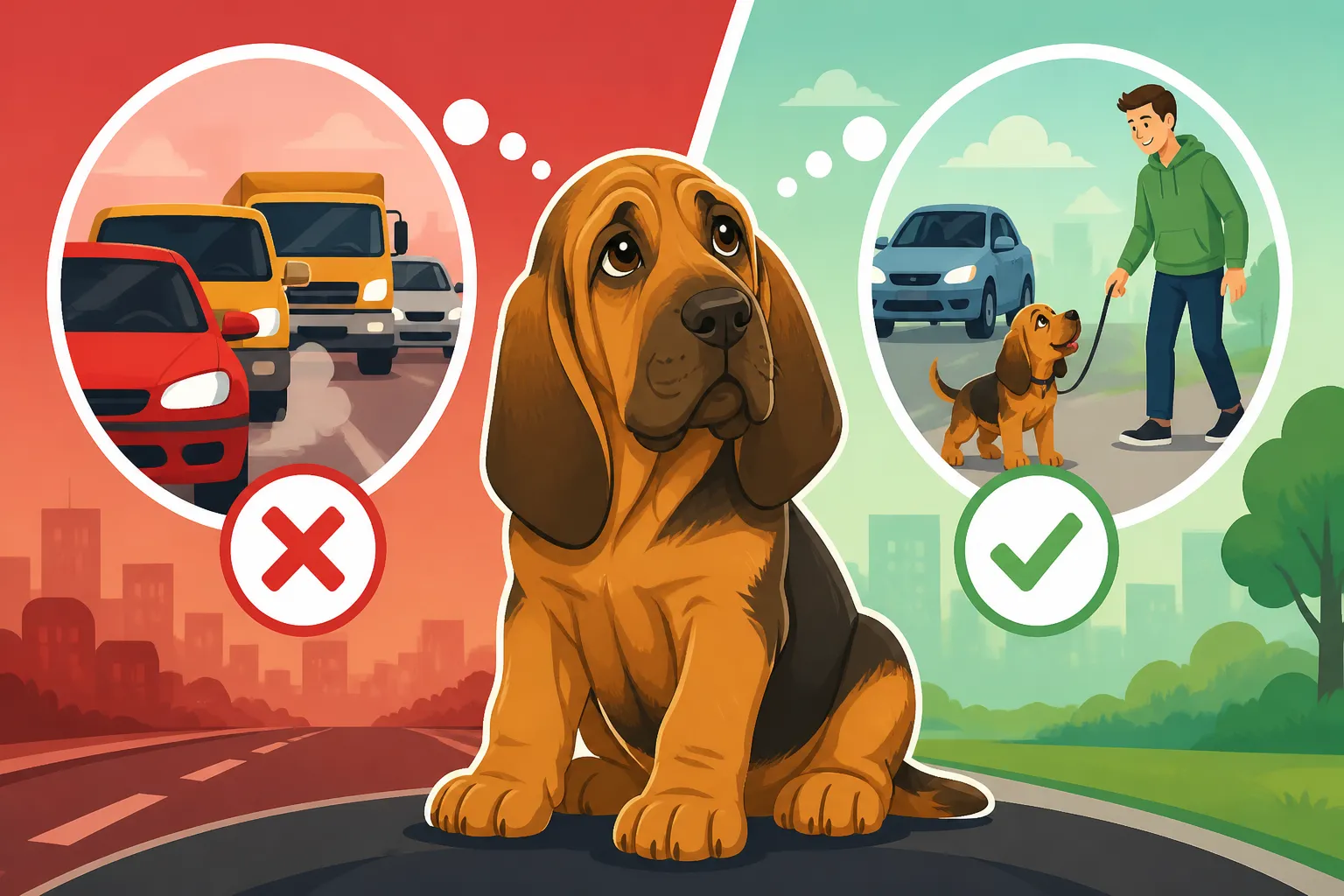
On the other hand, careful, systematic exposure fosters familiarity. When your Bloodhound puppy learns that the passing car isn't a monster, that the siren is just a loud noise that goes away, and that these things happen while you, their safe person, are right there providing comfort and treats, they build resilience. This familiarity is the bedrock of confidence. A dog confident in various environments is less likely to develop behavioral issues related to fear and much more enjoyable to be around. It means you can take your Bloodhound to more places, which is wonderful for a breed that thrives on having a job and exploring new scents. For a breed that may not be well-suited to off-leash adventures due to its powerful nose, being comfortable on a leash in public spaces is paramount. Why Off Leash Is Not a Goal With a Bloodhound dives deeper into this.
Crafting a Successful Traffic Exposure Plan
Successfully socializing your Bloodhound puppy to traffic is less about a single event and more about a carefully designed, ongoing process. It requires patience, observation, and a keen understanding of your puppy's individual reactions.
Starting Small: Observation and Distance
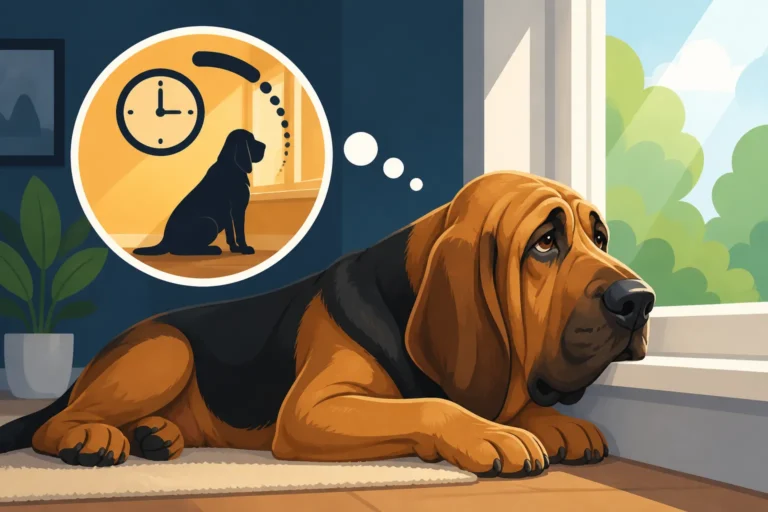
The very first step in traffic socialization involves observation from a safe distance. Start by sitting with your puppy in your arms or in a comfy lap carrier (if they are small enough) in a relatively quiet area that has some distant traffic noise – perhaps a park bench a block away from a main road, or even just inside your home with a window open. You're looking for their reaction: are they curious? Indifferent? Or are their ears pinned, tail tucked, and body trembling? Keep these initial sessions very short, just a few minutes, always ending on a positive note.
As your puppy shows comfort, you can gradually decrease the distance or increase the mildness of the traffic. Maybe move to the end of your driveway, or a street with occasional, slow-moving cars. The key is to keep them under threshold – meaning they are aware of the traffic but not overwhelmed by it. If they show signs of fear, you've moved too quickly or too close. Retreat to a distance where they are comfortable and try again another day. Think of it as baby steps, not giant leaps. Providing a safe place, like a cozy crate in your home, can also help them feel secure after these new experiences. Online training platforms, like BAXTER & Bella, often provide modules on gradual exposure to new environments, which can be immensely helpful for structured learning.
Building Positive Associations with Urban Sounds
Once your Bloodhound puppy is comfortable observing traffic from a distance, the next step is to actively build positive associations. Every time a car passes, a truck rumbles, or a distant horn beeps, immediately give your puppy a high-value treat or engage them in a quick, fun game with a favorite toy. The goal is for them to associate these potentially scary sounds with something wonderful happening to them. "Oh, a loud truck! That means delicious chicken!"
Vary the environment. Don't just sit in the same spot every day. Take short walks in areas with increasing levels of traffic. Even a trip to a local hardware store parking lot, which has cars constantly coming and going, can be an excellent low-stakes environment. Remember to keep sessions brief and positive. If your puppy seems to be struggling, don't force it. Retreat, reassess, and try again when they are in a better headspace. This is also where understanding How Much Walking a Bloodhound Needs Daily comes into play – integrating socialization into their regular walks.
The Role of Gear and Safe Handling
When you're out and about, especially in areas with traffic, the right gear is non-negotiable for a Bloodhound. A secure, well-fitting harness is absolutely essential. Bloodhounds are masters of scent and can become incredibly focused on a trail, making them prone to pulling and potentially slipping out of a collar. A front-clip harness or a well-designed back-clip harness offers better control and reduces pressure on their delicate necks. You can find a wide range of options on platforms like Amazon, but always prioritize fit and comfort. For more on this, check out What a Tracking Harness Costs for a Bloodhound.
Always use a sturdy leash, and consider a slightly longer line (like a 6-foot or even 10-foot lead) in safer, open areas to give them a bit more freedom to sniff while still being secure. How Long a Line a Bloodhound Handler Buys offers more insights here. Never, ever let your Bloodhound puppy off-leash in an unfenced area, especially near traffic. Their nose will rule, and safety must always come first. Your calm, confident demeanor is also part of "safe handling." If you're stressed, your puppy will pick up on it. Project calm and reassurance, even if you're internally a bit anxious about a passing semi-truck.
Navigating Challenges and Common Missteps
Even with the best intentions, socializing a Bloodhound puppy to traffic can present its own set of unique challenges. Being prepared for these and knowing how to respond can make all the difference.
Recognizing Stress Signals in Your Bloodhound Puppy
Bloodhounds, like all dogs, communicate their feelings through body language. It's vital to become fluent in your puppy's signals of stress or discomfort, especially when introducing them to busy environments. Subtle signs might include lip licking, yawning (when not tired), turning their head away, sniffing the ground excessively, or a sudden disinterest in treats they usually adore. More obvious signs of fear include a tucked tail, flattened ears, trembling, panting, attempting to hide behind you, or outright trying to pull away.
If you observe these signs, it's a clear indication that your puppy is over threshold. This is not the time to push them further. Instead, increase the distance from the traffic, or end the session entirely and try again in a calmer environment. Forcing a puppy to "deal with it" when they are scared will only reinforce their fear and make future socialization harder. Remember, the goal is positive association, and you can't build positive associations if your puppy is in a state of panic. Understanding their limits is key to building a strong foundation, particularly during The First Year With a Bloodhound That Already Wants to Trail, where their focus might easily shift from you to a scent.
Avoiding Overwhelm and Negative Experiences
One of the biggest mistakes owners make is doing too much, too fast. A single negative or overwhelming experience can set back weeks of positive socialization. For instance, if you take your puppy to a busy downtown area during rush hour as their first major traffic exposure, they might be so overwhelmed that they develop a lasting aversion to all urban sounds.
Instead, prioritize quality over quantity. Shorter, more frequent, and overwhelmingly positive sessions are far more effective than long, intense, or infrequent exposures. Avoid introducing them to traffic when they are already tired, hungry, or not feeling well. Choose times of day when traffic might be lighter, or when you can minimize other stressors. Always have an "escape route" or a plan to quickly remove them from a situation if they become distressed. This might mean having a car nearby or knowing a quiet side street to duck into. If you live in an environment where traffic is unavoidable, like an apartment, these strategies become even more critical for your pup's well-being. Whether a Bloodhound Suits an Apartment highlights the importance of thoughtful management in such settings.
Long-Term Benefits and Continued Practice
The effort you put into early traffic socialization with your Bloodhound puppy will pay dividends throughout their entire life. It's not a one-and-done event; it's an ongoing journey of building confidence and adapting to the world around them.
Confidence Beyond the Car Horn
A Bloodhound puppy that is well-socialized to traffic grows into an adult dog who can confidently navigate diverse environments. This means less stress for both of you when you need to go to the vet, visit a friend in the city, or even just take a walk around the block. They'll be able to focus on you, their handler, instead of being consumed by fear or distraction from every passing vehicle. This confidence extends beyond just traffic; it helps them cope better with novel situations, new people, and unexpected noises in general.
Imagine the freedom! You won't have to dread walks because of noisy cars or worry that a sudden loud bang will send your dog into a panic. This foundation of confidence allows their natural curiosity and incredible tracking instincts to flourish without being overshadowed by anxiety. A confident Bloodhound is a happy Bloodhound, better able to engage with the world and perform the scent work they were born for. What a Bloodhound Will Work For often relates to scent and positive reinforcement, which builds confidence.
Maintaining Desensitization Through Adulthood
Socialization isn't just for puppies; it's a lifelong endeavor, especially for a large, sensitive breed like the Bloodhound. What you build in puppyhood needs to be maintained. Continue to expose your adult Bloodhound to different traffic environments periodically. Don't let them go months without hearing city sounds if you ever expect them to be comfortable there. Even if you live in a quiet rural area, occasional trips to town, even just for a short walk or a visit to a pet-friendly store, will help keep their positive associations strong.
Think of it as brushing their teeth – a consistent, routine practice. You don't just brush once and expect clean teeth forever. Similarly, you don't just socialize once and expect a perfectly adjusted dog for life. Keep those high-value treats handy, continue to praise calm behavior, and always be aware of your dog's body language. If you notice any regression or new anxieties, address them promptly by returning to more controlled, positive exposure. Staying consistent ensures that your Bloodhound remains a calm, curious companion, ready for whatever the world throws at them. And remember, a secure collar and tag, potentially even a GPS tracker, are essential for Whether a Bloodhound Needs a Tracking Collar in case the unexpected happens.
| Traffic Exposure Level | Environment Example | Puppy Response Indicators | Recommended Action |
|---|---|---|---|
| Low | Distant road, quiet residential | Curious glances, occasional ear twitch, relaxed | Reward calm interest, short sessions, stay distant |
| Moderate | Suburban street, light traffic | Aware of sounds, may look up, still takes treats | Walk slowly, reward focus on you, move away if showing mild stress |
| Higher | Busier street, occasional large vehicles | Attentive, possibly mild tension, takes high-value treats | Shorter sessions, frequent rewards, keep moving, observe closely for fear signs |
| Overwhelmed | Heavy traffic, sudden loud noises | Tucked tail, trembling, panting, refusing treats | Immediately remove from situation, return to a known safe distance or home |
Disclaimer
This article is for general informational purposes only and does not constitute professional advice. Laws, prices and regulations vary by location and change over time. Consult a qualified professional for guidance on your specific situation.