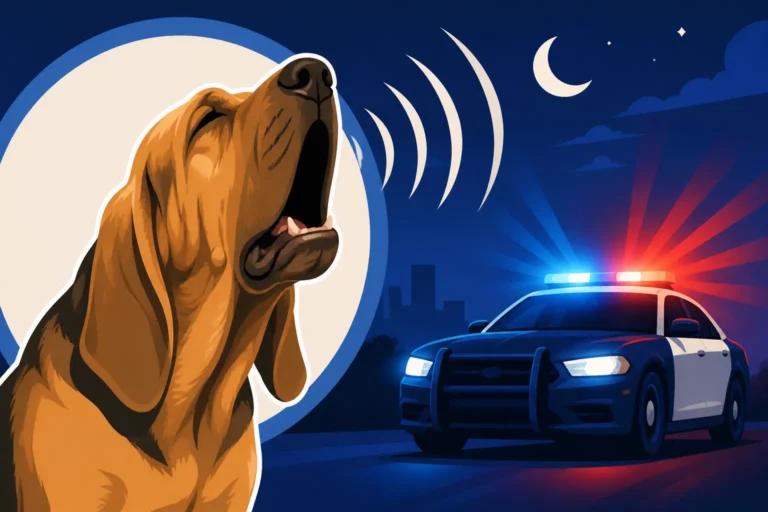
When a Bloodhound Bays at Night
There's nothing quite like the deep, resonant bay of a Bloodhound. It’s a sound that stirs the soul, a testament to their incredible ancestry and purpose. But when that magnificent sound breaks the quiet of the night, echoing through your home or even worse, through the neighborhood, it can quickly turn from a charming characteristic into a genuine source of sleep deprivation and neighborly tension. This guide aims to unravel the mysteries behind why your beloved Bloodhound might be baying after dark and offer practical, empathetic strategies to bring peace back to your nights.
Understanding the Bloodhound's Nocturnal Bay
A Bloodhound's bay isn't just a random bark; it's a profound form of communication deeply ingrained in their DNA. These aren't your typical yappy little dogs; their vocalizations are serious business, designed to carry across vast distances and alert others to a scent found or a person tracked. When this unique sound emerges in the dead of night, it can be perplexing and frustrating for us humans who are trying to get some rest. But to your Bloodhound, they're likely just doing what comes naturally, even if the timing is less than ideal.
The Instinctive Call of the Scent Hound
Bloodhounds were purpose-bred for scent work, for following a trail for hours, and their bay serves a critical function in that role: alerting their handler to their progress or a discovery. It’s a primal urge, a notification system that predates leashes and fenced yards. Even if your Bloodhound has never worked a day in its life, that instinct is still very much alive within them. At night, when the world quiets down, other senses become heightened, and faint sounds or shifts in air currents can bring subtle scents to their incredibly powerful nose, prompting an involuntary vocal response. It’s less about being "naughty" and more about being a Bloodhound.
It's easy to forget that while we're winding down, our Bloodhound's world doesn't simply shut off with the lights. Their nose is always "on," constantly processing information. They might be smelling a rabbit that crossed the yard hours ago, or a change in wind direction carrying scents from further afield that our human noses wouldn't even register. For them, it's a vital piece of information, and the bay is their way of acknowledging it, or perhaps even trying to "work" it in their sleep. Why a Bloodhound is Actually Smelling on a Trail delves deeper into the intricacies of their scenting abilities.
Different Bays for Different Messages
Not all bays are created equal, and learning to differentiate them can give you clues as to what's going on. A Bloodhound's bay can range from a low, mournful moan to a booming, insistent declaration. Is it a slow, deliberate "oof-oof-oooooh" that sounds like they're telling a long story to themselves? Or is it a sharp, repetitive "Arooooo! Arooooo!" that suggests alarm or excitement? The context and quality of the bay can often tell you if they're simply being restless, reacting to a minor external stimulus, or genuinely distressed.
A slow, contemplative bay often suggests they're processing a distant scent or simply expressing themselves in the quiet solitude. This is perhaps the most "Bloodhound-y" bay and, while still disruptive, might not indicate an immediate problem. On the other hand, a sudden, urgent baying could signal they've heard a strange noise, seen a shadow, or are reacting to something specific. Paying attention to these nuances, though difficult in the middle of the night, can help you narrow down the potential causes and determine the best approach. You'll find more insights into their vocalizations in Why a Bloodhound Bays.
Common Triggers for Nighttime Baying
Understanding why your Bloodhound bays is the first step, but identifying the specific triggers for their nighttime serenades is where the real work begins. Often, it's a combination of factors, and what might seem insignificant to us can be a huge deal for a sensitive, scent-driven hound. From environmental disturbances to internal anxieties, pinpointing the root cause is crucial for effective intervention.
Environmental Disturbances
The world doesn't go completely silent at night. Far from it. For a Bloodhound, whose senses are so finely tuned, even the slightest sound or scent can be a trigger. Think about things you might overlook: a neighborhood cat sauntering across the lawn, an owl hooting in the distance, distant sirens, or even the subtle creaks and groans of your house settling. These can all register as significant events to your Bloodhound, prompting them to alert you.
Consider your dog's sleeping arrangements. Is their crate or bed near a window where they can see or hear outdoor activity? Even a glimpse of a passing car's headlights can be enough to startle a dog awake and trigger a bay. Moving their sleeping area to a more secluded part of the house, like a quiet inner room, can make a huge difference. Sometimes, a white noise machine or a fan can help mask those small, nighttime sounds, creating a more peaceful environment for them. Many owners find effective sound machines on platforms like Amazon to help dampen external noises.
Insufficient Exercise or Mental Stimulation
A tired Bloodhound is often a quiet Bloodhound. These dogs are working animals, built for endurance and mental engagement. If they haven't had enough physical activity or, more importantly, enough opportunities to use their incredible nose during the day, that pent-up energy and mental drive can manifest as restlessness and baying at night. A quick stroll around the block simply isn't enough for a breed that can track for miles.
Think about incorporating scent work into their daily routine. Even simple "find it" games indoors or hiding treats around the yard can be incredibly stimulating for them. A longer, more intentional walk where they can sniff and explore (safely on a long line, of course!) can exhaust their brain in a way that physical exercise alone cannot. How Much Exercise a Bloodhound Actually Needs offers detailed guidance on fulfilling their physical and mental requirements. A mentally satisfied Bloodhound is far less likely to feel the need to "work" a phantom trail in the middle of the night.
Separation Anxiety or Loneliness
Bloodhounds are generally affectionate and bond strongly with their families. If your Bloodhound is prone to separation anxiety during the day, this can often escalate at night when they feel truly alone. The silence and darkness can amplify their feelings of isolation, leading to baying as a way to call for attention or express their distress. This isn't always obvious; a dog that seems fine during the day might struggle when their human companions are completely absent (asleep).
Signs of separation anxiety can include destructive behavior, inappropriate urination, or excessive vocalization (like baying) when left alone. If you suspect this is the case, you'll need to work on building their confidence in being by themselves. Gradual desensitization, positive reinforcement for calm behavior, and creating a safe, comfortable "den" for them can help. Brands like BAXTER & Bella offer online resources and courses that can guide you through managing separation-related issues with positive training methods.
Age-Related Changes or Medical Issues
Just like humans, older Bloodhounds can experience changes in their sleep patterns or develop medical conditions that lead to nighttime disturbances. Cognitive dysfunction syndrome, or "doggie dementia," can cause disorientation, anxiety, and increased vocalization, especially at night. Similarly, pain from arthritis (common in large breeds like Bloodhounds, as discussed in Hip and Elbow Dysplasia in the Bloodhound), bladder issues, or other discomforts can make it difficult for them to settle, leading to restlessness and baying.
If your Bloodhound's nighttime baying is a new behavior, or if it's accompanied by other symptoms like increased thirst, accidents in the house, changes in appetite, or difficulty moving, a vet visit is absolutely essential. A thorough check-up can rule out underlying medical causes and help you address any pain or discomfort they might be experiencing. An older Bloodhound might also simply need more frequent potty breaks or a softer, more supportive bed to sleep comfortably. Aging in a Bloodhound Starts at Six provides more insights into the changes you might observe in your senior hound.
Strategies to Reduce Nighttime Baying
Once you have a clearer idea of why your Bloodhound might be baying at night, you can start implementing strategies to help them settle down. It’s important to remember that consistency and patience are key. You’re working against deeply ingrained instincts and possibly addressing anxieties, so immediate results are unlikely.
Creating a Calming Nighttime Routine
A predictable routine signals to your Bloodhound what to expect, reducing anxiety and helping them wind down. Just like with children, a consistent bedtime ritual can work wonders. This might involve a final potty break, a quiet play session, or a relaxing cuddle before lights out. Avoid exciting activities right before bed, as this can get them too riled up.
Make sure their sleeping area is a comfortable sanctuary. A sturdy, appropriately sized crate can provide a den-like feel, offering security. Many Bloodhound owners swear by heavy-duty crates available on Amazon, as these dogs can be quite strong if they decide to escape. Ensure it's not too hot or too cold, and consider adding a favorite blanket or a piece of your worn clothing for comfort. The goal is to make their sleeping space so inviting that they want to be there.
Maximizing Daytime Enrichment and Exercise
As we've touched upon, a mentally and physically exhausted Bloodhound is often a quiet one. Incorporate stimulating activities throughout their day, focusing especially on their natural talents. Scent games are paramount. Hide high-value treats or their favorite toys and encourage them to sniff them out. You can even invest in puzzle feeders that make them work for their meals, engaging their brain.
Long walks where they can truly "nose around" are incredibly beneficial. Remember, it's not just about covering distance; it's about letting them indulge their olfactory superpowers. Consider joining a local mantrailing group or taking classes through an online platform like BAXTER & Bella. This structured scent work provides unparalleled mental stimulation and can leave them wonderfully tired. "A busy nose is a happy Bloodhound," as the saying goes, and a happy Bloodhound is less likely to be baying the moon.
| Baying Trigger | Potential Solution | Management Strategy | Training/Enrichment |
|---|---|---|---|
| Environmental Noise | Move bed/crate away from windows | Use white noise machine or fan | Desensitize to common nighttime sounds (gradually) |
| Insufficient Activity | Increase length/intensity of daily walks | Incorporate scent work into daily routine | Puzzle feeders, interactive toys, training sessions |
| Separation Anxiety | Create safe, comfortable den; gradual desensitization | Leave calming scents (your worn clothes) with them | Crate training, positive reinforcement for calm alone time |
| Medical/Pain | Vet check-up immediately | Adjust sleeping arrangements for comfort | Medication as prescribed, physical therapy as advised |
| Boredom/Lack of Mental Stim | Engage in regular scent games and training | Rotate toys; provide long-lasting chews | Obedience refreshers, learning new tricks, advanced scent work |
Implementing Training and Behavioral Adjustments
While you can't "train out" a Bloodhound's natural inclination to bay, you can manage the circumstances under which it occurs and teach them a "quiet" cue. Positive reinforcement is always the way to go with these sensitive hounds. If they start baying at night, avoid rushing in immediately, as this can inadvertently reinforce the behavior ("Baying gets my human's attention!"). Instead, wait for a momentary lull, even a breath, and then calmly go to them, praise them for being quiet, and reward them with a treat.
You can also work on a "quiet" cue during the day when they are less aroused. When they are baying (e.g., at a doorbell), say "quiet," and when they stop, reward them lavishly. Over time, they'll associate the word with ceasing vocalization. It's also vital to ensure they understand that nighttime is for sleep. Resist the urge to engage in playful interactions if they start baying in the middle of the night. A quick potty break, if necessary, should be all business – no playtime, no lengthy cuddles. Then, back to bed. Consistency here is paramount. Whether a Bloodhound Can Be Taught a Quiet Cue offers more detail on this specific training.
When to Seek Professional Help or Vet Advice
Sometimes, despite your best efforts, the nighttime baying persists or seems to worsen. It’s crucial to know when to escalate your concerns beyond at-home solutions and seek expert intervention. Ignoring persistent baying can lead to chronic stress for both you and your Bloodhound, and potentially strained relationships with neighbors.
Consulting Your Veterinarian
If the nighttime baying is a new behavior, or if it has increased significantly in intensity or frequency, your first call should always be to your veterinarian. As mentioned earlier, pain, cognitive decline, bladder issues, or other underlying medical conditions can manifest as nighttime restlessness and vocalization. Your vet can perform a thorough examination, run diagnostic tests, and rule out any health problems.
It's particularly important to discuss any changes in appetite, water intake, urination habits, or mobility. An older Bloodhound might be suffering from joint pain that makes it hard to get comfortable, or experiencing "sundowning" behaviors associated with cognitive decline. Even subtle changes can be significant. Your vet can prescribe appropriate medication, recommend supplements, or suggest management strategies tailored to any diagnosed medical issue.
Working with a Certified Professional Dog Trainer or Behaviorist
If medical issues have been ruled out, or if the baying is clearly behavioral (e.g., related to separation anxiety, demand barking, or extreme reactivity to external stimuli), a certified professional dog trainer or veterinary behaviorist can be an invaluable resource. They can observe your Bloodhound's behavior, help you pinpoint specific triggers you might have missed, and develop a tailored training plan.
A behaviorist, especially, can help address complex issues like severe separation anxiety that might require a more intensive, multi-faceted approach, potentially including medication in conjunction with behavior modification. They have the expertise to interpret subtle canine body language and understand the nuances of breed-specific behaviors, offering solutions beyond what a general obedience class might cover. They can guide you through techniques like desensitization, counter-conditioning, and management strategies to help your Bloodhound feel more secure and less compelled to bay at night. Remember, a Bloodhound's "stubbornness" is often just their immense focus on scent; a professional can help you channel that energy productively. Why a Bloodhound Ignores a Cue It Knows explores this focus in more detail.
Managing Neighborly Relations
Let's be realistic: a Bloodhound's bay is loud. How Loud a Bloodhound's Bay Is explains just how much sound these majestic hounds can produce. Even the most tolerant neighbors have their limits, especially when sleep is interrupted. If your Bloodhound's nighttime baying is becoming a problem for those living nearby, proactive communication is essential. A simple, honest conversation can go a long way. Let them know you're aware of the issue and actively working to address it.
You might offer solutions like providing your phone number so they can call you instead of authorities, or offering to temporarily move your Bloodhound to an indoor, more soundproof area during peak nighttime hours if you're struggling to resolve the issue quickly. Consider investing in soundproofing solutions for your dog's sleeping area if possible, or even a heavy-duty outdoor kennel (with proper insulation and shelter) if your dog is an outdoor sleeper, although indoor sleeping is generally recommended for Bloodhounds due to their strong desire for companionship and protection from elements. Your willingness to address the problem shows respect and can help preserve good neighborly relations while you work towards a long-term solution.
Disclaimer
This article is for general informational purposes only and does not constitute professional advice. Laws, prices and regulations vary by location and change over time. Consult a qualified professional for guidance on your specific situation.