Whether a Bloodhound Needs a Certified Handler
It's easy to look at a majestic Bloodhound, with their incredible nose and serious demeanor, and assume they must only be handled by highly specialized, "certified" professionals. The image of a Bloodhound in a police uniform or search and rescue gear is powerful, and it can leave everyday owners wondering if they're even capable of meeting the demands of such a dedicated animal. This guide aims to demystify what "certified handler" truly means in the world of Bloodhounds, distinguishing between professional requirements and the capabilities of a dedicated, informed pet owner.
What Does "Certified Handler" Really Mean for a Bloodhound?
When people talk about a "certified handler" for a Bloodhound, they often conjure a very specific image, one tied to high-stakes search missions or legal proceedings. However, the term can carry different weight depending on the context. It's crucial to understand these distinctions before you feel overwhelmed by the idea that you might not be "certified" enough for your beloved hound.
Certification for Professional Search and Rescue (SAR) Work
For those Bloodhounds and their human partners involved in professional search and rescue operations, whether for law enforcement, disaster response, or wilderness tracking, formal certification is not just a nicety—it's absolutely essential. These certifications are rigorous, often involving testing against national or international standards set by organizations that oversee canine SAR teams. The process typically includes extensive training and evaluation of both the dog's trailing abilities and the handler's skills in reading their dog, navigating terrain, and understanding scent theory. It's a demanding path, requiring thousands of hours of dedication to reach the level where a team is deployable and their work can be legally admissible.
The purpose of this type of certification is multifaceted. Firstly, it ensures a baseline of competence and reliability in critical situations where lives may depend on the dog's nose and the handler's interpretation. Secondly, it provides credibility and a recognized standard, especially important when a Bloodhound's work might be presented as evidence in court. Think about the precision needed when a dog is tracking a missing person or a suspect; there's no room for error, and the training reflects that. Handlers learn not just how to follow their dog, but how to maintain a scent article, understand environmental factors affecting a trail, and accurately document their findings. How a Bloodhound Is Certified for Search Work delves deeper into these specific requirements.
"Certification" for Hobby Scent Work or Pet Ownership
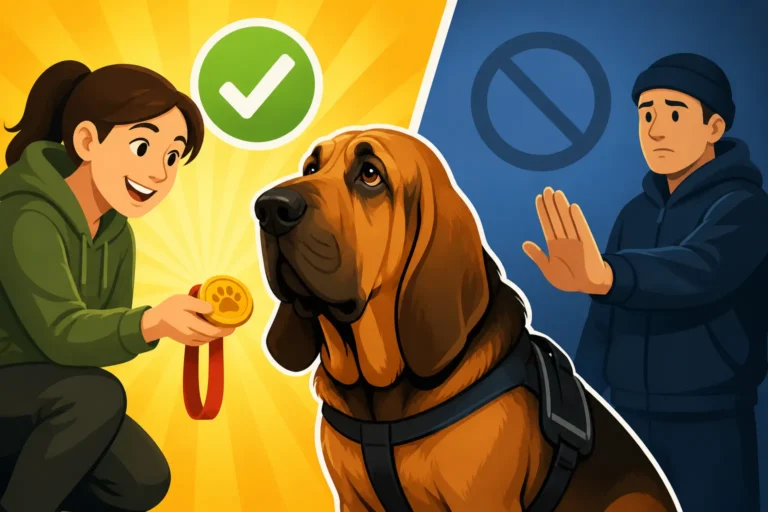
Now, let's talk about the vast majority of Bloodhound owners. If you're a loving pet parent who wants to tap into your dog's incredible natural abilities for fun, mental stimulation, or even local community events, you absolutely do not need to be a "certified handler" in the professional sense. The idea that you must have a formal certificate to engage in scent work with your Bloodhound is simply not true. What you need is dedication, patience, and a willingness to learn how your dog thinks and smells.
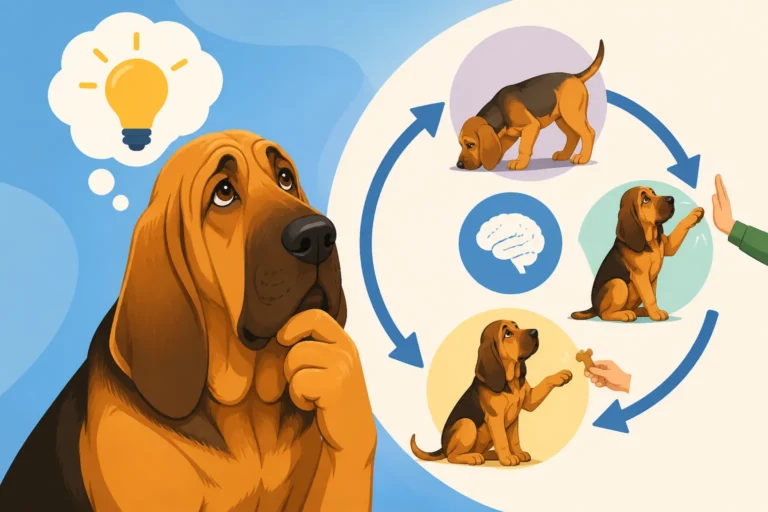
Many pet owners find immense joy and fulfillment in participating in recreational scent work classes, local trailing clubs, or even just setting up simple scent games in their backyard. These activities celebrate the Bloodhound's natural talents without the pressure of professional deployment or legal scrutiny. You might earn titles through various canine organizations for competitive scent sports, which acknowledge your team's skill, but these are different from the official certifications required for operational SAR. These titles are more about demonstrating proficiency in a structured environment and having fun with your dog, rather than being deemed "certified" for critical missions. Platforms like BAXTER & Bella offer online puppy and dog training courses that can provide excellent foundational skills for any owner, helping you understand positive reinforcement and communication, which are key to any scent work journey.
When Formal Handler Certification Becomes Necessary
While most Bloodhound owners won't need professional certification, there are very specific circumstances where it moves from "nice to have" to "absolutely essential." Understanding these scenarios can help clarify why some handlers pursue such rigorous training.
Public Service and Legal Scenarios
This is arguably the most critical area where formal handler certification is non-negotiable. If a Bloodhound is being used by law enforcement, emergency services, or volunteer search and rescue teams, and their findings might contribute to a criminal investigation, a missing person case, or a disaster response, then the handler must be certified. This certification ensures that the dog and handler team meet stringent operational standards and that their work is considered reliable and admissible in a court of law. Imagine a Bloodhound trailing a suspect from a crime scene; the handler's documentation and the dog's accurate work need to stand up to intense scrutiny.
Without formal certification, the integrity and credibility of the Bloodhound's trail could be challenged, potentially rendering vital evidence useless. Organizations involved in police K9 work or accredited SAR often have strict protocols, ongoing training requirements, and regular re-certifications to maintain high standards. These aren't just about showing up and having a dog with a good nose; they involve detailed record-keeping, understanding scent contamination, and operating effectively under pressure in diverse and often challenging environments. For more on this, you might be interested in reading Whether a Bloodhound's Find Holds Up in Court.
Competitive Scent Sports and Advanced Trials
While not "certification" in the sense of official operational readiness, achieving advanced titles in competitive scent sports is a form of recognized accomplishment that often demands a high level of handler skill. These competitions might include American Kennel Club (AKC) tracking and trailing events, National Association of Canine Scent Work (NACSW) trials, or other specialized scent detection sports. Handlers and their Bloodhounds work to follow increasingly complex trails, identify specific scents, or navigate challenging conditions to earn titles that demonstrate their proficiency.
These events push both dog and handler to refine their communication and technique. While you don't need a "certified handler" status to participate, you certainly need to be a highly skilled and knowledgeable handler. Winning these titles requires dedication to training, understanding the rules of the sport, and a deep bond with your Bloodhound. Many owners find these competitions a fantastic way to engage their Bloodhound's natural drive and celebrate their successes in a structured, enjoyable environment, far removed from the pressures of actual search operations. Remember, a Bloodhound's true joy often comes from using their nose, and these sports provide an excellent outlet. What an American Bloodhound Club Trailing Test Entry Costs might give you an idea of the commitment involved in such competitive pursuits.
Training Your Bloodhound Without a Formal Certification
Let's be clear: you do not need to be a certified handler to have a wonderfully trained, engaged, and happy Bloodhound. The average pet owner can absolutely provide a rich, stimulating life for their hound, one that fully embraces their incredible olfactory abilities, without ever needing a piece of paper to prove it. It's about understanding your dog, not necessarily having a formal title.
The Dedicated Pet Owner's Approach to Scent Work
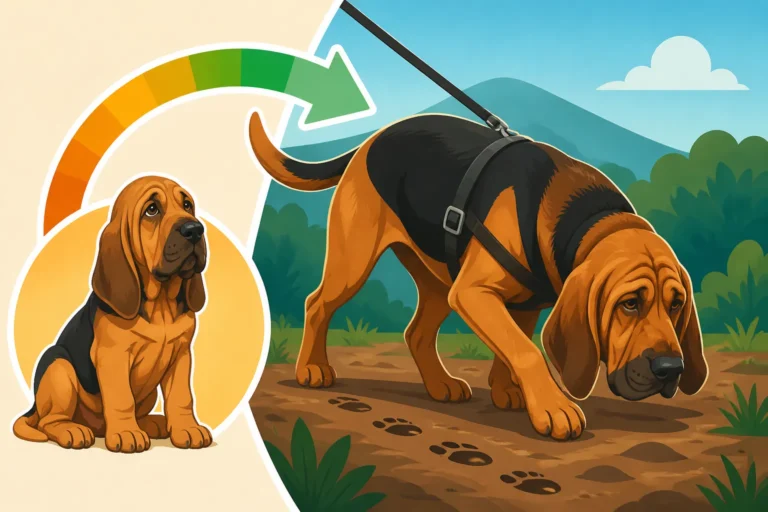
For the everyday Bloodhound owner, the goal isn't necessarily to find lost hikers or track criminals, but rather to give their dog an outlet for their primary drive: scenting. This means engaging in "mantrailing" or "nose work" on a recreational basis. You can start simply by hiding treats in the house or yard and encouraging your Bloodhound to find them. As they progress, you can lay short, simple trails for them to follow, moving to longer, more complex ones as their confidence grows. This is often far more engaging and appropriate for a Bloodhound than traditional obedience drills, which can feel repetitive to their independent, scent-driven minds. Mantrailing Is the Answer to a Bloodhound, Not Obedience offers a fantastic perspective on this.
You'll need some basic gear, of course. A good, comfortable tracking harness is essential, along with a long line (think 15-30 feet or more) to give your Bloodhound enough freedom to work a trail while still keeping them safely connected to you. Items like these are readily available on platforms like Amazon, and investing in quality equipment designed for scent work can make a huge difference in your training experience. Remember, a Bloodhound's nose outvotes almost everything else, so keeping them on a line is paramount for safety. Why Off Leash Is Not a Goal With a Bloodhound and A Bloodhound's Nose Outvotes Its Handler are crucial reads for understanding this fundamental aspect of Bloodhound ownership.
Finding the Right Training Resources
Even without pursuing formal certification, seeking knowledgeable guidance is incredibly valuable. Many experienced Bloodhound owners and trainers offer workshops, private lessons, or group classes focused on recreational scent work. These resources can teach you how to properly lay a trail, read your dog's subtle cues, manage the long line effectively, and build your Bloodhound's confidence. Look for trainers who understand the unique psychology of scent hounds—they often operate very differently from general obedience trainers.
Online platforms can also be a fantastic starting point. For instance, BAXTER & Bella offers comprehensive online courses that cover everything from puppy basics to more advanced training concepts, all from the comfort of your home. While they may not be specifically "Bloodhound trailing," the principles of positive reinforcement, clear communication, and building a solid working relationship apply universally. Finding a community of fellow Bloodhound enthusiasts, whether online or locally, can also provide invaluable support, tips, and opportunities to practice. Whether an Average Owner Can Train a Bloodhound to Trail explores this idea further, assuring you that it's entirely within reach.
The Value of Skilled Handling, Certified or Not
At the end of the day, whether you hold a formal certificate or simply possess a deep understanding and bond with your Bloodhound, what truly matters is skilled handling. A piece of paper doesn't make a good handler; experience, empathy, and effective communication do.
Building a Strong Partnership with Your Bloodhound
Effective handling of a Bloodhound, whether for a critical search or a fun Saturday afternoon trail, is built on trust and a profound understanding of your dog. It's about learning to read their subtle body language—the way their head drops, the slight change in tail wag, the increase in sniffing intensity—all of which tell you they're on a scent. This connection isn't something you can get from a textbook; it develops through countless hours spent together, observing, learning, and responding. A Bloodhound needs a handler who is their partner, not just a director.
This partnership is particularly important because Bloodhounds are incredibly independent when on a scent. They might seem to "ignore" you not out of defiance, but because their nose has taken over. Your role as a handler is to facilitate their work, not to dictate it every step of the way. Trusting their nose, even when it seems to lead in an unexpected direction, is a hallmark of skilled Bloodhound handling. This bond also strengthens their confidence and willingness to work, making the whole experience more rewarding for both of you.
Understanding the Bloodhound's Unique Drive
To truly handle a Bloodhound effectively, you must embrace their singular obsession: scent. Their entire being is engineered for it, from their long, droopy ears that sweep scent particles towards their nose to their deep chest that houses powerful lungs for endurance. Trying to train a Bloodhound as you would a retriever or a herding dog often leads to frustration because their motivations and instincts are fundamentally different. They are not interested in fetching a ball for hours or performing complex agility courses with precision; they want to put their nose down and follow a trail. What a Bloodhound Is Actually Smelling on a Trail illuminates the complexity of their world.
A skilled handler understands that redirecting this drive, rather than trying to suppress it, is the key. Provide ample opportunities for scent work, and you'll have a much happier, more fulfilled Bloodhound. This might mean dedicating specific time each week to trailing, even if it's just practicing short trails in local parks or fields. It means equipping yourself with the right tools, like a proper tracking harness and a long line you might find on Amazon, and accepting that their incredible nose means that outdoors, they are always "working" in their own way. Learning about How a Bloodhound Separates One Person's Scent From a Crowd can provide fascinating insights into their abilities, deepening your appreciation and improving your handling.
Comparison: Professional Certification vs. Dedicated Pet Ownership
To help clarify the distinctions, here's a quick overview of what you might expect from professional certification versus a dedicated pet owner's approach to Bloodhound handling:
| Feature | Professional Handler (Certified SAR/Law Enforcement) | Dedicated Pet Owner (Recreational Scent Work) |
|---|---|---|
| Primary Goal | Public safety, legal evidence, critical missions | Mental enrichment, bonding, hobby, competition |
| Training Intensity | Highly intensive, specialized, ongoing, strict | Flexible, varied, self-paced, community-based |
| Certification | Formal, accredited by specific SAR/LE organizations | Usually informal, or competitive titles/awards |
| Time Commitment | Thousands of hours over years for dog and handler | Varies, from a few hours a week to daily practice |
| Equipment | Specialized, highly durable, often agency-provided | Quality harnesses, long lines (e.g., from Amazon), scent articles |
| Legal Standing | Work often admissible as evidence in court | Primarily for personal enjoyment, no legal standing |
| Funding/Expenses | Often supported by agency/team, or grants | Personal expense, though clubs/trainers charge fees |
| Required Knowledge | Scent theory, K9 first aid, navigation, legal aspects, advanced dog behavior | Basic scent theory, reading dog cues, positive reinforcement |
| Resources | Specialized academies, veteran SAR mentors | Local clubs, online courses (e.g., BAXTER & Bella), private trainers |
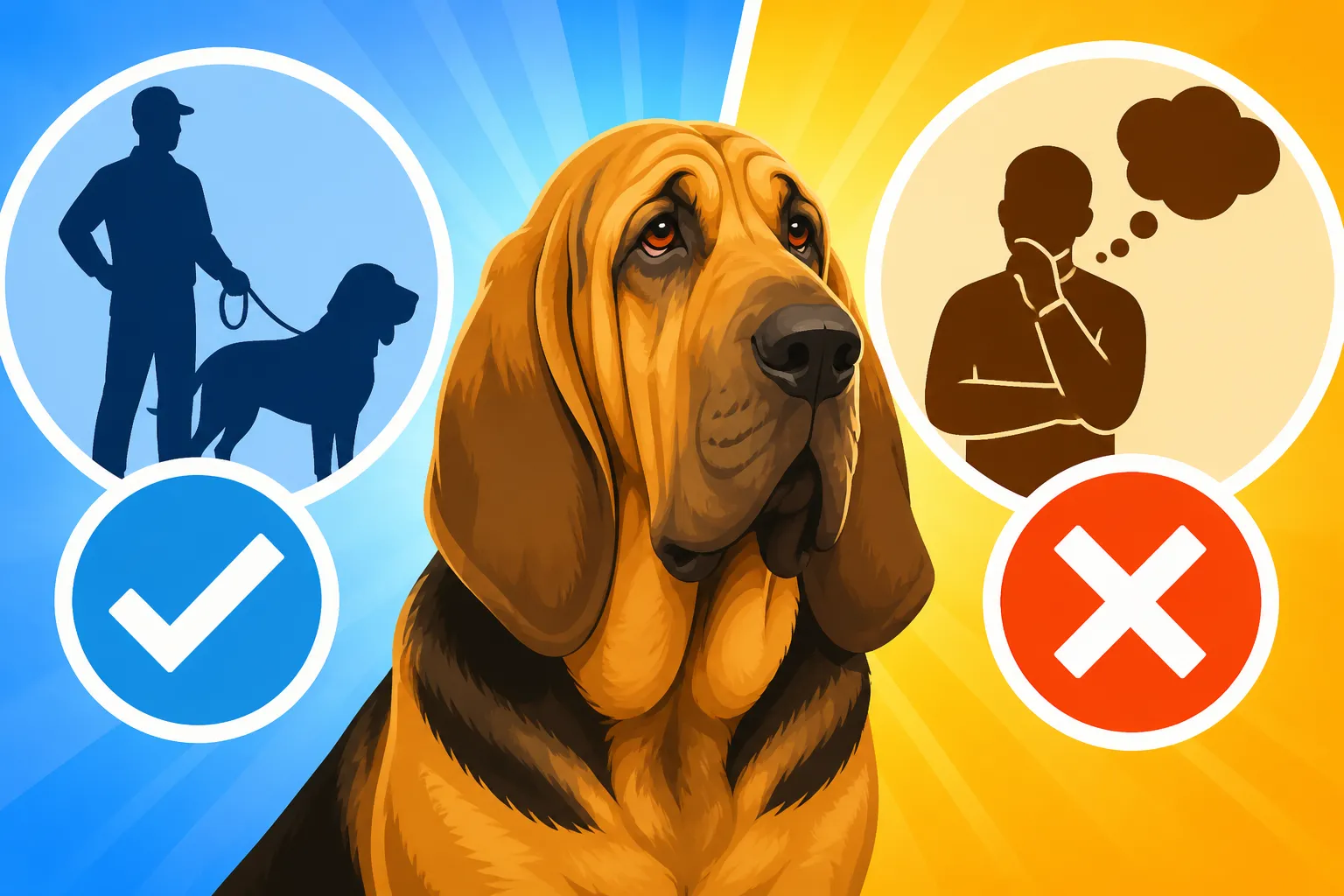
As you can see, the path of a professional certified handler is a very specific and demanding one, distinct from the rewarding journey of a dedicated pet owner who simply wants to engage their Bloodhound's extraordinary talents. Both paths require commitment and a love for the breed, but their objectives and formal requirements differ significantly.
Disclaimer
This article is for general informational purposes only and does not constitute professional advice. Laws, prices and regulations vary by location and change over time. Consult a qualified professional for guidance on your specific situation.