Whether Prescription Ear Drops Are Cheaper in Bulk for a Bloodhound
If you're a Bloodhound owner, you know the struggle: those magnificent, long ears are a magnet for trouble, often leading to recurring infections and an endless parade of prescription ear drops. The cost of these medications can quickly add up, leaving many of us wondering if there's a more economical way to keep our hounds healthy. This guide will dive deep into the world of Bloodhound ear care and medication, specifically exploring whether buying prescription ear drops in larger quantities or "in bulk" can actually save you money in the long run.
The Recurring Reality of Bloodhound Ear Infections
Owning a Bloodhound means accepting a certain level of commitment to ear care. It's not a matter of if your Bloodhound will get an ear infection, but often when and how often. This reality can be disheartening, especially when you're diligently following all the preventative steps, only to find yourself back at the vet's office.
Why Bloodhound Ears Are a Problem Zone
The very features that give Bloodhounds their iconic, noble appearance—those long, heavy ear leathers and deep, narrow ear canals—are also their biggest anatomical disadvantage when it comes to ear health. Imagine living with a heavy curtain constantly draped over your ears, trapping every bit of moisture and warmth inside. That's essentially what your Bloodhound experiences. This creates a dark, moist, and poorly ventilated environment, which is the absolute perfect breeding ground for opportunistic yeast and bacteria to flourish. These microscopic invaders love nothing more than a damp, cozy space, and a Bloodhound's ear canal provides just that.
Beyond the physical structure, Bloodhounds are also prone to allergies, which can inflame the ear canals, making them even more susceptible to infection. It's a frustrating cycle where an underlying allergy can trigger inflammation, which then makes the ear a prime target for secondary infections. As a Bloodhound owner, you learn quickly that their ears are a lifelong maintenance project, demanding consistent attention to keep them healthy. A Bloodhound's Ears Are a Standing Infection Risk is not an exaggeration; it's a daily truth. The depth and tortuosity of their ear canals also mean that debris and wax can easily accumulate, further contributing to blockages and creating an even more hospitable environment for pathogens. You might wonder Why a Bloodhound's Ear Canal Stays Damp, and the answer lies in that magnificent, heavy ear leather—it just doesn't allow for much airflow, keeping moisture locked in.
The Costly Cycle of Treatment
Each time an ear infection rears its ugly head, it typically initiates a costly cycle. First, there's the veterinary visit itself, which includes an examination of the ear, likely some diagnostic tests like cytology (looking at a swab of the ear under a microscope) to identify the type of infection (yeast, bacteria, or both), and possibly even a culture if the infection is stubborn or recurrent. Then comes the prescription for ear drops, which are often specialized medications containing antibiotics, antifungals, or corticosteroids, or a combination of these. These small bottles, typically ranging from 7.5ml to 30ml, carry a significant price tag for their size.
It's a particularly frustrating experience because just when you feel you've finally cleared up one infection, another might pop up weeks or months later. This constant need for veterinary assessment and prescription medication means the costs become a significant ongoing expense for many Bloodhound families. You might be paying for a new bottle of drops every few months, and the cumulative total can be quite staggering. What a Bloodhound's Ear Infection Costs to Treat goes far beyond just the medication itself, encompassing diagnostics, vet time, and sometimes even sedatives for difficult dogs. The frequency of these issues means asking How Often a Bloodhound Gets an Ear Infection is a common, weary question among owners, and the answer is often "more often than we'd like!"
Understanding Prescription Ear Drop Costs and Bulk Buying
When faced with recurring expenses for ear medications, it's natural to look for ways to reduce the financial burden. The idea of buying in "bulk" often comes to mind, assuming a larger quantity will automatically lead to a lower per-unit price. However, the world of veterinary prescription medications, especially for specialized treatments like ear drops, operates a bit differently from your average grocery store bulk bin.
The Economics of Veterinary Prescriptions
Veterinary medications, including prescription ear drops, often come with a higher price tag than many pet owners anticipate. Several factors contribute to this. Firstly, the development, testing, and approval process for veterinary drugs are rigorous, similar to human medications, which drives up initial costs. Secondly, veterinary clinics often carry a limited inventory of specific medications, meaning they purchase in smaller quantities from distributors compared to large human pharmacies. This can limit their ability to secure significant volume discounts, which then reflects in the price you pay. There's also the dispensing fee, the professional service charge for the vet to diagnose, prescribe, and provide instructions for the medication.
Furthermore, many ear drops are complex formulations, sometimes combining multiple active ingredients (e.g., an antibiotic, an antifungal, and an anti-inflammatory steroid) into a single product. These multi-component drugs can be more expensive to manufacture and, consequently, to purchase. It's not uncommon for a small bottle of specialized ear drops to cost as much as a larger bottle of an oral antibiotic. Understanding that these aren't just simple "drops" but potent, targeted therapies helps explain some of the cost.
Does "Bulk" Even Exist for Ear Drops?
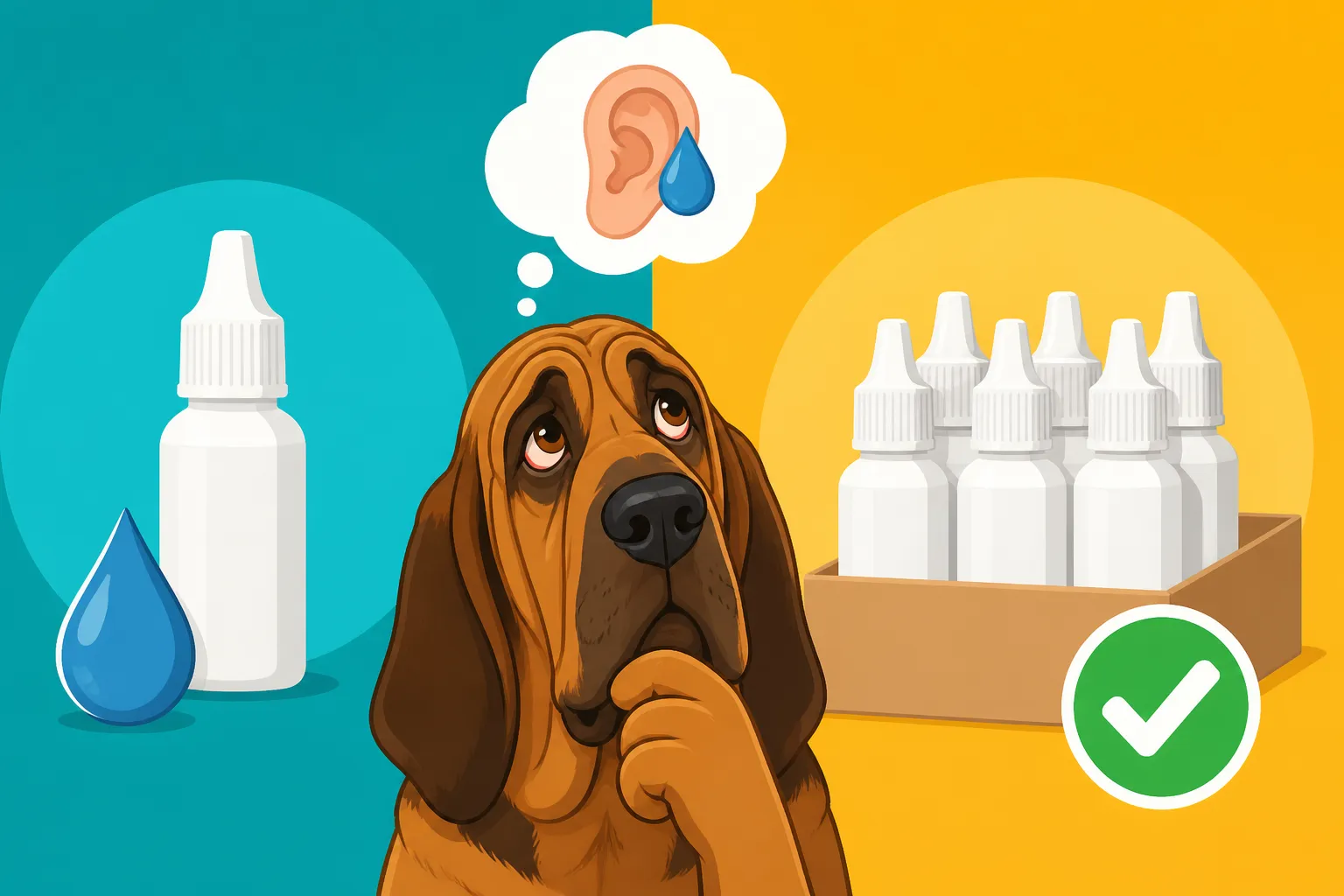
This is the million-dollar question for many Bloodhound owners. In the traditional sense of buying a giant vat of something for a significant discount, true "bulk" purchasing for prescription ear drops is generally not an option. Unlike a bag of kibble or a box of chew toys, ear drops are potent pharmaceuticals dispensed in precise, often small, volumes to ensure efficacy and prevent waste or misuse. You typically won't find a gallon-sized container of medicated ear drops for your dog.
What "bulk" might translate to in this context is either:
- A larger standard bottle size: Some medications may be available in, say, a 15ml bottle or a 30ml bottle. While the 30ml bottle will be more expensive upfront, the cost per milliliter might be slightly lower than two 15ml bottles. However, this isn't always the case, and availability varies by medication.
- Purchasing multiple standard-sized bottles at once: If your vet anticipates a long-term need, or if you're dealing with very frequent recurrences, they might be willing to write a prescription for two or three standard bottles. The discount here, if any, often comes from the vendor (e.g., an online pharmacy) rather than a manufacturer's bulk price.
- Generic alternatives: For some older, common active ingredients, a generic version might exist. These usually come with a lower price point and can be a fantastic way to save money. However, specialized, newer formulations often don't have generics readily available, especially for veterinary-specific products. It's always worth asking your vet about generic options if they exist for the active ingredients prescribed.
So, while you might not be filling up a shopping cart with discounted, oversized ear drop containers, there are strategies to minimize costs per dose. This often involves looking beyond the initial veterinary clinic purchase.
Comparing Purchase Options
When it comes to actually acquiring your Bloodhound's prescription ear drops, you typically have a few avenues, each with its own benefits and potential drawbacks. Understanding these can help you make the most cost-effective choice.
| Purchase Option | Pros | Cons | Potential for "Bulk" Savings (as defined above) |
|---|---|---|---|
| Veterinary Clinic | Convenience, immediate availability, direct instructions from vet. | Often higher per-unit cost due to overhead and smaller purchasing volumes. | Limited to standard bottle sizes; unlikely to offer discounts for buying multiple bottles. |
| Online Pet Pharmacies (e.g., Chewy) | Potentially lower prices per unit, especially with promotions or auto-ship; wider selection of brands/generics. | Requires a valid prescription from your vet; shipping time; potential for delays if vet authorization is slow. | Best chance for slight per-unit savings if buying a larger single bottle or if multi-bottle purchase incurs a discount. Often run sales. |
| Human Pharmacies (e.g., Local Chain) | Accessible if the medication is also approved for human use (e.g., specific antibiotics); may have competitive pricing. | Limited to drugs with human equivalents; not all vet prescriptions can be filled; pharmacist may be less familiar with vet dosages. | Varies greatly by specific drug; may be able to fill larger quantities if vet prescribes. |
For many Bloodhound owners, online pet pharmacies like Chewy can be a significant cost-saving tool for recurring medications. They often have lower overheads than brick-and-mortar vet clinics, allowing them to offer more competitive pricing. You'll still need a valid prescription from your veterinarian, which they can send directly to the online pharmacy. This process can take a few days, so planning ahead is key. If you have pet insurance, such as Healthy Paws, make sure to check if these online pharmacy purchases are eligible for reimbursement under your plan. Some policies might cover prescription medications, but it's essential to understand your deductible and reimbursement rates. While services like Ollie are primarily known for their pet food, thinking about your overall pet budget and where you can save on routine items can free up funds for those inevitable medication costs.
Strategies for Managing Bloodhound Ear Drop Expenses
Since true "bulk" ear drop discounts are elusive, a multi-pronged approach to managing these expenses is your best bet. This involves proactive health care, open communication with your veterinarian, and smart purchasing decisions.
Proactive Care to Reduce Infection Frequency
The most effective "bulk discount" you can achieve for your Bloodhound's ear drops is to prevent infections from happening in the first place, or at least significantly reduce their frequency. This isn't just about saving money; it's about improving your dog's quality of life and preventing discomfort. Diligent, consistent ear care is paramount for Bloodhounds.
This means establishing a regular ear cleaning routine. For many Bloodhounds, this needs to be a weekly affair, sometimes even twice weekly if they're particularly prone to issues or spend a lot of time swimming. Cleaning a Bloodhound's Ears Every Week for Life is a commitment, but it pays dividends. Use a veterinarian-approved ear cleaner that helps break down wax and debris while also drying out the canal. Your vet can recommend What to Clean a Bloodhound's Ears With – steer clear of homemade remedies unless specifically advised by a professional, as they can sometimes do more harm than good. After cleaning, it's crucial to ensure the ears are thoroughly dried. Water left in the ear canal creates that perfect moist environment for bacteria and yeast to thrive. This is especially important after baths or if your Bloodhound enjoys a dip in a pond or pool. Remember that heavy ear leather really seals things in, so a quick towel dry might not be enough; a gentle fan on a low setting can help. Preventing infections through regular, diligent cleaning can drastically reduce how often you need to buy those expensive prescription drops, making it the most impactful cost-saving strategy. Understanding How Often a Bloodhound's Ears Need Cleaning will become second nature as you learn your dog's individual needs.
Discussing Long-Term Management with Your Vet
Your veterinarian is your most important partner in managing your Bloodhound's ear health and associated costs. Don't be afraid to have an open and honest conversation about long-term management strategies and financial concerns.
If your Bloodhound experiences chronic ear infections, ask your vet if a maintenance medication or a larger prescription volume might be appropriate. Sometimes, after an infection is cleared, a vet might recommend a very mild, non-prescription ear flush or a low-dose topical steroid that can be used intermittently to keep inflammation at bay, thus preventing a full-blown infection. For prescription drops, inquire if a larger bottle size is available for the medication your dog needs. While two 15ml bottles might cost a certain amount, a single 30ml bottle of the same medication might offer a slight per-milliliter saving, even if the upfront cost is higher. It's not a guarantee, but it's always worth asking.
Discuss the possibility of generic formulations. For example, if an ear drop contains an antibiotic like gentamicin, your vet might be able to prescribe a generic equivalent that's significantly cheaper. These conversations are vital, as vets want to help you provide the best care without breaking the bank. In very severe, chronic cases where infections are relentless and impacting your Bloodhound's quality of life, your vet might even bring up surgical options like a Total Ear Canal Ablation (TECA). While a major surgery, What a Total Ear Canal Ablation Means for a Bloodhound is a permanent solution for deeply infected and painful ears, and in some rare, extreme scenarios, the lifetime cost of repeated infections, vet visits, and medications could potentially rival or even exceed the cost of this definitive procedure. It's a drastic step, but one worth understanding in the context of persistent, untreatable infections where When a Bloodhound's Ear Infection Becomes Permanent.
Leveraging Pet Insurance and Online Pharmacies
For ongoing ear health management, combining pet insurance with the use of online pharmacies can significantly lighten the financial load. Pet insurance policies, such as those offered by Healthy Paws, are designed to help with unexpected veterinary costs, including recurring conditions like ear infections. It's crucial to understand your policy's specifics: what percentage they reimburse, your deductible, and whether chronic conditions are fully covered or if there are limits. Many policies will cover the costs of diagnosis, prescription medications, and even specialized vet visits for conditions like recurrent ear infections, after your deductible is met. This can make a huge difference in spreading out the financial impact of your Bloodhound's ear care.
For purchasing the actual ear drops, once you have a prescription, online pet pharmacies like Chewy are often your best friend. They typically offer competitive pricing, and you might find that purchasing a prescription through them is notably cheaper than directly from your vet's office. The process is usually straightforward: you place an order, provide your vet's information, and they'll handle the prescription verification. Planning ahead is key here, as there will be a shipping time involved. You might even find promotional codes or auto-ship discounts that can further reduce costs. Don't forget to look at the overall cost of pet care; if you're using a service like Ollie for food, consider how you can budget for other needs like medications. Every dollar saved on routine expenses can be allocated to essential medical care, making it easier to afford What a Year of Ear Cleaner Costs a Bloodhound Owner, let alone the prescription drops. Lastly, remember that you generally cannot acquire prescription ear drops without a veterinary visit and diagnosis, so asking Whether a Bloodhound Owner Can Buy Ear Drops Without a Visit will almost always lead to a 'no' for safety and efficacy reasons.
Disclaimer
This article is for general informational purposes only and does not constitute professional advice. Laws, prices and regulations vary by location and change over time. Consult a qualified professional for guidance on your specific situation.