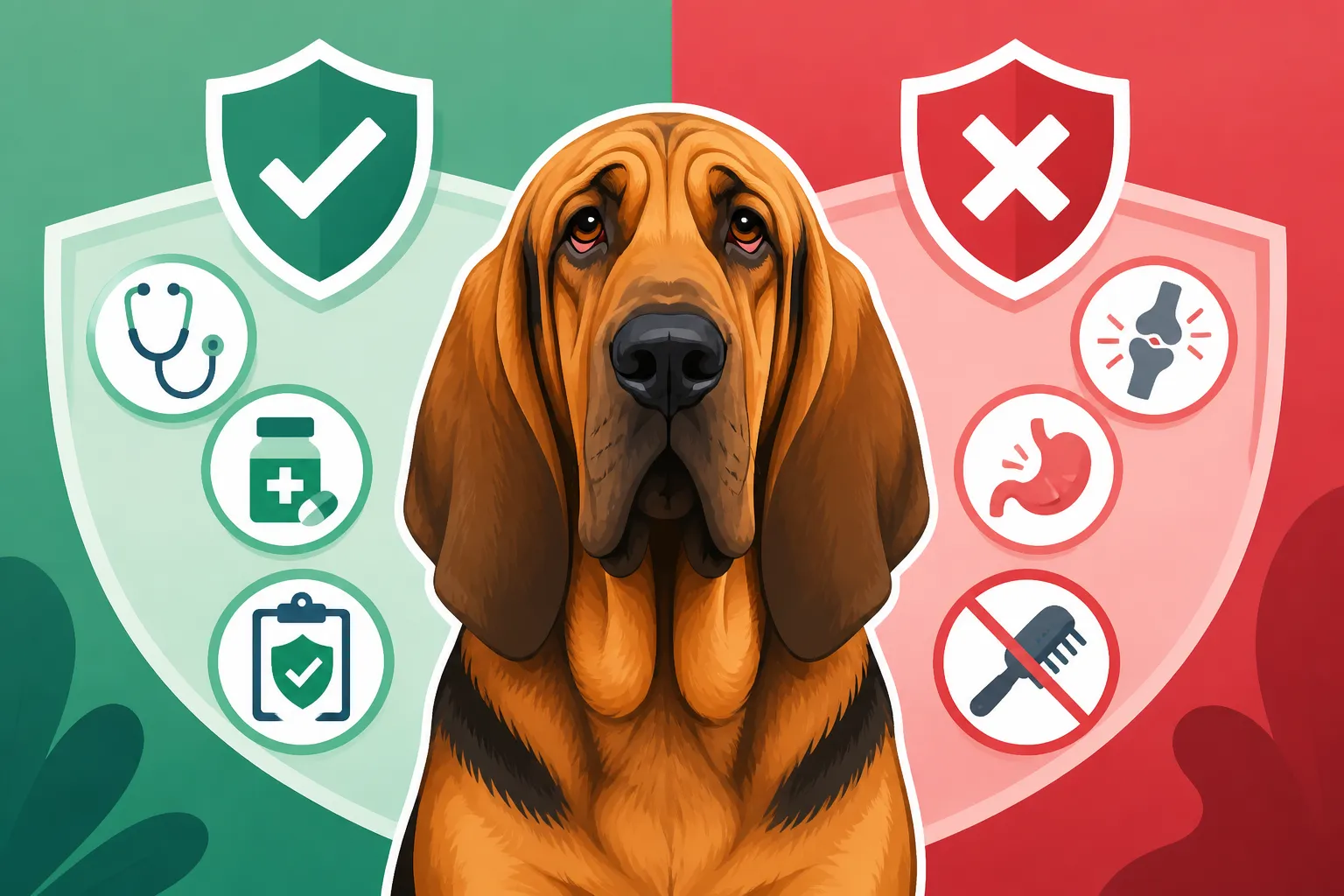
What Insurance Will and Will Not Cover on a Bloodhound
The sudden, unexpected sound of your Bloodhound retching late at night, or the sight of them limping after a clumsy moment, can send a wave of panic through any devoted owner. Beyond the immediate worry for their well-being, a chilling thought often follows: how much is this going to cost? This guide is here to walk you through the often-confusing world of pet insurance, explaining what types of veterinary care are typically covered for your beloved Bloodhound, and just as importantly, what usually isn't, so you can make informed decisions before an emergency strikes.
Understanding the Pet Insurance Landscape for Your Bloodhound
Bringing a Bloodhound into your life is an unparalleled joy, but it also comes with a unique set of considerations, especially when it comes to their health. Their sheer size, their distinctive physical traits, and their breed-specific predispositions mean that their veterinary needs can be a little different, and often more costly, than those of a smaller, less specialized breed.
Why Pet Insurance Is Different for Giant Breeds Like Bloodhounds
Let's be real, a Bloodhound isn't just a big dog; they're massive, with a personality to match. But that size comes with its own set of challenges. Everything from anesthesia dosages to medication quantities is scaled up for a giant breed, meaning that a routine procedure for a small terrier can be significantly more expensive for your 100-pound-plus hound. Beyond just general size, Bloodhounds are prone to certain conditions that often require costly interventions. We're talking about things like bloat, which is a life-threatening emergency, or orthopedic issues that can plague their large joints. These aren't minor ailments; they often involve specialized diagnostics, extensive surgeries, and long recovery periods, all of which translate into substantial vet bills. Without proper planning, these costs can quickly become overwhelming, turning a loving decision into a financial burden.
Common Misconceptions About What Insurance Covers
Many people assume pet insurance works just like human health insurance, covering everything once you pay your premium. Oh, how I wish that were true! The reality is a bit more nuanced. One of the biggest misconceptions is that insurance will cover any condition your Bloodhound develops, regardless of when it appeared. This is almost never the case. Most policies have strict rules around "pre-existing conditions," which we'll dive into deeper, but suffice it to say, if your dog had symptoms of a condition before you enrolled or before your waiting period ended, it's likely not covered. Another common misunderstanding is that all plans are comprehensive. While some are, many entry-level policies are "accident-only," meaning they'll cover a sudden injury but won't touch a chronic illness. It’s vital to understand these distinctions because a Bloodhound's health journey often involves both unexpected accidents and long-term management of breed-specific ailments.
What Standard Pet Insurance Policies Typically Cover
When you're looking at pet insurance for your Bloodhound, most standard accident and illness policies are designed to help with the unpredictable costs of veterinary care. This is where you'll find the real value for those scary, unexpected moments.
Accidents and Emergency Care
This is often the cornerstone of any good pet insurance policy and one of the most compelling reasons to insure a Bloodhound. Our big, goofy hounds, despite their generally placid nature, can be surprisingly accident-prone. A sudden slip on ice leading to a torn cruciate ligament, an unfortunate encounter with a rogue tree branch resulting in a deep laceration, or the terrifying onset of bloat – all these fall under the umbrella of accidents or emergencies. Policies typically cover the diagnostics (X-rays, ultrasounds), treatments (sutures, splints, medication), and surgeries required to address these unforeseen issues. Given that Bloat Is What Kills Most Bloodhounds and emergency surgery can run into significant figures, having coverage for these sudden events is a huge relief. Think of your clumsy Bloodhound puppy trying to navigate slippery floors, or your adult hound, nose to the ground, pulling you into a ditch after a captivating scent – accidents happen, and insurance is there for those moments.
Illnesses and Disease Treatment
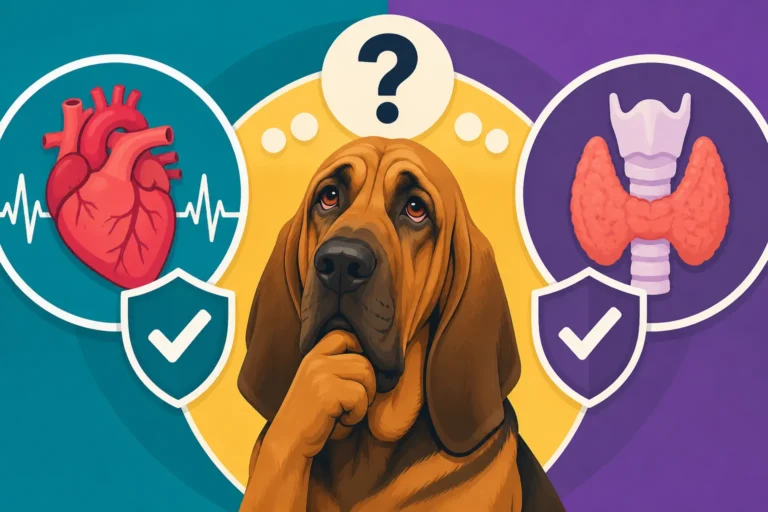
Beyond the immediate trauma of an accident, Bloodhounds, like all breeds, can develop a myriad of illnesses and diseases throughout their lives. This is where comprehensive pet insurance truly shines. Standard accident and illness policies typically cover a wide range of conditions, from common infections (like urinary tract infections or ear infections) to more serious, long-term diseases such as cancer, diabetes, or even Hypothyroidism in a Bloodhound. This coverage usually includes the associated veterinary visits, diagnostic tests (like bloodwork, urinalysis, biopsies), prescription medications, and any necessary treatments or therapies. For a breed like the Bloodhound, whose aging starts around six years old, knowing you have support for managing chronic conditions as they enter their senior years provides immense peace of mind. It allows you to make medical decisions based on what's best for your dog, rather than solely on what you can afford.
Diagnostics, Medications, and Procedures
The cost of modern veterinary care can be staggering, and a large portion of that often comes from the diagnostics, medications, and procedures required to get to the bottom of an issue and treat it effectively. A good pet insurance policy will typically cover these essential components. This means if your Bloodhound needs a full panel of blood tests to investigate lethargy, an MRI to check for a spinal issue, or a complex surgery to remove a tumor, these costs are often reimbursed. It extends to the medications prescribed for an infection, pain management post-surgery, or long-term medication for a chronic condition. For Bloodhounds, whose deep chest predisposes them to conditions like bloat, these diagnostic and surgical costs can be particularly high. Even simple things like a course of antibiotics for a persistent skin infection in their folds can add up, and insurance helps cushion that financial blow.
Specific Bloodhound Health Concerns and Their Insurance Implications
Bloodhounds are magnificent, but they come with their own unique set of health predispositions. Understanding how insurance typically handles these breed-specific challenges is crucial for every owner.
Bloat (GDV) and Gastropexy Coverage
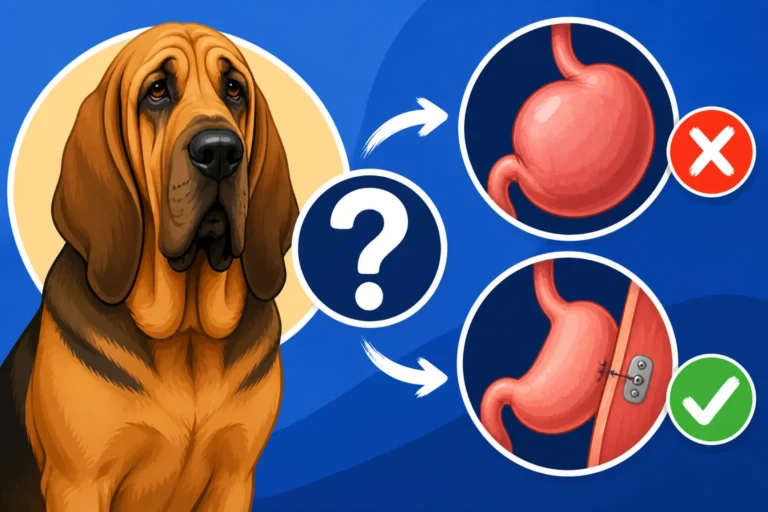
Bloat, or Gastric Dilatation-Volvulus (GDV), is arguably the most terrifying and life-threatening condition for a Bloodhound. It's an emergency where the stomach fills with gas and can twist, cutting off blood supply. The good news is that emergency bloat surgery is almost always covered by comprehensive pet insurance policies as it's considered an accident/illness. This is a huge relief because What Emergency Bloat Surgery Costs on a Bloodhound can easily reach thousands of dollars, a sum that many owners simply don't have liquid.
Now, let's talk about prevention: the gastropexy. This is a surgical procedure that permanently tacks the stomach to the abdominal wall to prevent it from twisting if bloat occurs. It's a preventive measure, and whether it's covered by insurance can vary wildly. Many policies consider it an elective procedure and won't cover it unless it's done in conjunction with an emergency bloat surgery. However, some providers might offer a specific wellness add-on that includes preventive surgeries, or a few might cover a prophylactic gastropexy if performed at the same time as a spay or neuter. You absolutely need to check with your specific insurer about The Gastropexy Decision Every Bloodhound Owner Faces and their stance on this, as it's a decision that can save your Bloodhound's life and your wallet.
Orthopedic Issues: Hip and Elbow Dysplasia
Given their substantial size and bone structure, Bloodhounds are unfortunately prone to orthopedic conditions like hip and elbow dysplasia. These are developmental issues where the joints don't form correctly, leading to arthritis, pain, and sometimes the need for expensive surgeries. Most comprehensive insurance policies will cover the diagnosis and treatment of hip and elbow dysplasia, provided it's not a pre-existing condition.
This "pre-existing" clause is vital to understand. If your Bloodhound shows any signs of lameness, stiffness, or discomfort in their joints before you enroll in a policy or before the policy's orthopedic waiting period (which can be longer than general waiting periods), it will likely be excluded. This is why enrolling your Bloodhound as a young puppy is so critical. Early diagnosis, even if it's just mild stiffness or an abnormal gait, before insurance is in place, could lead to a lifetime of uncovered treatments. Understanding Hip and Elbow Dysplasia in the Bloodhound and getting coverage early is your best bet for managing these potential issues.
Eye Conditions and Surgical Repairs
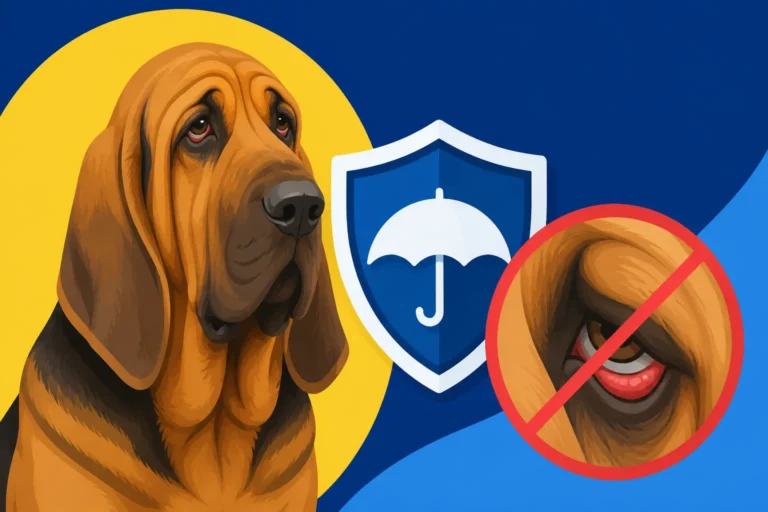
The Bloodhound's signature long, droopy eyelids and deep-set eyes are iconic, but they also make them susceptible to several eye conditions. The most common are ectropion (lids roll outward) and entropion (lids roll inward). These can cause irritation, infections, and even damage to the cornea, often requiring surgical correction. Other issues like cherry eye or dry eye can also occur.
Good news: Most comprehensive pet insurance plans will cover the diagnosis and treatment of these eye conditions, including the necessary surgeries, as long as they are not deemed pre-existing. However, here's a wrinkle: some insurers might classify certain eye issues, especially those stemming from the breed's conformation like ectropion or entropion, as congenital or hereditary conditions. While many modern policies do cover these if no symptoms were present before enrollment, some older or less comprehensive plans might have exclusions. It's critical to clarify this directly with any potential insurer. Eyelid Surgery Is the Bill Bloodhound Owners Do Not Expect can be a surprising cost for many owners, especially when considering The Four Eye Problems a Bloodhound Is Born Toward, so confirm coverage thoroughly.
Chronic Ear Infections and Skin Fold Dermatitis
Anyone who owns a Bloodhound knows the struggle of keeping those magnificent, long ears clean and healthy. Their pendulous ears trap moisture and reduce airflow, creating a perfect breeding ground for yeast and bacteria, making A Bloodhound's Ears Are a Standing Infection Risk. Similarly, their characteristic loose skin creates deep folds, particularly around the face, neck, and lips, which can also trap moisture and debris, leading to Skin Fold Dermatitis on a Bloodhound.
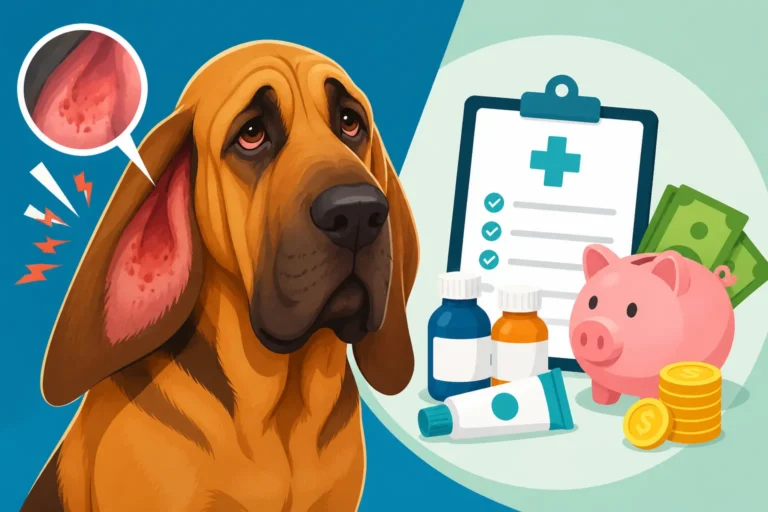
Comprehensive pet insurance policies generally cover the diagnosis and treatment of ear infections and skin fold dermatitis. This includes vet visits, ear cleanings by a professional, diagnostic tests like ear cytology, prescribed ear drops, oral antibiotics, antifungals, and even sedated ear flushes if necessary. For chronic, recurring infections, surgical options like total ear canal ablations might even be covered, again, provided the condition wasn't pre-existing. Since these conditions can be lifelong management issues for Bloodhounds, repeated vet visits and medications can add up quickly, making insurance a valuable tool for maintaining their comfort and health.
What Pet Insurance Typically Does NOT Cover (The Exclusions)
Understanding what your pet insurance won't cover is just as important as knowing what it will. These exclusions can be frustrating, but they're standard across the industry, and being aware of them helps manage expectations.
Pre-Existing Conditions: The Big One
This is, without a doubt, the most significant exclusion in almost every pet insurance policy. A "pre-existing condition" is any illness or injury that your Bloodhound showed symptoms of, or was diagnosed with, before your policy started or during your waiting period. This applies even if you weren't aware of the condition or hadn't officially had it diagnosed by a vet. For example, if your Bloodhound had a limp in their left hip for a month before you bought insurance, and then a week after your policy's waiting period ended, they were diagnosed with hip dysplasia in that hip, the hip dysplasia would likely be considered pre-existing and therefore excluded. This can be devastating for owners who enroll their older Bloodhounds or those who delay getting insurance for puppies. It underscores why early enrollment is universally recommended for all breeds, but especially for those like Bloodhounds with known genetic predispositions.
Routine and Preventative Care (Unless Added On)
Think of routine care as the proactive steps you take to keep your Bloodhound healthy. This includes things like annual wellness exams, vaccinations (distemper, rabies, leptospirosis, etc.), parasite prevention (flea, tick, and heartworm medications), routine spay/neuter surgeries, and often, dental cleanings (unless specific dental disease treatment is covered). Most standard accident and illness policies do not cover these routine costs. They are designed for the unexpected.
However, many pet insurance providers offer separate "wellness plans" or "preventative care add-ons" that can be purchased in addition to your accident and illness policy. These add-ons are designed to help budget for these predictable routine expenses. While they don't always save you a ton of money outright, they can help spread the cost and encourage you to stay on top of your Bloodhound's preventative health, which is a good thing for their long-term well-being.
Elective Procedures and Cosmetic Surgeries
This category generally includes any procedure that isn't considered medically necessary to treat an illness or injury. For Bloodhounds, examples might include tail docking (if not done by the breeder), dewclaw removal (unless medically indicated due to injury or chronic irritation), or other purely cosmetic alterations. Some policies might also initially classify things like prophylactic gastropexy (preventative stomach tacking) as elective, depending on their specific terms and conditions, unless it's bundled with a covered procedure like a spay/neuter and specifically listed as covered. Breed-specific characteristics that are not causing a medical problem, such as certain degrees of skin folds or eyelid droopiness that aren't leading to infection or corneal damage, would typically not be covered for cosmetic alteration.
Waiting Periods, Deductibles, and Reimbursement Levels
These aren't exclusions in the sense of not covering a condition, but rather important financial mechanics that determine when your coverage kicks in and how much you'll actually pay out of pocket.
- Waiting Periods: This is the time between when you purchase your policy and when coverage for certain conditions actually begins. Most policies have a short waiting period (a few days) for accidents and a longer one (often 14-30 days) for illnesses. Orthopedic conditions like hip or elbow dysplasia often have even longer waiting periods, sometimes up to six months. If your Bloodhound develops a condition during this period, it will be considered pre-existing.
- Deductibles: This is the amount you must pay out of pocket for covered veterinary care before your insurance plan starts reimbursing you. Deductibles are usually annual, meaning you pay it once per policy year, regardless of how many claims you make. You can often choose a higher deductible to lower your monthly premium, or a lower deductible for less out-of-pocket expense when a claim arises.
- Reimbursement Levels: After your deductible is met, this is the percentage of the remaining vet bill that your insurance company will pay. Common reimbursement levels are 70%, 80%, or 90%. If your vet bill is $1,000, your deductible is $250, and your reimbursement level is 80%, you'd pay the $250 deductible, and then 20% of the remaining $750 ($150), with the insurance company covering the other $600.
Understanding these elements is crucial for budgeting and knowing what to expect financially when your Bloodhound needs care.
Navigating Policies and Choosing the Right Plan for Your Bloodhound
Choosing the right pet insurance for your Bloodhound can feel like sifting through a stack of complicated legal documents. But with a bit of guidance, you can make an informed decision that truly benefits your companion.
Understanding Different Policy Types: Accident-Only vs. Comprehensive
When you first start looking, you'll generally encounter two main types of pet insurance policies: accident-only and comprehensive (accident and illness).
- Accident-Only Policies: These are usually the most affordable option, and they cover treatments for injuries resulting from accidents. Think broken bones, lacerations, getting hit by a car, or ingesting something toxic. For a Bloodhound, this could include a torn ligament from an enthusiastic chase or the emergency care needed for a sudden bloat episode. While these plans offer a safety net for sudden, unforeseen events, they do not cover illnesses, chronic conditions, or breed-specific diseases. If your Bloodhound develops allergies, cancer, or hypothyroidism, an accident-only policy won't help. Given the Bloodhound's predispositions to conditions beyond just accidents, this type of policy might leave you exposed to significant costs down the road.
- Comprehensive (Accident and Illness) Policies: This is generally the recommended choice for a Bloodhound. These plans cover everything an accident-only policy does, plus a wide range of illnesses, diseases, infections, and chronic conditions. This means coverage for things like ear infections, skin fold dermatitis, hip and elbow dysplasia (if not pre-existing), cancer treatments, and more. While these policies have a higher monthly premium, they offer much broader protection against the myriad of health issues that can affect a Bloodhound throughout their life. For a breed with known genetic predispositions and a relatively shorter lifespan that can be impacted by chronic conditions, comprehensive coverage provides invaluable peace of mind.
How Deductibles, Reimbursement, and Annual Limits Work
These are the financial levers you pull when customizing your policy, and understanding them helps you control your monthly premium versus your out-of-pocket costs.
- Deductibles: As mentioned, this is the amount you pay first. You often have a choice of annual deductibles, ranging from a couple of hundred dollars to over a thousand. A higher deductible means a lower monthly premium, but you'll pay more out of pocket for that first claim (or claims) each year. For a Bloodhound, prone to both expensive emergencies and chronic conditions, carefully consider whether you'd prefer lower monthly payments or less to pay when an incident occurs.
- Reimbursement Levels: This percentage (typically 70%, 80%, or 90%) determines how much the insurance company pays after your deductible is met. A 90% reimbursement level means you pay 10% of the covered costs (after the deductible), while an 80% level means you pay 20%. Higher reimbursement levels mean higher monthly premiums. If you opt for 90%, you're betting on fewer, more expensive incidents, or just valuing greater coverage when it counts.
- Annual Limits: This is the maximum amount your insurance company will reimburse you in a single policy year. Some policies offer unlimited annual benefits, which is fantastic for conditions requiring extensive, long-term care like cancer. Others might have limits ranging from a few thousand dollars to tens of thousands. Given the potential costs for a Bloodhound's surgeries or ongoing chronic disease management, an unlimited or very high annual limit is often preferable. You don't want to hit a cap halfway through treatment for a major illness.
By adjusting these three factors, you can find a balance that fits your budget and your comfort level with financial risk, creating a tailored plan for your Bloodhound.
The Importance of Enrolling Early
I cannot stress this enough: enroll your Bloodhound in pet insurance as early as possible. The biggest enemy of pet insurance coverage is the "pre-existing condition." If you wait until your Bloodhound is a year or two old and has already developed a slight limp, or had a bout of ear infections, or shows signs of an eye issue, those conditions will likely be excluded from coverage for life.
Imagine you've got a adorable Bloodhound puppy; they are a blank slate health-wise. Getting them insured before any signs of issues appear means that when (not if, but when) those breed-specific conditions like hip dysplasia, bloat, or chronic ear problems arise later in life, they will be covered. This proactive approach ensures that your policy is there for the long haul, ready to assist with future health challenges. Plus, premiums are often lower for younger animals, so getting in early can even mean saving money over the lifetime of the policy. This is why you often hear the advice that Insuring a Bloodhound Puppy Early Is Cheaper – it's not just about cost, but about comprehensive future coverage.
Popular Pet Insurance Providers and What to Look For
Choosing a pet insurance provider can feel like another big task. There are many options out there, and what works for one person's Bloodhound might not be ideal for another.
Comparing Coverage and Reputation
When you're comparing pet insurance providers, it's not just about the monthly premium; it's about the entire package. Look closely at their coverage specifics: Do they cover hereditary and congenital conditions (which are often relevant for Bloodhounds)? What are their specific waiting periods, especially for orthopedic issues? Do they have a clear stance on conditions like prophylactic gastropexy?
Beyond the policy details, consider the provider's reputation. How are their customer service reviews? Are claims processed quickly and easily? Do they have a good track record for paying out, especially for large claims? Read reviews, look at their financial ratings, and if possible, talk to other Bloodhound owners about their experiences. Some popular providers like Healthy Paws are known for their comprehensive accident and illness plans and a straightforward reimbursement model, which can be very appealing when you're dealing with potentially high vet bills for a large breed. They might not offer extensive wellness add-ons, but their core coverage is strong, which is often what Bloodhound owners need most.
Considering Wellness Add-Ons and Other Riders
While the core accident and illness policy is crucial, some owners find value in adding on preventative care or other specific riders.
- Wellness Add-Ons: These are separate packages designed to help budget for routine care. They typically cover a portion of annual exams, vaccinations, heartworm tests, and sometimes even dental cleanings. For a Bloodhound, who needs regular ear cleanings and preventative care, a wellness plan could help spread those predictable costs. Just remember, these are generally budgeting tools, not insurance for unexpected events.
- Other Riders: Some providers offer riders for specific needs. This might include behavioral therapy, alternative therapies (like acupuncture or chiropractic care), or even travel coverage. If your Bloodhound has anxiety issues that require behavioral modification or if you regularly use complementary treatments, exploring these riders might be worthwhile. Always weigh the additional cost of the rider against the potential benefit and how frequently you'd actually use it.
What to Ask Before You Commit
Before you sign on the dotted line, arm yourself with a list of questions tailored to your Bloodhound's needs. Don't be afraid to call the company directly and get clear answers.
Here’s a handy table of key questions:
| Question Category | Specific Questions to Ask |
|---|---|
| General Coverage | What is your specific policy on pre-existing conditions? How long are your waiting periods for accidents, illnesses, and orthopedic issues? Do you cover hereditary and congenital conditions (e.g., hip/elbow dysplasia, ectropion/entropion) if symptoms appear after enrollment? |
| Bloodhound Specific | Do you cover emergency GDV (bloat) surgery? What is your policy on prophylactic gastropexy (preventative stomach tacking)? Does it need to be done with a spay/neuter, or is it covered on its own? Do you cover chronic ear infections and skin fold dermatitis, including ongoing medication? |
| Financial Details | What are my deductible options (per incident or annual)? What reimbursement percentages do you offer? Is there an annual, per-incident, or lifetime limit on payouts? How do you calculate payouts (based on actual vet bill or 'usual and customary' fees)? |
| Claims Process | How are claims submitted (online, app, mail)? How long does it typically take to process a claim and receive reimbursement? Is there direct vet pay available, or is it always a reimbursement model? |
| Other Considerations | Do you offer a multi-pet discount? What is your cancellation policy? Do premiums typically increase significantly as the dog ages? Is there a bilateral exclusion (e.g., if one hip has dysplasia, the other is automatically excluded)? |
Getting these answers in writing, or at least confirmed by a representative, can save you a lot of grief down the line.
Beyond Insurance: Other Financial Preparations for Your Bloodhound
While pet insurance is a fantastic tool, it's not the only piece of the financial puzzle when owning a Bloodhound. A truly prepared owner often has multiple strategies in place.
Emergency Funds and Savings Accounts
Even with the best pet insurance policy, you're going to have out-of-pocket expenses. There's the deductible to meet, your co-pay percentage, and any services or conditions not covered by your policy (like those pre-existing conditions we talked about, or routine care if you don't have a wellness plan). This is where having a dedicated emergency fund or a specific savings account for your Bloodhound becomes incredibly valuable.
Think of it as your immediate buffer. If your Bloodhound needs emergency surgery, you'll likely need to pay the vet clinic upfront and then wait for reimbursement from your insurer. An emergency fund means you won't be scrambling to find the cash in that critical moment. It's a pragmatic approach to truly safeguarding your hound's health. Many seasoned owners advise setting aside at least a few thousand dollars specifically for unexpected vet bills. This way, when those large bills hit, you can focus on your dog's recovery, not your bank account. It's truly a critical piece of the puzzle, and often, Whether a Bloodhound Owner Needs an Emergency Fund isn't even a question – it's a necessity.
Breeder Guarantees and Health Contracts
If you purchased your Bloodhound from a reputable breeder, you likely received a health guarantee or a detailed contract. These contracts often outline the breeder's responsibility regarding certain genetic conditions for a specified period (e.g., guaranteeing against severe hip or elbow dysplasia for the first two years). This can provide an initial layer of financial protection, especially during the puppy and adolescent stages when some genetic conditions may first manifest.
However, it's important to understand the limitations. Breeder guarantees typically cover a very specific list of conditions and only for a limited time. They usually require you to return the dog or provide extensive veterinary documentation. They are not a substitute for comprehensive pet insurance, but rather a complementary safeguard. Always read your breeder's contract carefully to understand What a Bloodhound Breeder's Contract Covers and how it interacts with any insurance policy you choose. Some contracts might even require you to obtain pet insurance.
Considering Third-Party Veterinary Payment Options
In moments of extreme financial distress, even with insurance and a savings fund, you might find yourself needing additional help. Third-party veterinary payment options can be a lifesaver in these situations. Services like CareCredit offer special financing for health care expenses, including veterinary costs. They function much like a credit card but are specifically designed for medical bills, often with promotional periods of deferred interest.
These options can provide a crucial bridge if you're facing a massive vet bill that exceeds your insurance limits, your deductible is high, or you have a pre-existing condition that isn't covered. Of course, like any credit, it needs to be managed responsibly, but it's an important resource to be aware of for those truly dire emergencies where your Bloodhound's life might be on the line. It's all part of building a robust financial plan to ensure your beloved companion receives the best possible care throughout their life. Many people also utilize resources from online retailers like Chewy or specialized pet food providers such as Ollie, who sometimes partner with financial services or offer their own wellness programs. These platforms understand the holistic needs of pet ownership and can be a good starting point for exploring various pet care resources, not just food or supplies.
Disclaimer
This article is for general informational purposes only and does not constitute professional advice. Laws, prices and regulations vary by location and change over time. Consult a qualified professional for guidance on your specific situation.