How a Bloodhound’s Abdomen Looks When It Bloats
That sudden, terrifying moment when your beloved Bloodhound's belly seems to inflate before your very eyes is every owner's worst nightmare. Bloat, or Gastric Dilatation-Volvulus (GDV), is a silent, swift killer, and recognizing its early signs, especially how your Bloodhound's abdomen looks, is literally a matter of life and death. This guide will walk you through precisely what to look for, offering clear visual cues and critical accompanying symptoms so you're prepared to act.
Understanding Bloat in Bloodhounds: A Frightening Reality
For Bloodhound owners, the word "bloat" carries a chilling weight. It's not just an upset stomach; it's a rapidly progressing, life-threatening condition that can turn a happy, healthy dog into a critical patient in a matter of minutes or hours. The sheer speed and devastating impact of bloat make it one of the most feared emergencies in our breed. Our deep-chested hounds are unfortunately predisposed to this terrifying condition, making vigilance an absolute necessity.
The Immediate Danger of Gastric Dilatation-Volvulus GDV
Gastric Dilatation-Volvulus, or GDV, is the medical term for bloat that involves stomach twisting. First, the stomach fills with gas, food, or fluid (dilation), causing it to expand dramatically. This expansion alone can be excruciatingly painful and put immense pressure on other organs. But the true danger comes when the distended stomach then twists on its axis (volvulus), sealing off both the entrance and exit. This trapping of gas and contents inside the stomach leads to rapid tissue death, cuts off blood supply to vital organs, and can send your dog into shock. It's a terrifying cascade of events that unfolds with alarming speed.
The statistics are grim, and they hit close to home for anyone who loves these dogs. Many owners live in constant fear because Bloat Is What Kills Most Bloodhounds, often without warning. It's a cruel reality of owning a deep-chested breed. Understanding the mechanics of GDV helps underscore why identifying those visual cues on your Bloodhound's abdomen is so critically important. Every second truly counts when this condition strikes.
Why Visual Recognition is Crucial for Bloodhound Owners
Given the lightning-fast progression of bloat, being able to recognize the physical signs, particularly the changes in your Bloodhound's abdomen, isn't just helpful – it's absolutely vital. By the time other, more generalized symptoms like lethargy or collapse appear, the condition may have already reached a critical stage, severely reducing the chances of survival, even with emergency surgery. You are your Bloodhound's first line of defense.
Knowing what to look for, even in the middle of the night (because Whether a Bloodhound Can Bloat Overnight is a resounding yes), allows you to make an immediate, informed decision. This quick assessment allows you to bypass hours of anxious waiting and get your dog to veterinary care faster. Early recognition can shave precious minutes off the time it takes to get to the clinic, which can literally mean the difference between life and death. As responsible Bloodhound owners, this visual awareness is a non-negotiable part of our daily vigilance.
Distinguishing a Bloated Abdomen: What to Look For
When your Bloodhound's stomach is bloating, the changes to its abdomen are usually quite distinct. However, depending on the stage of bloat and the individual dog, these signs can sometimes be subtle initially, growing more pronounced as the condition worsens. It's critical to know what normal looks like, so you can spot these deviations immediately.
The Classic "Swollen" or "Distended" Appearance
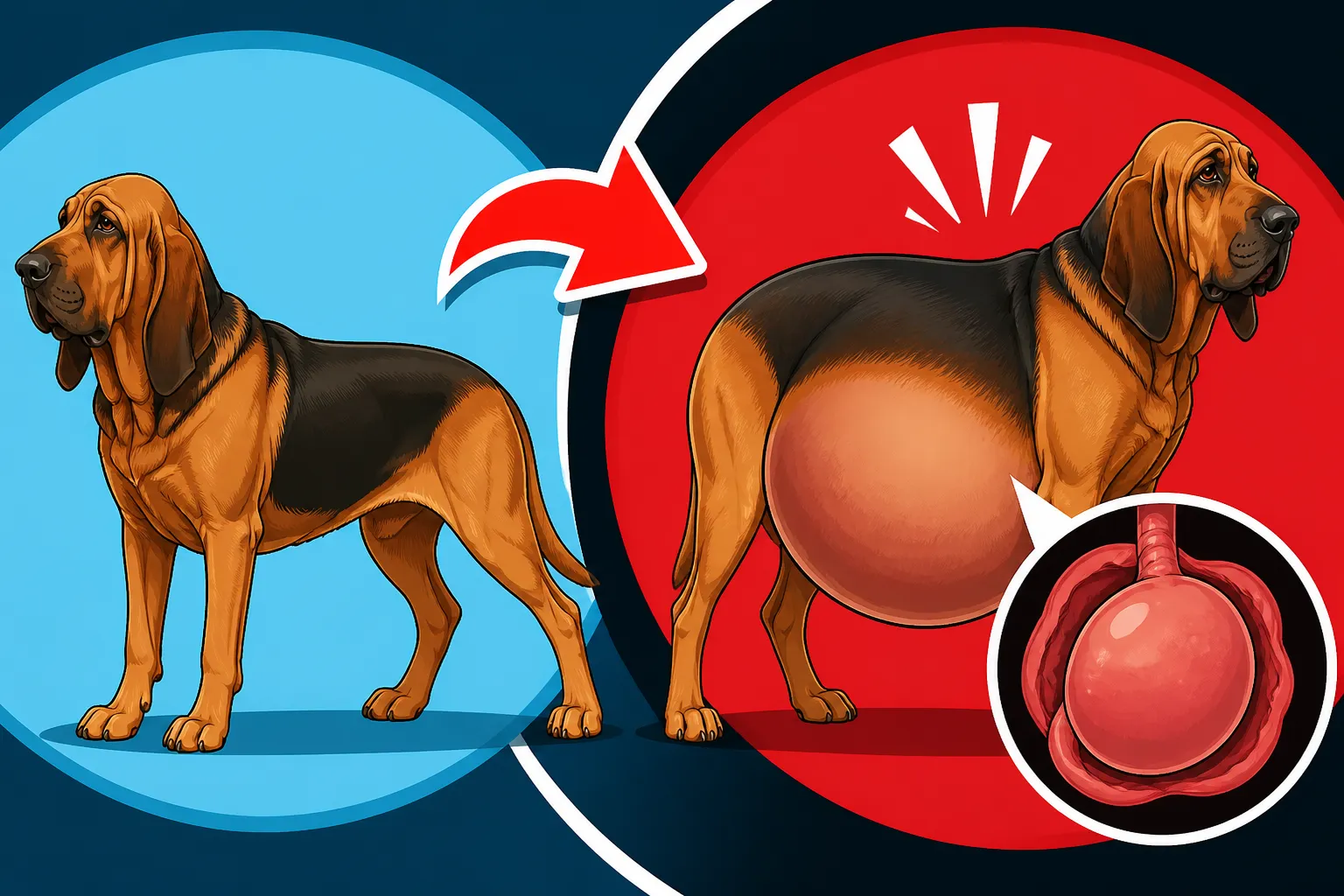
The most classic and often terrifying sign of bloat is a visibly swollen or distended abdomen. This isn't just a slightly full look after a big meal; it's usually a dramatic, rapid expansion. Imagine your Bloodhound's sides puffing out, particularly on one side, or across the entire upper abdomen just behind the ribs. This swelling can make your dog look like they've swallowed a basketball.
The distension might be more noticeable on the left side of the dog, especially if you're looking from above, though it can become generalized very quickly. In some cases, it might appear to be symmetrical. For a Bloodhound, whose chest is already deep, this distension makes their whole midsection seem unnaturally wide and bulbous. If your dog has a leaner body condition, this swelling might be even more stark and obvious against their otherwise tucked-up waistline. The urgency here is paramount: if you see this kind of rapid, significant swelling, do not wait.
The Firmness and Tightness of the Abdomen
Beyond just looking distended, a bloated Bloodhound's abdomen will feel incredibly firm, almost drum-like, to the touch. This isn't the soft, pliable belly you'd feel after a good meal or when your dog is relaxed. Instead, it will be taut, rigid, and often painful if you attempt to gently palpate it. The pressure of the trapped gas makes the abdominal wall feel unyielding.
If you gently tap on the side of their belly, especially the distended area, you might even hear a hollow, resonant sound, similar to tapping on a drum. This sound, combined with the extreme firmness, is a strong indicator of gas accumulation. While it might feel counterintuitive to touch a painful area, a very gentle, careful touch can confirm this critical symptom. Be mindful of your dog's pain level; if they flinch or show signs of discomfort, stop immediately.
Asymmetry and Where the Swelling Appears First
Sometimes, the abdominal swelling isn't perfectly symmetrical. In the early stages, or depending on how the stomach twists, you might notice the distension appears more pronounced on one side of your Bloodhound's body, typically the left side, behind the last rib. As you look down at your dog from above, one side might jut out significantly more than the other, giving them a lopsided appearance.
However, as the bloat progresses, the distension often becomes more generalized and less obviously one-sided. It can span across the entire upper abdomen. This asymmetry can be a valuable early clue. Think about your Bloodhound's natural physique; they have a very deep, narrow chest which puts them at risk for this condition, as discussed in Why a Deep Narrow Chest Puts a Bloodhound at Risk. Any sudden departure from that familiar silhouette, especially a rapidly expanding midsection, warrants immediate attention.
More Than Just a Swollen Belly: Accompanying Bloat Symptoms
While the appearance of a bloated abdomen is the most direct visual cue, it's rare for it to be the only symptom. Bloat typically brings with it a terrifying array of other physical and behavioral changes that are equally important to recognize. These symptoms often appear in conjunction with, or even slightly before, the obvious abdominal distension.
The Unproductive Retching and Gagging
One of the most hallmark signs of bloat, alongside the swollen belly, is unproductive retching or gagging. Your Bloodhound will repeatedly try to vomit, often with great effort, but nothing, or very little, will come up. They might heave, strain, and dry-heave, producing only foamy saliva or a small amount of liquid. This is because the twisted stomach has sealed off the exits, preventing any contents from passing.
This frantic, desperate retching is a clear sign that something is terribly wrong internally. It's not like a normal throw-up where they expel contents and then feel better. This is persistent, distressing, and fruitless. If you witness this, especially when combined with any abdominal changes, it's a critical emergency. The act of retching without producing is such a telling symptom that it's often the first thing owners notice, giving them a vital clue to Why a Bloating Bloodhound Retches Without Producing.
Restlessness, Pain, and General Distress
A dog experiencing bloat is in immense pain and distress. You'll likely see extreme restlessness. Your Bloodhound might pace frantically, unable to settle in any position. They might constantly shift their weight, try to get up and lie down repeatedly, or even wander around aimlessly. This isn't just a bit of discomfort; it's a clear sign of severe internal pain.
They might vocalize their discomfort with whines or groans, particularly if you try to touch their abdomen. Their breathing might become labored or rapid, and their gums might appear pale or even bluish as their circulation is compromised. You might notice them drooling excessively, another sign of nausea and distress. This visible pain and frantic behavior are red flags that should never be ignored. This is a situation where having good pet insurance, like a comprehensive plan from Healthy Paws, can alleviate financial stress, allowing you to focus solely on your dog's immediate needs.
Changes in Behavior and Posture
Beyond restlessness, a Bloodhound experiencing bloat might exhibit other specific behavioral and postural changes. One of the most common is the "prayer position" or "play bow," where the dog stretches out its front legs with its head down, while keeping its hind end elevated. This position is often an attempt to relieve pressure or pain in the abdomen. It's a classic posture for dogs with abdominal discomfort, and one that all Bloodhound owners should be familiar with as The Prayer Position a Bloating Bloodhound Takes.
Your dog might also stand with an arched back, appearing hunched, or become very lethargic and withdrawn. They might refuse food or water, even if normally highly food-motivated. Some dogs might attempt to bite or snap if their painful abdomen is touched, even if they are typically very gentle. Any sudden, severe change in your Bloodhound's normal demeanor, especially following a meal or exercise, combined with other physical signs, should immediately raise a red flag.
What a Healthy Bloodhound's Abdomen Should Look Like
To recognize the signs of bloat, it's absolutely essential to know what your Bloodhound's abdomen looks and feels like when they are healthy and comfortable. This baseline understanding allows you to quickly identify any worrying deviations.
The Natural Shape and Feel
A healthy Bloodhound typically has a deep, albeit somewhat narrow, chest that tapers gently into a noticeable tuck-up at the waist, particularly when viewed from the side. When you look at them from above, their flanks should curve inward slightly behind the rib cage, not bulge outwards. Their belly should feel soft and pliable to the touch, not hard or rigid. You should be able to gently palpate their abdomen without them showing signs of pain or discomfort.
After they've eaten a normal meal, their belly might be a bit fuller, but it should still feel soft and not drum-tight. There should be no extreme distension or lopsidedness. Getting familiar with this normal state, by gently touching and observing your Bloodhound's abdomen regularly, especially after meals, is a key preventative measure. This regular check allows you to spot any unusual firmness or swelling before it becomes severe.
Normal Post-Meal Appearance vs. Bloat
It's easy to get worried if your Bloodhound's belly looks a bit full after they've just polished off a large meal, especially if they're known for being enthusiastic eaters. However, there's a distinct difference between a normally full stomach and a bloating one. After eating, a healthy Bloodhound's abdomen will be distended, but it will still feel soft and yielding to the touch. It won't have that extreme, rock-hard tightness. The distension will also be general, not often dramatically lopsided.
Furthermore, a dog with a full stomach usually acts perfectly content – perhaps a little sleepy or relaxed. A bloating dog, on the other hand, will be showing signs of discomfort, restlessness, and that tell-tale unproductive retching. They might be pacing, whining, or desperately trying to find a comfortable position. If you're ever in doubt, it's always better to err on the side of caution. Remember, with a condition like bloat, time is muscle and tissue.
Here’s a quick comparison to help you distinguish between a normal post-meal belly and a bloated one:
| Symptom / Area | Normal Post-Meal Abdomen | Bloated Abdomen (GDV) |
|---|---|---|
| Appearance | Slightly full, rounded; gentle tuck-up visible | Rapidly swollen, distended, often very pronounced, especially in upper abdomen/flanks. Can be asymmetrical. |
| Feel to the Touch | Soft, pliable, yielding | Extremely firm, hard, taut like a drum. Often painful upon gentle palpation. |
| Sound (gentle tap) | Dull thud or soft sounds | Often a hollow, resonant, drum-like sound. |
| Behavior | Content, relaxed, might nap, eager for a walk later | Restless, anxious, pacing, unable to settle, whining, groaning, panting excessively. |
| Retching/Vomiting | None, or productive vomiting if upset | Persistent, unproductive retching/gagging (dry heaves), sometimes frothy saliva. |
| Pain Level | None | Severe, increasing rapidly. |
| Gums | Pink, moist | Pale, white, or bluish. |
| Progression | Stays consistent, gradually empties | Rapid and worsening distension, symptoms escalate quickly. |
Immediate Action: What to Do If You Suspect Bloat
Recognizing the signs of bloat is only half the battle. The other, equally critical part, is knowing precisely what to do and acting with absolute speed. Do not delay, even for a moment. This is a true emergency where minutes count.
The Critical First Steps: Contacting Your Emergency Vet
If you suspect your Bloodhound is bloating, your very first step is to immediately call your veterinarian or the nearest emergency veterinary clinic. Do not waste time searching online or calling friends. Pick up the phone and inform them that you suspect your dog has Gastric Dilatation-Volvulus (GDV) and you are on your way. This gives them a head start to prepare for your arrival, ensuring that staff and equipment are ready the moment you walk through the door. This call ahead is absolutely vital for saving precious time once you arrive, as detailed in Whether a Bloodhound Owner Should Call Ahead to the Clinic.
Explain your observations clearly: the distended abdomen, the unproductive retching, the restlessness, and any other symptoms. They might provide immediate first-aid advice for the drive, or simply instruct you to come in as quickly as possible. Don't underestimate the severity of the situation; a dog can decline rapidly.
Preparing for the Emergency Vet Visit
While one person is calling the vet, if possible, another person can prepare for the immediate departure. This means having your Bloodhound's leash ready, clearing a space in your vehicle for comfortable, safe transport, and gathering any immediate essentials. Focus solely on getting your dog to the clinic. Don't worry about food, toys, or non-essentials.
On the drive, try to keep your Bloodhound as calm as possible, though this may be difficult given their distress. Avoid rough movements or sudden stops. Monitor their condition closely during the journey. The entire focus of this period is swift, safe transport to expert medical care. This is where a reliable insurance policy, perhaps from Healthy Paws, can be invaluable. Knowing that your pet insurance will help cover the astronomical costs of emergency surgery can relieve a huge burden during an incredibly stressful time, letting you focus on your dog rather than the bill. Remember, The Half Hour a Bloating Bloodhound Has is not an exaggeration. Every second counts.
Disclaimer
The information provided in this article is for educational and informational purposes only, and does not constitute veterinary advice. Always consult with a qualified veterinarian for any health concerns or before making any decisions related to your pet's health and treatment. In case of a suspected emergency like bloat, seek immediate veterinary care.