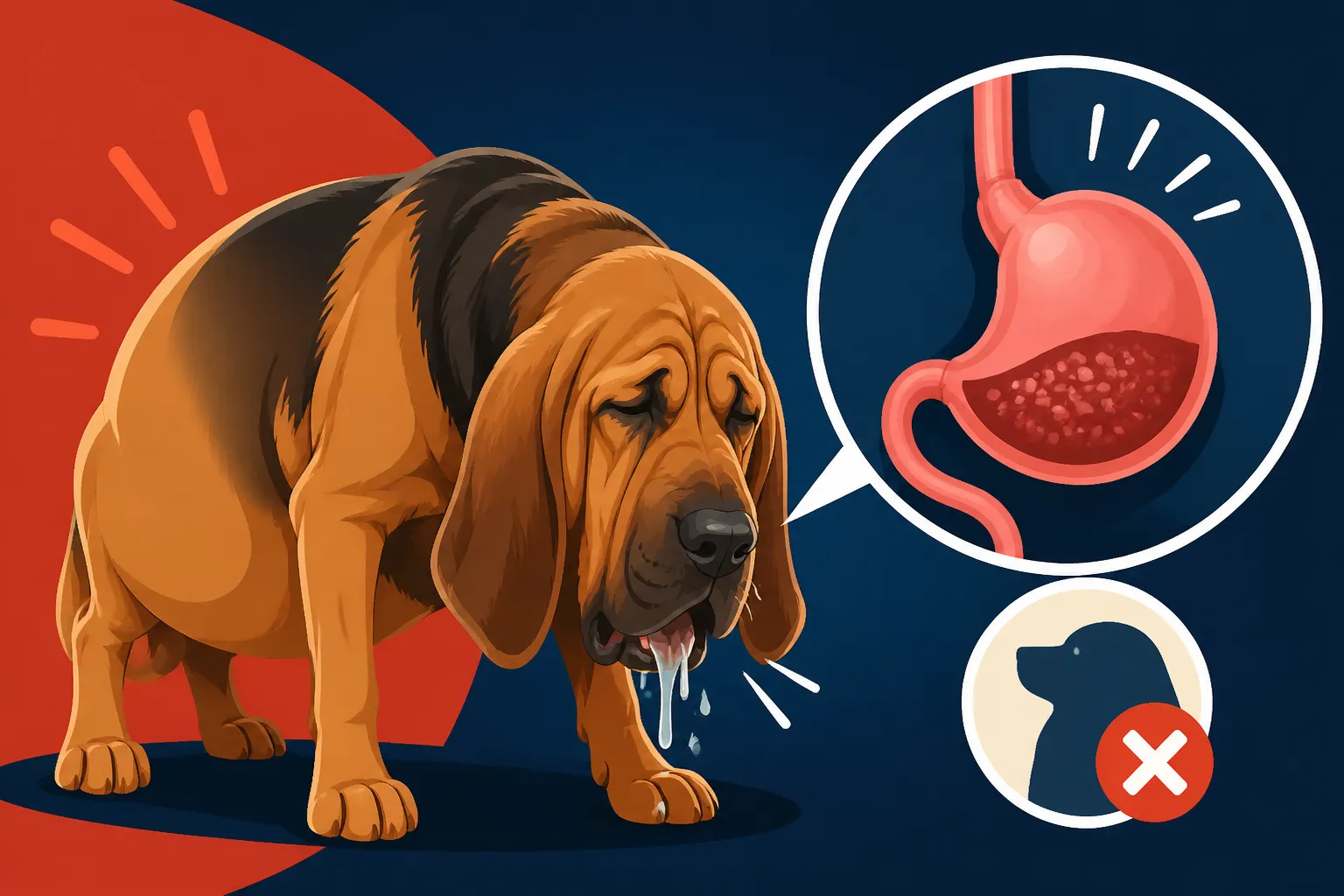
Why a Bloating Bloodhound Retches Without Producing
There are few moments more terrifying for a Bloodhound owner than seeing their beloved companion retching uncontrollably, yet producing absolutely nothing. This symptom, known as non-productive retching or dry heaving, isn't just a sign of an upset stomach; it's a critical red flag for Gastric Dilatation-Volvulus (GDV), commonly known as bloat, a condition that can be fatal in a matter of hours. This guide will delve into why this happens, what it truly means for your Bloodhound, and the urgent steps you need to take.
Understanding Bloat in Bloodhounds: A Life-Threatening Reality
Bloat is an emergency situation where a dog's stomach fills with gas, food, or fluid (dilatation) and then twists (volvulus). While any deep-chested breed can be affected, Bloodhounds are particularly predisposed due to their unique anatomy and certain risk factors. This isn't just a simple tummy ache; it's a rapidly progressing crisis that can lead to shock, organ damage, and death if not treated immediately. It's a cruel reality that bloat is what kills most Bloodhounds, making awareness and swift action absolutely essential for every owner.
The Unique Anatomy That Puts Bloodhounds at Risk
Bloodhounds possess a distinctive deep and narrow chest conformation, which sadly makes them more susceptible to GDV. Imagine their stomach, a freely suspended organ within the abdominal cavity, having ample space to swing and flip. This deep chest provides exactly that environment. When gas or food accumulates, this space allows the stomach to expand significantly, and if it then rotates on its axis, it creates a deadly scenario where both the entrance and exit of the stomach become pinched off.
This anatomical predisposition isn't something that can be trained out or easily mitigated without specific interventions. It's an inherent part of the breed that owners must be acutely aware of. While we adore their powerful build and magnificent chests, these very traits are a silent vulnerability. Understanding Why a deep narrow chest puts a Bloodhound at risk is the first step toward safeguarding your hound. It's not just about size; it's about the geometry of their internal space.
How Bloat Progresses to Non-Productive Retching
The progression of bloat is swift and insidious. Initially, a Bloodhound's stomach might simply fill with gas, known as gastric dilatation. This can cause discomfort, restlessness, and perhaps some mild drooling. However, the real danger arises when this dilated stomach then twists, trapping the gas and any contents inside. This twisting cuts off blood flow to the stomach and often the spleen, and it prevents anything from passing either into the intestines or back up the esophagus.
As the stomach continues to distend, your Bloodhound will feel immense pressure and pain. Their natural instinct will be to try and relieve this pressure by vomiting. They will heave, strain, and often make agonizing retching sounds, trying desperately to expel whatever is causing the discomfort. But because both ends of the stomach are completely blocked by the twist, nothing — not gas, not fluid, not even a tiny bit of foamy saliva — can escape. This is the hallmark of non-productive retching and signals that the situation has escalated from serious to critical.
The Mechanism Behind Dry Heaving in Bloat
Non-productive retching is the most concerning sign of bloat because it confirms that the stomach is not only distended but also likely twisted. It’s the body's frantic, yet ultimately futile, attempt to relieve pressure from an organ that has become a sealed, pressurized balloon. This symptom is a direct result of the physical obstruction caused by the stomach's rotation.
When the Stomach Flips: The Volvulus Component
The "volvulus" part of GDV refers to the twisting of the stomach. When a Bloodhound's stomach, already expanded with gas or food, rotates, it effectively ties itself off. Think of it like a full balloon with its neck tightly twisted. This twisting can be partial or complete, but even a partial twist can be catastrophic. The degree of rotation can vary, but typically, it's a clockwise rotation when viewed from the dog's rear. This rotation impacts the esophagus, preventing anything from coming up, and also the duodenum (the first part of the small intestine), stopping anything from moving down.
The torsion also traps the gas and fluid that are continually being produced as part of normal digestion, exacerbating the distension. This self-perpetuating cycle of gas accumulation and obstruction leads to rapidly increasing pressure within the stomach, pushing against surrounding organs and the diaphragm. The body then signals to vomit to relieve this pressure, but the physical blockage makes it impossible. This is why you see the distress and the intense effort, but no actual production, from your beloved hound.
The Impasse: Why Nothing Comes Up
The critical reason nothing comes up during a bloating Bloodhound's retching is the complete obstruction of the esophagus. The esophagus, the tube connecting the mouth to the stomach, becomes twisted and compressed along with the stomach itself. This makes it a one-way street with a closed gate at the bottom. Even if your Bloodhound had the strongest stomach muscles in the world, the physical blockade prevents any contents, including air, from passing through.
This can be incredibly confusing and distressing for owners. You see your dog trying so hard, making loud, guttural noises, sometimes even crouching in The prayer position a bloating Bloodhound takes (front paws down, rear end up, trying to stretch their abdomen), hoping to shift the discomfort. Yet, their efforts are in vain. It's a stark indicator that their internal plumbing is completely shut down, and it differentiates GDV from simpler gastrointestinal upsets where some bile or fluid might be vomited. This inability to clear their stomach is what makes bloat so uniquely dangerous.
The Role of Gas and Fluid Accumulation
Beyond the physical twist, the rapid accumulation of gas and fluid within the stomach plays a crucial role in perpetuating the dry heaving. When the stomach twists, normal digestion halts, and bacteria inside the stomach continue to produce gas. Additionally, the body responds to the trauma by secreting fluids into the stomach, further increasing pressure. This internal pressure build-up stretches the stomach wall, causing immense pain and discomfort.
This pressure not only triggers the retching reflex but also impedes blood flow to vital organs. The distended stomach presses on large veins, restricting the return of blood to the heart. This can quickly lead to shock, a life-threatening condition where the body's tissues aren't receiving enough oxygen. It's a vicious cycle: the twist causes gas and fluid to accumulate, increasing pressure, which then exacerbates the twist and further compromises circulation. This is why the window for intervention, often just The half hour a bloating Bloodhound has, is so incredibly narrow.
Recognizing Other Critical Signs of Bloat
While non-productive retching is a definitive and alarming sign, it's often accompanied by other symptoms that, when recognized together, paint a clear picture of an emergency. Early recognition of these Signs a Bloodhound is bloating can shave precious minutes off your response time, which can mean the difference between life and death for your Bloodhound. Don't wait for all symptoms to appear; even a combination of a few warrants immediate veterinary attention.
Distended Abdomen and Discomfort
One of the most visually obvious signs of bloat, alongside dry heaving, is a distended or swollen abdomen. This distension is caused by the trapped gas and fluid pushing the stomach outwards. For Bloodhounds, with their already substantial builds, this might not always be immediately apparent in the early stages, especially if they have a thicker coat or are lying down. However, as the condition progresses, the abdomen will become noticeably larger, taut, and drum-like to the touch.
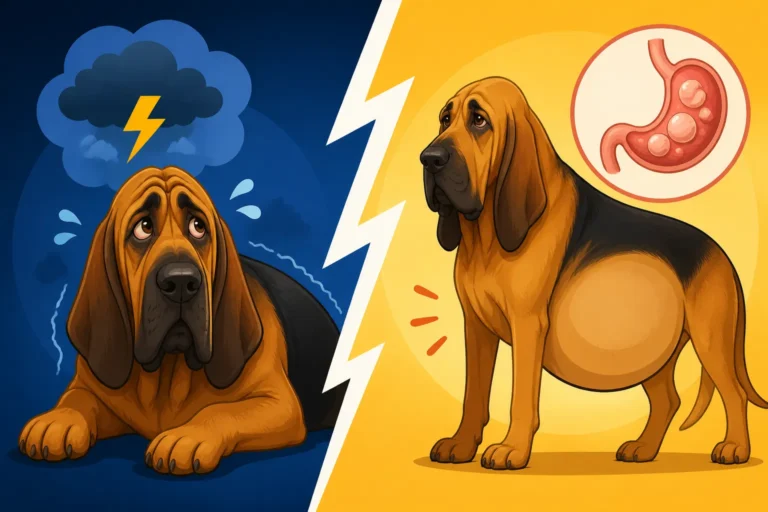
You might notice How a Bloodhound's abdomen looks when it bloats: it often appears swollen on one side, typically the left, directly behind the ribs, though it can appear generally swollen. Your Bloodhound will likely resist any pressure applied to this area due to intense pain. They might stand with their legs wide apart, trying to alleviate the pressure, or pace restlessly. Any change in their abdominal appearance, particularly accompanied by discomfort, should be taken seriously, even if the dry heaving hasn't started yet.
Restlessness, Pacing, and Pain
A Bloodhound experiencing bloat will typically be unable to settle. They will exhibit significant restlessness, constantly shifting positions, pacing, and appearing extremely agitated. This isn't just a mild discomfort; it's a profound, excruciating pain that prevents them from finding any comfortable resting posture. They might get up and lie down repeatedly, wander aimlessly, or try to hide in unusual spots.
You might also observe other signs of pain, such as panting heavily even when not exercising, excessive drooling, or a hunched posture. They might whimper, groan, or show anxiety in their eyes. Their gums might become pale or even blue-tinged as they go into shock. This visible distress is a clear indication that something is very wrong, and it underscores the urgency of the situation. Never dismiss unexplained restlessness or signs of pain in a deep-chested breed.
Behavioral Changes and Collapse
As bloat progresses and the Bloodhound goes into shock, more severe behavioral changes will emerge, eventually leading to collapse. In the earlier stages, they might appear withdrawn, reluctant to move, or simply "not themselves." They might refuse food or water, even if normally enthusiastic eaters. As their condition worsens, their heart rate will increase, their breathing will become shallow and rapid, and their body temperature might drop.
Ultimately, without intervention, a Bloodhound with bloat will collapse. They may become unresponsive, their gums extremely pale, and their breathing labored. At this stage, the risk of organ damage is extreme, and their chances of survival diminish rapidly. This is a terrifying progression, and it highlights why recognizing the initial signs like non-productive retching and abdominal distension, and acting immediately, is paramount. Insurance providers like Healthy Paws emphasize the importance of early intervention for such critical conditions.
Immediate Action: What to Do When Your Bloodhound Retches Dryly
When you observe your Bloodhound dry heaving, coupled with other signs of bloat, there is no time to wait and see. This is a dire emergency, and every minute counts. Your immediate response will directly impact your Bloodhound's chances of survival. Do not attempt home remedies or wait for symptoms to worsen; swift, professional veterinary care is the only path forward.
The Critical Race Against Time
The clock starts ticking the moment you suspect bloat. Bloodhounds can deteriorate incredibly quickly once their stomach twists. Some estimates suggest that How fast bloat kills a Bloodhound can be within 30 minutes to a few hours without emergency medical intervention. This means you need to act, not think. Pick up your phone and call your nearest emergency veterinary clinic while you are getting your dog ready to go. Even if it's the middle of the night, a weekend, or a holiday, an emergency clinic is equipped to handle this.
Do not try to make your dog vomit or give them anything by mouth, as this could worsen the situation or cause aspiration. Your primary goal is to get your Bloodhound to a vet specializing in emergency care as fast as humanly possible. This isn't a situation for your regular daytime vet unless they specifically offer 24/7 emergency surgery and are prepared for a bloat case.
Preparing for the Emergency Vet Visit
Before you even step out the door, take a moment to call ahead. Whether a Bloodhound owner should call ahead to the clinic is not just a courtesy; it's a critical step. Inform the veterinary staff that you suspect bloat in your Bloodhound and that you are on your way. This allows them to prepare their team and equipment for your arrival. They might have a surgical suite ready, gather necessary medications, or have a technician waiting to assist you immediately.
During this call, give them your Bloodhound's breed, estimated weight, and a brief description of the symptoms you're observing, especially the non-productive retching and abdominal distension. While you're talking, have someone else (if available) get your car ready, grab your dog's leash, and perhaps a blanket to make them comfortable during the drive. Remember, this is a race against The half hour a bloating Bloodhound has, so efficiency is key.
Don't Delay: Getting to Emergency Care
Once you've made that crucial phone call, wasted no time in getting your Bloodhound into the car and driving to the emergency clinic. What to do on the drive with a bloating Bloodhound is important: try to keep them as calm and comfortable as possible. Avoid any sudden stops or accelerations. If you have a large vehicle, allow them to lie down in a natural position. For a heavy Bloodhound, you might need assistance getting them into the car, or even a stretcher if they are already collapsing.
Upon arrival, be ready to move quickly. Alert the front desk immediately to your presence and your dog's condition. The veterinary team will typically whisk your Bloodhound away for initial assessment and stabilization. This will likely involve IV fluids, pain medication, and potentially gastric decompression to relieve pressure while they prepare for surgery. This surgery, known as What emergency bloat surgery does for a Bloodhound, is often the only way to save a dog once bloat has progressed to GDV.
Preventing Future Bloat Episodes
The experience of bloat is so traumatic, both for the dog and the owner, that prevention becomes a paramount concern. While there's no foolproof way to guarantee a Bloodhound will never bloat, there are significant steps you can take to dramatically reduce their risk, especially after an initial episode.
Prophylactic Gastropexy: A Life-Saving Consideration
For Bloodhounds, particularly those with a history of bloat or those simply at high risk due to their breed, a prophylactic gastropexy is often recommended. This surgical procedure involves permanently attaching the stomach to the abdominal wall, preventing it from twisting. While it doesn't prevent the stomach from filling with gas (dilatation), it eliminates the deadly volvulus component. The gastropexy decision every Bloodhound owner faces is a serious one, but it can be a true lifesaver.
This procedure can be performed as a standalone surgery, but it's often done concurrently with other planned surgeries, such as neutering. Whether a gastropexy can be done at a Bloodhound's neuter is a common question, and for many, it's an excellent opportunity to perform both procedures under one anesthetic event, making it more cost-effective and less stressful for the dog. Discuss this option with your veterinarian, and consider reputable insurance plans like Healthy Paws which can help with the costs of such preventive measures or emergency care. Learning What a preventive gastropexy does for a Bloodhound can provide immense peace of mind.
Dietary and Management Strategies
Beyond surgery, there are several dietary and management strategies that can help reduce the risk of bloat in Bloodhounds. Feeding multiple smaller meals throughout the day instead of one large meal can help prevent the stomach from overfilling. Many experts suggest feeding at least two or three meals daily. Slow feeder bowls or puzzle feeders can also help prevent your Bloodhound from eating too quickly, which can lead to gulping air.
It's also important to avoid vigorous exercise, excitement, or excessive water intake immediately before or after meals. Give your Bloodhound at least an hour of rest before and after eating. While controversial, some studies suggest that raised food bowls might increase bloat risk in some large breeds, so feeding at ground level may be a safer choice. Monitoring your Bloodhound for stress or anxiety, particularly around meal times, is also prudent, as Whether an anxious Bloodhound bloats more is a topic of ongoing research. These proactive steps, combined with awareness of symptoms like non-productive retching, are crucial for keeping your Bloodhound healthy and happy for as long as possible.
| Symptom | Description | Urgency Level |
|---|---|---|
| Non-Productive Retching | Dog tries to vomit but nothing comes up (dry heaving). | CRITICAL |
| Distended/Swollen Abdomen | Abdomen appears bloated, taut, and drum-like; painful to touch. | CRITICAL |
| Restlessness & Pacing | Unable to settle, constantly shifting, showing signs of severe discomfort. | HIGH |
| Excessive Drooling/Panting | More than usual, signs of stress or pain. | HIGH |
| Weakness/Lethargy | Unusually tired, reluctant to move, or unresponsive. | HIGH |
| Pale Gums | Gums appear lighter than normal, indicating poor circulation/shock. | CRITICAL |
| Rapid, Shallow Breathing | Breathing rate increases, less effective. | HIGH |
| Collapse | Unable to stand or unresponsive. | IMMEDIATE |
Disclaimer
This article is intended for informational purposes only and does not constitute veterinary advice. If you suspect your Bloodhound is experiencing bloat or any other medical emergency, seek immediate veterinary attention from a qualified professional. Do not attempt to diagnose or treat your pet at home.