Whether a Bloodhound Can Bloat Overnight
One of the most terrifying thoughts for any Bloodhound owner is the possibility of bloat, or Gastric Dilatation-Volvulus (GDV), and the fear that it could strike silently in the dead of night. It's a valid and deeply unsettling concern because, unfortunately, a Bloodhound can absolutely bloat overnight, often making symptoms harder to spot and delaying critical intervention. This guide will walk you through why overnight bloat is such a threat, how to recognize its subtle, nocturnal signs, and what proactive steps you can take to protect your beloved hound.
The Silent Threat of Overnight Bloat in Bloodhounds
The worry about bloat is ever-present for those of us who share our lives with a deep-chested breed like the Bloodhound. The thought of it happening while we're asleep, when we can't observe them as closely, is particularly chilling. It’s not just a daytime hazard; the night brings its own set of challenges that can make bloat even more dangerous.
Why the Nighttime Poses a Unique Risk
During the day, we're usually more attuned to our dogs' subtle behavioral changes. A sigh, a stretch, a moment of discomfort – these might catch our eye. But at night, when both you and your Bloodhound are typically settled into sleep, those early warnings are easily missed. Your hound might be restless, shifting positions or trying to get comfortable, but you might simply interpret it as a dream or a need to adjust their bedding. The quiet hours mean there's less ambient noise, but also less activity from the dog, which ironically makes the onset of bloat less observable. A Bloodhound's naturally relaxed demeanor in a calm home can mask initial signs that might be more obvious in a bustling environment.
The reality is that bloat doesn't care if it's convenient. It often strikes when a dog is at rest, making the overnight hours a prime window for its silent, rapid progression. The deep, narrow chest that is characteristic of the Bloodhound breed, which is something many of us adore, actually makes them anatomically predisposed to this condition. If you've ever wondered Why a Bloodhound's Chest Shape Causes Bloat, it's precisely because of this unique anatomy that the stomach has more room to twist.
Understanding Bloat: More Than Just a Belly Ache
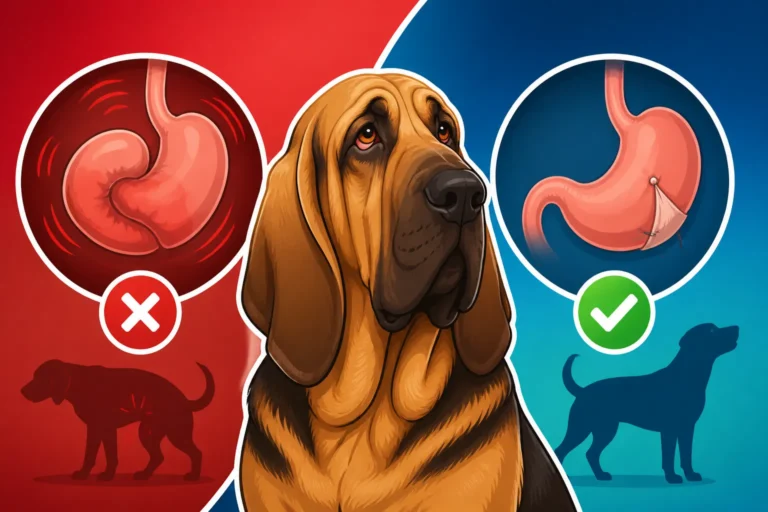
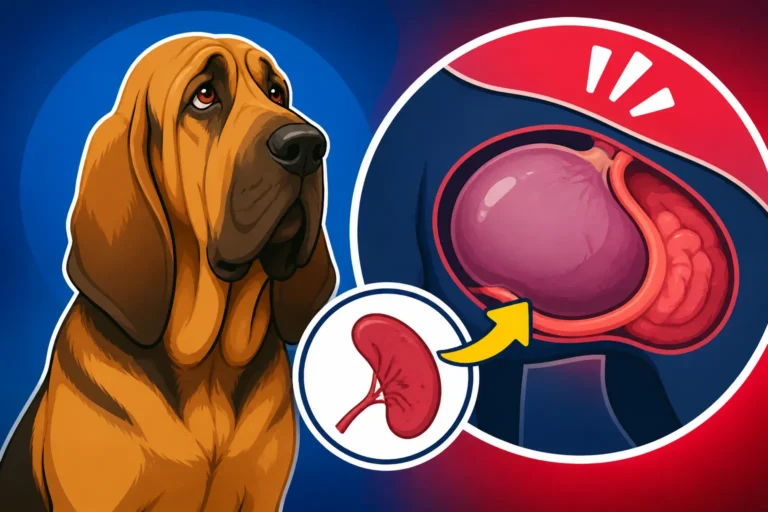
It's crucial to understand that bloat isn't just a severe stomach ache; it's a life-threatening emergency. Gastric Dilatation-Volvulus (GDV) begins when a Bloodhound's stomach rapidly fills with gas and fluid, causing it to distend, or "dilate." This initial phase is painful but can quickly escalate. The real danger comes when the distended stomach then twists, or "volvuluses," on its axis. This twisting cuts off both the entrance and exit of the stomach, trapping gas and liquid, and also occludes major blood vessels, leading to shock and eventually tissue death.
This isn't a condition that allows for a "wait and see" approach. Many Bloodhound owners often ask What Most Bloodhounds Actually Die Of, and tragically, bloat ranks very high on that list. The speed at which this condition progresses from initial discomfort to a critical state is staggering. Once the stomach twists, the clock starts ticking rapidly. For a detailed understanding of this urgency, consider how quickly How Fast Bloat Kills a Bloodhound can take hold—sometimes as little as 30 minutes. It's a veterinary emergency that demands immediate attention, regardless of the hour.
Recognizing the Subtle Signs When It's Dark
Spotting bloat can be challenging even in broad daylight, but identifying the signs in the dim light of night, often through the fog of sleep, adds another layer of difficulty. Yet, being able to pick up on these cues is absolutely vital for your Bloodhound's survival.
Early Indicators You Might Miss
While you might be asleep, your Bloodhound might still exhibit some subtle behavioral shifts that, upon closer inspection, could be early warnings. If your Bloodhound usually sleeps soundly through the night but suddenly becomes restless, pacing, or seems unable to settle, this should raise a red flag. They might move from their bed to the floor, or try to lie down and immediately stand up again, exhibiting a general discomfort that isn't typical.
One of the most classic signs of bloat, even in its early stages, is unproductive retching or dry heaving. Your Bloodhound might strain to vomit, making gagging sounds, but nothing comes up. They might lick their lips excessively or show increased salivation. You might hear gurgling or gas sounds from their abdomen, which could be dismissed as normal digestion, but combined with restlessness, it’s a warning. These are specific signals that indicate Signs a Bloodhound Is Bloating, and ignoring them, even when half-asleep, can have dire consequences. It’s the kind of behavior that, once observed, should immediately make you sit up and take notice.
The Telltale Physical Changes to Look For
Beyond behavioral changes, there are undeniable physical signs that develop as bloat progresses. The most apparent is a distended or swollen abdomen. In the dark, this might be hard to see clearly, but if you gently feel your Bloodhound's belly, it might feel hard and taut, like a drum. Often, the distension is most noticeable on the left side, just behind the last rib. Any vocalization or sharp reaction from your dog when you gently press on their abdomen indicates severe pain.
Your Bloodhound might also be drooling excessively, even more than their usual jowly self, as they struggle with nausea and discomfort. Their gums might appear pale or even blueish if they are going into shock, though this is harder to ascertain in low light. They might pant heavily, even when at rest, and appear weak or unsteady on their feet. Another classic posture is the "prayer position," where the front end is down with elbows on the floor and the rear end is up. This is a desperate attempt to relieve abdominal pain, a clear indicator that The Prayer Position a Bloating Bloodhound Takes. If you notice any of these symptoms, especially a combination of them, you must act with extreme urgency. Do not wait for daylight.
Immediate Actions for Suspected Overnight Bloat
The moment you suspect bloat, especially in the middle of the night, every second counts. Panic is a natural reaction, but it’s crucial to channel that energy into swift, decisive action. This is not a situation where you can afford to delay or second-guess yourself.
The Critical First Steps at 2 AM
If you wake up to your Bloodhound displaying any of the worrying signs – restlessness, unproductive retching, a distended abdomen – your very first step is to call your nearest emergency veterinary clinic immediately. Do not waste time searching online for home remedies or waiting to see if things improve. This is an absolute emergency. Be prepared to describe your dog's symptoms clearly and concisely. Let them know you suspect GDV in a Bloodhound and are on your way. This advance notice allows the veterinary team to prepare for your arrival, saving precious minutes.
While one person is on the phone, another should be getting your Bloodhound ready to go. Gently help them into the car if necessary. Keep them as calm and comfortable as possible, but prioritize speed. If you have to drive a significant distance, understanding What to Do on the Drive With a Bloating Bloodhound can be helpful. Keep your dog's head elevated if they're drooling, and continue to monitor their breathing and gum color if possible. The grim reality is that you often only have The Half Hour a Bloating Bloodhound Has to get them to veterinary care before the situation becomes dire.
Preparing for the Emergency Vet Visit
When you call the emergency clinic, be sure to confirm they are open and staffed with a veterinarian capable of performing emergency bloat surgery. Not all clinics, especially smaller ones, have overnight surgical capabilities. If your regular vet doesn't have 24/7 emergency services, they will typically have an answering service that directs you to a partner emergency hospital. Gather any relevant medical records, particularly if your Bloodhound has other health conditions, and bring them with you. While your focus will be entirely on your dog's immediate care, be aware that emergency bloat surgery is a significant financial undertaking. What Emergency Bloat Surgery Costs on a Bloodhound can vary widely but is typically in the thousands of dollars.
Having pet insurance like Healthy Paws can be an absolute game-changer in these situations. Knowing that a significant portion of the emergency vet bill might be covered allows you to make decisions based purely on your dog's health needs, without the added stress of crushing financial burden. Many policies, including those from providers like Healthy Paws, offer coverage for emergency care and surgeries. It’s certainly something to consider proactively for a breed known for high-cost medical emergencies.
The Role of a Preventive Gastropexy
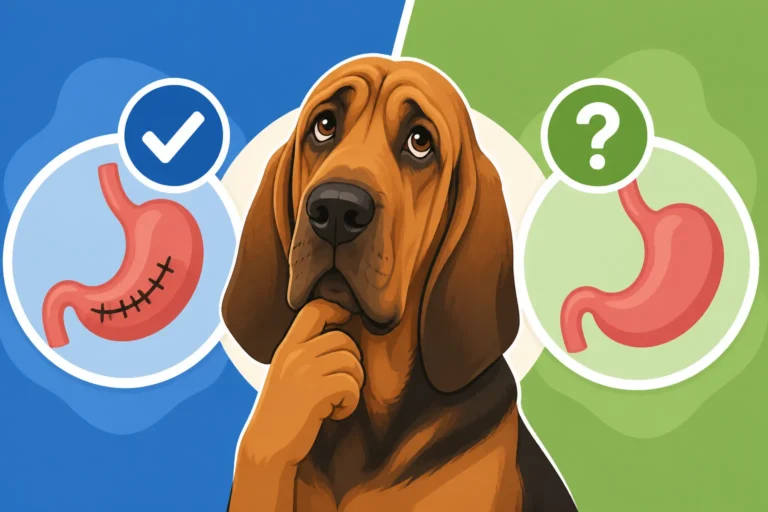
While bloat can strike suddenly, there are proactive measures that can dramatically increase your Bloodhound's chances of survival, even if it happens overnight. One of the most significant is a prophylactic gastropexy. This surgical procedure involves permanently tacking or stitching the stomach to the abdominal wall, which prevents it from twisting. It doesn't prevent the stomach from dilating (filling with gas), but it largely eliminates the deadly "volvulus" or twisting component.
The decision to opt for a gastropexy is one that every Bloodhound owner should seriously consider. You can read more about The Gastropexy Decision Every Bloodhound Owner Faces to understand the full implications. While a gastropexy doesn't make your Bloodhound immune to bloat – indeed, Whether a Bloodhound With a Gastropexy Can Still Bloat is a common question, and the answer is yes, they can still experience simple bloat (gas accumulation without twisting) – it significantly reduces the likelihood of the life-threatening twisted stomach. Many owners choose to have this procedure done when their Bloodhound is spayed or neutered, as it requires only one anesthetic event. This single procedure can literally be a lifesaver, giving you immense peace of mind, especially during those quiet, vulnerable overnight hours.
Proactive Measures to Mitigate Overnight Risk
While the threat of overnight bloat can feel overwhelming, there are several steps you can take to reduce your Bloodhound's risk and equip yourself to handle an emergency, should it arise. Prevention and preparation are your best defenses.
Adjusting Feeding Routines
How and when you feed your Bloodhound plays a critical role in bloat prevention. The general consensus among veterinarians and breed experts is to feed multiple, smaller meals throughout the day rather than one or two large ones. This reduces the amount of food and gas in the stomach at any given time. For more information, consider reading Feeding a Bloodhound So It Does Not Bloat. Instead of asking Whether Two Meals a Day Is Enough for a Bloodhound, consider three or even four smaller meals.
Avoid intense exercise or strenuous activity for at least an hour before and two hours after meals. Give your Bloodhound ample time to digest calmly. Contrary to popular belief, raised food bowls are now thought by some studies to increase the risk of bloat in large breeds, so feeding at ground level is generally recommended. Slow feeder bowls or puzzles can also be beneficial, as they prevent your Bloodhound from gulping down their food too quickly, which can lead to excessive air intake.
Creating a Bloat-Aware Environment
Beyond feeding, the overall environment and your routine can impact bloat risk. Try to keep meal times calm and stress-free. If you have multiple dogs, ensure they eat separately to prevent competition and rapid eating. Monitor your Bloodhound's water intake, especially after meals or exercise. While hydration is vital, large gulps of water quickly can also contribute to stomach distension. Offer smaller amounts more frequently instead of a huge, always-full bowl.
Being generally observant of your Bloodhound's habits and temperament is also key. If they tend to be an anxious dog, understanding Whether an Anxious Bloodhound Bloats More is an important consideration. Stress can be a contributing factor to bloat. Regular vet check-ups are also crucial for overall health and to discuss any concerns. Pet insurance providers like Healthy Paws often cover routine wellness exams if you opt for a wellness plan add-on, which can help you stay on top of your Bloodhound's health.
Knowing Your Bloodhound's Individual Risk Factors
While all Bloodhounds are at risk due to their conformation, certain factors can increase individual susceptibility. Older dogs (typically over six years old) tend to be at higher risk, and certain bloodlines have a genetic predisposition. If you know Whether a Bloodhound's Relatives Predict Its Bloat Risk, you might have a better idea of your own dog's inherent risk. Leaner dogs also seem to be more susceptible than those with a bit more weight on them, though obesity comes with its own health problems.
It's wise to have an emergency plan in place, including the contact information for your closest 24/7 veterinary emergency hospital prominently displayed. Ensure your family members or anyone caring for your Bloodhound knows the signs of bloat and what to do. Consider discussing a prophylactic gastropexy with your vet at an early age. Knowledge and preparation truly are your best allies in safeguarding your Bloodhound against this devastating condition, especially when it threatens in the quiet of the night.
Here's a quick comparison of normal nighttime behaviors versus potential bloat signs to help you identify an emergency:
| Behavior/Symptom | Normal Nighttime Behavior (Bloodhound) | Potential Bloat Sign (GDV) |
|---|---|---|
| Restlessness | Adjusts position a few times, shifts weight, settles quickly. | Frequent pacing, unable to lie down comfortably, repeated standing up. |
| Vomiting/Retching | Rarely vomits overnight; if so, usually produces something. | Straining to vomit repeatedly, producing little to no liquid/food (dry heaves). |
| Abdomen | Soft to touch, normal size, moves with breathing. | Hard, swollen, distended (especially on left side), drum-like; painful to touch. |
| Drooling | Minimal drooling, perhaps a small puddle from a relaxed jowl. | Excessive, constant drooling; chin/chest might be soaked. |
| Panting | Minimal, consistent breathing; occasional sigh. | Rapid, shallow panting even when at rest; looks anxious. |
| Vocalizations | Quiet, occasional snore, dream whimpers. | Whining, groaning, moaning, or sudden yelps of pain. |
| Overall Demeanor | Relaxed, deeply asleep, responds to touch gently. | Appears distressed, anxious, weak, reluctant to move, seems "off." |
| Gum Color | Pink and moist (check with a flashlight). | Pale, white, or even bluish/purple; slow capillary refill. |
Remember, any combination of these "potential bloat signs" warrants immediate emergency veterinary attention.
Disclaimer
The information provided in this article is for educational and informational purposes only, and does not constitute veterinary advice. Always consult with a qualified veterinarian for any health concerns or before making any decisions about your Bloodhound's health and care. In case of a medical emergency, contact your nearest veterinary emergency clinic immediately.