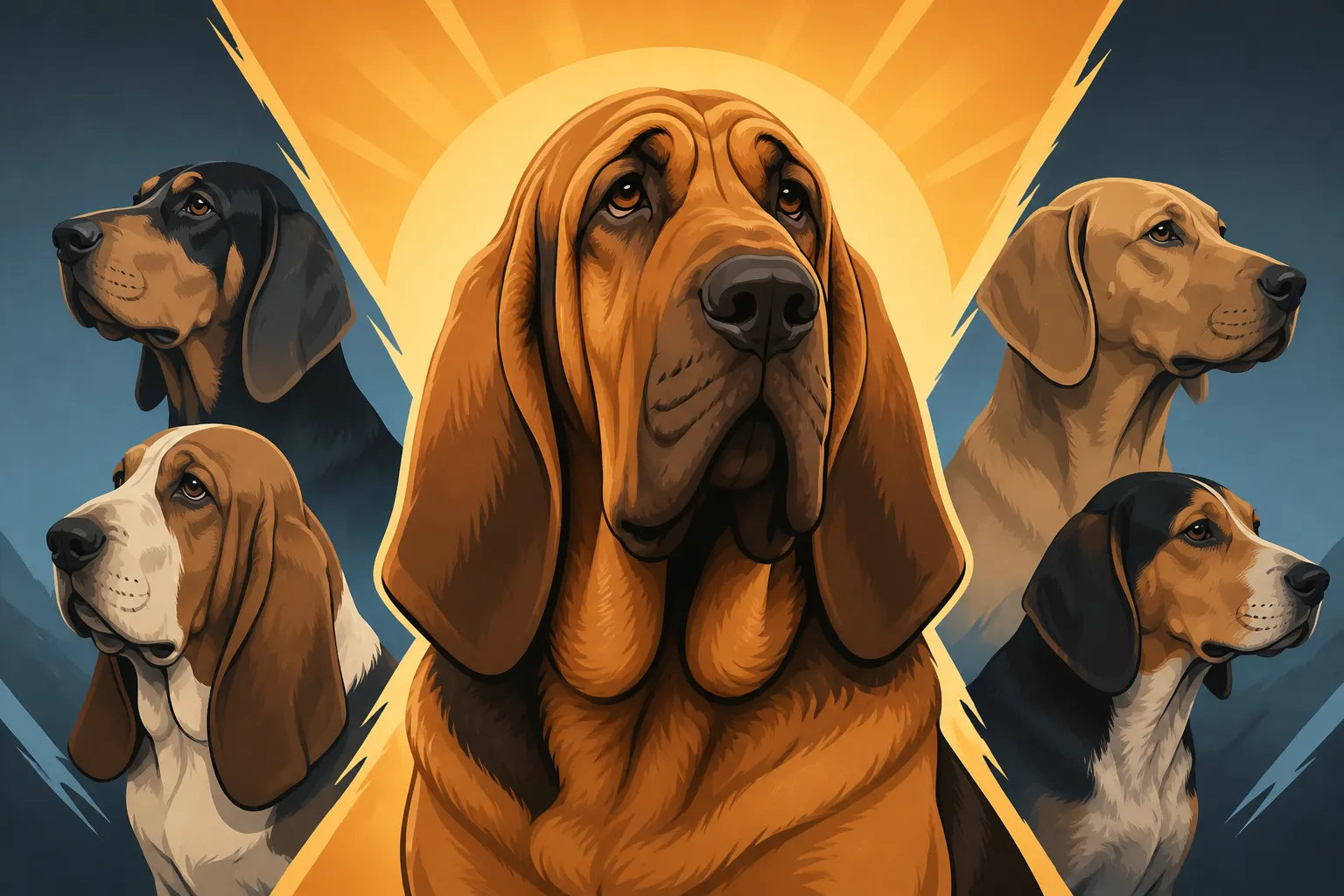
The Bloodhound Against the Other Scenthounds
For anyone who has ever seen a Bloodhound work, or even just encountered one on a walk, the sheer power of their nose is undeniable. But understanding what sets a Bloodhound apart from other scenthounds, and indeed what makes the entire scenthound group so unique, can be a bit of a mystery. This guide aims to delve deep into the world of scenthounds, highlighting the Bloodhound's exceptional characteristics while comparing and contrasting them with some of their equally fascinating, though distinctly different, cousins.
Understanding the Bloodhound: A Unique Scenting Machine
The Bloodhound stands in a league of its own when it comes to scent detection. Many breeds can follow a trail, certainly, but the Bloodhound doesn't just follow; it unravels a tapestry of forgotten odors with an intensity that borders on obsession. This isn't just a dog with a good nose; it's a living, breathing testament to centuries of selective breeding focused on one singular, paramount trait: the ability to track.
The Bloodhound's Unrivaled Olfactory Prowess
When we talk about a Bloodhound's nose, we're not just talking about sniffing. We're talking about an entire biological system exquisitely designed for scent work. Their olfactory epithelium, the tissue responsible for detecting scent molecules, is astonishingly large, vastly outstripping that of most other breeds. This means more surface area, more scent receptors, and a far greater capacity to process even the faintest, oldest odors. It's why they can follow a trail that's days old, or pick out a single individual's scent from a crowd of hundreds. It's truly a marvel of nature and selective breeding.
Beyond the sheer number of receptors, the Bloodhound's brain is wired differently, too. A significant portion of their brain is dedicated solely to analyzing and storing scent information. This isn't just about identifying a smell; it's about building a mental map of a person's journey, recognizing minute changes in air currents, and differentiating between layers of scent. When a Bloodhound puts its nose to the ground, it's engaging in a complex, multi-dimensional puzzle that most humans can barely comprehend. This specialized neurological setup is a huge part of How Many Scent Receptors a Bloodhound Has and how they use them.
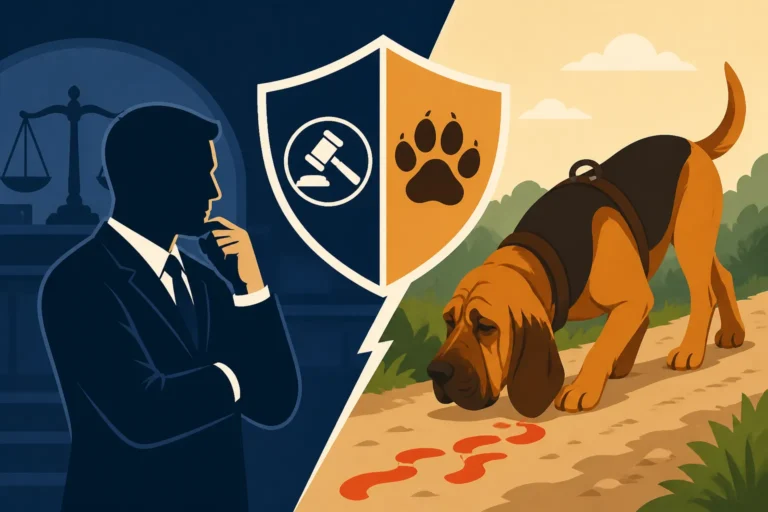
What's truly remarkable is how a Bloodhound can separate one person's scent from all the others, even in heavily trafficked areas. Imagine walking through a busy city park after a festival; the ground is covered in countless human scents, food smells, vehicle fumes, and natural odors. A Bloodhound, given a scent article from a missing person, can filter out all that 'noise' and laser-focus on the specific trail of interest. This isn't magic; it's the result of incredible sensitivity and an unparalleled ability to concentrate on the task at hand. It's why their testimony holds weight in courts, making them The Bloodhound Is the Only Dog Whose Evidence Stands in Court.
Physical Traits Built for Trailing
Every physical feature of a Bloodhound seems to be designed to enhance its scenting capabilities. Take, for instance, those famously long, pendulous ears. They aren't just for show; they actively sweep scent particles from the ground up towards the nose, effectively increasing the concentration of the trail. They also help to 'cup' and hold the scent close to the face, minimizing dispersal and allowing the dog to process more information. This seemingly simple feature is a critical component of their trailing success, explaining Why a Bloodhound's Ears Sweep Scent Toward Its Nose.
Then there's the distinctive loose skin, particularly around the face and neck. These deep wrinkles and folds don't just give the Bloodhound its endearing, soulful expression; they serve a practical purpose. They too help to trap and concentrate scent particles, holding them closer to the nose as the dog moves. Imagine these folds as little scent nets, collecting and retaining odors that other breeds might miss entirely. This unique skin structure contributes to their endurance and accuracy, allowing them to follow a cold trail for hours, even days.
Their powerful, muscular bodies and surprisingly sturdy bone structure allow them to cover vast distances over challenging terrain without tiring easily. A Bloodhound isn't a sprinter; it's a marathon runner of the scent world. They possess a remarkable stamina that enables them to maintain their relentless focus on a trail for extended periods, navigating through forests, fields, and even urban landscapes. This combination of an extraordinary nose and a body built for endurance makes them unstoppable once they lock onto a scent.
Temperament on the Trail and at Home
A Bloodhound's temperament is a study in contrasts. On a trail, they are singularly focused, driven, and utterly tenacious. Once their nose is down, the world shrinks to just the scent they are following. Distractions simply cease to exist. This intensity is what makes them exceptional working dogs, but it also means that for the average pet owner, letting a Bloodhound off-leash in an unfenced area is an absolute recipe for disaster. Why Off Leash Is Not a Goal With a Bloodhound cannot be overstated; their nose will always outvote your commands.
At home, however, the Bloodhound transforms. They are typically gentle, affectionate, and surprisingly calm giants. They crave human companionship and are known for their patient, tolerant nature, often making them good with children and other pets. They are not guard dogs; their nature is too sweet, and their interest in strangers usually extends only to sniffing them thoroughly, not deterring them. Their loyalty to their family is profound, but it's a quiet, steadfast devotion rather than a boisterous one.
However, their calm demeanor shouldn't be mistaken for low maintenance. A bored Bloodhound is a destructive Bloodhound, and their need for mental stimulation, particularly through scent work, is paramount. Without an outlet for their innate drive, they can become anxious or develop undesirable behaviors like excessive baying or destructive chewing. For this reason, Mantrailing Is the Answer to a Bloodhound, Not Obedience for many owners, as it satisfies their deepest instincts. They are sensitive souls, and respond best to positive reinforcement and patient, consistent handling.
The Purpose of Scent Hounds: A Shared Calling
Before we dive into direct comparisons, it’s important to understand the broader category of "scenthound." These breeds, including the Bloodhound, share a common ancestral purpose: to track and locate quarry by following a scent trail. While their methods and specific targets might differ, their fundamental design revolves around this extraordinary olfactory ability.
Defining the Scenthound Group
The scenthound group, as recognized by kennel clubs and understood by enthusiasts, is comprised of dog breeds primarily developed to hunt game using their sense of smell. Unlike sight hounds, which rely on visual detection and incredible speed, scenthounds work with their noses to unravel a "scent picture" left by an animal or person. This means their physical characteristics—such as their often long, drooping ears, loose skin, and deep chests—are all adaptations to enhance their ability to detect, hold, and process airborne or ground-based scent particles.
What truly defines a scenthound isn't just having a good nose; it's having a driven nose. These dogs are genetically predisposed to follow a scent, often to the exclusion of all else. It's not a choice for them; it's an imperative. This instinct is so powerful that it can override training, commands, and even their desire to stay with their human companions. Owners of scenthounds quickly learn that the nose often rules the brain, leading to unique challenges and rewards in their training and management.
Within this broad group, there's a wide range of specialties. Some scenthounds, like Beagles, excel at tracking small game like rabbits. Others, such as Coonhounds, are masters of treeing larger nocturnal animals. And then there's the Bloodhound, unparalleled in its ability to follow human scent over long distances and diverse conditions. While their targets vary, the underlying mechanism and the sheer joy they derive from scent work are universal to the scenthound family.
Historical Roles and Evolution
The history of scenthounds is deeply intertwined with human hunting practices across centuries and continents. Early humans quickly recognized the immense value of a dog that could track game, particularly in dense forests or at night, where human sight was limited. Breeds evolved in response to local hunting needs, terrain, and the specific game being pursued. The Chien de Saint Hubert, an ancestor of the modern Bloodhound, was prized in medieval Europe for its ability to track large game, especially deer and boar, through thick underbrush.
Over time, as hunting evolved from a necessity to a sport, and eventually to specific working roles like search and rescue, the breeds adapted. Some scenthounds were bred for speed and agility to keep pace with horses, while others were favored for their relentless, methodical pace, allowing hunters on foot to follow. The development of distinct breeds often reflects these specialized requirements, leading to the diverse array of scenthounds we see today, each a testament to a long history of human-animal partnership.
For example, the Bloodhound's path diverged early on to focus almost exclusively on cold-trailing human scent, a task that required even greater tenacity and refinement of its olfactory abilities. Other scenthounds, while certainly capable of following human scent, were not bred with the same singular focus. This historical evolution underscores why even within the scenthound group, there are distinct differences in their working styles and innate predispositions.
The Core Instinct: Following a Scent
At the heart of every scenthound lies an unyielding drive to follow a scent. This isn't just about finding something; it's about the process itself. The act of trailing is immensely rewarding for them, a complex puzzle that engages their most powerful sense and their natural intelligence. When a scenthound locks onto a scent, they enter a state of intense focus, often oblivious to their surroundings, their ears and nose working in concert to decipher the trail.
This instinct is so powerful that it often manifests as a form of joyful obsession. You'll see a scenthound with its nose to the ground, tail wagging, seemingly in its own world, deciphering a story only it can read. For many scenthounds, a walk isn't just about exercise; it's a rich, immersive sensory experience, a constant opportunity to explore and interpret the world through scent. Even a simple stroll around the block can be an intricate scenting adventure for them.
Understanding this core instinct is key to living harmoniously with any scenthound, especially a Bloodhound. It means recognizing that their drive to trail isn't a behavior to be "trained out" but rather one to be channeled and satisfied. Providing appropriate outlets for their nose, whether through formal mantrailing, scent work games, or even just long, sniffy walks on a long line, is essential for their mental well-being and preventing frustration-driven behaviors.
Bloodhound vs. Basset Hound: Low Riders with Big Noses
When people think of a dog with incredible scenting abilities and an undeniably soulful expression, the Basset Hound often comes to mind right alongside the Bloodhound. Both are iconic for their long, droopy ears, wrinkled brows, and formidable noses, but they are distinctly different breeds with unique characteristics.
Physical Differences and Similarities
The most striking physical similarity between the Bloodhound and the Basset Hound lies in their dramatic, loose skin and lengthy, velvety ears. Both breeds possess these features for the same reason: to aid in scent detection, sweeping odors towards their powerful noses. They also share that famously mournful "hound dog" expression, which endears them to many. However, that's largely where the physical similarities end, at least in terms of scale.
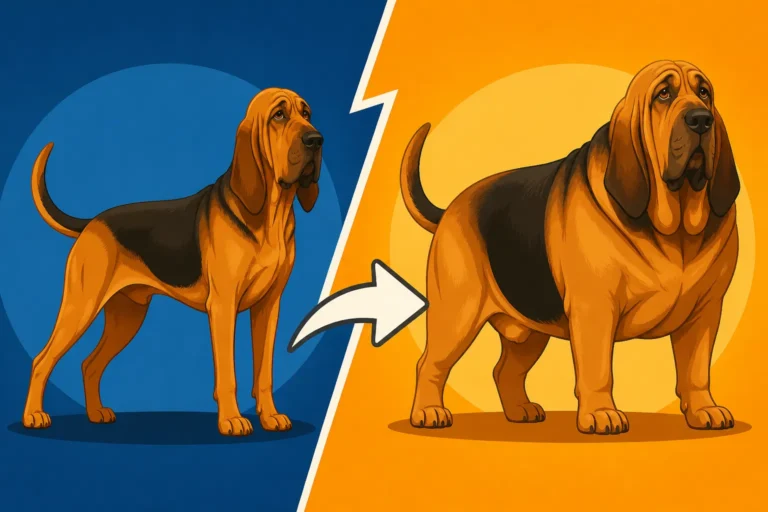
The Bloodhound is a much larger, more substantial dog. A typical male Bloodhound can weigh over 100 pounds and stand significantly taller at the shoulder, with a powerful, muscular build designed for covering large distances. The Basset Hound, in stark contrast, is a true "low rider." While they are surprisingly heavy for their short stature, often weighing 40-65 pounds, their defining characteristic is their extremely short, thick-boned legs and long, heavy body that rides very close to the ground. This difference in build means the Basset is built for slower, more deliberate tracking through dense undergrowth, whereas the Bloodhound, while methodical, covers ground more efficiently.
Their head shapes, while both distinctive, also differ. The Bloodhound's skull is long and narrow, with a pronounced occipital peak, giving it a majestic, noble appearance. The Basset Hound has a broader, more domed skull, with a shorter muzzle relative to its head size, contributing to its somewhat comically serious look. These subtle but significant differences in structure dictate their movement and how they navigate various terrains while trailing, making The Bloodhound Against a Basset Hound a fascinating study in specialized evolution.
Temperament and Drive Comparison
While both breeds are gentle and amiable companions, their underlying drives and temperaments, particularly concerning scent work, show distinct differences. Bloodhounds are known for their singular, unwavering focus on a scent. Once they're on a trail, they become utterly absorbed, often to the point of appearing deaf to their handler. Their tenacity is legendary; they will follow a scent until they drop, often ignoring discomfort, hunger, or even injury in pursuit of their goal. This intense drive makes them exceptional at serious trailing work, but also means they require a dedicated handler who understands their unique needs.
Basset Hounds, while possessing an incredible nose that rivals many other scenthounds, tend to have a slightly less intense, though no less persistent, drive. They love to follow a scent and can be very effective trackers for small game, but they might be a bit more amenable to redirection, or at least a slower to get started, compared to the Bloodhound's immediate, all-consuming focus. Bassets are also known for being a bit more independent and sometimes a little more stubborn in general, often moving at their own pace both on and off the trail. They might choose to stop and sniff something particularly interesting for an extended period, rather than maintaining a steady, relentless pace.
At home, both breeds are generally calm and affectionate. Bloodhounds, despite their size, are often described as "100 pounds of lap dog" and are incredibly devoted to their families. Basset Hounds are equally loving and enjoy being part of the family, but they can sometimes be more prone to separation anxiety and are well-known for their mournful baying when unhappy or bored. Both breeds possess a deep, resonant voice that they are not shy about using, a trait common to many scenthounds.
Care and Exercise Needs
Due to their similar physical characteristics, both Bloodhounds and Basset Hounds share some common care considerations, particularly concerning their ears and skin folds. Both breeds require diligent and regular ear cleaning to prevent infections, as their long, heavy ears create a warm, moist environment ripe for bacterial and yeast overgrowth. Cleaning a Bloodhound's Ears Every Week for Life is a commitment, and the same goes for a Basset. Similarly, their loose facial skin needs to be wiped regularly to prevent skin fold dermatitis and keep them smelling fresh.
However, their exercise needs diverge somewhat due to their size and build. A Bloodhound, despite its calm indoor demeanor, requires significant regular exercise to maintain its health and mental well-being. This doesn't necessarily mean high-impact running, especially for a growing puppy to protect their joints, but rather long, purposeful walks, ideally incorporating plenty of sniffing opportunities. Mantrailing is an excellent way to provide both physical and mental stimulation. Without it, they can become restless and destructive.
Basset Hounds also need regular exercise to prevent obesity, which their short legs and long backs are particularly susceptible to. Daily walks are essential, but they don't require the same intensity or duration as a Bloodhound. They enjoy leisurely strolls where they can follow interesting scents at their own pace. However, care must be taken to protect their delicate backs from excessive jumping or rough play. For both breeds, mental stimulation through scent games and training is just as important as physical exercise to keep their intelligent, scent-driven minds happy and engaged. Finding appropriate durable toys and stimulating feeders on sites like Chewy can be a huge help for both Basset and Bloodhound owners.
Bloodhound vs. Coonhound: Working Dogs of the Night
Coonhounds are another prominent branch of the scenthound family, specifically developed for trailing raccoons and other nocturnal game. While they share the Bloodhound's incredible scenting ability and tenacious spirit, they embody a different set of physical traits and working styles, forged by their unique hunting heritage.
Distinctive Physical Characteristics
Both Bloodhounds and Coonhounds (a group that includes breeds like the Black and Tan Coonhound, Redbone Coonhound, Bluetick Coonhound, and Treeing Walker Coonhound, among others) are large, powerful dogs built for endurance. However, their physical appearances diverge in several key areas that reflect their respective jobs.
Bloodhounds are often heavier-boned and more massive overall, with a distinctive loose skin and profoundly wrinkled face, particularly around the head and neck. Their ears are exceptionally long and pendulous, hanging low past their jawline. Coonhounds, while robust and muscular, generally have a sleeker, more athletic build. Their skin is typically tighter, and while they possess long, drooping ears, they are usually not as exaggerated in length or thickness as a Bloodhound's. Their facial expressions are often less wrinkled and more alert, befitting a dog that must quickly react to its environment, especially when a raccoon "trees" and they need to look up.
The coat types also differ. Bloodhounds primarily come in black and tan, liver and tan, or red, with a short, dense, and slightly coarse coat. Coonhounds exhibit a wider variety of colors and patterns, reflecting their diverse breeding origins. For example, a Bluetick Coonhound has a distinctive mottled blue-gray coat, while a Redbone is a rich, solid red. The Bloodhound Against a Coonhound showcases how different appearances serve similar but distinct purposes in the working world.
Working Styles and Specialties
This is where the Bloodhound and Coonhound truly show their differences. The Bloodhound is the epitome of a "cold-trailer." They are designed to follow old, faint human scent trails over vast distances, often at a slow, deliberate, methodical pace. Their focus is almost exclusively on the ground scent, ignoring visual distractions or fresh game. They are search and rescue specialists, whose evidence is often relied upon in legal proceedings due to their unparalleled accuracy and tenacity.
Coonhounds, on the other hand, are bred for a different kind of pursuit. They are "hot-trailers," often following fresher trails of raccoons, bears, or other game, frequently at night. Their working style is typically faster and more vociferous. They use a combination of ground scent and airborne scent, baying excitedly when they pick up a hot trail, and loudly "treeing" the game—meaning they bark furiously at the base of a tree where the animal has taken refuge. This distinctive baying and treeing behavior is a hallmark of Coonhound work and vital for hunters to locate them in the dark.
While a Coonhound certainly has an exceptional nose, it’s generally less specialized for the ancient, faint human scent than a Bloodhound. Conversely, a Bloodhound is unlikely to "tree" a raccoon with the same enthusiasm and specialized skill as a Coonhound. Each breed has been honed over generations for its particular niche in the scenting world, resulting in distinct behaviors when actively working.
Energy Levels and Training Approaches
Both Bloodhounds and Coonhounds are active, intelligent dogs that require significant mental and physical exercise. However, their energy levels and how those energies are best managed can differ. Bloodhounds, while requiring long, purposeful walks and scent work, tend to be calmer and more laid-back indoors, often content to snooze on the couch after their mental and physical needs are met. Their challenge lies in managing their singular focus on scent, which means recall off-leash is typically non-existent. Why a Bloodhound Ignores a Cue It Knows is directly related to its intense scent drive.
Coonhounds, generally speaking, tend to have higher energy levels and can be more boisterous and restless if not adequately exercised. Their hunting heritage demands a strong, athletic build and a boundless enthusiasm for running and exploring. They often require more intense physical exercise, beyond just a sniffy walk, to burn off their energy. Many Coonhounds excel at activities like hiking, running, or even dock diving when not out hunting.
Training approaches also need to consider these differences. Both breeds respond well to positive reinforcement and consistent training. For Bloodhounds, channeling their scent drive into structured mantrailing or nose work is paramount. Traditional obedience might be challenging because their brains are always prioritizing scent. For Coonhounds, while scent work is also crucial, more emphasis might be placed on developing a reliable recall (though still challenging) and managing their exuberance and vocalizations. Their independent nature and tendency to follow their nose can make them a handful for novice owners, emphasizing the need for patience and understanding of the hound mind.
Bloodhound vs. Beagle: Pocket-Sized Powerhouses
When we talk about scenthounds, the Beagle is often one of the first breeds that comes to mind for many people. Known for their compact size, cheerful demeanor, and incredible noses, Beagles share the Bloodhound's passion for scent but on a much smaller scale, and with a significantly different overall package.
Size and Build Contrasts
The most obvious difference between a Bloodhound and a Beagle is their size. Bloodhounds are giants of the scenthound world, often exceeding 100 pounds and standing tall and substantial. They possess a grand, imposing presence, with a deep chest, powerful legs, and that iconic loose skin and long ears.
Beagles, on the other hand, are the quintessential small-to-medium sized hound, typically weighing between 20-30 pounds. They are compact, sturdy, and built for agility, able to navigate dense brush and follow small game like rabbits through tight spaces. While they also have drooping ears and a generally hound-like appearance, their features are much more proportionate to their smaller size. Their ears are long but not nearly as exaggerated as a Bloodhound's, and their skin is tighter, lacking the profound wrinkles. Despite their smaller stature, Beagles are incredibly robust and active.
This size difference dictates much about their living requirements. A Bloodhound needs considerable space, a large yard, and a robust home environment to move around comfortably, whereas a Beagle can adapt to smaller living spaces, including apartments, provided their exercise and mental stimulation needs are met. However, don't let the Beagle's size fool you; they are still true hounds with big personalities and equally big voices.
Scenting Capabilities and Focus
Both Beagles and Bloodhounds possess extraordinary senses of smell, but they are specialized for different tasks. The Bloodhound is the undisputed master of human scent trailing, particularly cold, faint trails over diverse terrain and long distances. Their focus is narrow and intense, making them slow, methodical, and incredibly accurate. They are often used in law enforcement and search and rescue for their unparalleled ability to follow a specific individual.
Beagles are renowned for their ability to track small game, especially rabbits and hares. They work quickly, often in packs (though they can also hunt solo), and are known for their musical baying as they follow a hot trail. Their scenting focus is typically on fresh game trails, using both ground and air scent to rapidly locate their quarry. While a Beagle can certainly follow a human scent, they don't possess the same level of specialization or the sheer tenacity for cold-trailing that a Bloodhound does. Their natural instinct is often to course and flush game rather than to meticulously track an individual.
The intensity of their scent drive also differs slightly. While a Beagle is absolutely driven by its nose, its focus can sometimes be broken more easily than a Bloodhound's. A Bloodhound, once on a serious trail, is notoriously difficult to distract. A Beagle, particularly if working alone, might sometimes pause, look to its handler, or be momentarily diverted by an exciting visual stimulus, though this is by no means universal and a highly driven Beagle is still very focused. Both breeds live by their noses, but the specific application and level of absolute absorption varies.
Trainability and Family Suitability
Both breeds can be wonderful family pets, but they come with their own set of training challenges and suitability considerations. Bloodhounds are gentle giants, known for their patient and affectionate nature. They are generally good with children and other pets, provided they are socialized from a young age. Their laid-back indoor demeanor makes them seem easy, but their immense size and incredible scent drive mean they require a very committed owner. Training a Bloodhound requires immense patience and an understanding that their nose will always be their primary motivator. Traditional obedience can be a slow, frustrating process, and many owners find that Mantrailing Is the Answer to a Bloodhound, Not Obedience to truly engage their minds.
Beagles are often described as cheerful, outgoing, and playful. They are excellent family dogs, typically robust enough to handle the rough-and-tumble of children and generally sociable with other dogs. However, their independent "hound nature" can make them challenging to train. They are highly intelligent but can be quite stubborn when a more interesting scent calls to them. Recall is notoriously difficult with Beagles for the same reason it is with Bloodhounds – their nose takes precedence. They are also known for their loud, distinctive bay, which can be an issue in close living quarters or for sensitive neighbors.
Both breeds require a securely fenced yard because of their strong wanderlust driven by scent. Neither can be reliably trusted off-leash outside a contained area. For families looking for a smaller, more energetic, and more boisterous hound, a Beagle might be a better fit. For those seeking a larger, more methodical, and supremely affectionate scent specialist, the Bloodhound, with its unique set of demands, is an unparalleled choice. Both thrive with owners who understand and respect their primary instinct to trail. When looking for gear for either breed, from tough chew toys to specialized harnesses, checking a site like Chewy often yields a wide selection.
Bloodhound vs. Other Scenthounds: A Broader Look
Beyond the immediate comparisons, it's worth taking a moment to consider how the Bloodhound stands relative to an even wider array of scenthounds, from the long-bodied Dachshund to the galloping Foxhound. Each breed carved its own niche in the world of scent, making for a fascinating tapestry of canine specialization.
Comparing to Dachshunds and Foxhounds
Let's first look at the Dachshund, often affectionately called a "wiener dog." While their appearance might seem vastly different from a Bloodhound, the Dachshund is, at its heart, a scenthound. Bred in Germany to hunt badgers, their long, low bodies and powerful digging claws are perfect for going to ground after their quarry. Like the Bloodhound, they possess an incredibly keen nose and a tenacious spirit when on a trail. However, their scenting work is largely underground or through dense brush, requiring a different physical adaptation than the open-field or cold-trail work of a Bloodhound. Their voice is surprisingly deep and resonant for their size, another common scenthound trait. The Bloodhound's majestic, deliberate pace contrasts sharply with the Dachshund's eager, burrowing pursuit.
Then there are the Foxhounds, specifically the American Foxhound and the English Foxhound. These are true galloping hounds, bred for speed and endurance to follow fox trails, often alongside mounted hunters. They have a sleek, athletic build, long legs, and a shorter, tighter coat than a Bloodhound. While their noses are exceptional – they are scenthounds, after all – their working style is about covering ground quickly and vociferously, often in a pack, driving the fox. They are much faster and more visually reactive than a Bloodhound, whose pace is methodical and whose focus is almost entirely on the ground scent. A Foxhound would easily outpace a Bloodhound on a fresh trail, but the Bloodhound would likely unravel a much older, colder trail with greater accuracy and persistence. The contrast highlights the spectrum of "scenting" within the group, from intense, deliberate tracking to fast-paced, wide-ranging pursuit.
Versatility and Adaptability of Scenthounds
While each scenthound breed has its specialized purpose, there's also a degree of versatility and adaptability within the group. For example, while Bloodhounds are renowned for human scent, their ancestors were formidable game trailers. Similarly, many Coonhounds, while excelling at treeing game, can also be taught to follow human scent for search and rescue, albeit with a different style than a Bloodhound. This inherent "nose-driven" intelligence allows many scenthounds to adapt to various scenting tasks, provided they receive appropriate training and guidance.
However, it's crucial to understand that while adaptable, a breed's core instincts are always present. You can train a Beagle for barn hunt or a Foxhound for recreational tracking, but you'll never truly train out their deeply ingrained drive to follow specific types of scents or to work in a particular manner. Their natural predispositions will always influence their performance and enthusiasm for different tasks. Trying to make a Bloodhound a fast-paced game flusher or expecting a Foxhound to meticulously cold-trail human scent over days without baying, goes against their nature.
This means that choosing a scenthound should always involve a deep dive into what the breed was originally bred for, as those traits will be the strongest and most defining aspects of their behavior. It's about finding a dog whose natural inclinations align with the activities you want to share with it. The strength of these innate traits means that What a Bloodhound Is Actually Smelling on a Trail and What a Bloodhound Will Work For are fundamentally tied to their breed's historical purpose.
The Role of Breed Standards
Breed standards, established by organizations like the American Kennel Club (AKC), play a critical role in maintaining the distinctive characteristics of each scenthound breed. These standards describe the ideal physical appearance, temperament, and even movement for a breed, all of which are intrinsically linked to its historical function. For scenthounds, the standard often details the length and set of the ears, the texture of the coat, the depth of the chest, and the structure of the feet – all elements that contribute to their scenting ability and endurance.
For the Bloodhound, the standard emphasizes the loose skin, profound wrinkles, and exceptionally long ears, alongside a powerful, muscular body built for endurance and a deep, mellow voice. These aren't just cosmetic features; they are functional traits that enhance its ability to trail. For other scenthounds, like the Beagle or Foxhound, the standard might emphasize agility, a particular type of bay, or a sleeker body suited for speed.
Breed standards help ensure that future generations of dogs maintain the traits that make them effective at their jobs and true to their heritage. They also provide a benchmark for breeders who are striving to produce healthy, typey examples of their chosen breed. While controversies can arise regarding exaggerations in certain traits, the fundamental purpose of breed standards remains to preserve the unique qualities that define each scenthound, ensuring that the distinctive "Bloodhound look" or "Beagle bay" continues for years to come.
Choosing the Right Scenthound for Your Life
Bringing any dog into your home is a big decision, but with a scenthound, it's particularly important to understand their unique needs and drives. These aren't just furry companions; they are living, breathing noses on four legs, and their instincts will always guide them.
Assessing Your Lifestyle and Expectations
Before you even consider a specific scenthound breed, take a long, honest look at your own lifestyle. Are you an active person who enjoys long walks, hikes, or runs? Do you have the time and patience to dedicate to consistent training, especially scent-specific work? Do you live in an area where their vocalizations (bays, howls) will be tolerated by neighbors? Do you have a securely fenced yard, or are you prepared to keep your dog on a leash for every outdoor excursion? Whether a Bloodhound Suits an Apartment is a complex question, often hinging on the owner's commitment to exercise and mental enrichment.
Understanding your expectations is crucial. If you're looking for a dog that will heel perfectly off-leash in an open park or be a silent companion, a scenthound, particularly a Bloodhound, is likely not the right fit. If you are captivated by their incredible noses and are excited by the prospect of structured scent work, long sniffy walks, and a dog who communicates loudly and expressively, then a scenthound might be your soulmate. Be realistic about the time commitment for exercise, grooming (especially for breeds with long ears and wrinkles), and training.
Finally, consider your experience level. While many scenthounds are gentle, their independent and nose-driven nature can be a challenge for first-time dog owners. They require a confident, consistent, and patient handler who understands how to motivate them without resorting to harsh methods. If you're new to dog ownership, seeking guidance from trainers experienced with hounds is highly recommended.
Considerations for Health and Lifespan
Every breed comes with its own set of potential health concerns, and scenthounds are no exception. For Bloodhounds, due to their deep chest, bloat (Gastric Dilatation-Volvulus or GDV) is a significant and life-threatening risk. Understanding Bloat Is What Kills Most Bloodhounds and taking preventative measures like a gastropexy are crucial. Other common concerns for Bloodhounds include hip and elbow dysplasia, various eye conditions (like ectropion and entropion), and ear infections due to their long, heavy ears.
Other scenthounds also have breed-specific health issues. Basset Hounds, with their long backs, are prone to intervertebral disc disease (IVDD) and also suffer from ear infections. Beagles can be susceptible to epilepsy, hip dysplasia, and certain eye conditions. Coonhounds, while generally robust, can also face hip dysplasia and ear problems. It's essential to research the health clearances recommended for your chosen breed and to work with a responsible breeder who screens their breeding stock.
Lifespan is another important consideration. Bloodhounds, unfortunately, tend to have a shorter lifespan compared to many other breeds of their size, often averaging only 8-10 years. The Median Age a Bloodhound Reaches is often heartbreakingly young for their loving families. Other scenthounds, like Beagles, typically live longer, often into their early teens. This is a significant factor in deciding how long you are prepared for a furry family member to be part of your life.
The Importance of Responsible Breeding and Rescue
Regardless of which scenthound you choose, selecting a responsible source is paramount. For puppies, this means finding a reputable breeder who prioritizes health, temperament, and ethical practices. A good breeder will:
- Perform all recommended health clearances on their breeding dogs (e.g., OFA for hips/elbows, CERF for eyes, thyroid for Bloodhounds). What the American Bloodhound Club Asks Breeders to Screen is a great resource.
- Be transparent about the health history of their lines.
- Have clean, well-socialized puppies.
- Be knowledgeable about the breed and ask you many questions to ensure a good fit.
- Provide a health guarantee and a contract.
- Be available for support throughout the dog's life.
- Not sell puppies to pet stores or brokers.
If you're considering a rescue, many wonderful scenthound-specific rescues exist, often with dogs of all ages. A rescue can be an excellent option for finding a dog whose temperament is already established, and who may already be spayed/neutered and up-to-date on vaccines. Rescues are also usually very good at matching dogs to appropriate homes, understanding the unique needs of scenthounds. Whether you choose a breeder or a rescue, doing your homework is the best way to ensure you bring home a healthy, well-adjusted scenthound who will thrive in your family. You can often find reputable breeders or rescues listed on national breed club websites.
Living with a Scenthound: Beyond the Nose
So, you've decided a scenthound is for you. Wonderful! Now comes the joyful, sometimes messy, but always rewarding reality of living with a creature whose primary sense is smell. It's an adventure, to say the least, and one that requires a bit of adaptation on your part.
Managing the Scent Drive in a Pet Home
The single biggest adjustment for most scenthound owners is understanding and managing their dog's overwhelming scent drive. This means that Why Off Leash Is Not a Goal With a Bloodhound extends to most scenthounds: unless you are in a securely fenced, escape-proof area, your scenthound should always be on a leash. Even the most perfectly trained "stay" can be broken by an irresistible whiff of something fascinating. These dogs are purpose-bred to follow a trail, and that instinct is far stronger than any command you can give in the face of a compelling scent.
A long line (15-30 feet or more) can be a fantastic tool for giving your scenthound more freedom to explore scents safely in open areas. It allows them to extend their "sniff radius" without you losing control. Interactive feeder toys and scent games indoors can also help satisfy their need to use their nose in a controlled environment. Remember, for a scenthound, sniffing isn't just a hobby; it's a fundamental biological need that provides immense mental satisfaction.
Another aspect of managing scent drive is recognizing that a sniffy walk is often more exhausting and fulfilling for a scenthound than a fast-paced run. Allowing them to meander, explore, and deeply investigate scent patches is crucial for their mental well-being. Don't rush them through their "reading" of the environment. Imagine if someone constantly pulled you away from an exciting book!
Training and Enrichment for a Happy Hound
Training a scenthound requires patience, creativity, and a positive approach. Traditional obedience can be a slow burn because their minds are often preoccupied with the myriad scents around them. They are intelligent, but their intelligence is geared towards scent puzzles, not necessarily "sit" and "stay" on command under high distraction. Short, fun sessions with high-value rewards work best.
Mantrailing, tracking, or nose work classes are perhaps the best forms of enrichment for any scenthound. These activities tap directly into their natural abilities, allowing them to use their incredible noses in a structured and rewarding way. You'll see your dog truly light up when engaged in these activities. It's not just a pastime; it's fulfilling their very essence. For a Bloodhound, Mantrailing Is the Answer to a Bloodhound, Not Obedience because it provides that deep satisfaction that traditional training often can't. Many local dog clubs offer introductory classes that can set you and your hound on a path to a shared passion.
Beyond formal scent work, provide plenty of chew toys (durable ones from Chewy are always a hit!), puzzle feeders, and opportunities for safe, supervised exploration. A bored scenthound, particularly a Bloodhound or a Coonhound, can become destructive or excessively vocal. Think of ways to engage their powerful noses throughout the day, even with simple games like "find the treat" in the house.
Grooming and Health Considerations
Scenthounds, especially those with long ears and loose skin, require consistent grooming to prevent common health issues. For Bloodhounds and Basset Hounds, weekly ear cleaning is non-negotiable to prevent ear infections. Their long ears trap moisture and create a perfect breeding ground for bacteria and yeast. You'll want a good quality ear cleaner and plenty of cotton balls. The Bloodhound Ear That Trails Through the Food Bowl also means those ears are constantly getting into things, requiring frequent cleaning.
Their loose skin and wrinkles, especially around the face and neck, also need daily or every-other-day wiping to prevent skin fold dermatitis. Moisture and debris can get trapped in these folds, leading to irritation and infection. Use a soft, damp cloth and ensure the folds are thoroughly dried afterward. Pay particular attention to the jowls and neck rolls.
While their short coats are generally low maintenance, regular brushing helps manage shedding and keeps their skin healthy. Nails need frequent trimming, as scenthounds can sometimes have longer quicks. Regular vet check-ups are essential, especially given the breed-specific health concerns like bloat in Bloodhounds. Discuss preventative care like gastropexy with your vet early on. Proactive care is key to keeping your scenthound healthy and happy for as long as possible.
Disclaimer
This article is for general informational purposes only and does not constitute professional advice. Laws, prices and regulations vary by location and change over time. Consult a qualified professional for guidance on your specific situation.