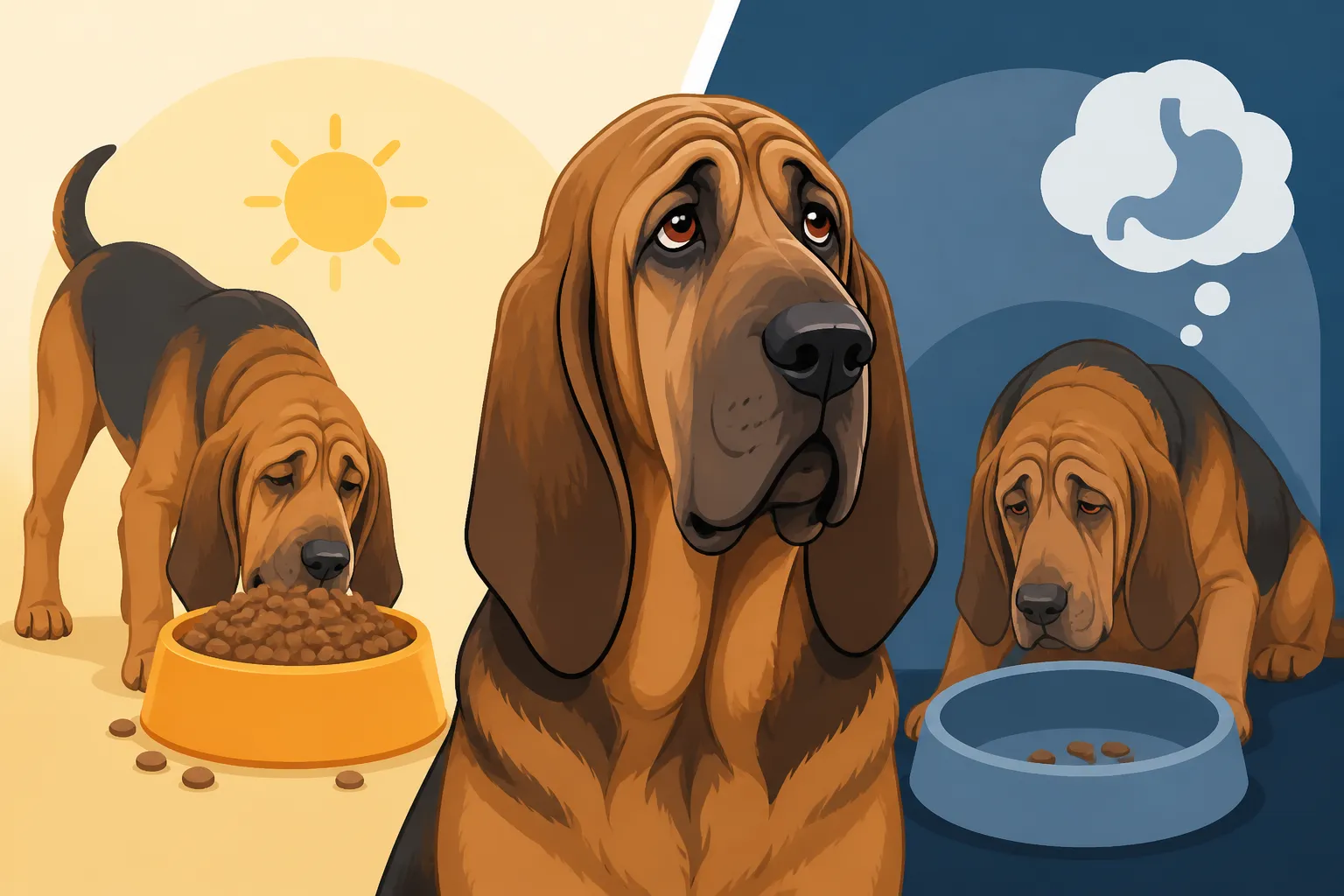
Whether an Old Bloodhound Eats Less
It’s a common moment for Bloodhound owners, that quiet realization that your once food-driven companion isn't diving into their dinner bowl with quite the same gusto. As our beloved, wrinkly friends enter their golden years, it's natural to wonder if a reduced appetite is simply a normal part of aging or if it's a whisper of something more serious. This guide will walk you through the nuances of appetite changes in senior Bloodhounds, helping you understand what's normal, what's a red flag, and how to best support your aging companion.
The Natural Shift in Appetite with Age
Just like us, Bloodhounds experience a variety of physiological changes as they age, and many of these can directly impact their desire and need for food. It’s not always a cause for alarm, but it certainly warrants a closer look and understanding.
Decreased Metabolism and Energy Needs
One of the most significant reasons an older Bloodhound might start eating less is a natural slowdown in their metabolism. Think about it: that tireless puppy energy that demanded constant fuel, or the robust adult strength needed for hours of trailing, isn't quite the same when your Bloodhound reaches their senior years. Aging in a Bloodhound Starts at Six – and with that comes a gradual reduction in activity levels.
Your senior Bloodhound likely spends more time napping, their walks might be shorter and slower, and they probably aren't burning as many calories as they once did. Their body simply doesn't require the same amount of fuel to maintain its weight and energy levels. Overfeeding a less active senior dog can actually lead to unhealthy weight gain, putting stress on their joints and organs. So, a slight decrease in the sheer volume of food consumed can sometimes be a healthy adjustment to their new, more relaxed pace of life. It’s about quality and appropriate quantity, not just filling the bowl to the brim as you might have when they were younger.
Sensory Decline and Food Appeal
Imagine if your favorite meal suddenly lost some of its vibrant taste and appealing aroma. That’s often what happens to our senior Bloodhounds. As they age, it’s common for their senses of smell and taste to diminish. These powerful senses, so vital to a Bloodhound's identity and work, can become less acute over time. A once irresistible bowl of kibble might just not hold the same magnetic draw it used to.
This sensory decline can make food less enticing, leading to a noticeable drop in enthusiasm at meal times. Your dog might sniff their food half-heartedly, take a few bites, and then wander off, not because they're ill, but because the food simply isn't as stimulating or palatable. It's a frustrating situation for owners who are used to a dog that inhales its meals. This can also be compounded if your Bloodhound is starting to experience Whether an Old Bloodhound Loses Its Nose in terms of acuity. Sometimes, small changes like warming up wet food, which releases more aroma, or adding a bit of low-sodium broth can make a huge difference in tempting them to eat.
When "Eating Less" Signals Something More Serious
While some reduction in appetite can be normal, it’s critical to differentiate between a natural age-related slowdown and a symptom of an underlying health problem. Bloodhounds, with their deep chests and often stoic nature, can sometimes hide discomfort well.
Dental Problems and Discomfort
One of the most common, yet often overlooked, reasons for an older Bloodhound to eat less is pain in their mouth. Senior dogs are highly prone to dental issues, including periodontal disease, cracked or broken teeth, and painful abscesses under the gumline. Imagine trying to eat your dinner with a severe toothache – it's no fun!
A Bloodhound suffering from dental pain might approach their food bowl eagerly, only to hesitate or whimper when they try to chew. You might see them drop kibble, chew only on one side of their mouth, or suddenly prefer soft food over hard. Sometimes, they might even produce excessive drool or paw at their mouth. Dental disease isn't just uncomfortable; it can lead to serious systemic health problems if bacteria from the mouth enter the bloodstream. Regular dental check-ups are paramount for senior dogs. Your vet might even suggest a professional cleaning under anesthesia, and if possible, combining it with other necessary procedures. For instance, Whether a Bloodhound's Dental Should Share the Gastropexy Anesthesia is a discussion worth having if your senior dog requires both.
Underlying Medical Conditions
Unfortunately, a decrease in appetite can also be a significant indicator of various medical conditions that are more common in senior Bloodhounds. It’s never a bad idea to be proactive and discuss any changes with your veterinarian, especially if the appetite loss is sudden, severe, or accompanied by other symptoms.
Conditions like kidney disease, liver issues, or even certain types of cancer can manifest with a reduced interest in food. Signs a Bloodhound's Heart Is Failing can also include a lack of appetite, as their body struggles. Digestive problems, such as chronic pancreatitis or inflammatory bowel disease, can cause nausea and discomfort after eating. Furthermore, generalized pain from conditions like arthritis, which can really start to bother a Bloodhound once Whether Arthritis Slows a Bloodhound at Six, might make it uncomfortable for them to stand over a bowl or even move to reach their food. Metabolic issues like Hypothyroidism in a Bloodhound can sometimes affect appetite, though more commonly it causes weight gain. The key here is not to guess but to consult your vet. They can run blood tests, urinalysis, and other diagnostics to pinpoint any health concerns. Early detection and intervention can significantly improve your Bloodhound's quality of life and potentially extend their time with you.
Strategies for Managing a Senior Bloodhound's Appetite
Once you’ve ruled out any serious medical issues with your vet, you can start exploring ways to make mealtime enjoyable and ensure your senior Bloodhound is getting adequate nutrition.
Enhancing Food Appeal and Digestibility
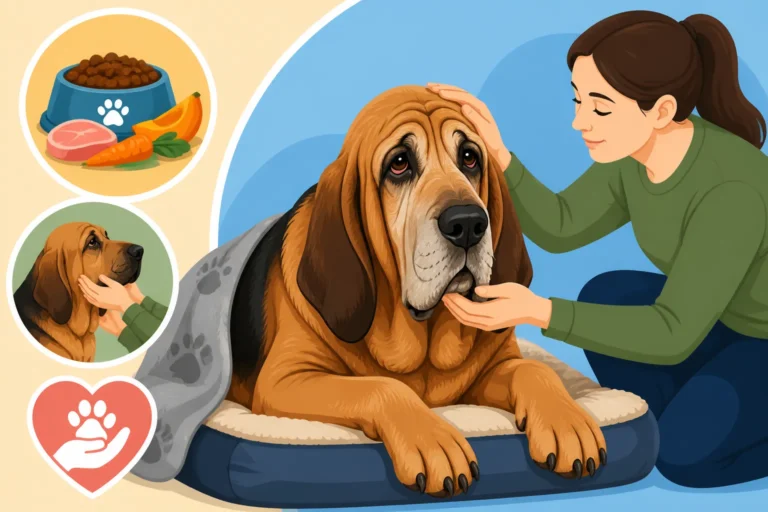
Sometimes, a little creativity goes a long way in tempting a picky senior Bloodhound. Since their senses of smell and taste might be waning, making food more aromatic and palatable can be a game-changer. Try warming up wet food or adding a bit of low-sodium chicken or beef broth to their kibble. The warmth enhances the scent, making it more appealing. You can also experiment with different food textures. If they're struggling with hard kibble, a softer, wet food might be easier on their teeth and gums. Many senior-specific diets are formulated to be more digestible and contain supplements beneficial for aging bodies.
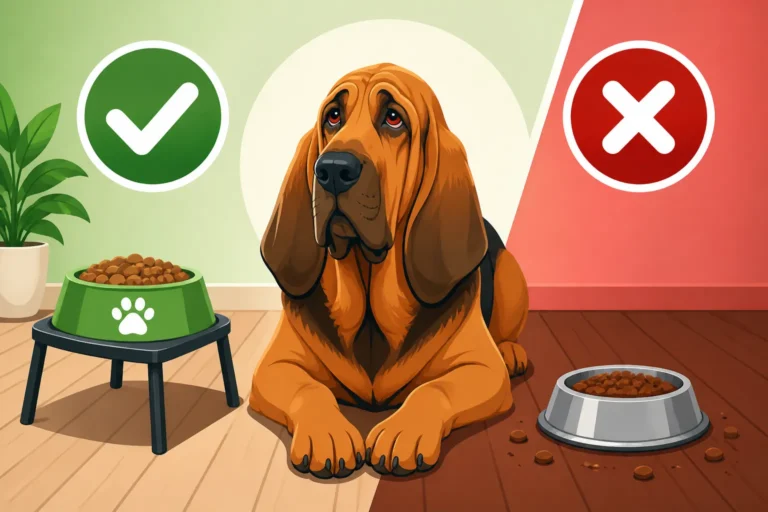
Consider feeding smaller, more frequent meals throughout the day instead of one or two large ones. This can be easier on their digestive system and maintain a steadier energy level. You might also reconsider their eating setup. While there's ongoing debate about elevated bowls and bloat risk for deep-chested breeds, some senior dogs with arthritis or neck pain find it more comfortable to eat from a slightly raised feeder. Whether a Raised Bowl Is Right for a Bloodhound is a conversation to have with your vet, considering individual circumstances. You can find a wide range of senior dog foods and feeding accessories on platforms like Chewy or Amazon, making it easy to try different options. If your Bloodhound is particularly fussy, a fresh food option like Ollie, which often has a stronger natural aroma and softer texture, might be exactly what they need to rekindle their mealtime excitement.
Regular Veterinary Check-ups and Nutritional Adjustments
The single most important strategy for managing a senior Bloodhound’s appetite is maintaining a close relationship with your veterinarian. Senior dogs, generally those The Age a Bloodhound Is Considered Senior, should ideally have veterinary check-ups at least twice a year, as their health can change rapidly. These visits aren't just for vaccinations; they're comprehensive health assessments where your vet can identify subtle changes that might indicate an issue.
During these visits, discuss your Bloodhound's eating habits, any changes in their weight, and their overall energy levels. Your vet can recommend specific senior dog food formulas tailored to their caloric needs and potential health concerns, such as joint support or kidney health. Blood tests can monitor organ function, and regular dental exams can catch problems before they become severe. Don't hesitate to ask about supplements that might help, such as omega-3 fatty acids for joint and cognitive health, or probiotics for digestive support. These discussions are key to understanding What Changes in an Old Bloodhound's Diet and how to adapt accordingly.
Keeping an Eye on Overall Health and Weight
Beyond just what goes into the bowl, it’s vital to consider your senior Bloodhound’s holistic health and how appetite plays into their overall well-being. A healthy appetite, even if it's for smaller portions, reflects good health.
Monitoring Weight and Body Condition
While it might seem counterintuitive, both excessive weight loss and unhealthy weight gain can be detrimental to an aging Bloodhound. Weight loss could signal an underlying illness or inadequate calorie intake for their needs. Conversely, carrying too much weight puts enormous strain on their joints, already susceptible to issues like arthritis, and exacerbates conditions like heart disease. You can't just judge by how much they're eating; you need to assess their body condition regularly.
Feel your Bloodhound's ribs – you should be able to feel them easily without seeing them prominently. Their waist should tuck in slightly when viewed from above. If their ribs are difficult to feel or they've lost their waistline, they're likely overweight. If their ribs are very prominent or their hips jut out, they might be underweight. Regular weigh-ins at home (if you have a large enough scale!) or at your vet’s office are invaluable. Adjusting their food intake based on their body condition score, rather than just their appetite, is a crucial part of senior care. Understanding How Much an Adult Bloodhound Eats in their prime can help you gauge the decline for a senior, but remember, the senior needs less.
Adapting Exercise and Mental Stimulation
Even if your senior Bloodhound is eating less, appropriate exercise and mental stimulation remain incredibly important for their physical and mental health. A lack of activity can further reduce appetite and lead to lethargy and muscle loss. While their days of long, strenuous trails might be behind them, gentle, consistent exercise is still beneficial.
Think about short, frequent walks rather than one long trek. These can help maintain muscle mass, keep their joints mobile, and stimulate their appetite. Scent work, a Bloodhound's natural calling, can be adapted to their senior pace. Short, indoor "find it" games or slow, easy outdoor trails can engage their incredible nose without overtaxing their body. Whether an Old Bloodhound Loses Its Nose might be a concern, but their scenting abilities are usually well-preserved and can provide excellent mental enrichment. Puzzle toys that dispense treats can also keep their minds sharp and encourage them to eat slowly. The goal is to keep them engaged and comfortable, supporting their appetite and overall vitality as they enjoy their well-deserved golden years.
| Appetite Change | Normal Aging Sign | Potential Health Concern (Vet Visit Recommended) |
|---|---|---|
| Slight Decrease in Volume | Yes, if activity also decreased; dog maintains good body condition. | No, if dog is rapidly losing weight or seems unwell. |
| Picky Eating / Disinterest | Yes, if food doesn't smell or taste as strong; dog eventually eats. | Yes, if refusing multiple meals, showing signs of pain, or vomiting. |
| Slower Eating | Yes, if due to general slowing down or mild joint stiffness. | Yes, if accompanied by dropping food, whimpering, or excessive drooling. |
| Weight Loss | No, weight should be stable or managed by diet adjustment. | Yes, significant or rapid weight loss is always a concern. |
| Changes in Stool | No, consistent stool usually indicates good digestion. | Yes, diarrhea, constipation, or abnormal stool consistently. |
| Accompanying Symptoms | No other symptoms. | Vomiting, lethargy, coughing, excessive thirst, pain, behavior changes. |
Disclaimer
This article is for general informational purposes only and does not constitute professional advice. Laws, prices and regulations vary by location and change over time. Consult a qualified professional for guidance on your specific situation.