The Age a Bloodhound Reaches Full Weight
Watching your Bloodhound puppy grow is an incredible journey, but it’s easy to feel a little lost wondering when they'll finally stop growing and fill out into that majestic, wrinkled adult you envision. Many new owners are surprised by how long it truly takes for these gentle giants to reach their mature size, often worrying if their gangly adolescent is growing "correctly." This guide is here to shed light on the typical growth timeline for Bloodhounds, helping you understand when your furry companion will officially reach their full weight and what to expect along the way.
Understanding Your Bloodhound's Growth Journey
It’s natural to watch your Bloodhound puppy balloon in size during its first few months, sometimes gaining several pounds a week! But don't let those early growth spurts fool you into thinking they'll be done by their first birthday. Bloodhounds, like many large and giant breeds, have a prolonged developmental period. They aren't just growing taller; their bones, muscles, and internal organs all need time to mature, and rushing this process can actually lead to problems down the road.
The Marathon, Not a Sprint: Why Bloodhounds Grow Slowly
Unlike smaller breeds that might reach their adult weight by six to ten months, Bloodhounds are in it for the long haul. Their large frame requires a steady, gradual growth to ensure that their joints and skeletal structure can support their eventual mass. Imagine building a huge skyscraper; you don't just throw all the floors up at once! You lay a strong foundation, build slowly, and reinforce as you go. That's essentially what your Bloodhound's body is doing. This slower pace helps prevent undue stress on developing growth plates and can contribute to better long-term joint health. If you've ever wondered Why a Bloodhound Dies Younger Than Its Size Predicts, part of managing their health involves understanding and supporting their unique growth patterns.
For an owner, this means patience is key. You'll see them get taller first, sometimes looking quite lanky and awkward. Then, they'll start to fill out in muscle and girth. It's a two-stage process: first height, then weight. This can be a bit frustrating when you're eager to see your dog in its full glory, but it's crucial for their health.
When Does "Full Grown" Actually Happen?
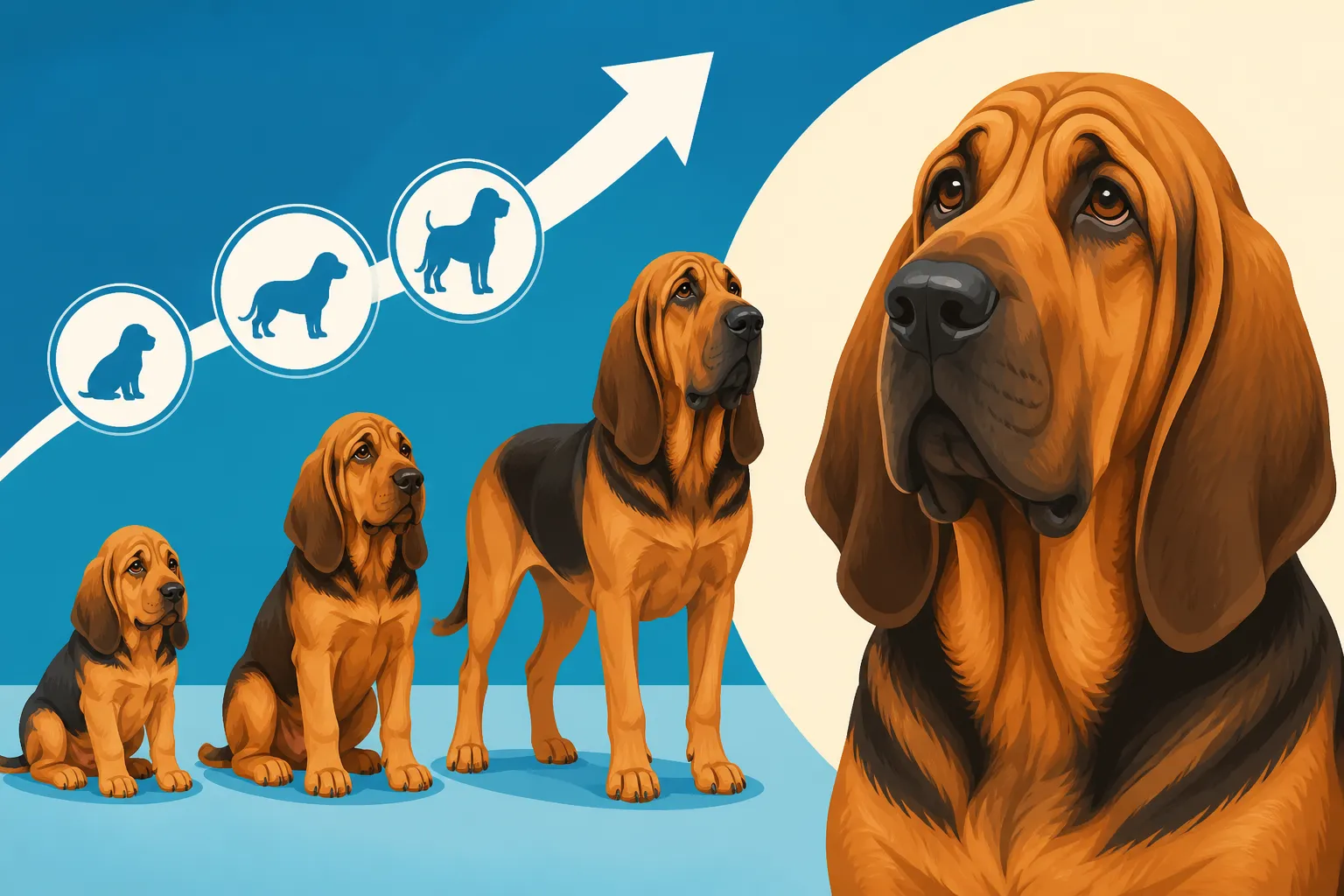
So, to answer the burning question: a Bloodhound typically reaches its full height around 12 to 18 months of age, but they won't usually reach their full weight and mature musculature until they are between 18 months and 2 years old. Some Bloodhounds, especially larger males, might even continue to slowly fill out and mature up until their third birthday. This is why you'll often hear experienced Bloodhound owners talk about their "two-year-old puppy" – they still have some filling out to do!
It's a common misconception that once a dog is a year old, they're fully grown. For a Bloodhound, that's simply not true. At 12 months, your Bloodhound might look like a full-sized dog, but they'll likely still be on the lean side, without the full chest depth and muscle mass of a mature adult. Think of them as a tall teenager who still needs to broaden their shoulders and develop their adult physique. This extended growth phase is perfectly normal and a hallmark of the breed.
Distinguishing Height vs. Weight Maturity
It’s important to differentiate between when your Bloodhound achieves its adult height and when it reaches its mature weight. As mentioned, most Bloodhounds will hit their final height by about 12-18 months. You'll notice they've stopped growing upwards, but they'll still look quite leggy and perhaps a bit thin for their frame. This is entirely normal.
The filling out, the broadening of the chest, the development of dense muscle, and the settling of their skin into those glorious wrinkles – that's the part that takes longer. This is why you might see a 15-month-old Bloodhound who looks tall but isn't quite as imposing or substantial as a 2.5-year-old. This second phase of growth is where they gain the bulk and weight that defines the adult Bloodhound physique. During this period, it's especially important to ensure they maintain a healthy, lean body condition, as excessive weight can strain developing joints. This slow development ties into why understanding The Age a Bloodhound Is Considered Senior means acknowledging their longer maturation period.
Factors Influencing Your Bloodhound's Final Size
While there's a general timeline, several factors can influence exactly when your Bloodhound reaches its full weight and what that final weight will be. It's not just a cookie-cutter process; each dog is an individual, even within the same breed.
Genetics: The Blueprint from Their Parents
The most significant factor in your Bloodhound's ultimate size and the timeline for achieving it is genetics. Think about it: your puppy inherited a blueprint from its parents. If both parents are on the larger side of the breed standard, your puppy is likely to follow suit. Conversely, if the parents are smaller, your dog might mature a bit earlier and end up closer to the lower end of the weight range for the breed. Knowing the size and growth history of your puppy's parents and even grandparents can give you a good indication of what to expect. This is one of the reasons why reputable breeders provide health clearances and often share information about the lineage. Understanding What an Adult Male Bloodhound Weighs and What an Adult Female Bloodhound Weighs can give you a good benchmark against their parents' sizes.
Sometimes, even within the same litter, there can be size variations. A particularly large male pup might take longer to fill out than his smaller sister. It's all part of the genetic lottery, but the general pattern of extended growth remains consistent for the breed.
Nutrition: Fueling Healthy, Steady Growth
Proper nutrition during growth is paramount for a Bloodhound. It’s not about feeding them as much as possible to make them bigger, but rather providing a balanced diet that supports steady, healthy development. Overfeeding a growing Bloodhound, especially with puppy foods that are too high in calories and certain minerals, can lead to excessively rapid growth. This rapid growth puts immense stress on their developing bones and joints, making them more susceptible to conditions like Hip and Elbow Dysplasia in the Bloodhound.
Many vets and breeders recommend feeding large-breed puppy formulas, which are specifically formulated with lower calcium and phosphorus levels and appropriate calorie counts to promote slower, more controlled growth. The goal is to reach their genetic potential for size, not to exceed it artificially. When considering food options, you might look at brands available on Chewy or Amazon that cater to large breed puppies. Some owners even opt for fresh food diets like those offered by Ollie, carefully formulated for growing giants, after consulting with their veterinarian. Make sure you're following appropriate feeding guidelines and monitoring their body condition closely. We also have a great article on Whether Overfeeding a Bloodhound Puppy Harms Its Joints.
Spay/Neuter Timing and Growth Plate Closure
The timing of spaying or neutering can also play a role in how your Bloodhound matures, particularly concerning their skeletal development. Studies suggest that sex hormones (estrogen and testosterone) play a role in the closure of growth plates, which are areas of cartilage at the end of long bones responsible for growth. When a dog is spayed or neutered before these growth plates have naturally closed, it can delay their closure, leading to longer limbs and a taller, lankier frame.
While there are many factors to consider when deciding on spay/neuter timing, it's worth discussing with your vet how it might impact your Bloodhound's final conformation. Some owners of giant breeds opt to wait until their dog is more skeletally mature, often past 18 months or even closer to two years, to allow for full growth plate closure before altering. This decision should always be made in consultation with your veterinarian, weighing the pros and cons for your individual dog and lifestyle.
Navigating the Adolescent Bloodhound Phase
The adolescent phase is perhaps the trickiest part of a Bloodhound's growth journey. They're no longer tiny pups, but they're not quite adults either. This period, usually from about 6 months to 18-24 months, is characterized by a lot of physical and mental changes.
The Gangly Stages: When They Look a Bit Awkward
If you've ever seen a teenage human who seems to be all arms and legs, you'll understand the Bloodhound's gangly phase perfectly. From about 6 months to 12-15 months, your Bloodhound might look a bit disproportionate. Their legs seem too long for their body, their chest hasn't fully dropped, and they might even have a slightly roach-backed appearance as they grow unevenly. This is completely normal and just part of their developmental process.
During this time, their coordination might not be the best, leading to clumsy moments and unexpected tumbles. Don't worry, they will grow into their bodies! This stage requires understanding and patience from you. It's also a time when you might notice that while they're growing quickly in height, their weight gain is still catching up, contributing to that lanky look.
Keeping Them Lean: Avoiding Overfeeding During Growth
This bears repeating because it's so critical for a Bloodhound: keeping your growing dog on the lean side is one of the best things you can do for their long-term health. It's tempting to want to "fill them out" when they look thin and leggy, but excess weight on developing joints is a recipe for disaster. You should be able to easily feel their ribs without pressing hard, and they should have a discernible waist when viewed from above.
Your veterinarian can help you assess your Bloodhound's body condition score. If you're feeding a good quality large breed puppy food, follow the guidelines on the bag but adjust as necessary based on your dog's individual needs and activity level. Remember, the guidelines are just a starting point. Feeding multiple smaller meals a day can also aid digestion and metabolism, which is something we discuss in How Many Meals a Day a Bloodhound Should Eat. Some owners swear by using slow feeder bowls for their growing pups, which can be found on Amazon or at specialty pet stores. Maintaining a lean physique as they grow will significantly reduce the risk of future joint issues.
Exercise Considerations for Growing Joints
During this extended growth period, especially when they are in their gangly phase and still developing bone and cartilage, exercise needs careful consideration. While Bloodhounds need regular exercise to burn off energy and stay mentally stimulated, high-impact activities should be limited. This means no long-distance running, intense agility work, or excessive jumping until they are fully mature, typically around 18-24 months.
Instead, focus on moderate, consistent exercise like leash walks, supervised playtime in a secure yard, and scent work. Bloodhounds adore using their noses, and a good scenting session can be far more tiring and mentally stimulating than a long run, without putting stress on their joints. You can introduce them to scent games early on; it's wonderful for their developing minds and bodies. Too much strenuous exercise too soon can exacerbate potential joint problems like Hip Dysplasia in a Bloodhound or Elbow Dysplasia in a Bloodhound.
Supporting Optimal Development for a Lifetime of Health
Your Bloodhound's growth journey is a marathon, not a sprint, and your role as their caretaker is crucial in supporting their healthy development. Beyond diet and exercise, a proactive approach to their health care will set them up for a long and happy life.
Regular Vet Checks and Growth Monitoring
Consistent veterinary check-ups are vital during your Bloodhound's growth phase. Your vet can monitor their weight, assess their body condition, and ensure they are growing at an appropriate rate. They can also advise on nutritional needs, exercise protocols, and the best timing for vaccinations and deworming. Don't hesitate to ask questions about your Bloodhound's specific growth trajectory. If you're concerned about how fast your puppy should be growing, or if you feel your Bloodhound isn't gaining weight as expected, your vet is your best resource. Early intervention for any potential issues is always ideal. Your vet will be able to tell you How Fast a Bloodhound Puppy Should Grow and if your pup is on the right track.
| Age (Approx.) | Male Bloodhound Weight Range | Female Bloodhound Weight Range | Key Development Stages |
|---|---|---|---|
| 2 Months | 25-35 lbs | 20-30 lbs | Rapid growth, baby fat |
| 4 Months | 50-65 lbs | 40-55 lbs | Rapid height gain, still chunky |
| 6 Months | 75-90 lbs | 60-75 lbs | Tall, often gangly, losing puppy fat |
| 9 Months | 90-110 lbs | 70-90 lbs | Nearing full height, very lean |
| 12 Months | 100-120 lbs | 80-100 lbs | Full height, starting to fill out |
| 18 Months | 110-130 lbs | 90-110 lbs | Significant muscle/chest development |
| 24 Months | 110-140+ lbs | 90-120 lbs | Nearing full adult weight and maturity |
| 30-36 Months | 110-140+ lbs | 90-120 lbs | Fully mature, dense musculature |
Note: These ranges are approximate and can vary widely based on individual genetics and build. Always consult your veterinarian for specific guidance on your dog's health and weight.
Transitioning to Adult Food: When and How
Because Bloodhounds mature slowly, they often stay on large-breed puppy food for longer than other breeds. Most will transition to an adult formula between 12 and 18 months, but some might benefit from staying on puppy food a bit longer if they are still quite lean and actively growing. Your vet can help you determine the optimal time for this transition.
When you do switch, do it gradually over 7-10 days to avoid upsetting their stomach. Mix a small amount of the new food with their old food, slowly increasing the proportion of new food each day. Look for adult formulas that are appropriate for large or giant breeds, focusing on quality protein sources and a balanced nutrient profile. Keeping them on a high-quality diet will support them through this final stage of filling out. You'll find a wide variety of suitable options on online stores like Chewy and Amazon, making it convenient to find the right nutrition for your growing hound.
Understanding Breed-Specific Health Concerns Related to Growth
The Bloodhound's prolonged growth period, combined with their deep chest and unique conformation, makes them susceptible to certain health concerns that owners need to be aware of. One of the most serious is bloat, or Gastric Dilatation-Volvulus (GDV). While not directly a growth-related issue, managing their diet during growth and preventing rapid eating can help mitigate risk. You can learn more about this in Bloat Is What Kills Most Bloodhounds.
Joint health, as mentioned, is another major concern. Hip and Elbow Dysplasia in the Bloodhound are inherited conditions that can be influenced by growth rate and nutrition. By feeding an appropriate large-breed diet, avoiding overfeeding, and limiting high-impact exercise during growth, you are taking proactive steps to minimize their risk.
Being informed about these breed-specific challenges allows you to be a proactive and responsible Bloodhound owner, ensuring your magnificent companion grows into a healthy, strong, and long-lived adult. Even after they reach their full weight, their care journey continues, but understanding and nurturing their unique growth process is a huge part of setting them up for success.
Disclaimer
This article is for general informational purposes only and does not constitute professional advice. Laws, prices and regulations vary by location and change over time. Consult a qualified professional for guidance on your specific situation.