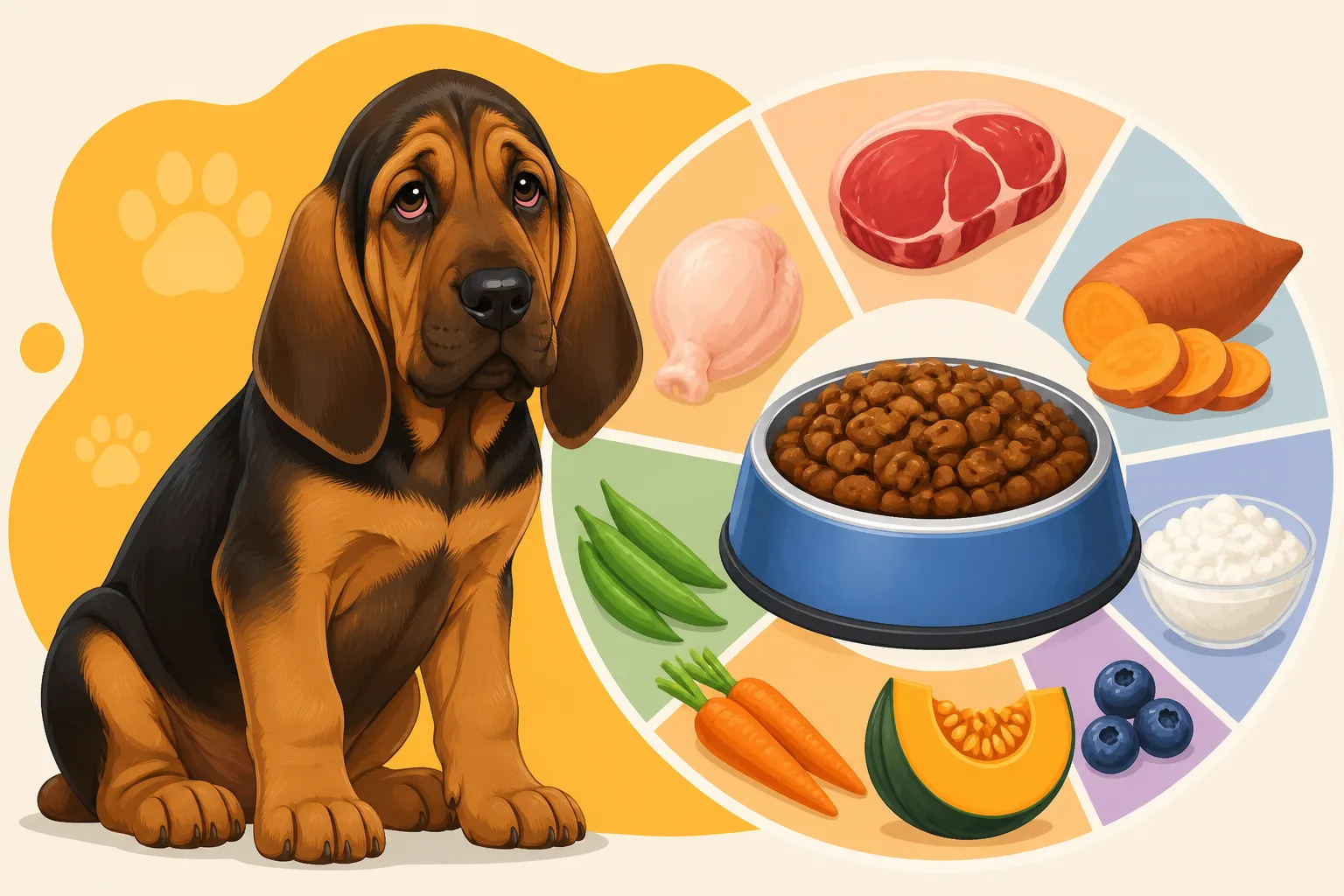
What a Bloodhound Puppy Eats at Four Months
Bringing home a four-month-old Bloodhound puppy is an absolute whirlwind of joy, boundless energy, and often, a touch of panic. These magnificent bundles of wrinkles and enthusiasm grow at an astonishing rate, and knowing you’re providing them with the right nutrition at this critical stage can feel like an immense responsibility. Many owners worry constantly about feeding too much, too little, or the wrong kind of food, fearing they might inadvertently cause future health problems. This comprehensive guide is here to meticulously demystify what and how to feed your four-month-old Bloodhound puppy, ensuring they develop into a healthy, robust companion.
The Unique Nutritional Demands of a Growing Bloodhound Puppy
At four months old, your Bloodhound puppy is in a period of intense growth and development. They’re not just getting bigger; their bones are lengthening, their muscles are strengthening, and their organs are maturing. This rapid expansion, particularly in a large and heavy breed like the Bloodhound, means their nutritional needs are distinct and specific. It’s not simply a matter of feeding them more; it’s about feeding them right.
Rapid Growth and Joint Development
One of the most critical aspects of a Bloodhound puppy's diet at this age is supporting healthy skeletal development. Their bones are growing at an incredible pace, laying the foundation for their massive adult size. This rapid growth spurt makes them particularly vulnerable to developmental orthopedic diseases, such as hip and elbow dysplasia. The balance of calcium and phosphorus in their diet is absolutely paramount. Too much calcium, for instance, can be just as detrimental as too little, leading to abnormal bone formation and increasing the risk of joint issues later in life.
This is why feeding a general "all life stages" food, or one designed for smaller breeds, simply won't cut it. Bloodhound puppies require a diet specifically formulated for large and giant breeds. These formulas are designed with controlled levels of calcium and phosphorus, and often a slightly lower calorie density, to promote a steady, rather than explosive, growth rate. A slower, more consistent growth curve helps to ensure that their bones and joints mature properly without being subjected to undue stress from carrying too much weight too quickly. We want strong, healthy bones, not fast-growing, fragile ones. This careful balance is key to giving your puppy the best chance at a long, comfortable life, minimizing the likelihood of conditions like Hip and Elbow Dysplasia in the Bloodhound. Many experienced Bloodhound owners will tell you that paying attention to these details now can save a lot of heartache (and vet bills!) down the line.
Boundless Energy and Training Needs
If you've spent any time with a four-month-old Bloodhound, you know they possess an almost limitless supply of energy. They're constantly exploring, chewing, playing, and learning. All this activity demands a significant amount of energy from their food. Their diet needs to provide a steady supply of calories from high-quality protein and healthy fats to fuel these adventures and support their muscle development.
This isn't just about physical activity, though. Four months is also a prime time for training and socialization. Your puppy is a sponge, soaking up every new experience and command. Food plays a crucial role here, not just as fuel, but often as a motivator. High-value training treats are invaluable for positive reinforcement, helping your Bloodhound learn crucial commands like "sit," "stay," or even just walking politely on a leash. While their primary meals provide foundational nutrition, judiciously chosen treats can be a powerful tool in shaping their behavior and building a strong bond with you. Just remember, these treats need to be factored into their daily calorie intake to avoid overfeeding.
Digestive System Maturation
At four months, a Bloodhound puppy's digestive system is still maturing. While they are past the most delicate newborn stage, they can still have sensitive stomachs. Sudden changes in diet, poor quality ingredients, or overfeeding can easily lead to digestive upset, manifesting as diarrhea, vomiting, or excessive gas – none of which are fun for anyone involved! This sensitivity underscores the importance of consistency in their diet.
It's vital to transition new foods gradually, mixing increasing amounts of the new food with decreasing amounts of the old over several days to a week. This allows their gut microbiome to adjust and helps prevent digestive distress. Opting for a reputable brand of large breed puppy food with easily digestible ingredients can also make a significant difference. Pay attention to how your puppy reacts to different foods; every dog is an individual. What works beautifully for one Bloodhound might not agree with another. Your goal is a happy, healthy puppy with firm, consistent stools – the ultimate sign of a well-functioning digestive system.
Selecting the Ideal Diet for Your Four-Month-Old Bloodhound
Choosing the right food for your four-month-old Bloodhound can feel like navigating a maze of marketing claims and conflicting advice. The sheer volume of options on platforms like Chewy and Amazon alone can be overwhelming! However, understanding a few key principles will empower you to make an informed decision that supports your puppy's unique needs.
Why Large Breed Puppy Formulas Matter
This isn't just a marketing gimmick; large breed puppy formulas are genuinely different and crucial for Bloodhounds. As discussed, the primary difference lies in the carefully controlled mineral content, particularly calcium and phosphorus. Excessive calcium, often found in regular puppy foods or even adult dog foods, can disrupt the delicate balance needed for proper bone growth in rapidly growing large breeds. It can lead to conditions like osteochondritis dissecans (OCD) and exacerbate the risk of hip and elbow dysplasia.
Beyond mineral content, large breed puppy foods often have a slightly lower caloric density. This is not to restrict growth, but to regulate it. We want steady, strong growth, not quick, uncontrolled weight gain that puts undue stress on developing joints. These foods are typically packed with high-quality protein to support muscle development and include beneficial ingredients like DHA for brain and eye development, and often glucosamine and chondroitin for joint support, even at this early age. Brands like Royal Canin, Eukanuba, and Purina Pro Plan often have excellent large breed puppy lines that many Bloodhound owners trust. You'll want to aim for a food that provides around 23-26% protein and 12-15% fat, with calcium levels typically between 0.9-1.5% and phosphorus around 0.7-1.2%, always ensuring the calcium-to-phosphorus ratio is within the ideal range (usually 1.1:1 to 1.5:1).
Key Ingredients to Look For and Avoid
When you're reading those ingredient labels, it's easy to get lost. But for your Bloodhound puppy, focus on a few key indicators of quality. The first ingredient should always be a named animal protein source, like "chicken meal," "deboned salmon," or "lamb." Not "meat meal" or "poultry by-product" as the primary protein. These provide the essential amino acids crucial for muscle, tissue, and organ development.
Healthy fats, often listed as chicken fat, salmon oil, or flaxseed, are important for energy, skin and coat health, and brain development. Omega-3 fatty acids, especially DHA, are particularly beneficial for cognitive function and vision. Look for digestible carbohydrates like brown rice, oats, barley, or sweet potatoes. While grain-free diets gained popularity, current veterinary science suggests that unless your dog has a diagnosed grain allergy, grain-inclusive diets are generally safe and often provide necessary nutrients. The concern linking some grain-free diets to dilated cardiomyopathy in certain breeds has made many owners and vets cautious. Whether a Bloodhound Gets Dilated Cardiomyopathy is a legitimate concern for any large breed owner, and diet can play a role.
What to avoid? Excessive fillers like corn gluten meal or soybean meal high up on the ingredient list, artificial colors, flavors, and preservatives. While some by-products can be nutritious, anonymous "meat by-products" as a primary ingredient might indicate lower quality. Also, be wary of foods with extremely high protein levels (over 30% for a large breed puppy), as some research suggests this can also contribute to overly rapid growth. It's a fine line to walk, but prioritizing quality, digestibility, and appropriate nutrient balance is the way to go.
Wet vs. Dry Food Considerations
The debate between wet and dry food is ongoing, and many owners opt for a combination. Dry kibble is usually the foundation of a Bloodhound puppy's diet for several reasons. It's typically more cost-effective, easier to store, and the crunchy texture can help scrape away tartar from teeth, promoting dental health. However, its lower moisture content means you need to ensure your puppy always has access to plenty of fresh water.
Wet food, on the other hand, offers superior hydration, which is a big plus for any dog, and can be much more palatable for a picky eater. The aroma and texture can be very appealing. Some owners consider fresh-cooked options like Ollie as a way to provide high-quality, palatable meals. The downside is that wet food is generally more expensive, less calorie-dense, and doesn't offer the same dental benefits as kibble.
A balanced approach often works best: a high-quality large breed puppy kibble as the main meal, perhaps with a spoonful or two of wet food mixed in to entice picky eaters or add a boost of hydration. This gives your puppy the best of both worlds without breaking the bank or sacrificing essential nutrition. Remember, any food you choose, whether wet or dry, should be specifically formulated for large breed puppies.
Crafting a Consistent Feeding Schedule and Environment
Consistency is your best friend when it comes to feeding a Bloodhound puppy. Not only does it help with house training and developing good habits, but for Bloodhounds, it's a crucial part of managing their health, especially concerning the risk of bloat. Bloat Is What Kills Most Bloodhounds, and managing meal times is one of your best preventative tools.
Daily Portion Sizes
Determining the exact portion size for your four-month-old Bloodhound puppy isn't an exact science, but rather a combination of guidelines and observation. The feeding instructions on your chosen large breed puppy food bag are a great starting point, but they are just guidelines. Factors like your puppy's individual metabolism, activity level, and growth rate will influence how much they truly need. It's also important to remember that these charts are typically based on an average puppy, and Bloodhounds are certainly not average!
Instead of rigidly sticking to the bag's recommendations, use them as a baseline and adjust based on your puppy's body condition. You should be able to feel their ribs easily, but not see them prominently. They should have a noticeable waist tuck when viewed from above, and their belly shouldn't be distended after meals. A lean puppy is a healthier puppy, especially when growing rapidly, as it reduces stress on their developing joints. Keeping a Bloodhound Lean on Purpose is a strategy many seasoned owners employ. Your veterinarian is your best resource for personalized advice on portion control and assessing your puppy's ideal body condition. They can help you fine-tune the amount as your puppy grows and changes.
Frequency of Meals
For a four-month-old Bloodhound puppy, three meals a day is ideal. This is crucial for several reasons. Firstly, it provides a steady supply of nutrients and energy throughout the day, supporting their continuous growth and high activity levels. Smaller, more frequent meals are easier for their still-developing digestive system to process, reducing the likelihood of upset.
Secondly, and perhaps most importantly for Bloodhounds, feeding multiple smaller meals helps to mitigate the risk of bloat (gastric dilatation-volvulus or GDV). Why a Bloodhound's Chest Shape Causes Bloat is a well-known risk factor for the breed. Large meals can cause the stomach to expand excessively, increasing the chances of it twisting. By splitting their daily ration into three meals – typically morning, midday, and evening – you reduce the volume of food in the stomach at any one time. This strategy, combined with rest periods before and after eating, is a cornerstone of bloat prevention. Avoid letting your puppy gulp down a huge single meal; it’s simply too risky for this breed.
Setting Up a Calm and Consistent Feeding Environment
A peaceful and predictable feeding environment is more beneficial than you might realize. Designate a specific, quiet spot for your puppy's meals, away from household chaos, other pets, or boisterous children. This helps your puppy feel secure and allows them to eat without stress, which can aid digestion. Whether Stress at Mealtime Matters for a Bloodhound is not just about their emotional state; it can physically impact their ability to digest food properly.
Use a sturdy, clean food bowl that is appropriate for their size. Some Bloodhound owners opt for bowls specifically designed to keep those long, floppy ears out of the food, or they might use a snood – a fabric tube that keeps the ears pulled back while eating. What a Snood Does for a Bloodhound is more than just a fashion statement; it prevents ears from dragging in food and water, reducing mess and potential ear infections. Elevated bowls were once popular for large breeds to prevent bloat, but more recent research, including studies like What the Purdue Bloat Study Found About Bloodhounds, suggests they might actually increase bloat risk for some deep-chested breeds. It's generally recommended to feed from ground level bowls for Bloodhounds.
Most importantly, establish a routine. Feed them at roughly the same times each day. After meals, enforce a mandatory rest period of at least an hour, if not two. This means no strenuous exercise, roughhousing, or excessive drinking right after eating. This quiet time is vital for digestion and further reduces the risk of bloat.
| Meal Time | Approximate Portion | Activity Before/After | Rationale |
|---|---|---|---|
| Morning | 1/3 daily ration | Quiet time, potty break before; 1-2 hr rest after | Fuels morning energy, easy digestion |
| Midday | 1/3 daily ration | Play/training before; 1-2 hr rest after | Sustains energy through afternoon, bloat prevention |
| Evening | 1/3 daily ration | Quiet activity before; 1-2 hr rest after, then bedtime | Last meal, ensures overnight comfort, bloat prevention |
Note: Daily ration amounts will vary by food brand and your puppy's individual needs. Always start with bag guidelines and adjust.
Troubleshooting Feeding Hurdles and Ensuring Optimal Health
Even with the best intentions and the perfect food, owning a Bloodhound puppy will inevitably present some feeding challenges. These dogs have big personalities, and their appetites can sometimes be as unique as their incredible noses. Knowing how to navigate these common hurdles can save you a lot of worry.
The Finicky Eater
It might sound strange to think of a Bloodhound, a breed known for its robust appetite, as a finicky eater, but it happens! Some Bloodhound puppies can be surprisingly particular about their food. They might turn their nose up at a new kibble, or suddenly decide they don't like their old favorite. Before you panic, rule out any underlying health issues with a quick call to your vet. If medically cleared, remember that a healthy puppy won't starve itself.
Often, finicky eating can be exacerbated by owners who unintentionally create the problem. Offering too many options, free-feeding (leaving food out all day), or immediately switching foods at the first sign of disinterest can teach your puppy that holding out means better food is coming. Instead, offer the meal for 15-20 minutes. If they don't eat it, pick it up and offer nothing else until the next scheduled mealtime. Don't add tempting toppers every meal, or they'll start expecting it. Your Bloodhound puppy should learn that mealtime is when food is available, and if they miss it, they wait until the next one. This consistency can be tough love, but it teaches them to eat when food is offered and helps establish a healthy routine. Just ensure they are getting enough water throughout the day.
Monitoring Weight and Body Condition
Your four-month-old Bloodhound puppy is growing at an alarming rate, and it's easy to lose track of whether they're gaining weight appropriately. Regularly monitoring their body condition is far more important than just watching the number on the scale. As we’ve discussed, a lean body condition is preferable for large breeds to protect their developing joints.
Here’s a quick guide to assessing body condition:
- Ribs: You should be able to easily feel your puppy’s ribs when you run your hands along their side, without pressing hard. You shouldn't be able to see them protruding sharply, but they shouldn't be hidden under a thick layer of fat either.
- Waist: When looking down at your puppy from above, you should see a discernible "waist" where their body tapers in slightly behind the ribs.
- Tuck-Up: From the side, their abdomen should tuck up slightly behind the rib cage, not hang low or appear distended.
If your puppy looks too thin, you might need to slightly increase their portion size or consider a more calorie-dense food (still a large breed formula!). If they look a bit too chunky, reduce portions slightly and increase appropriate, low-impact exercise. Remember, Whether Overfeeding a Bloodhound Puppy Harms Its Joints is a very real concern. Consulting your vet for their objective assessment is always a good idea, as they can help you interpret what you’re seeing and provide tailored advice.
Treats and Supplements
Treats are an invaluable tool for training and bonding with your Bloodhound puppy, but they need to be chosen wisely and given in moderation. Opt for small, high-value treats, especially during training sessions. Keep them healthy: small pieces of cooked chicken, cheese, or commercially available training treats with limited ingredients are often good choices. Just remember that treats contribute to their daily caloric intake, so adjust their meal portions accordingly to avoid overfeeding. A good rule of thumb is that treats should make up no more than 10% of their daily calories.
Regarding supplements, if your Bloodhound puppy is on a high-quality, complete, and balanced large breed puppy food, additional supplements are generally unnecessary and can sometimes even be harmful. For example, adding extra calcium can upset the delicate calcium-to-phosphorus balance and negatively impact bone development. Reputable commercial puppy foods are formulated to provide everything your growing Bloodhound needs. However, there are exceptions. If your vet diagnoses a specific deficiency or condition, they might recommend supplements like omega fatty acids for skin and coat health, or a joint supplement if there's a predisposition to orthopedic issues. Always discuss any potential supplements with your veterinarian before adding them to your puppy’s diet. Don't self-prescribe; your vet knows your individual puppy best.
Disclaimer
This article is for general informational purposes only and does not constitute professional advice. Laws, prices and regulations vary by location and change over time. Consult a qualified professional for guidance on your specific situation.