How Long Before Exercise a Bloodhound Should Eat
One of the most terrifying realities of owning a Bloodhound is the constant, gnawing fear of bloat, or Gastric Dilatation-Volvulus (GDV). This isn't just an upset tummy; it's a life-threatening emergency that can strike with alarming speed, and one of the biggest triggers many owners worry about is the timing of meals around exercise. It's a frustrating tightrope walk trying to ensure your scent-driven companion gets enough activity without putting them at undue risk. This comprehensive guide will walk you through exactly how long before exercise your Bloodhound should eat, offering practical advice to help you minimize the dangers and feel more confident in your daily routine.
Understanding the Bloat Risk in Bloodhounds
Let's be brutally honest: Bloodhounds are beautiful, loving, and utterly dedicated, but they come with a significant predisposition to a health crisis that can turn a normal day into a frantic, heart-pounding dash to the emergency vet. This isn't just bad luck; it's often rooted in their very anatomy and a touch of genetics. Understanding why they are so susceptible is the first step in protecting them.
Why Bloodhounds Are Prone to Bloat
Bloodhounds, like many other large and giant breeds, possess a deep, narrow chest cavity. This unique body shape, while magnificent to behold, sadly puts them at a much higher risk for bloat. Think of it like a bowling pin with a thin base – it's more prone to twisting. Their stomach, unrestrained within that spacious cavity, has more room to flip or rotate on its axis if it's full of food, liquid, or gas. It's a grim reality that Bloat Is What Kills Most Bloodhounds, and our beloved hounds are unfortunately near the top of that list. This isn't something you can easily breed out or ignore; it's a fundamental aspect of their physiology that we, as owners, must constantly be aware of and proactively manage.
Beyond their conformation, there are other contributing factors that compound the risk. Rapid eating, gulping down air with food, drinking large amounts of water immediately after eating or exercising, and high-stress situations can all play a role. Some studies even suggest a genetic component, so if your Bloodhound's relatives have experienced bloat, their risk might be even higher. The reality is, every Bloodhound owner lives with this lurking fear, and taking preventative measures around meal and exercise times becomes a daily, non-negotiable part of their care.
The Mechanics of Gastric Dilatation-Volvulus GDV
To truly grasp the danger, it helps to understand what's happening inside your dog when bloat strikes. GDV occurs in two stages, often simultaneously or in rapid succession. First, the stomach distends, or dilates, filling rapidly with gas, food, and fluid. This pressure alone is incredibly painful and starts to compromise blood flow. Secondly, and most critically, the distended stomach twists on its axis, a process called volvulus. This twisting effectively seals off both the entrance and exit of the stomach, trapping everything inside.
Once the stomach twists, blood supply to the stomach wall is cut off, leading to tissue death. The spleen, which is attached to the stomach, often gets twisted with it, further complicating matters. The immense pressure on internal organs, especially the diaphragm, makes it incredibly difficult for the dog to breathe. Their circulation collapses, and shock sets in quickly. How Fast Bloat Kills a Bloodhound is a terrifying statistic, often within hours if not minutes, making immediate veterinary intervention absolutely vital. It's a cascading failure of the body that requires swift, decisive action, and understanding the role of meal timing is crucial for prevention.
The Critical Window: Exercise and Meal Timing
This is where the rubber meets the road for Bloodhound owners. The advice you'll hear about meal timing around exercise isn't just an old wives' tale; it's rooted in preventing that terrifying stomach flip. It's all about ensuring your Bloodhound's stomach isn't too full or too active when physical exertion could jostle it into a dangerous position.
The "No Exercise After Eating" Rule
This is perhaps the most crucial rule for any deep-chested breed. After your Bloodhound eats, their stomach is full, heavy, and potentially producing gas as digestion begins. If they engage in strenuous activity — running, jumping, rolling, or even just vigorous play — with a full stomach, there's a much higher chance of that stomach rotating.
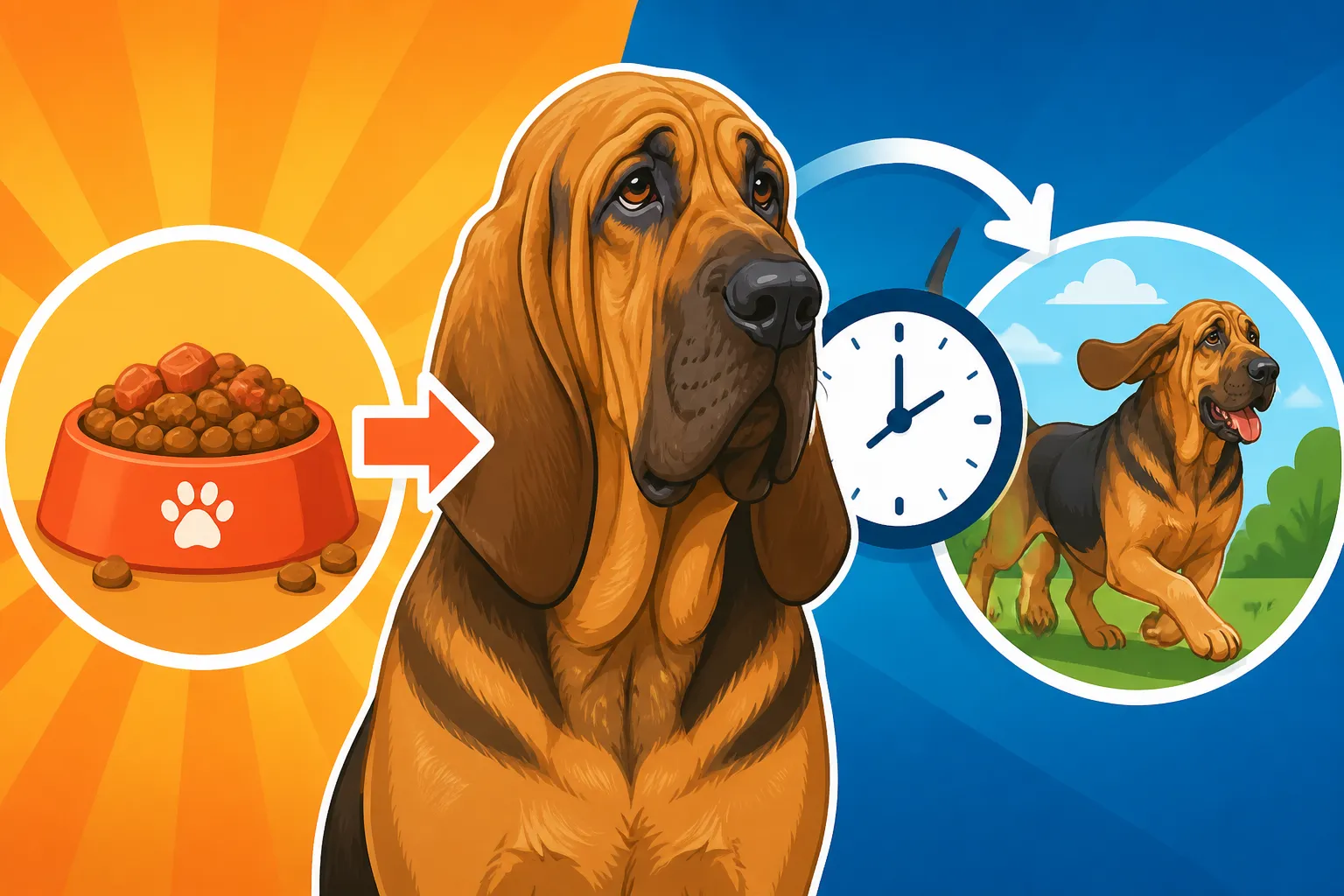
The general recommendation is to wait a minimum of one hour after a meal before allowing any significant exercise. However, for a breed like the Bloodhound with such a heightened risk, many experienced owners and veterinarians will advise a more conservative approach: two to three hours is often preferred. This allows ample time for the food to begin moving out of the stomach and for initial gas production to settle. Imagine how uncomfortable you would be trying to run a marathon right after a huge holiday meal – it's similar, but for your Bloodhound, the stakes are life or death. So, after breakfast or dinner, it's quiet time. A short, calm leash walk to relieve themselves is usually fine, but leave the enthusiastic trailing or dog park romps for later. How Long a Bloodhound Should Rest After Eating really emphasizes this critical period.
The "No Eating After Exercise" Rule
It's not just about waiting after a meal; it's also about waiting before a meal if your Bloodhound has just been active. When your Bloodhound exercises, their blood flow is directed primarily to their muscles and respiratory system. Their body is in "go" mode. Introducing a large meal immediately after strenuous activity can redirect blood flow to the digestive system too quickly, potentially causing digestive upset, gas, and once again, increasing the risk of bloat. Moreover, an excited or panting dog might gulp down food and air more rapidly.
The recommendation here is to wait at least 30 minutes to an hour after vigorous exercise before offering food or a large amount of water. This allows their heart rate to normalize, their breathing to calm, and their body to transition out of "exercise mode" and into "rest and digest" mode. Offer small sips of water to rehydrate gradually if they are very thirsty, rather than letting them drink a whole bowl at once. This waiting period helps ensure their digestive system is ready to receive food without unnecessary stress or air intake.
Splitting Meals for Safety
One of the most effective strategies to manage bloat risk, regardless of exercise timing, is to divide your Bloodhound's daily food allowance into multiple smaller meals. Instead of one or two large meals, feeding three or even four smaller meals throughout the day significantly reduces the amount of food and gas in the stomach at any one time. This lessens the "weight" and "volume" that could contribute to twisting.
Many Bloodhound owners, myself included, find that a breakfast, lunch, and dinner schedule works wonderfully. If you work away from home, you can even use an automatic feeder (check out options on Amazon or Chewy) to dispense a midday meal, ensuring consistency. This practice also helps keep your Bloodhound's energy levels more stable throughout the day, preventing extreme hunger that might lead to rapid eating. Even if your Bloodhound has had a What a Preventive Gastropexy Does for a Bloodhound, splitting meals is still a smart habit. While a gastropexy greatly reduces the risk of volvulus (twisting), the stomach can still dilate, causing discomfort and potential medical issues. So, Whether a Gastropexied Bloodhound Still Needs Split Meals usually gets a resounding 'yes' from experienced owners.
| Activity Type | Before Meal Wait | After Meal Wait | Notes |
|---|---|---|---|
| Vigorous Exercise (e.g., trailing, heavy running, dog park) | 30-60 minutes | 2-3 hours | Allow heart rate to normalize before eating. Ensure stomach is empty before activity. |
| Moderate Activity (e.g., brisk walk, light play) | 15-30 minutes | 1-2 hours | Still important to give the stomach time. |
| Low Activity (e.g., casual potty break, grooming) | No specific wait | 15 minutes | Minimal impact, but always monitor for discomfort. |
| Hydration | Small sips during/after exercise | Offer freely ~15 min after meal | Avoid large gulps of water right after exercise or meals. |
Practical Feeding Strategies for an Active Bloodhound
Living with a Bloodhound means embracing their drive to work and explore, but it also means being incredibly mindful of their unique needs. Integrating safe feeding practices into their active lifestyle requires consistency, smart choices, and a keen eye on their behavior.
Establishing a Routine
Dogs thrive on routine, and for a Bloodhound, a predictable schedule is not just comforting but also a critical health measure. Establishing a consistent feeding and exercise schedule helps their digestive system anticipate food and process it efficiently. Aim for meals at roughly the same times each day, and schedule exercise sessions around those meals with the appropriate waiting periods. For example, if your Bloodhound gets their main exercise in the late afternoon, plan their dinner for a couple of hours after they've settled down.
Think about your daily life. Can you wake up a bit earlier to feed your Bloodhound, allowing plenty of time before your morning walk or training session? If you plan an intensive scenting session for the evening, ensure their last meal was well over two hours ago. Consistency is your best friend in bloat prevention. Even on weekends or days off, try to stick as closely as possible to your established routine. Disrupting their schedule too much can add stress, which is another potential factor in GDV.
Choosing the Right Food and Feeding Environment
Beyond timing, how your Bloodhound eats and what they eat can also influence bloat risk. While opinions vary on specific diets, most experts agree that anything that encourages slower eating and less air intake is beneficial.
Consider using a slow feeder bowl. These bowls have raised obstacles that force your Bloodhound to eat around them, drastically slowing down their consumption. You can find many effective slow feeders at pet stores or online retailers like Chewy and Amazon. Another option is a puzzle feeder that dispenses kibble as they play, engaging their natural intelligence while making them work for their meal. For a Bloodhound, Whether a Slow Feeder Helps a Bloodhound is almost universally answered with a resounding yes, as it tackles the issue of rapid ingestion head-on. As for what they eat, choose a high-quality large-breed formula. Some studies suggest kibble size can play a role, with larger kibble pieces potentially encouraging more chewing and less gulping. Always introduce new foods gradually to avoid stomach upset.
Finally, the feeding environment matters. A calm, quiet space where your Bloodhound can eat without competition or anxiety is ideal. If you have multiple dogs, feed them in separate rooms or crates to prevent scarfing behavior. Whether Stress at Mealtime Matters for a Bloodhound is a valid concern, as stress can indeed contribute to digestive issues, including bloat.
Managing Hydration Around Meals and Exercise
Water is essential, but how and when your Bloodhound drinks it matters significantly for bloat prevention. Just like with food, gulping down large quantities of water rapidly can lead to swallowing a lot of air, which contributes to stomach distension.
After exercise, your Bloodhound will naturally be thirsty. Instead of letting them empty a full bowl, offer smaller amounts of water at intervals, or use a water bottle to give them controlled sips. This allows them to rehydrate gradually without overwhelming their stomach. Similarly, avoid letting them drink huge amounts of water immediately before or after a meal. You want their stomach to be comfortably full with food, not sloshing with excessive water and swallowed air right before or after activity. Always ensure fresh water is available throughout the day, just not in massive quantities right at those critical windows around meals and exercise.
What to Do If the Rules Get Broken (And How to Be Prepared)
Despite our best efforts, life happens. Maybe a guest accidentally lets your Bloodhound out for a vigorous play session right after dinner, or you misjudged the timing yourself. It's crucial to know what to do if these situations arise and, more importantly, to have an emergency plan in place.
When Accidents Happen: Immediate Steps
If your Bloodhound has eaten recently and then engaged in activity, don't panic, but do pay extremely close attention. Don't induce vomiting unless instructed by a vet, as this can make things worse. Instead, keep your dog calm and still. Monitor them obsessively for the next few hours for any Signs a Bloodhound Is Bloating. These can include:
- Restlessness or pacing
- Retching or dry heaving without producing anything
- Distended or swollen abdomen (especially on the left side)
- Excessive drooling
- Painful abdomen (they may whimper if you touch it)
- Weakness or collapse
- Taking the "prayer position" (front end down, rear end up), which is a classic sign The Prayer Position a Bloating Bloodhound Takes.
If you observe any of these signs, even subtle ones, consider it an emergency. Time is of the essence with bloat. Do not wait to see if it improves.
Preparing for the Worst: Bloat Emergency Plan
Having an emergency plan is not being pessimistic; it's being a responsible Bloodhound owner. Bloat can happen even to the most diligently cared-for dogs, so preparation is key.
- Know Your Emergency Vet: Have the phone number and directions to the closest 24-hour emergency veterinary clinic programmed into your phone and posted prominently at home. Don't rely on a quick Google search in a panic. Ideally, this clinic will have experience with GDV surgery.
- Emergency Fund: Bloat surgery is expensive. Ensure you have an emergency fund set aside or pet insurance that covers emergency procedures. What Emergency Bloat Surgery Costs on a Bloodhound can be a significant financial strain, and you don't want to be making financial decisions under such duress.
- Discuss Gastropexy: Talk to your veterinarian about a prophylactic gastropexy. This surgical procedure permanently tacks the stomach to the abdominal wall, preventing it from twisting. While it doesn't prevent dilation (the gas buildup), it eliminates the deadly volvulus. Many Bloodhound owners choose to have this done when their dog is spayed or neutered. It's a significant decision, but one that could save your Bloodhound's life. Understanding The Gastropexy Decision Every Bloodhound Owner Faces is a crucial part of responsible Bloodhound ownership.
- Educate Your Household: Make sure everyone in your home, and anyone who cares for your Bloodhound, understands the bloat risks, the feeding rules, and the emergency signs.
Owning a Bloodhound is a deeply rewarding experience, filled with boundless affection and impressive scenting adventures. But it also comes with a unique set of responsibilities, and managing the risk of bloat is at the top of that list. By being mindful of meal timing, establishing routines, choosing appropriate feeding tools, and having an emergency plan, you can significantly reduce the chances of this silent killer striking your beloved hound, allowing you both to enjoy many happy, healthy years together.
Disclaimer
This article is for general informational purposes only and does not constitute professional advice. Laws, prices and regulations vary by location and change over time. Consult a qualified professional for guidance on your specific situation.