Whether a Bloodhound’s Jowls Should Be Wiped After Drinking
If you’ve ever shared your home with a majestic Bloodhound, you know the absolute joy and, let's be honest, the occasional watery chaos they bring. One of the most common sights is a beloved Bloodhound finishing a drink, only to leave a trail of water droplets and a thoroughly soaked chest. This guide is here to tackle that very common problem, specifically focusing on the often-asked question of whether their jowls really need to be wiped after every drink and how to keep your home from turning into a swamp.
The Bloodhound's Unique Anatomy and Why It Gets So Wet
Bloodhounds are undeniably magnificent creatures, known for their incredible noses and gentle demeanor. But those same characteristics that make them such superb scent hounds also contribute to their famously slobbery and wet nature, especially around the water bowl. It's not just a matter of them being clumsy; it's engineered into their very being!
Understanding the Bloodhound's Jowls and Flews
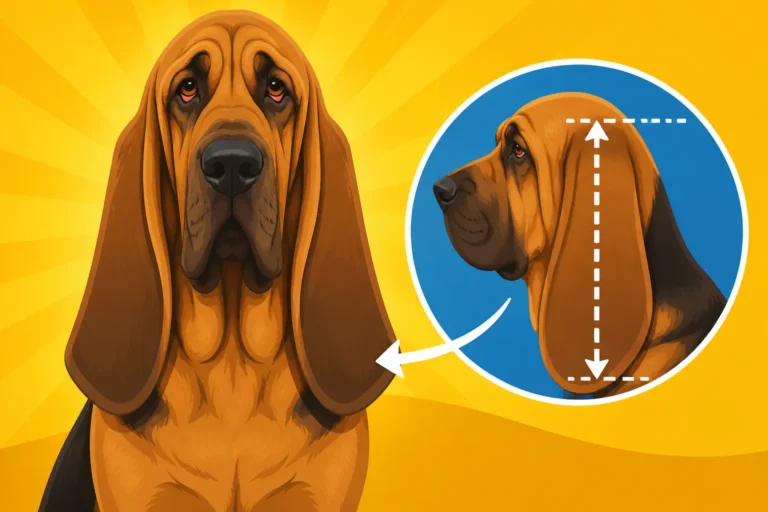
Let's talk about those iconic jowls, also known as flews. These aren't just for show; they're an integral part of what makes a Bloodhound so exceptional at what they do. Their long, pendulous ears and abundant loose skin, including those deep, drooping jowls, act like a natural scent-collection system. When a Bloodhound puts its nose to the ground, these features create a kind of "scent cone" that helps trap and direct odor particles towards their highly sensitive nostrils, amplifying their ability to detect even the faintest trails.
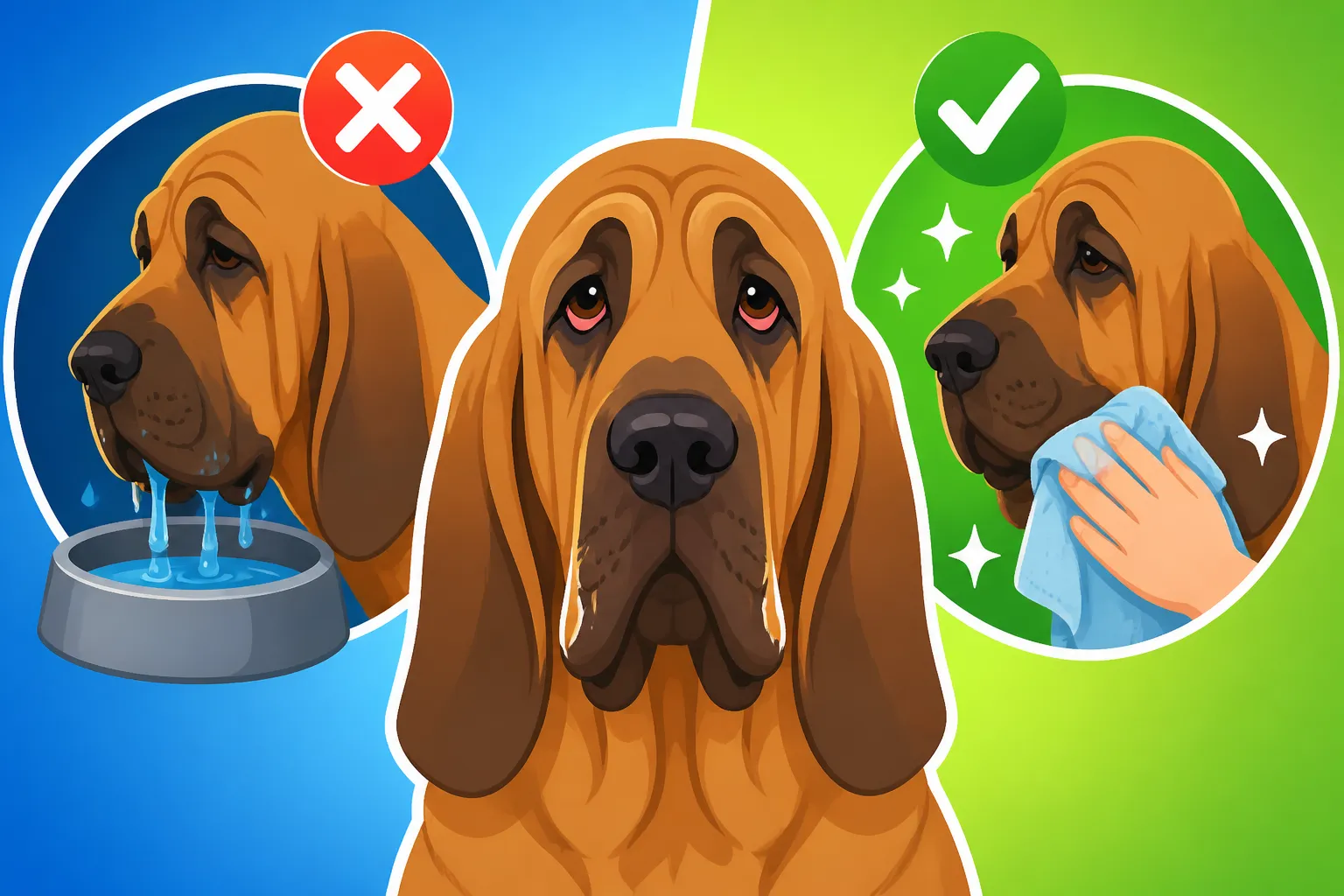
However, what's a superpower for scent work can be a messy challenge in the kitchen. These jowls hang down, creating natural pockets and folds. When your Bloodhound plunges its entire face into the water bowl, these folds act like sponges, soaking up a surprising amount of liquid. It's not just the tips of their jowls getting wet; the water seeps into the deep folds around their muzzle, chin, and throat. They emerge from drinking not just with damp jowls, but often with water practically pooling in their neck wrinkles. It's a design marvel for tracking, but a splash zone nightmare for your floors and furniture.
The Physics of Bloodhound Drinking
Watching a Bloodhound drink is an experience in itself. Unlike some breeds that delicately sip, many Bloodhounds take a full, enthusiastic plunge. Their entire muzzle, often up to their eyes, disappears into the bowl. This deep immersion, combined with their anatomical features, is what leads to the inevitable deluge. As they lift their head, those saturated jowls and flews can hold an impressive volume of water. It's like they're carrying two small, leaky water balloons on either side of their face.
The moment they shake their head – which, let's face it, they almost always do immediately after drinking – that water is flung outwards with considerable force. It creates a wide spray pattern that can reach walls, cabinets, and unsuspecting bystanders. You might feel like you need a poncho just to be in the same room. It's a frustration many Bloodhound owners know all too well, whether it's constantly mopping up puddles or finding slobber art on the ceiling. This isn't poor manners; it's simply how their magnificent, loose-skinned faces are designed to interact with water. This unique drinking style also contributes to why many Bloodhound owners might feel like they need to buy paper towels by the gallon just to keep up!
Why Wiping Your Bloodhound's Jowls is More Than Just Tidiness
So, we've established that Bloodhounds get wet, really wet, when they drink. But is wiping their jowls just about keeping the house clean and tidy? While that's certainly a huge bonus for homeowners, there's a much more important reason related to your Bloodhound's health and comfort.
Preventing Skin Irritation and Dermatitis
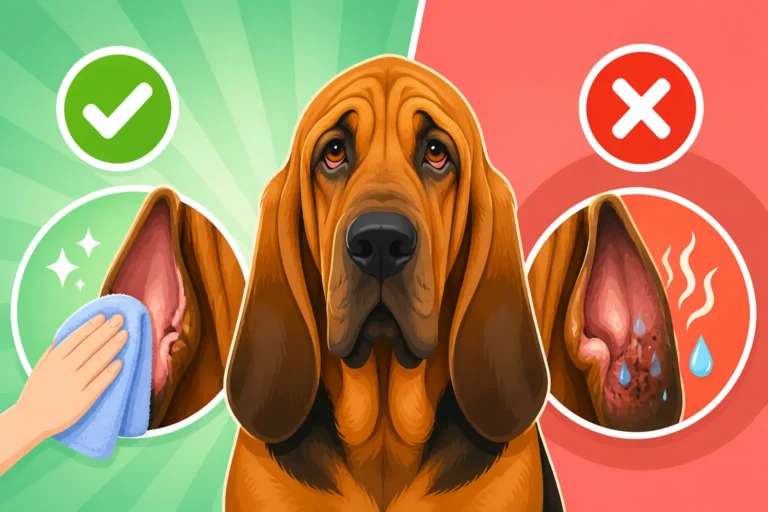
Imagine having perpetually damp skin, day in and day out. For humans, that would lead to irritation, rashes, and discomfort. The same goes for your Bloodhound, especially in those deep, wonderful wrinkles around their muzzle and neck. Constant dampness creates a warm, moist environment – the perfect breeding ground for bacteria and yeast. These opportunistic organisms thrive in such conditions, leading to what we commonly call "hot spots" or, more accurately for these areas, Skin Fold Dermatitis on a Bloodhound.
This isn't just a minor rash. Left unchecked, skin fold dermatitis can become incredibly painful for your dog. You might notice redness, inflammation, hair loss, and a distinctly unpleasant, yeasty or sour odor emanating from the affected areas. Your Bloodhound might scratch or rub at their face incessantly, making the problem worse and potentially leading to open sores and secondary infections. Early intervention, which includes diligent wiping and drying, is crucial to prevent these issues from escalating. It's about proactive care to keep their skin healthy and happy. Ignoring these damp folds can lead to expensive vet visits and discomfort for your beloved hound.
Managing Odor and Maintaining Hygiene
Bloodhounds, for all their charm, do have a distinct "houndy" smell. Part of this natural scent comes from their coat and skin oils, but a significant contributor can be the state of their jowls and flews. When water, saliva, and tiny food particles mix in those damp, warm skin folds, it creates a pungent cocktail. Over time, this mixture can turn quite foul, contributing to that musky, sometimes sour, odor that many Bloodhound owners recognize. It's not just in their ears (which are also a common source of scent due to their dampness and lack of airflow, leading to issues like A Bloodhound's Ears Are a Standing Infection Risk); it's a full facial affair.
Beyond just the smell, maintaining good hygiene around their jowls prevents the buildup of bacteria that can transfer to other surfaces in your home. When your Bloodhound leans against your couch, nudges your leg, or rests its head on your lap, any bacteria or yeast residing in those damp jowls can hitch a ride. Regularly wiping and drying their jowls helps to:
- Reduce Odor: By removing the source of bacterial and yeast growth, you can significantly lessen that "houndy" smell. This means a fresher-smelling dog and a fresher-smelling home.
- Prevent Spread of Germs: Keeping their face clean reduces the transfer of moisture, dirt, and potential irritants to your furniture, clothes, and even you! This helps in maintaining overall cleanliness and preventing potential skin issues in other parts of their body from contact.
- Enhance Comfort: A clean, dry face is simply more comfortable for your Bloodhound. It reduces itchiness, stickiness, and the general unpleasantness of being constantly damp.
So, while it might seem like a small, optional step, regularly wiping your Bloodhound's jowls is a foundational practice for their health, comfort, and the overall hygiene of your shared living space. It's about addressing a unique breed characteristic with a consistent, caring approach.
Practical Steps for Effective Jowl Wiping and Management
Now that we understand why wiping is so important, let's talk about the how. It's not a complicated process, but consistency and the right approach make all the difference. Think of it as a small daily ritual that pays big dividends in health and cleanliness.
Choosing the Right Wipes and Technique
You don't need fancy, expensive products to keep your Bloodhound's jowls clean, but choosing wisely can make the task easier and more effective.
What to Use:
- Soft Cloths or Paper Towels: These are your everyday heroes. Keep a stack of clean, soft cloths or a roll of durable paper towels handy near the water bowl. Cotton cloths are excellent because they're absorbent and washable, perfect if you agree that a Bloodhound owner should keep cloths in every room.
- Plain Warm Water: For most daily cleanings, a cloth dampened with warm water is perfectly sufficient. It removes moisture, drool, and superficial grime without introducing any chemicals.
- Pet-Safe Wipes: There are many brands of pet-specific wipes on the market. Look for ones that are hypoallergenic, alcohol-free, and fragrance-free to avoid irritating your dog's sensitive skin. You can find a good selection of these on sites like Chewy or Amazon.
- Mild Antiseptic Solution (Vet-Recommended): If your Bloodhound is prone to skin fold dermatitis, your vet might recommend a medicated wipe or a very dilute antiseptic solution (like chlorhexidine wipes) for targeted cleaning. Always consult your vet before using medicated products.
- Avoid Baby Wipes with Fragrance or Alcohol: While some owners use unscented, alcohol-free baby wipes, it's generally safer to stick with pet-specific wipes or just water, as human products can sometimes contain ingredients that might be irritating to canine skin.
Wiping Technique:
- Be Gentle: Your Bloodhound's skin folds can be sensitive. Use a soft touch, no harsh scrubbing.
- Lift and Wipe: Don't just wipe the surface. Gently lift each fold of skin around their muzzle and jawline, and wipe thoroughly inside. This is where moisture and debris truly accumulate.
- Wipe, Then Dry: The goal is not just to clean, but to dry. After wiping away any moisture or gunk, use a separate, dry cloth or a fresh part of your paper towel to gently pat the folds completely dry. Leaving them damp defeats the purpose of preventing skin irritation.
- Check for Redness or Odor: While wiping, take a moment to inspect the skin. Look for any redness, inflammation, or a foul odor. These are signs that a skin issue might be developing, and you'll want to address it quickly, possibly with a vet visit. This is especially true if you notice the tell-tale sour smell, as a Bloodhound's fold smell means infection could be brewing.
Integrating Wiping into a Daily Routine
Consistency is key when it comes to managing your Bloodhound's jowls. It needs to become a normal, non-negotiable part of their day, much like feeding or walks.
- After Every Drink: Ideally, you'd wipe their jowls right after every drink. This prevents the moisture from sitting on their skin for too long. Keep wipes or a designated cloth right next to their water bowl.
- After Meals: Food particles can get trapped in their jowls, especially if they are enthusiastic eaters. A quick wipe after meals helps prevent food from fermenting in those folds.
- Regular Inspections: Even if you're vigilant about wiping after drinking and eating, make it a habit to do a thorough inspection of all their folds daily, or at least every other day. This includes their neck wrinkles and lip folds, as a Bloodhound's lip fold is the worst one for trapping moisture and gunk.
- Start Young: If you have a Bloodhound puppy, start this routine early. Make it a positive experience with treats and praise. Getting them accustomed to having their face handled will make it much easier as they grow.
- Make it Positive: Your Bloodhound should associate jowl wiping with a pleasant experience. A calm voice, gentle touch, and a reward afterward can turn it into a bonding moment rather than a chore.
By making jowl wiping a regular part of your Bloodhound's care, you'll not only keep your home cleaner but, more importantly, safeguard their skin health and comfort. It's one of those essential tasks, part of everything on a Bloodhound hangs down and has to be cleaned, that truly impacts their quality of life.
Beyond Wiping: Holistic Approaches to Managing Moisture
While diligent jowl wiping is critical, it's part of a larger strategy to manage moisture and maintain your Bloodhound's overall hygiene. A few thoughtful choices in their environment and feeding routine can make a significant difference.
Smart Water Bowl Choices
The type of water bowl you use can greatly impact how much water ends up on your floor and in your dog's jowls. It's not just about the bowl's aesthetic; it's about its functionality for a dog with a Bloodhound's unique drinking style.
- Deep, Narrow Bowls: These bowls can be a double-edged sword. While a narrow opening might seem like it would prevent the jowls from dipping in too far, a deep design might encourage your Bloodhound to submerge their entire face more, leading to even greater saturation. Some owners find a narrow deep bowl suits a Bloodhound better, but others find it exacerbates the problem. Experimentation is key.
- Slow Feeder/Drinker Bowls: These bowls are often designed with obstacles or ridges to slow down eating and drinking. For a Bloodhound who tends to gulp water, a slow-drinker bowl can minimize the splash and the amount of water they take in at once, leading to less spillage and less saturation of their jowls.
- Water Fountains: Some Bloodhounds take to pet drinking fountains. The flowing water might encourage them to lap rather than dunk, which could reduce the amount of water their jowls absorb. However, some still manage to make a mess!
- Elevated Bowls (with caution): While raised bowls were once thought to prevent bloat, recent studies suggest they might actually increase the risk for large, deep-chested breeds like Bloodhounds. It's crucial to discuss this with your vet. However, some owners find that elevated bowls keep the water at a level that might reduce how much their dog has to bend down, thus theoretically reducing jowl submersion. If you opt for an elevated bowl, ensure it's stable and always check with your vet regarding bloat risk. For more information, consider reading whether a raised bowl is right for a Bloodhound.
No matter the bowl, always place a large, absorbent mat underneath it to catch spills. This simple step can prevent a flooded kitchen (Whether a Bloodhound Floods the Kitchen Drinking) and save your flooring. You can find a wide variety of practical and stylish mats on sites like Chewy or Amazon.
Protective Gear and Environmental Control
Beyond the water bowl itself, there are other strategies to keep your Bloodhound cleaner and your home drier.
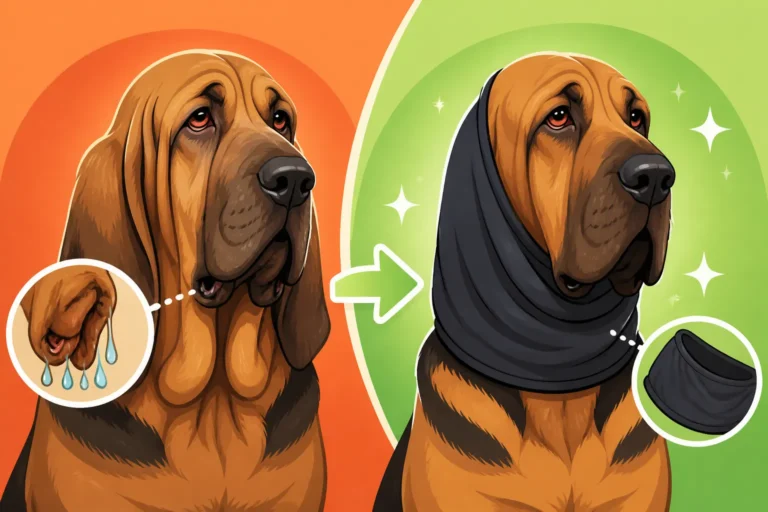
- Snoods: These fabric head coverings are invaluable for Bloodhound owners. A snood tucks their long, pendulous ears out of the way during mealtime and drinking, preventing them from dragging through food and water. This not only keeps their ears clean and dry (reducing the risk of ear infections) but also helps to keep some of the jowl area slightly more contained and less prone to dripping. For a detailed look, check out what a snood does for a Bloodhound. You can find various snoods online through retailers like Amazon, often made by small crafters specializing in hound gear.
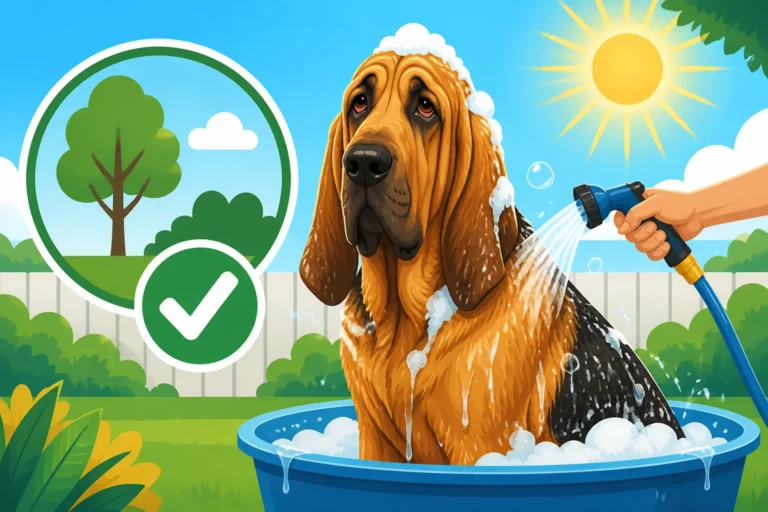
- Easy-to-Clean Surfaces: If possible, consider the types of flooring and wall coverings in areas where your Bloodhound eats and drinks. Tile or linoleum floors are far easier to wipe down than carpet, and washable paint can be a lifesaver when those water droplets get flung high.
- Strategic Placement of Water Bowls: Place water bowls in areas where spills are less problematic and easy to clean. A mudroom, laundry room, or kitchen corner with hard flooring is often ideal, as opposed to a carpeted living room.
- Regular Cleaning of the Area: Even with wiping and mats, the area around your Bloodhound's food and water bowls will need regular cleaning. Wiping down the floor, walls, and cabinet fronts daily or every other day prevents mold, mildew, and lingering odors. Remember, a Bloodhound carries an odor not just from its body, but from its environment. This helps ensure that the 'houndy' smell doesn't settle into your home.
By combining consistent jowl wiping with smart choices in bowls, protective gear, and environmental management, you can significantly reduce the wet mess that comes with loving a Bloodhound. It's all about creating a harmonious living situation where your extraordinary dog can thrive, and you can enjoy their company without constant cleanup anxiety.
Disclaimer
This article is for general informational purposes only and does not constitute professional advice. Laws, prices and regulations vary by location and change over time. Consult a qualified professional for guidance on your specific situation.