Whether a Bloodhound’s Ears Get Sunburned
It’s easy to focus on all the other things that can go wrong with a Bloodhound’s magnificent ears – the infections, the dampness, the sheer length. But amidst all that deep-set fold and weighty leather, it’s all too common to overlook a surprising threat: sunburn. This guide will walk you through why those iconic ears are so vulnerable, how to spot the signs of sun damage, and most importantly, how to keep your cherished hound's ears safe and healthy, no matter how much time they spend sniffing out adventure.
The Anatomy of a Bloodhound's Vulnerable Ears
When you look at a Bloodhound, those long, pendulous ears are immediately striking, draping majestically down past their shoulders. They’re part of what makes our hounds so recognizable and, of course, aids them tremendously in their scent work, sweeping scent particles towards their powerful noses. But this very feature that makes them unique also makes them particularly susceptible to environmental damage, especially from the sun. Owners often focus on internal ear health, but the external surfaces require just as much, if not more, attention.
Why Those Long Leathers Are So Susceptible
Imagine a human with very long, floppy earlobes that hang exposed to the elements all day long. That's essentially what your Bloodhound is dealing with. Unlike dogs with upright ears or even shorter, thicker drop ears, the Bloodhound's ear leathers are thin and often hang in a way that exposes the inner, less pigmented surface, as well as the very edges and tips. These areas are not only less protected by fur but also experience more friction and potential for minor abrasions as they swing and trail.
The sheer surface area of a Bloodhound’s ear is also a factor. They are substantial, making them a larger target for ultraviolet (UV) radiation compared to a dog with smaller, more compact ears. Think about the tips of their ears, especially. These points are often the most exposed, catching the sun's rays directly as your Bloodhound trots along or investigates a fascinating smell on a sunny day. It’s a classic case of their unique breed characteristics creating a specific care challenge, adding to the already extensive list of ear care requirements, which often includes remembering that Everything on a Bloodhound Hangs Down and Has to Be Cleaned.
The Delicate Skin and Sparse Hair
Another significant contributor to a Bloodhound's ear vulnerability to sunburn is the nature of their skin and coat in that area. While their bodies are covered in a dense, short coat, the skin on their ear leathers, particularly underneath and at the tips, tends to be much finer and the hair sparser. This delicate skin has less natural barrier protection than the thicker, furrier skin on other parts of their body.
Furthermore, many Bloodhounds, especially those with lighter pigmentation or red coats, have even less pigment in their ear skin. Pigment, like melanin in human skin, offers a degree of natural protection against UV radiation. Without this strong natural defense, the delicate skin is directly exposed to harmful UV rays, making it much easier for sunburn to occur. This is often an overlooked aspect when we consider sun exposure in dogs, assuming their fur provides universal protection. For a Bloodhound, those beautiful, soft ear leathers are a prime example of where that assumption falls short.
The Risk Factors: Sun Exposure and Pigmentation
Several factors combine to heighten the risk of sunburn for your Bloodhound’s ears. The most obvious, of course, is prolonged exposure to direct sunlight. This isn't just about blazing summer days; even bright, overcast days can still deliver enough UV radiation to cause damage, especially at higher altitudes or near reflective surfaces like water or snow. If your Bloodhound loves to bask in a sunny spot on the patio, or if you spend hours outside tracking or training, their ears are constantly accumulating sun exposure.
As mentioned, pigmentation plays a critical role. Dogs with lighter colored ears, or those with very light fur on their ear leathers (think reds, lighter tans, or hounds with white markings near their ears), are at a significantly higher risk. These areas simply have less natural defense. Even black and tan Bloodhounds can have surprisingly pale skin underneath their ears or on the very edges, making them vulnerable. Age can also be a factor, as older dogs may have thinner skin or spend more time sedentary in sunny spots. Understanding these combined risk factors is the first step toward proactive care and prevention. It’s not just a summer concern; year-round vigilance is key.
Recognizing and Preventing Sunburn on Bloodhound Ears
Catching sunburn early and preventing it in the first place are your best lines of defense for those precious Bloodhound ears. It's a common oversight because we're so used to checking for ear infections, dampness, or foreign bodies that we might not immediately think of sun damage. Yet, a proactive approach can save your dog a lot of discomfort and potential health issues down the line.
Signs Your Bloodhound's Ears Are Sunburned
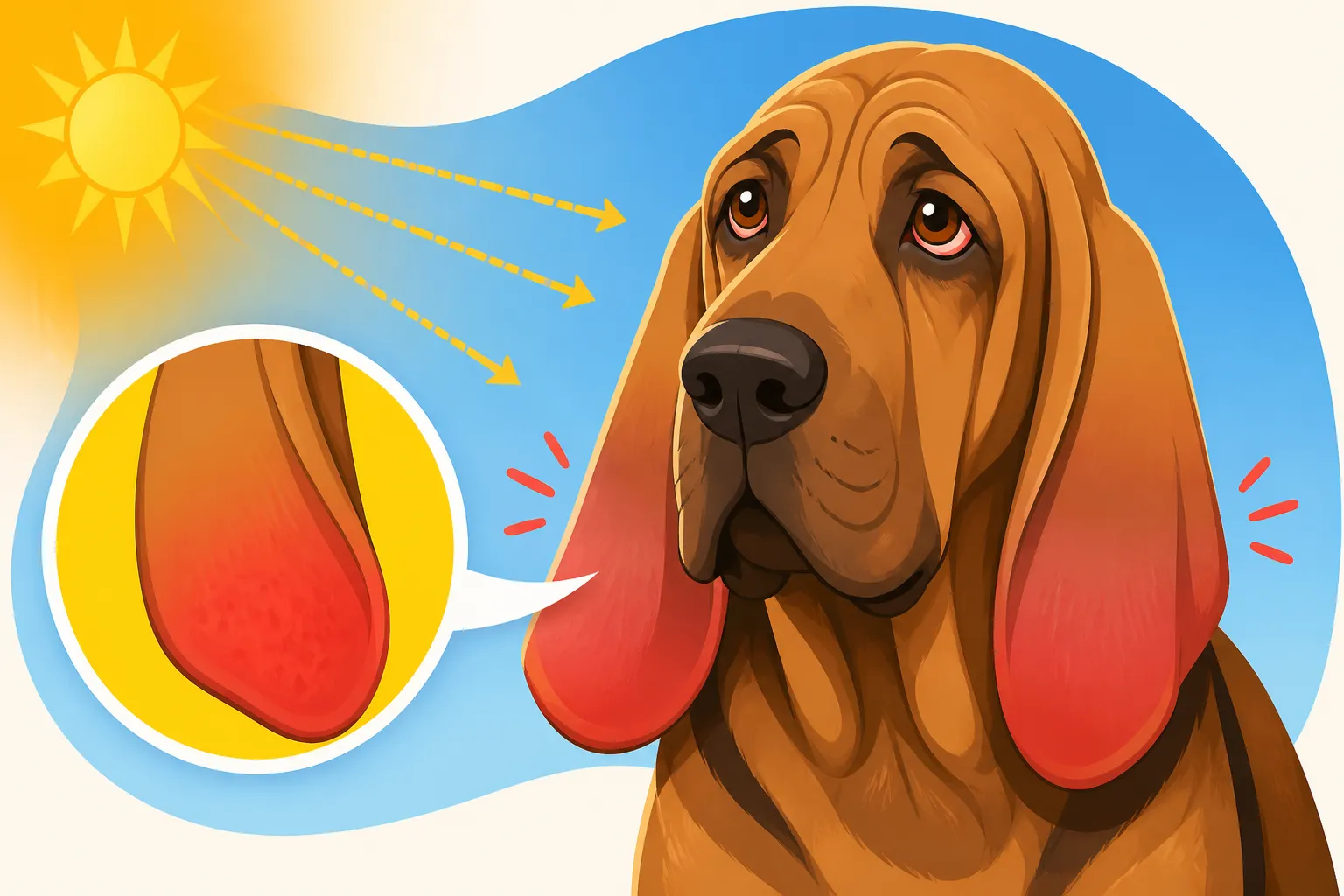
The signs of sunburn on a Bloodhound's ears are very similar to what you'd see on human skin, though they might be hidden by sparse fur initially. The most common indicators include:
- Redness: The skin on the ear flaps will appear noticeably redder than usual, especially the inner surfaces, edges, and tips. This might be harder to see on darker pigmented ears, but you can usually feel a difference.
- Warmth to the Touch: Sunburned skin will often feel warmer than the surrounding areas.
- Tenderness or Pain: Your Bloodhound might flinch or pull away when you touch their ears. They might also shake their head more frequently or rub their ears against furniture or the ground in an attempt to alleviate discomfort.
- Swelling: In more severe cases, the ear leather might appear slightly puffy or swollen.
- Flaking or Peeling Skin: After a few days, the outer layers of damaged skin may begin to peel or flake off.
- Blisters: While less common, severe sunburn can lead to blistering, which is a serious sign of deep tissue damage and definitely warrants a vet visit.
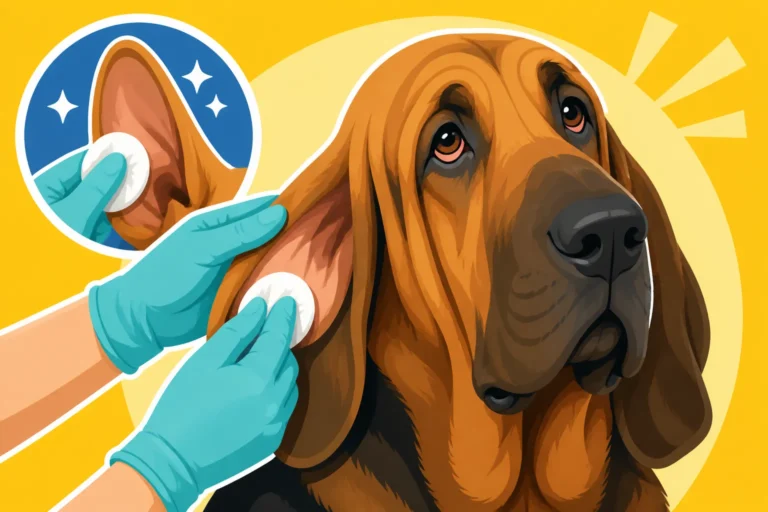
It's crucial to distinguish these signs from those of an ear infection. An infection usually involves discharge, a foul odor, and sometimes head shaking, but the skin might not be uniformly red or painful in the same way sunburned skin is. Of course, a sunburn can also make the ear more susceptible to infection, creating a double whammy for your poor hound. When you do your regular Cleaning a Bloodhound's Ears Every Week for Life, make a quick mental note of their normal ear color and texture so you can spot changes immediately.
Daily Practices for Sun Protection
Prevention is truly the best medicine when it comes to sunburn on your Bloodhound's ears. Integrating simple sun protection into your daily routine can make a huge difference, especially if your dog spends a lot of time outdoors or enjoys basking in sunny spots.
One of the easiest things you can do is limit peak sun exposure. Try to schedule walks, outdoor training, or yard time during the early morning or late afternoon when the sun's rays are less intense. Mid-day sun, typically between 10 AM and 4 PM, is when UV radiation is strongest and poses the greatest risk.
Another incredibly effective measure is using dog-safe sunscreen. Yes, it exists! Look for sunscreens specifically formulated for pets that are non-toxic if licked. Zinc oxide is often found in human sunscreens, but it can be toxic if ingested by dogs, so always opt for a product designed for canines. Apply a thin layer to the most vulnerable areas: the tips of the ears, the inner ear flaps, and any other areas with sparse hair or light pigmentation. Reapply every few hours, especially if your Bloodhound has been swimming or is particularly active. Brands like Amazon and Chewy typically carry a range of dog-specific sunscreens, so you can easily find options there.
Remember that even indoor dogs can get sunburned if they spend hours lounging in a sunny window. Consider drawing curtains or providing a shaded bed for them during the sunniest parts of the day.
Protective Gear and Products
Beyond sunscreen, there are practical accessories that can offer an extra layer of protection for your Bloodhound's ears.
Snoods are not just for keeping ears out of food and water; they can also provide excellent sun protection. A lightweight, breathable snood made from UV-protective fabric can shield the entire ear leather from direct sunlight. This is particularly useful for extended outdoor sessions, like long tracking exercises or trips to the park. Just make sure it’s comfortable and doesn't overheat your dog. Many owners find a snood to be indispensable for general ear hygiene, as discussed in What a Snood Does for a Bloodhound, and sun protection is another great benefit.
Cooling vests or bandanas can also offer some sun protection if they cover the ear area, in addition to helping regulate body temperature on hot days. While perhaps not as direct as a snood, every bit of shade helps.
When choosing products, always prioritize those designed for pets. Check ingredients carefully, and if you're unsure, consult your veterinarian. The goal is to create a barrier against harmful UV rays without causing irritation or posing a risk if ingested. Consistency with these protective measures will ensure those magnificent ears stay healthy and burn-free.
| Sunburn Risk Factor | Bloodhound Ear Vulnerability | Prevention Strategy |
|---|---|---|
| Long, Pendulous Ears | Large surface area, tips and edges exposed | Snoods, limiting peak sun exposure |
| Thin, Delicate Skin | Less natural protection, easily damaged | Dog-safe sunscreen application, physical barriers |
| Sparse Hair | Skin directly exposed to UV rays | Sunscreen, shaded areas |
| Light Pigmentation | Reduced natural melanin for UV absorption | Priority for sunscreen, protective gear |
| Outdoor Activities | Extended exposure during tracking, walks, yard time | Strategic timing of activities, consistent application of protection |
| Basking Indoors | Sunny windows can still cause exposure | Window coverings, designated shaded rest areas |
Treating Sunburned Bloodhound Ears and Long-Term Care
Despite our best efforts, sometimes sunburn happens. It’s important to know how to respond effectively when your Bloodhound’s ears get a little too much sun, and what steps to take for ongoing care to prevent future incidents. Prompt and appropriate action can significantly reduce discomfort and prevent complications.
Immediate Care for a Sunburned Bloodhound
If you discover that your Bloodhound’s ears are red, warm, and tender from sun exposure, the first thing to do is get them out of the sun immediately. Bring them indoors or into a deeply shaded area.
For mild cases, you can apply a cool, damp compress to the affected areas. A clean cloth dampened with cool (not cold) water can provide immediate relief and help reduce inflammation. Hold it gently against their ears for 5-10 minutes at a time, several times a day.
You might also consider applying a dog-safe, veterinary-approved soothing gel or spray. Aloe vera, for example, is often recommended for soothing skin, but make sure it's 100% pure aloe and doesn't contain any additives that could be harmful if licked. Your vet might also recommend a topical corticosteroid or anti-inflammatory cream for more severe discomfort. Never use human pain relief creams or lotions without explicit veterinary guidance, as many contain ingredients toxic to dogs.
Ensure your Bloodhound has access to plenty of fresh water, as dehydration can exacerbate general discomfort. Keep an eye on the ears for any signs of worsening, such as blistering, oozing, or increasing pain, which would indicate a need for professional veterinary attention. The goal is to provide comfort and allow the skin to heal naturally, much like tending to any other minor skin irritation on their highly sensitive skin.
When to Call the Vet for Ear Sunburn
While mild sunburn can often be managed at home, there are definite signs that indicate it’s time to call your veterinarian. Don't hesitate to seek professional help; Bloodhound ears are delicate and vital for their well-being, both for their hearing and their incredible sense of smell.
You should contact your vet if you observe:
- Blistering or open sores: These indicate a more severe burn and are prone to infection.
- Excessive pain or discomfort: If your Bloodhound is continuously scratching, shaking their head violently, or yelping when their ears are touched, they need professional pain management.
- Swelling that doesn't subside: Significant or persistent swelling could point to a deeper issue or an allergic reaction.
- Signs of infection: Look for pus, foul odor, increased redness, or fever. Sunburned skin is compromised skin, making it an easy target for opportunistic bacteria, especially given that A Bloodhound's Ears Are a Standing Infection Risk normally.
- Lethargy or loss of appetite: These are systemic signs that your dog is not feeling well and may have more than just a superficial burn.
- No improvement after 24-48 hours of home care: If the redness and tenderness don't begin to resolve, a vet visit is warranted to rule out complications or provide stronger treatment.
Your vet can assess the severity of the burn, prescribe appropriate medications (such as antibiotics for secondary infections, stronger anti-inflammatory drugs, or pain relief), and offer specific advice tailored to your dog's condition. They might also want to do a thorough check to ensure there are no other underlying issues, especially since How Often a Bloodhound Gets an Ear Infection is a frequent concern.
Maintaining Ear Health Against Sun Damage
Long-term care for a Bloodhound with ears prone to sunburn involves a consistent, multi-faceted approach. It's about building a routine that incorporates sun safety into their overall ear health regimen, recognizing that these ears require year-round vigilance.
First and foremost, make sun protection a daily habit, not just for sunny outings. Apply dog-safe sunscreen every morning, especially if your Bloodhound spends any time near windows or has outdoor access. For prolonged outdoor activities, remember those snoods and reapply sunscreen frequently.
Regular ear checks are non-negotiable. As part of your routine How Often a Bloodhound's Ears Need Cleaning, take an extra moment to visually inspect the ear leathers, feeling for any changes in temperature or texture. Early detection of any irritation, whether from sun, dryness, or minor abrasion, can prevent it from escalating.
Moisturize the ear tips as needed, especially in drier climates or during winter months when skin can become chapped. Just as human lips can crack, Whether a Bloodhound's Ear Tips Crack in Winter is a real concern, and healthy, supple skin is less likely to suffer severe sun damage. Use a pet-safe moisturizer recommended by your vet to keep the skin hydrated and resilient.
Consider how your Bloodhound sleeps or rests. If they tend to lie in a way that exposes the inner ear or tips to direct sunlight for hours, adjust their bedding or provide a shaded resting spot.
Finally, discuss your Bloodhound's specific sun sensitivity with your veterinarian. They can offer personalized recommendations for products, care routines, and even dietary supplements that might support skin health. Proactive and diligent care will keep your Bloodhound's ears healthy, comfortable, and ready for whatever fascinating scent trail lies ahead. Remember, the investment in prevention is far less than The Standing Cost of a Bloodhound's Ears if serious issues arise.
Disclaimer
This article is for general informational purposes only and does not constitute professional advice. Laws, prices and regulations vary by location and change over time. Consult a qualified professional for guidance on your specific situation.