How to Clean a Bloodhound’s Eyes
One of the most common and often overlooked challenges of owning a Bloodhound is managing their unique facial anatomy, particularly around their eyes. The loose, pendulous skin, those glorious wrinkles that define their noble expression, can unfortunately create pockets and traps for dirt, debris, and moisture, leading to persistent irritation, staining, and even serious infections. Many new Bloodhound parents find themselves overwhelmed by the constant weeping and crusting around their dog's eyes, unsure of how to keep them clean without causing further discomfort. This comprehensive guide will walk you through everything you need to know about effectively and safely cleaning your Bloodhound's eyes, maintaining their comfort, and preventing potential health issues.
Understanding Why Bloodhound Eyes Need Special Attention
Bloodhounds are magnificent creatures, instantly recognizable by their long, droopy ears, deeply wrinkled brows, and those characteristic "sad" eyes. While these features contribute to their iconic appearance and aid in their unparalleled scenting ability, they also present a unique set of challenges when it comes to hygiene and health. It’s not just about aesthetics; neglect can lead to chronic discomfort and costly veterinary visits.
The Unique Anatomy of a Bloodhound's Eyes
Let's dive into what makes a Bloodhound's eyes so special and, frankly, a bit high-maintenance. Their breed standard calls for a loose, wrinkled skin, especially around the head and neck. This loose skin, particularly on the face, means their eyelids often don't fit as snugly against the eyeball as they do in many other breeds. The lower eyelid, in particular, tends to hang away, creating a visible "haw" – the pink membrane of the inner eyelid. This is a normal and expected trait for the breed, but it comes with consequences.
This generous skin and the drooping lower lid mean the eye is more exposed to the elements. Dust, pollen, grass seeds, and other environmental irritants have an easier pathway to the delicate surface of the eye. Think about walking through a dusty field with your own eyes wide open, feeling every tiny particle hit the surface – that’s essentially what a Bloodhound's eye experiences daily. Additionally, the folds of skin around the eyes can trap moisture, tears, and debris, creating a warm, damp environment that is a perfect breeding ground for bacteria and yeast. This combination of exposure and moisture retention is the primary reason Daily Eye Care for a Bloodhound is so critical.
Common Eye Issues Related to Bloodhound Anatomy
The unique anatomy we just discussed directly contributes to several common eye problems in Bloodhounds. Owners often face these issues, and understanding them is the first step toward effective prevention and care.
One of the most frequently seen conditions is ectropion, where the lower eyelid rolls outwards, exposing the delicate conjunctival tissue. If you've ever seen a Bloodhound with a very prominent, droopy lower lid that seems to sag, that's often what Ectropion truly looks like. This outward roll means the tears don't lubricate the eye properly, leading to chronic dryness and increased susceptibility to foreign bodies. Paradoxically, the eye can also appear excessively watery as it tries to compensate for the dryness, leading to constant tear staining down the face.
Another concern is entropion, where an eyelid, usually the lower one, rolls inwards, causing the eyelashes or surrounding hair to rub against the cornea. While less common in Bloodhounds than ectropion, it can still occur and is significantly more painful. Imagine having an eyelash constantly scratching your eye – that's the discomfort your Bloodhound feels. This constant irritation can lead to corneal ulcers, which are serious and require immediate veterinary attention. You can learn more about What Entropion Does to a Bloodhound's Eye in our other articles.
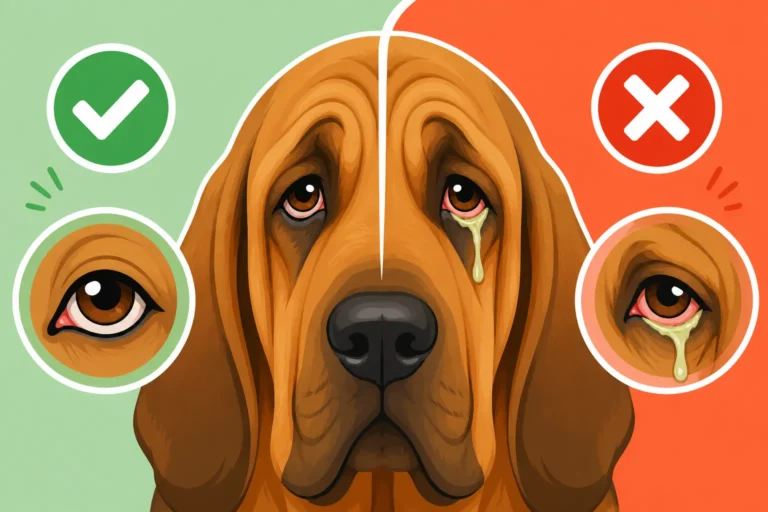
Then there's the pervasive issue of tear staining. Those rusty-brown streaks under your Bloodhound's eyes aren't just unsightly; they're often a sign of excess moisture and bacterial or yeast growth. The folds of skin provide an ideal habitat for these microorganisms, which thrive in the damp environment created by tears. Even if your dog's tears themselves are normal, the constant moisture combined with the deep folds makes staining almost inevitable without diligent cleaning. Sometimes, what seems like excessive tearing can also be a sign of deeper issues, so if it's new or extreme, always consult your vet.
Essential Tools and Supplies for Bloodhound Eye Care
Before you even think about cleaning your Bloodhound's eyes, gathering the right tools is paramount. Using inappropriate products or materials can do more harm than good, irritating their sensitive skin and eyes further. It’s worth investing in good quality, safe supplies that make the process easier for both of you.
Gentle Cleaning Solutions
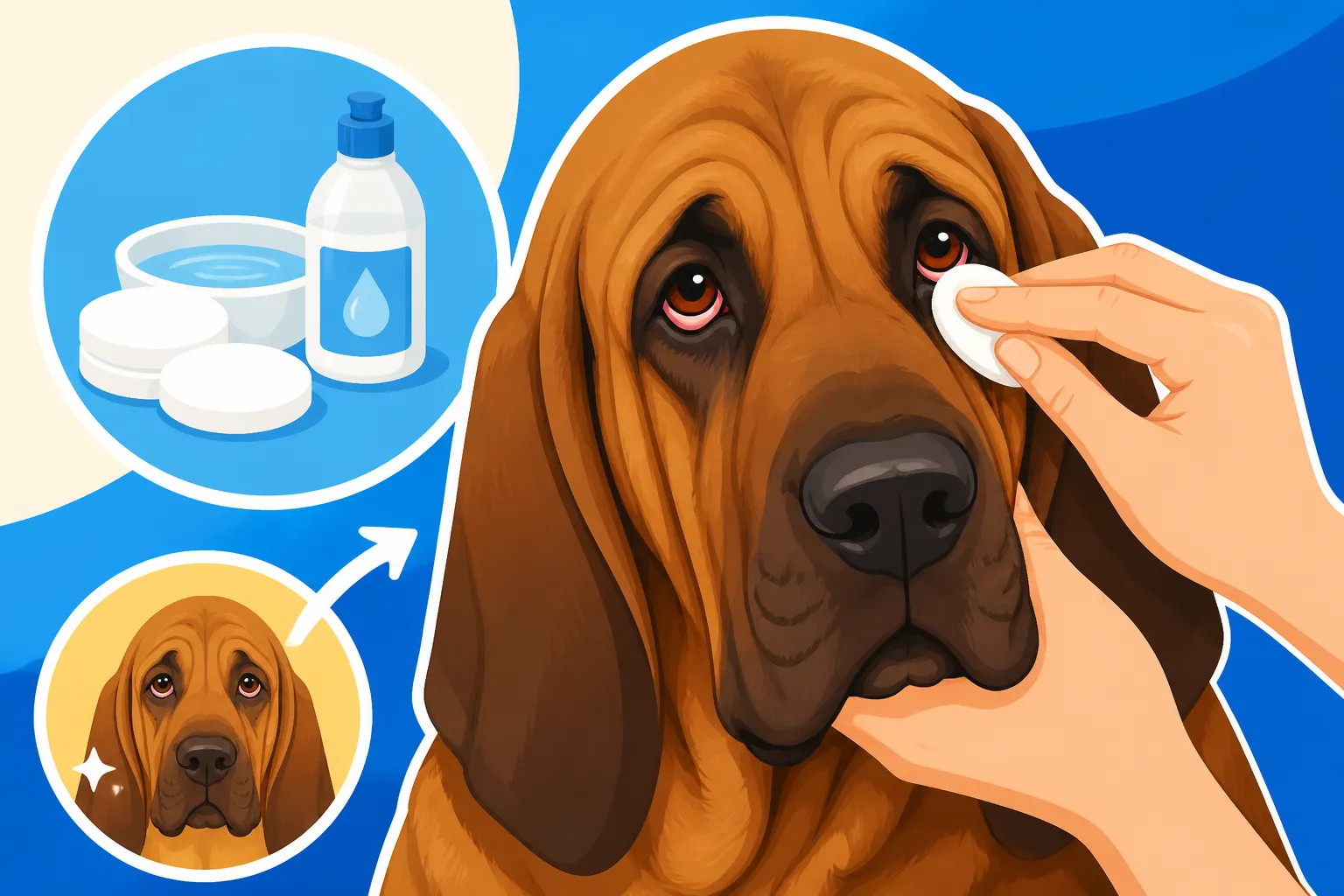
When it comes to what you put near your Bloodhound's eyes, gentle is the operative word. Your go-to solution should ideally be a sterile saline solution, much like what people use for contact lenses. This is simply salt water, isotonic with your dog's tears, and is excellent for flushing out debris or softening crusts without causing irritation. You can often find pet-specific eye rinses that are essentially sterile saline at your local pet supply store or online retailers like Chewy or Amazon.
Beyond plain saline, many vets recommend specific eye wipes designed for dogs. These often contain gentle cleansers like boric acid or witch hazel, which can help break down tear stains and inhibit bacterial growth. Always choose products explicitly labeled as safe for use around canine eyes. What you absolutely want to avoid are harsh chemicals, alcohol, hydrogen peroxide, or human eye drops (unless prescribed by your vet). These can be extremely irritating and even damaging to your Bloodhound's delicate ocular tissues. If you're wondering Whether Saline Is Enough for a Bloodhound's Eyes, for routine cleaning and flushing, it absolutely is. For persistent staining or irritation, a vet-approved solution might be needed.
Soft Wipes and Applicators
Choosing the right material to apply your cleaning solution and wipe away debris is just as important as the solution itself. Cotton balls are a common choice, and they work well for applying liquid rinses. However, be mindful that sometimes cotton fibers can shed and get into the eye, causing more irritation. If you use cotton balls, make sure they are tightly packed and don't easily fall apart.
A better option for wiping is often sterile gauze pads or soft, lint-free pet eye wipes. These are less likely to shed fibers and are gentle yet effective at picking up grime. Many companies produce pre-moistened eye wipes that are individually wrapped, making them super convenient for quick clean-ups on the go or after a particularly muddy romp. These can be easily found on platforms like Amazon. Always use a fresh wipe or cotton ball for each eye to prevent cross-contamination if one eye happens to be infected or irritated. Never use a dry cloth or paper towel, as these can be abrasive and scratch the delicate skin around the eyes.
| Cleaning Tool/Solution | Best Use | Pros | Cons |
|---|---|---|---|
| Sterile Saline Solution | Flushing debris, general rinsing, softening crusts | Safe, gentle, readily available | No active stain-removing properties |
| Pet-Specific Eye Wipes | Daily cleaning, tear stain removal | Convenient, often contain mild cleansers, lint-free | Can be more expensive, some may contain ingredients not suitable for all dogs |
| Cotton Balls | Applying liquid rinses | Soft, absorbent, inexpensive | Can shed fibers into the eye |
| Sterile Gauze Pads | Wiping, applying liquid | Lint-free, soft, good for sensitive areas | Less absorbent than cotton balls, can be harder to find in small quantities |
| Lint-Free Cloth (dedicated) | General drying, gentle wiping | Reusable, eco-friendly (if washed frequently) | Requires frequent washing, must be very soft and clean |
Step-by-Step Guide to Cleaning Your Bloodhound's Eyes
Cleaning your Bloodhound’s eyes doesn't have to be a wrestling match. With patience, positive reinforcement, and a clear routine, it can become a calm and even pleasant bonding experience for both of you. Consistency is key, especially with a breed prone to these issues.
Preparing Your Bloodhound for Eye Cleaning
First things first: create a calm environment. A Bloodhound, with its sensitive nature, will pick up on your stress. Choose a time when your dog is relaxed, perhaps after a walk or a good snuggle session. Speak in a soothing voice and offer plenty of praise. Have all your supplies laid out and ready before you start – the last thing you want to do is fumble around for a wipe with a squirming Bloodhound in your lap.
Positioning is also important. For smaller Bloodhounds, you might place them on a raised surface like a sturdy table with a non-slip mat, so you don't have to bend over awkwardly. For larger or more anxious dogs, sitting on the floor with them between your legs, gently cradling their head, can work well. The goal is to make them feel secure, not trapped. Offer a high-value treat before you even touch their face, and continue to offer small bits of treat throughout the process. This builds a positive association. Let them sniff the cleaning solution or wipe so it's not a complete surprise. Start slow; if they seem stressed, take a break and try again later. Building trust here is more important than achieving a perfectly clean eye on the first try.
The Gentle Cleaning Process
Now for the actual cleaning. Start by gently cupping your Bloodhound's head in one hand, holding it steady but not tightly. With your other hand, take your chosen wipe or cotton ball moistened with saline. You want to wipe away from the eye, starting from the inner corner (closest to the nose) and moving outwards towards the ear. This prevents any debris from being pushed further into the eye.
For crusty discharge, don't try to scrub it off dry. Instead, hold a moistened cotton ball or wipe over the crust for a few seconds to soften it. This makes it much easier to gently wipe away without pulling on the delicate skin or hair. Pay special attention to the deep folds around the eyes and under the haw. These are prime spots for moisture and debris to collect. Gently pull the skin taut with one finger to expose these folds and carefully wipe them clean. If your Bloodhound has deep wrinkles on their brow, make sure to lift those and clean underneath as well. Remember to use a fresh wipe for each eye to maintain hygiene. If you notice specific eye discharge, you might wonder Whether a Bloodhound's Eye Discharge Is Normal; clear discharge is often fine, but green, yellow, or thick discharge warrants a vet visit.
Post-Cleaning Care and Observation
Once you've finished cleaning, gently pat the area dry with a soft, clean cloth or a fresh, dry cotton ball. Leaving the area damp can encourage the very bacterial and yeast growth you're trying to prevent. Offer a final, generous treat and lots of praise, reinforcing the positive experience.
After cleaning, take a moment to observe your Bloodhound's eyes. Are they less red? Is the discharge gone? Are there any signs of irritation, like excessive blinking, squinting, or pawing at their face? This is a good time to check for any new redness, swelling, or changes in the eye itself. Even after a good cleaning, if the eye still looks irritated, or if the discharge returns quickly and aggressively, it's a sign that something more might be going on. This regular observation is a vital part of Daily Eye Care for a Bloodhound and helps you catch potential problems early.
Preventing Common Bloodhound Eye Problems Through Daily Care
Prevention is always better than cure, especially when it comes to your Bloodhound's eyes. Establishing a consistent daily routine and being mindful of their environment can significantly reduce the incidence of irritation, staining, and more serious eye conditions. It's about proactive care, not just reactive cleaning when issues arise.
Daily Routine for Optimal Eye Health
For many Bloodhounds, daily eye cleaning isn't just recommended; it's essential. Just like you might wipe down your counter every day, those delicate folds and exposed eyes need regular attention. A quick wipe with a vet-approved eye wipe or saline-moistened cotton ball each morning can make a huge difference in preventing crust buildup and tear staining. Think of it as part of their morning wake-up routine, akin to brushing their teeth (if you're that diligent, kudos!).
Beyond direct cleaning, consider environmental factors. Bloodhounds love to stick their noses into everything, and that often means dusty trails, grassy fields, or even just sniffing around the house. After outdoor excursions, particularly on windy or dusty days, a quick flush with sterile saline can help rinse out any irritants before they cause trouble. While Whether a Bloodhound's Eye Should Be Rinsed Daily might sound excessive, for a breed like the Bloodhound, it can prevent a lot of discomfort. If you live in an area prone to dust or pollen, or if your Bloodhound rides with their head out the window (a big no-no for eye health!), consider a post-activity rinse. Even the simple act of keeping your home clean can reduce airborne irritants.
The Role of Diet and Hydration
While diet isn't a direct eye cleaning tool, overall health and hydration play a significant role in maintaining healthy eyes and reducing excessive tearing or staining. A well-balanced diet provides the necessary nutrients to support a strong immune system and healthy tear production. Sometimes, allergies or sensitivities to certain food ingredients can manifest as excessive tearing or irritation around the eyes, so if you notice persistent issues, a conversation with your vet about dietary changes might be warranted.
Ensuring your Bloodhound is adequately hydrated is also crucial. Good hydration helps maintain proper tear film quality and overall bodily functions. Always provide fresh, clean water, and encourage your dog to drink throughout the day. If you're using a fresh food service like Ollie, they often prioritize high-quality ingredients that can support overall health, which in turn reflects positively on coat and skin health, including the sensitive areas around the eyes. While the connection might not be immediately obvious, a healthy body is better equipped to handle and prevent localized issues like tear staining or minor irritations. For questions like Whether a Bloodhound Needs Eye Drops Every Day, a healthy diet supports natural eye function, potentially reducing the need for daily interventions.
When to Seek Veterinary Attention for Your Bloodhound's Eyes
Even with the most diligent daily care, Bloodhounds can sometimes develop eye problems that require professional medical attention. Knowing when to escalate from home care to a vet visit is crucial for their long-term eye health and comfort. Delaying professional help can turn a minor issue into a chronic or even sight-threatening condition.
Recognizing Signs of Infection or Injury
Your daily cleaning and observation routine puts you in the best position to notice subtle changes that might indicate a problem. Be on the lookout for any of the following signs, which should prompt a call to your veterinarian:
- Excessive redness or inflammation: If the white of the eye (sclera) or the conjunctiva (pink lining of the eyelids) appears significantly red or swollen, it's a warning sign.
- Thick, colored discharge: While clear or slightly watery discharge can be normal, if you see green, yellow, white, or excessively thick discharge, it usually indicates infection.
- Squinting, blinking excessively, or pawing at the eye: These are clear signs of pain or discomfort. Your Bloodhound is trying to tell you their eye hurts.
- Cloudiness, film, or visible injury to the cornea: Any changes to the surface of the eye itself, such as a dull appearance, a visible scratch, or a cloudy spot, demand immediate attention. This could indicate a corneal ulcer, and you should treat Whether a Bloodhound's Corneal Ulcer Is an Emergency with urgency.
- Swelling around the eye: Not just the eyelid itself, but the skin around the eye appearing puffy or swollen.
- Changes in vision: While harder to detect, bumping into things, hesitation on stairs, or being easily startled might suggest vision impairment.
If you observe any of these symptoms, don't try to self-diagnose or treat with over-the-counter human medications. A veterinary professional can accurately diagnose the problem and prescribe appropriate treatment.
Understanding Specialist Referrals
Sometimes, your regular veterinarian might determine that your Bloodhound's eye condition requires specialized care. This is where a veterinary ophthalmologist comes in. These are veterinarians who have undertaken extensive additional training specifically in eye health and surgery. They have specialized equipment and expertise to handle complex eye diseases, injuries, or congenital conditions that might be beyond the scope of a general practice.
For Bloodhounds, common reasons for referral to an ophthalmologist include persistent or severe cases of ectropion or entropion that might require surgical correction to improve comfort and prevent ongoing damage. When a Bloodhound's Eyelids Need Surgery is a decision often best made with a specialist. They can also manage chronic conditions like Dry Eye in a Bloodhound which requires specific medications, or serious issues like complicated corneal ulcers. While a referral might seem daunting or costly, these specialists often provide the most effective long-term solutions for your Bloodhound's unique ocular challenges, potentially saving you money and your dog discomfort in the long run. Don't hesitate to ask your vet for a referral if they believe it's necessary; it's about getting the best possible care for your furry family member.
Disclaimer
This article is for general informational purposes only and does not constitute professional advice. Laws, prices and regulations vary by location and change over time. Consult a qualified professional for guidance on your specific situation.