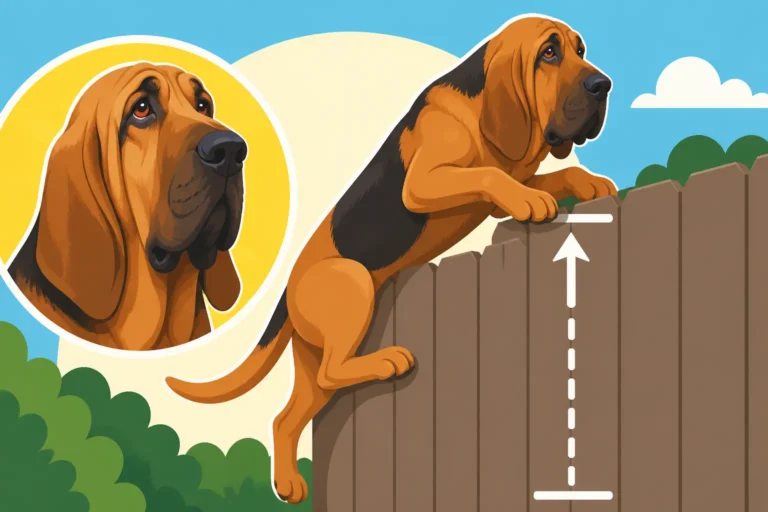
Whether a Bloodhound Fits Around a Working Day
Many aspiring Bloodhound owners dream of bringing one of these magnificent, floppy-eared hounds into their home, but they often grapple with the very real concern of how such a unique dog will fit into a typical 9-to-5 workday schedule. It's a valid worry, given their specific needs and famous voices. This guide will meticulously break down the challenges and offer actionable strategies to successfully integrate a Bloodhound into your life, even with a demanding job.
Understanding the Bloodhound's Core Needs Before Your Workday
Before you even think about carving out time in your schedule, it’s crucial to truly understand what makes a Bloodhound tick. They aren't just big, lazy dogs; they are incredible athletes of the nose, with needs that go far beyond a simple walk around the block. Ignoring these fundamental traits will lead to frustration for both you and your future companion.
The Bloodhound's Innate Drive for Scent Work
Let's be real: a Bloodhound's nose isn't just "good," it's legendary. This isn't a casual hobby for them; it's their entire world, their reason for being. They possess an astounding number of scent receptors, and their long, sweeping ears act like natural scent funnels, concentrating odors directly into their phenomenal olfactory system. When a Bloodhound catches a whiff of an interesting trail, every other thought, every trained cue, every desire to please you, often goes right out the window. Their focus becomes singular and intense, almost a meditative state as they process the tapestry of smells around them.
This profound instinct means that their mental health and satisfaction are deeply tied to exercising their nose. A Bloodhound that isn't allowed to "work" its nose, even in a recreational capacity, is a Bloodhound that will likely become bored, anxious, and destructive. They're not being stubborn; they're fulfilling their biological imperative. You simply cannot out-compete the allure of a captivating scent trail. This is why you'll often hear that A Bloodhound's Nose Outvotes Its Handler. Understanding this isn't just academic; it's foundational to planning their day, especially when you can't be there to guide them. Their brain is wired to trail, and if you don't provide an outlet, they will find their own, often to your furniture's detriment.
Exercise Requirements for a Growing Bloodhound vs. an Adult
Many people assume a Bloodhound, being a large breed, needs endless miles of running. While they certainly enjoy a good ramble, their exercise needs are more nuanced than pure endurance. For a Bloodhound puppy, excessive forced exercise, especially high-impact activities like long runs or intense fetch sessions, can actually be detrimental to their developing joints. These magnificent creatures grow very rapidly, and their bones and ligaments need time to solidify properly. Think of it like building a skyscraper; you wouldn't rush the foundational concrete. Instead, puppies need frequent, shorter bursts of activity, ample playtime, and controlled walks that allow for sniffing and exploration.
As they mature into adults, typically around 18-24 months, their physical stamina increases, but the emphasis often remains on quality over quantity when it comes to exercise. A brisk walk might be okay, but a concentrated scent work session, even for just 20-30 minutes, can be far more mentally exhausting and satisfying for a Bloodhound than an hour of mindless jogging. They need an outlet for their intelligence and their powerful nose. Simply letting them out in a large yard isn't enough; they need engagement. For a deeper dive into their activity needs, check out How Much Exercise a Bloodhound Actually Needs. A tired Bloodhound is often a content Bloodhound, but "tired" for them means mentally stimulated and physically engaged, not just worn out from a treadmill.
The Baying Factor: Noise and Neighbor Considerations
Oh, that glorious, resonant bay! It's one of the Bloodhound's most iconic traits, a sound that can send shivers down your spine in a good way, connecting you to centuries of trailing history. But let's be honest, that deep, booming vocalization, while beautiful to some, can be… a lot. For neighbors, especially if you live in close proximity in a subdivision or an apartment, it can quickly become a significant source of contention. Bloodhounds bay for various reasons: when they're excited, when they catch a compelling scent, when they're lonely, or sometimes, it seems, just because they can.
This isn't a bark that can be easily "trained out" in the traditional sense; it's an inherent part of their breed. While you can certainly work on reducing excessive or nuisance baying through training and management, a Bloodhound will always have that voice. If your working day involves leaving your Bloodhound alone for long stretches, their baying can become a major issue. Boredom and isolation are huge triggers, and a lonely Bloodhound will often express its feelings through a mournful, drawn-out bay that carries surprisingly far. This is why anyone considering a Bloodhound needs to have a frank conversation with themselves and their family about tolerance for noise, and potentially, with their neighbors too. Understanding The Baying a Bloodhound Cannot Be Trained Out Of is vital for harmonious living.
Strategies for Managing a Bloodhound During Your Working Hours
Okay, so you understand their unique quirks and powerful drives. The question remains: how do you actually make it work when you're punching the clock? It's not about magic, but about meticulous planning, commitment, and often, creative solutions.
Maximizing Morning Time: Before You Clock In
The hours before you head out for work are absolutely precious when you have a Bloodhound. This isn't just about a quick potty break; it's your prime opportunity to set your hound up for success during the long hours of your absence. A quick trail walk can make all the difference. This doesn't need to be an elaborate, hour-long excursion every single day. Even a 15-20 minute "find it" game in your backyard or a local park (on a long line, of course!) where you've hidden some treats or a favorite toy can engage their brain and satisfy that primal scent drive. It taps into their natural instincts, providing mental stimulation that can be far more tiring than a simple stroll.
Think of it as filling their mental gas tank for the day. A Bloodhound that has had a chance to use its nose is often a much calmer, more settled dog for the remainder of the morning. Don't forget their breakfast! Many Bloodhound owners split their dog's daily food ration into two or even three smaller meals to help prevent bloat, a life-threatening condition. A morning meal, eaten calmly, followed by a short rest period, is crucial before any major activity. Remember, Mantrailing Is the Answer to a Bloodhound, Not Obedience for their mental well-being, and a short morning trail can fulfill that need.
Enriching Their Day: What Happens While You're Away
Leaving a Bloodhound alone for an entire workday can be a recipe for disaster if not managed proactively. These dogs crave engagement, and if they don't get it from you, they'll find it elsewhere – often with your couch cushions or doorframes. Crate training, introduced positively and patiently from puppyhood, can be an invaluable tool. It provides a safe, den-like space where your Bloodhound feels secure and can't get into trouble. However, even the most crate-trained dog shouldn't be cooped up for 8-10 hours without a break.
For those who have a securely fenced yard, allowing supervised outdoor access (emphasis on supervised where possible, even by camera) can offer a change of scenery, but again, it’s not enough on its own. They need enrichment. Puzzle feeders, often found on Amazon, are fantastic for making mealtime last longer and engage their problem-solving skills. Toys that dispense treats, durable chew toys (like KONGs stuffed with peanut butter or yogurt and frozen), or snuffle mats can help keep their minds busy and prevent boredom-induced destructive behaviors. Regularly rotating these toys can keep things fresh and interesting. The goal is to make their alone time as stimulating and comfortable as possible, rather than a period of endless boredom. This proactive approach helps determine How Long a Bloodhound Copes Alone without resorting to mischief.
Midday Solutions: Walkers, Daycare, or Home Visits
For many Bloodhound owners, especially those with long workdays, a midday solution isn't a luxury; it's a necessity. Leaving a large dog alone for eight or nine hours is a long stretch, both for their bladder and their mental state.
Here's a breakdown of common options:
- Dog Walkers: A professional dog walker can be a lifesaver. They can come to your home, let your Bloodhound out for a potty break, and ideally, provide a good sniff-walk or even a short scent game. The key here is finding a walker who understands the unique needs of a scent hound. A quick run might not be as beneficial as a slower, more deliberate walk where the Bloodhound can thoroughly investigate all the smells. Interview them carefully; ask about their experience with hounds and their approach to enrichment. This personalized attention can break up the day wonderfully. You'll want someone who knows Whether a Sitter Will Handle a Bloodhound and their strong instincts.
- Doggy Daycare: Daycare can be a fantastic option for some dogs, offering socialization and constant supervision. However, Bloodhounds aren't always ideal candidates for every daycare setting. Their independent, scent-driven nature means they might not be as interested in boisterous play with other dogs as a Labrador might be. Overstimulation can also be an issue. If you consider daycare, look for facilities that offer separate play areas for different temperaments and have staff trained in managing large breeds. Crucially, they should understand that a Bloodhound's idea of fun might be following a trail rather than wrestling.
- Family/Friends: If you have a trusted family member or friend who lives nearby and understands Bloodhounds, a midday visit from them can be a cost-effective and comforting solution. They can offer a familiar face, a potty break, and some much-needed human interaction.
- Work-from-Home Flexibility: For those lucky enough to have it, a hybrid work schedule or fully remote work can be the absolute best solution. Even being home for a couple of hours midday can provide the necessary breaks and engagement a Bloodhound needs.
| Midday Solution | Pros | Cons | Ideal For |
|---|---|---|---|
| Dog Walker | Personalized attention, potty break, sniff-walk | Cost, finding a hound-savvy walker | Owners needing a reliable, tailored service |
| Doggy Daycare | Socialization, constant supervision (if suited) | Cost, potential overstimulation, not all Bloodhounds thrive | Social Bloodhounds who enjoy group play and have high energy |
| Family/Friends | Cost-effective, familiar face, trusted relationship | Reliability, potential imposition, not always available | Owners with a strong local support network |
| Work-from-Home | Maximum flexibility, direct supervision, no extra cost | Not an option for everyone, requires self-discipline | Owners with flexible jobs or those working remotely |
Making the Most of Evenings and Weekends with Your Bloodhound
Your time outside of work isn't just "free time"; it's dedicated Bloodhound time. This is where you truly forge your bond, meet their needs, and prevent those workday management strategies from becoming stress-induced band-aids.
Post-Work Wind-Down and Engagement
When you finally walk through the door after a long day, your Bloodhound has been waiting. This is not the time to collapse on the couch. Instead, anticipate their energy and enthusiasm. A quick potty break is usually first on the agenda, but after that, it's time for some quality engagement. This might be another short scent game in the yard, a quiet training session indoors, or a longer sniff-walk around the neighborhood. The key is to provide focused attention and an outlet for their stored energy and mental capacity.
This evening session is crucial for their well-being and for solidifying your relationship. It’s a chance to decompress from the day and reconnect. For a puppy or young Bloodhound, these consistent evening routines are part of building a solid foundation. You're teaching them that while you're gone during the day, you always come back ready to engage with them. Consider diving into topics like The First Year With a Bloodhound That Already Wants to Trail to understand how to channel their natural drive from a young age into productive activities.
Weekend Adventures: Unleashing Their Potential
Weekends are your Bloodhound's time to shine! This is when you can truly lean into their incredible abilities and provide the kind of enriching experiences they were born for. Think long, meandering sniff-walks on a secure long line in a park, through fields, or even light wooded areas. These aren't about covering vast distances at speed; they're about allowing your Bloodhound to methodically work a scent, to investigate every interesting odor, and to truly be a Bloodhound.
Recreational mantrailing (human scent tracking) can become a fantastic hobby for both of you. You can take classes, join local groups, or even set up simple trails for each other with friends. This activity is the ultimate physical and mental workout for a Bloodhound, leaving them deeply satisfied and happily exhausted. Always prioritize safety: a long line (15-30 feet) is essential, as their nose will override any recall cue once they're on a trail. These dedicated scent sessions are paramount because, as we've discussed, Mantrailing Is the Answer to a Bloodhound, Not Obedience for their specific breed traits. Investing in a good quality long line and a comfortable harness (many options available on Amazon) is a must for these adventures.
Training as a Lifestyle: Integrating Learning
Training a Bloodhound isn't a one-time event; it's an ongoing dialogue and a way of life. They aren't always the fastest to respond to traditional obedience cues, not because they're unintelligent, but because their nose often offers more compelling information. They are incredibly smart and observant, but their motivations are different. Focus on positive reinforcement methods, rewarding what you want them to do rather than punishing what you don't. Keep sessions short, fun, and varied to maintain their interest.
Integrating training into your daily routine, even for a few minutes here and there, can be highly effective. Basic manners, impulse control around exciting scents, and loose-leash walking are all crucial skills. Platforms and resources like BAXTER & Bella offer online programs and support that can be invaluable for new owners, teaching you how to communicate effectively with your hound. They need to understand the rules of your house and world, and consistent, fair training is how you build that mutual understanding. Don't be discouraged if they take a moment to process your request; they're often thinking it through! Knowing How Long a Bloodhound Takes to Learn Something New will help manage your expectations and keep training positive.
The Reality Check: Is a Bloodhound the Right Fit for Your Schedule?
After all this discussion, it's time for a moment of honest introspection. Owning a Bloodhound, especially with a working day, is not for the faint of heart or the casually committed. It requires significant effort, adaptability, and often, financial investment.
Assessing Your Lifestyle Honestly
Before you bring a Bloodhound home, sit down and genuinely assess your lifestyle. How much free time do you really have outside of work commitments? Are you an early riser willing to dedicate 30-45 minutes to a morning scent game, rain or shine? Are you prepared to come home and immediately engage with your dog, even when you're tired? Do you have the financial resources to hire a dog walker or invest in daycare if needed? Bloodhounds are not low-maintenance pets. Their grooming needs (ears, wrinkles), health predispositions (bloat, eye issues), and training requirements mean they are a significant time and money commitment.
If you're already stretched thin, travel frequently, or have minimal flexibility in your schedule, a Bloodhound might not be the right fit. It's an incredibly rewarding breed, but only if their profound needs are consistently met. This commitment extends for their entire lifespan, which, while not as long as some breeds, still means many years of dedicated care. Consider the article Whether a Bloodhound Is Too Much Dog for Most People for a broader perspective on their suitability as a pet.
The Importance of a Support System
No one can do it all alone, especially when juggling a demanding job and a Bloodhound. Having a reliable support system is absolutely crucial. This could include:
- Family Members: If you live with others, ensure everyone is on board and willing to share the responsibilities. Can a spouse or older child help with morning walks or evening play?
- Trusted Friends/Neighbors: Having someone you can call in a pinch for an emergency potty break or a weekend walk if you're unexpectedly delayed can be invaluable.
- Professional Services: Budget for professional dog walkers, pet sitters, or occasional daycare. These services are often non-negotiable for busy Bloodhound owners. Build relationships with these professionals before you need them.
- Veterinary Care: Establish a relationship with a veterinarian who understands large breeds and is familiar with Bloodhounds' common health concerns.
A robust support system doesn't make you a less dedicated owner; it makes you a responsible one. It ensures that even on your busiest days, your Bloodhound's needs are still met.
Long-Term Commitment and Adaptability
A Bloodhound's average lifespan might be shorter than some other breeds, but it's still many years of commitment. Their needs will evolve as they age, from the boisterous energy of puppyhood to the senior years where joint care and different forms of mental stimulation become more important. Your own life and work schedule might also change over time. Being a Bloodhound owner means being adaptable. It means prioritizing their well-being, sometimes above your own convenience or leisure.
For the right person, someone willing to embrace their unique personality, dedicate the time to their nose, and manage their vocalizations, a Bloodhound can be the most loyal, loving, and endlessly fascinating companion. They bring an unmatched joy and connection to the world of scent. But it's a journey that demands thoughtful preparation and unwavering commitment.
Disclaimer
This article is for general informational purposes only and does not constitute professional advice. Laws, prices and regulations vary by location and change over time. Consult a qualified professional for guidance on your specific situation.