Whether a Bloodhound Belongs in the Obedience Ring
If you've ever owned a Bloodhound, you know that the idea of them performing a perfect heel in a crowded obedience ring might feel like a punchline. These magnificent, driven dogs are often perceived as stubborn or difficult to train, leading many owners to wonder if traditional obedience competitions are even a realistic goal. This guide aims to tackle that very question, exploring why the Bloodhound's unique nature can make the obedience ring a challenging environment and what alternative paths might better suit their incredible talents.
Understanding the Bloodhound's Drive: Scent Above All
Let's be real: your Bloodhound's brain is wired differently than, say, a Border Collie's. While a Border Collie lives to please and respond to cues, your Bloodhound lives to sniff. This isn't a flaw; it's the very essence of their being, honed over centuries. Trying to fit that square peg into the round hole of traditional obedience without acknowledging this fundamental difference is where many owners hit a wall.
The Primacy of the Nose
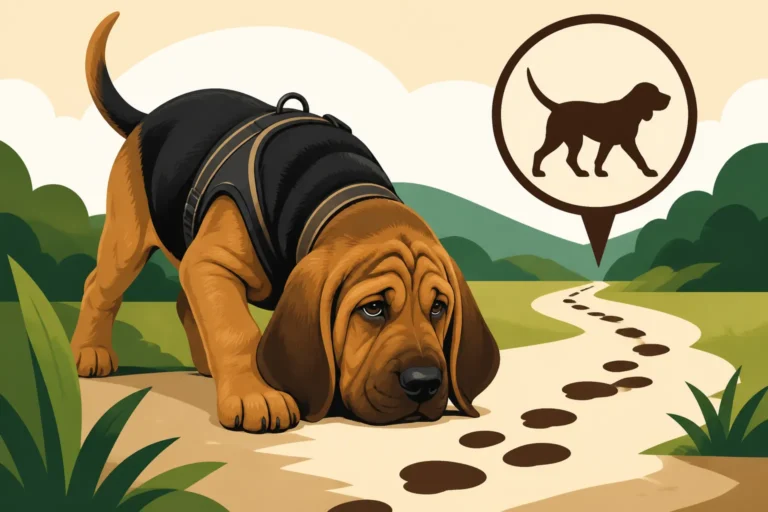
Imagine having a superpower so overwhelming it dictated every waking moment. For your Bloodhound, that superpower is their nose. It's not just "good" – it's phenomenal, legendary even. When a Bloodhound drops its head and engages that incredible olfactory system, the rest of the world, including you and your carefully practiced "sit," often ceases to exist. They are literally following a trail that you can't see, smell, or comprehend, and for them, that trail is the most compelling thing in the universe.
This intense focus on scent means that external distractions in an obedience ring – the smell of other dogs, lingering treats, even the subtle human scents in the air – aren't just distractions; they're tantalizing invitations to engage their primary drive. A judge's clap or the handler's earnest encouragement simply pales in comparison to the complex narrative unfolding beneath their mighty nose. This isn't defiance; it's instinct. It’s why you'll often hear that A Bloodhound's Nose Outvotes Its Handler. Their natural inclination isn't to obey a verbal command when a scent tells a far more urgent story.
The "Stubborn" Misconception
It's easy for frustrated owners, or even observers, to label a Bloodhound as "stubborn" when they seem to ignore a known command. However, this interpretation often misses the mark. A Bloodhound isn't being willfully disobedient; they are simply prioritizing. Their drive to follow scent is so profound that it often overrides their desire to comply with human requests, especially in an environment rich with olfactory information. Think of it less as stubbornness and more as unwavering dedication to their life's purpose.
This breed was developed not to perform tricks or follow complex patterns on cue, but to relentlessly pursue a trail for miles and hours, often independently, to find what was lost. Their intelligence is immense, but it's situational intelligence, geared towards problem-solving on a trail. When you ask them to hold a perfect stay while another dog walks by, their brain isn't thinking, "How can I hold this stay?" It's thinking, "What fascinating information is that other dog leaving behind?" This profound drive makes conventional training methods, which rely heavily on consistent compliance, a particular challenge. Why a Bloodhound Ignores a Cue It Knows isn't because they don't know it, but because something else is far more interesting to their unique brain.
Why Traditional Obedience Can Be a Mismatch
Considering the Bloodhound's intrinsic nature, it becomes clearer why the structured, precise world of traditional obedience competitions often clashes with their talents. It's not that they can't learn; it's that the style of learning and performance demanded isn't aligned with their genetic blueprint.
The Pacing and Precision Problem
Traditional obedience routines, whether in Novice, Open, or Utility, demand a level of precision, focus, and consistent pacing that goes against the Bloodhound's natural working style. Picture a Bloodhound on a trail: their head is down, nose glued to the ground, moving at a steady but often meandering pace, stopping to analyze, then picking up speed. Now, imagine asking that same dog to perform a brisk, perfectly straight heel with their head up, maintaining eye contact, making sharp turns, and sitting instantly and silently on command.
The contrast is stark. Bloodhounds are not bred for quick, flashy movements or instant responses. They are deliberate, methodical, and often slow to react to verbal cues when their nose is engaged. Their physical structure also plays a role. With their heavy, pendulous ears, deep chests, and loose skin, they aren't built for agility in the same way a herding dog might be. Expecting them to conform to the tight turns and rapid transitions of an obedience ring is asking them to fight both their instincts and their physicality. The concept of "drilling" a Bloodhound, repeating a command endlessly for perfection, can quickly lead to disengagement, as Why Drilling Loses a Bloodhound illustrates. They learn quickly, but often on their own terms, and repetition for repetition's sake often loses them.
The Independent Contractor Mentality
Bloodhounds are, in many ways, independent contractors. On a trail, they are the ones making the decisions, interpreting the scent, and solving the puzzle. Their handler is a guide and a resource, but the hound is truly in charge of the actual tracking. This deeply ingrained independence translates into their general behavior. They might know a command perfectly well at home, but when presented with a choice between following your instruction or investigating a fascinating scent puddle, their internal decision-making process is heavily skewed towards the latter.
This "I'll do it when it makes sense to me" attitude, combined with their profound drive, means that sustaining the high level of focused attention required for obedience trials is incredibly difficult. How Long a Bloodhound's Attention Lasts in a Session is often directly proportional to how engaging the activity is to them. A five-minute session of enthusiastic scent work? Absolutely. Twenty minutes of repetitive heeling in a sterile environment? You'll be lucky if you get half of that before their nose takes them on a mental journey to wherever the most interesting smell originates. This isn't a lack of intelligence, but a different kind of intelligence, one that values problem-solving over rote compliance.
Finding the Right Arena for Your Bloodhound
So, if the traditional obedience ring isn't their natural habitat, where do Bloodhounds truly shine? The answer, unequivocally, lies in activities that engage their unparalleled sense of smell.
Mantrailing and Scent Work: Their True Calling
This is where your Bloodhound transforms from a "stubborn" pet into a majestic, dedicated partner. Mantrailing, also known as tracking or trailing, harnesses their core genetic purpose. Instead of fighting their nose, you're embracing it, giving them a "job" that is both mentally stimulating and physically fulfilling. In mantrailing, your Bloodhound follows the individual scent of a specific person, often over varying terrain and distances. This is what they were literally bred to do.
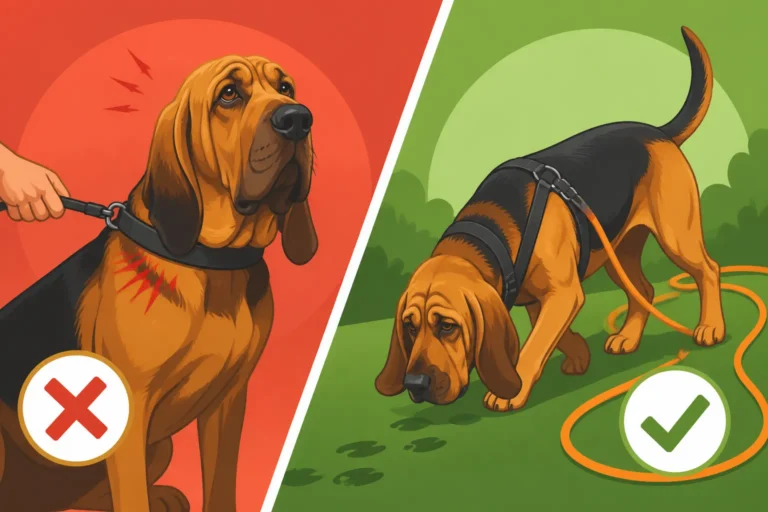
Think about it: they get to put their nose down, follow a trail, and be rewarded for their incredible detective work. This satisfies their deepest instincts. Whether it's formal search and rescue training, competitive tracking events, or simply fun "find the person" games in your backyard, scent work offers an outlet that traditional obedience simply cannot. Many organizations and trainers offer introductory scent work classes that cater specifically to breeds like Bloodhounds. You can find harnesses specifically designed for tracking on platforms like Amazon, alongside long lines that allow them the freedom to work a trail while maintaining a connection to you. Learning How to Introduce a Bloodhound Puppy to a Scent Article early on can set a fantastic foundation for a lifetime of rewarding scent work. If you're wondering Whether a Pet Bloodhound Should Do Scent Work Classes, the answer is almost always a resounding yes! Even recreational scent work can be incredibly enriching for them.
Beyond mantrailing, there are other scent-based activities that Bloodhounds can excel at, such as Barn Hunt or K9 Nose Work. These activities tap into their natural desire to find specific odors, offering structured games that are highly rewarding for them. Whether a Bloodhound Can Do Barn Hunt is a great question, and many absolutely thrive on the challenge of locating "rats" (safely enclosed, of course!) in a straw bale maze.
Building Foundational Skills for Real-World Success
While high-level competitive obedience might not be their forte, foundational obedience is still crucial for a well-behaved Bloodhound. Knowing basic commands like "sit," "stay," "come," and a reliable "leave it" makes living with such a powerful, scent-driven dog much safer and more pleasant. These commands, however, are best taught in short, positive, and highly rewarding sessions, often without the immense pressure of a formal ring.
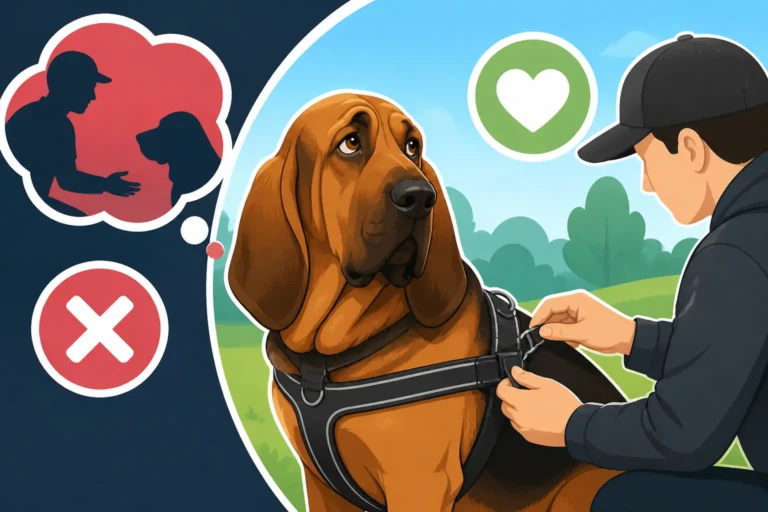
Focus on practical obedience that enhances their everyday life. A solid recall, for example, is vital for managing them in safe, fenced areas, even if they'll never be reliably off-leash in an unfenced space. Working on leash manners, not for a perfect heel in a show ring, but to ensure you can comfortably walk them past tempting smells without being pulled off your feet, is far more valuable. This practical approach acknowledges their unique needs. For example, What a Bloodhound Will Work For often involves high-value treats and enthusiastic praise, especially when they're asked to disengage from a fascinating scent. Online resources and programs, like those offered by BAXTER & Bella, can provide structured guidance for these foundational skills, allowing you to train at home at your Bloodhound's own pace, free from the judgment and distractions of a formal class.
Setting Realistic Expectations and Embracing Their Gifts
Ultimately, the question of whether a Bloodhound "belongs" in the obedience ring depends on your definition of belonging and success. If your vision is a dog that performs flawless, flashy routines, then perhaps not. But if your definition includes a dog that is engaged, happy, and fulfilling its genetic destiny, then the answer changes dramatically.
The Joy of a "Good Enough" Obedience
For a Bloodhound, "good enough" obedience for real-world living is a massive achievement and a source of immense joy for both dog and owner. This means a dog that comes when called (most of the time, and usually with a tempting treat involved), walks politely on a leash without dragging you down the street, and understands boundaries within the home. It’s about effective communication and mutual respect, rather than striving for perfect, robot-like execution.
Embrace the quirks! The slow, deliberate response to a "sit" while their nose is still analyzing a crumb on the floor is part of their charm. Celebrate the moments when they do comply, even if it took a moment longer than a breed with less olfactory "noise" in their head. The satisfaction comes from understanding why they respond the way they do and adapting your expectations to their incredible, unique abilities. Instead of seeing their deep sniffing as a failure, see it as a reminder of the amazing scent machine you have by your side.
Harnessing Their Drive, Not Fighting It
The biggest secret to a harmonious life with a Bloodhound is to work with their instincts, not against them. Instead of trying to train the "sniff" out of them, channel it. Provide ample opportunities for scent work. A Bloodhound that gets regular, fulfilling scent sessions is often a much calmer, more focused, and more agreeable companion in other aspects of life. Whether Twenty Minutes of Scent Work Settles a Bloodhound is a question many owners ponder, and the answer is a resounding yes – mental stimulation is often more exhausting and satisfying for them than physical exercise alone.
| Feature | Traditional Obedience Ring Suitability | Scent Work/Mantrailing Suitability |
|---|---|---|
| Primary Drive | Often clashes with strict focus | Perfectly aligns with instinct |
| Pacing | Demands brisk, precise movements | Accommodates deliberate, methodical movements |
| Precision | High demand for exact execution | Focus on problem-solving, not perfect form |
| Attention Span | Challenging to sustain in sterile setting | Highly engaged and enduring |
| Independent Thinking | Can be seen as "stubborn" | Essential for success on trail |
| Physical Build | Not ideal for quick changes of pace | Well-suited for varied terrain and long work periods |
| Reward System | Can be difficult to motivate consistently | Highly motivating; finding the target is the ultimate reward |
This shift in perspective can transform your relationship with your Bloodhound. You might not bring home a blue ribbon from the obedience ring, but you'll have a fulfilled, well-adjusted dog that knows how to use its extraordinary gifts. And isn't that, in its own way, the greatest win of all? After all, Mantrailing Is the Answer to a Bloodhound, Not Obedience for a reason – it truly lets them be who they are, in all their magnificent, nose-driven glory.
Disclaimer
This article is for general informational purposes only and does not constitute professional advice. Laws, prices and regulations vary by location and change over time. Consult a qualified professional for guidance on your specific situation.