Whether Twenty Minutes of Scent Work Settles a Bloodhound
It’s a common scenario: you’ve got a big, energetic Bloodhound who’s been zooming around, perhaps giving you a good bay or two, and you’re wondering if a focused twenty-minute burst of scent work might be just the ticket to help them settle down. Many of us hope for that magical "off switch" in our active dogs, and for a Bloodhound, whose entire being is wrapped up in scent, it seems like the most logical solution. This guide will dive deep into whether that quick session is enough to truly calm your Bloodhound, exploring their unique drive and how best to meet their profound needs.
The Bloodhound's Unparalleled Nose: A Genetic Imperative
Understanding a Bloodhound means understanding their nose. It's not just a part of them; it is them. Their entire physiology, from those long, dew-lapped ears that sweep scent into their massive nasal passages to the deep wrinkles on their faces that trap scent particles, is designed for one purpose: to follow a trail. So, when we talk about settling a Bloodhound, we first have to appreciate the immense, almost overwhelming, power of their scenting ability.
Why a Bloodhound Lives to Trail
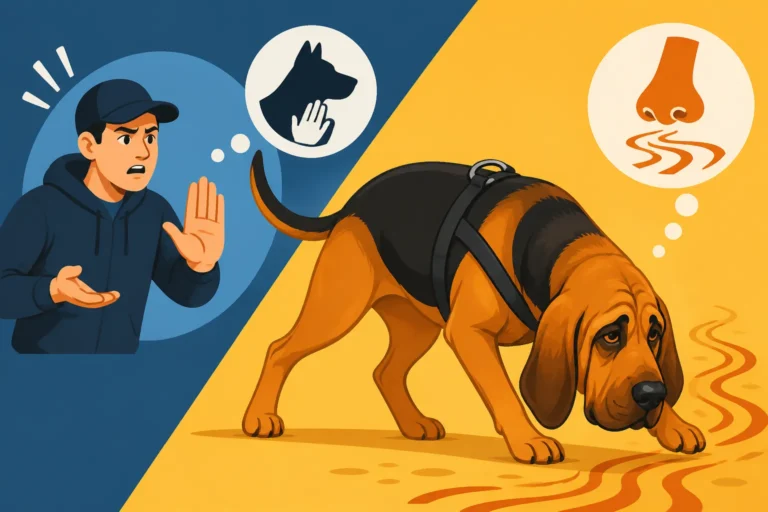
A Bloodhound isn't just good at smelling; they are driven by it. For them, a scent isn't just a smell; it's a story, a puzzle, an irresistible summons. Once that nose hits a trail, everything else fades away. It’s an ancient, deeply ingrained instinct that has been honed over centuries, leading to their unique legal standing as the only dog whose trailing evidence stands in court. This means that engaging their nose isn't just a fun activity; it's fulfilling a fundamental need. When you ask if twenty minutes of scent work can settle them, you're tapping into a need as primal as their need to eat or sleep. It's more than just exercise; it's mental stimulation on an entirely different level. They're working their brains, processing an unimaginable amount of information, and making decisions based on subtle olfactory cues. It’s no wonder that a dog that isn't regularly allowed to use this incredible gift can become restless, frustrated, and sometimes even destructive. Think of it like a highly intelligent person who is never allowed to read or learn anything new – they'd become bored and agitated quickly, and a twenty-minute crossword puzzle might help momentarily, but wouldn't solve the underlying need for continuous mental engagement. A Bloodhound's Nose Outvotes Its Handler vividly illustrates this point – once they're on a scent, your voice becomes background noise.
The Difference Between Mental and Physical Fatigue
It's tempting to think of all dog energy as the same, but it's crucial to differentiate between physical and mental fatigue, especially with a Bloodhound. A brisk walk might tire their legs, but it does little for their incredible brain, which is constantly seeking a challenge. Imagine sending an Olympic marathon runner to a chess tournament; while intellectually engaging, it wouldn't satisfy their need for physical exertion. Similarly, a Bloodhound needs both.
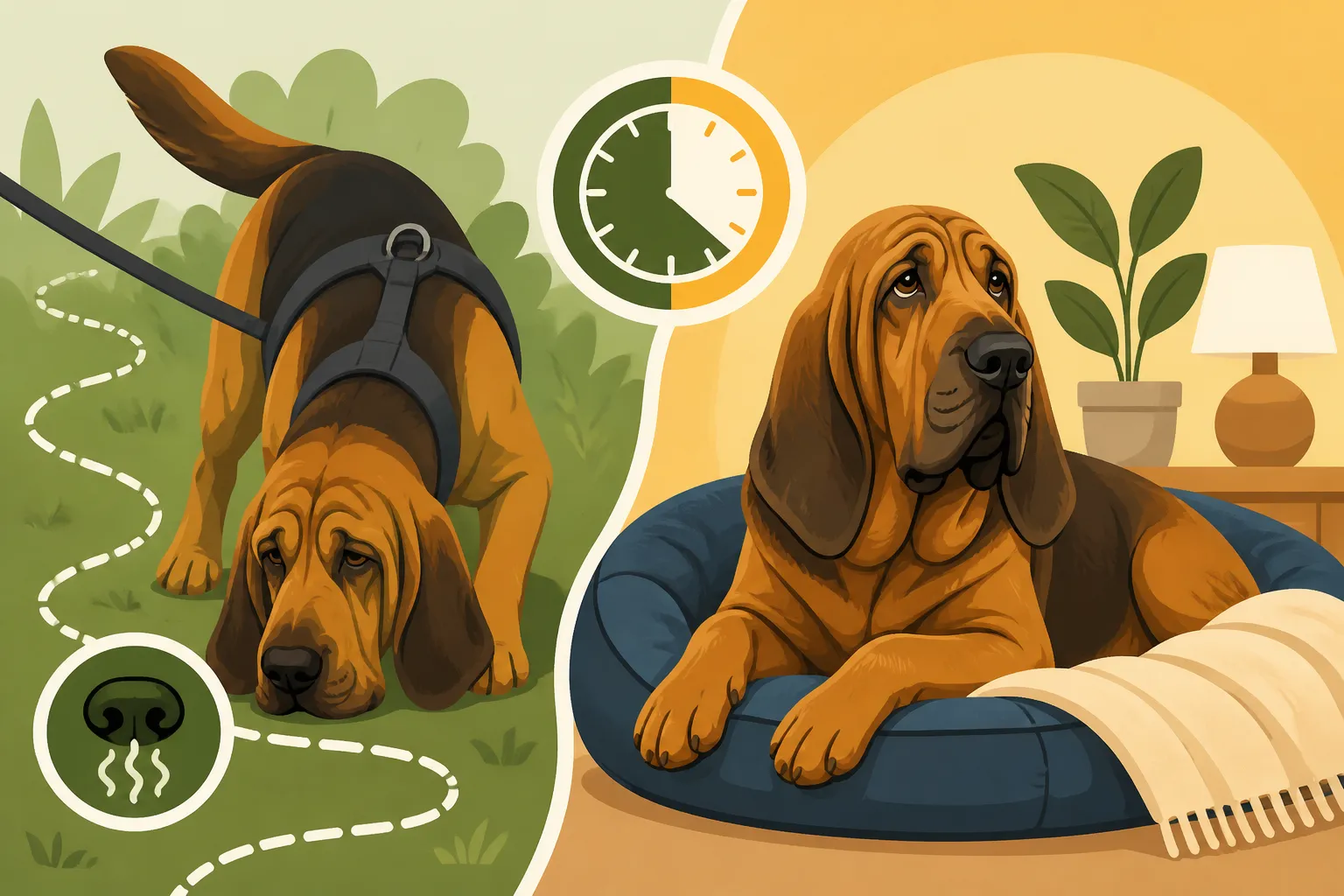
Twenty minutes of vigorous physical activity, like a fast run or intense fetch (if your Bloodhound is even interested in fetch, which many are not!), might leave them physically tired. Their muscles ache, and they'll likely flop down for a nap. However, this doesn't always translate to a settled state if their brain hasn't also been given a workout. Conversely, twenty minutes of intense scent work, where they're focused, problem-solving, and utilizing their deepest instincts, can be incredibly draining on their mental resources. They're concentrating, making choices, and pushing their sensory limits. This kind of mental exertion often results in a dog who is calm and thoughtful, rather than just physically worn out. They might not be panting, but their brain has been to the gym. However, a Bloodhound still has a lot of physical energy to burn. How Much Exercise a Bloodhound Actually Needs details how important consistent movement is for them. The ideal scenario for a truly settled Bloodhound is a blend of both: satisfying their physical needs and then, critically, engaging their magnificent nose and brain.
The Magic (and Limits) of Twenty Minutes of Scent Work
So, you've got twenty minutes set aside. Can that concentrated period of scent work really make a difference for your Bloodhound? The short answer is yes, absolutely, it can make a difference. But the long answer is, "it depends," and it's probably not a magic bullet for all their energy or restlessness.
What Twenty Minutes Can Achieve
Even a short, focused twenty-minute session of scent work can be incredibly beneficial for a Bloodhound. Think of it as a mental palate cleanser, a deep dive into their happy place. During these twenty minutes, your Bloodhound is fully engaged. They're not just sniffing around the yard aimlessly; they are actively searching, discriminating scents, and problem-solving. This kind of intense focus requires a significant amount of mental energy. Many owners report that after a focused scent session, their Bloodhound is calmer, more content, and ready for a good nap. It helps satisfy that innate drive to use their nose, which can reduce anxiety, prevent boredom, and even curb unwanted behaviors that stem from pent-up mental energy. It’s a wonderful way to build their confidence, too, as they succeed at a task they are naturally gifted at. Whether Nose Work Tires a Bloodhound More Than Walking explains how this mental exertion can be profoundly tiring. Even a relatively short period can be impactful because it’s so specifically tailored to their breed’s core purpose.
For instance, a simple "find it" game in your living room, hiding treats under overturned cups or scattering their kibble across a snuffle mat, can engage them surprisingly deeply. Or, taking them out on a short, defined track in a local park where you've laid a simple trail can give them a burst of satisfaction. It’s not about the duration as much as the intensity and focus within that timeframe. These sessions can be fantastic for winding down after a busy day, or as a focused activity when outdoor exercise isn't possible due to weather.
The Intensity Factor: Not All Scent Work Is Equal
Twenty minutes of sniffing around the yard is very different from twenty minutes of structured mantrailing or advanced scent detection work. The intensity of the scent work profoundly impacts how much it will settle your Bloodhound.
| Type of Scent Work | Description | Mental Effort | Physical Effort | Settling Effect (20 mins) |
|---|---|---|---|---|
| Casual Sniffing (Yard) | Unstructured exploration, general sniffing of surroundings. | Low-Medium | Low | Mild |
| Snuffle Mat/Puzzle Toy | Finding hidden treats in a mat or toy. | Medium | Low | Moderate |
| Indoor "Find It" Game | Hiding treats in specific locations (e.g., under cups, behind furniture). | Medium-High | Low-Medium | Moderate-Good |
| Short Scent Trail (Basic) | Following a pre-laid human scent trail (e.g., in a park). | High | Medium | Good |
| Focused Object Search | Finding a specific scented object (e.g., essential oil swab). | High | Low-Medium | Very Good |
A casual sniff around the yard for twenty minutes, while pleasant, won't provide the same mental workout as a focused session where they have to discriminate between scents, follow a specific trail, or locate a hidden article. For a truly settling effect, the scent work needs to be challenging enough to engage their higher cognitive functions. This means laying trails that require them to think, to work through distractions, and to solve a puzzle. If your Bloodhound is merely ambling along, it's more like a leisurely stroll than a dedicated workout. To maximize the settling effect within those twenty minutes, aim for activities that demand their full attention and utilize their discriminatory scenting abilities. Mantrailing Is the Answer to a Bloodhound, Not Obedience speaks directly to this focus on natural instinct.
When Twenty Minutes Just Isn't Enough
While twenty minutes of focused scent work is certainly valuable, it's often not enough to fully satisfy a Bloodhound's profound need for mental and physical exertion, especially for younger or particularly high-drive individuals. Think of it this way: if you spent twenty minutes doing a crossword puzzle, would that be enough mental stimulation for your entire day, especially if you had an incredibly intelligent, restless mind? Probably not.
Bloodhounds have immense stamina, both physically and mentally. Their history as persistent trackers means they are bred to work for extended periods. How Long a Bloodhound Can Work Before It Tires clearly indicates their capacity for sustained effort. A twenty-minute session might be a great start or a valuable supplement, but if it's the only mental exercise they get in a day, you might still find yourself with a restless, vocal, or mischievous hound. They might settle for an hour or two, but then that boundless energy and intellectual curiosity will start bubbling up again. This is especially true if the twenty minutes isn't paired with sufficient physical exercise. A Bloodhound might have exhausted their brain trying to find a hidden person, but still have plenty of physical energy to dig up your prize-winning roses or counter-surf for snacks. So, while beneficial, manage your expectations: it's a piece of the puzzle, not the whole picture.
Integrating Scent Work into a Holistic Routine
Achieving a truly settled Bloodhound involves more than just individual activities; it’s about a comprehensive approach to their daily life. Scent work is a crucial component, but it needs to fit into a larger framework of physical exercise, consistent training, and appropriate enrichment.
Combining Scent Work with Physical Exercise
For a Bloodhound, a truly settled state often comes from a combination of physical activity that tires the body and mental stimulation that tires the brain. Simply doing twenty minutes of scent work, no matter how intense, won't replace a good, long walk or another form of appropriate physical exercise. Bloodhounds are large, sturdy dogs with decent endurance, and they need to stretch their legs.
Imagine your Bloodhound has just had a fantastic twenty-minute scent session, following a challenging track. Their brain is humming, they're feeling accomplished, and they might even lie down for a short rest. But after that mental cool-down, they still have that big, powerful body that needs to move. A subsequent walk, perhaps on a long line in a safe, interesting area where they can still sniff but aren't actively trailing, can help burn off residual physical energy. Or, a session of active play with another dog (if they are social) or even just a good romp in a securely fenced yard. The key is balance. You want to avoid over-exerting a young Bloodhound whose joints are still developing, but consistent, moderate exercise is vital. Consider scheduling your scent work sessions after some physical activity, or perhaps as a separate, dedicated brain-game session later in the day when their physical energy has already been addressed. This holistic approach helps prevent boredom-related behaviors and ensures a more balanced, content dog.
Optimizing Your Scent Work Sessions
To get the most "settling" power out of your twenty minutes, or any length of scent work, you need to optimize the session. It's about quality, not just quantity.
- Vary the Environment: Don't always do scent work in the same spot. A new environment presents new challenges and new distractions, making the mental exercise more intense. A local park, a friend's yard, or even different rooms in your house can offer fresh scenting puzzles.
- Increase Difficulty Gradually: Start easy. Hide treats in obvious spots, then gradually make them harder to find. Move from stationary hides to short, simple trails, and then to longer, more complex ones with turns or breaks in scent. This keeps your Bloodhound engaged and prevents them from getting bored or frustrated.
- Use High-Value Rewards: Bloodhounds are often highly food-motivated. Use small, smelly, and extremely delicious treats for successful finds. This keeps their drive high. Some Bloodhounds might also work for a favorite toy or enthusiastic praise. What a Bloodhound Will Work For outlines their typical motivators.
- Keep it Positive: Scent work should always be a fun, rewarding experience. Avoid corrections. If your Bloodhound is struggling, make it easier. You want to build their confidence and reinforce their natural abilities.
- End on a High Note: Finish the session while your Bloodhound is still eager and successful, rather than waiting for them to get bored or make mistakes. This leaves them wanting more and looking forward to the next session.
- Consider a Snood: Those long, pendulous ears are magnificent, but they can get in the way during scent work, especially when sniffing close to the ground or eating treats. A snood, which is a fabric tube that holds their ears back, can help keep them clean and out of the way, allowing for more focused work. You can find a variety of snoods on platforms like Amazon.
Tools and Resources for Scent-Driven Dogs
To truly lean into your Bloodhound's natural talents, having the right tools and knowing where to find guidance can make all the difference. You don't need a lot of fancy equipment to get started, but a few key items can enhance your scent work sessions and ensure safety.
- Long Line: For outdoor trailing, a long line (15-30 feet) is absolutely essential. It allows your Bloodhound to range and follow a scent without being off-leash, which is a huge safety concern for a breed so driven by their nose. Why Off Leash Is Not a Goal With a Bloodhound cannot be stressed enough – their focus on scent means they will ignore everything else, including traffic. Ensure it's made of a durable, comfortable material.
- Harness: Always use a well-fitting, comfortable harness for scent work. A collar can put pressure on their throat if they pull, which is common when on a trail. A Y-front or H-back harness distributes pressure evenly across their chest and shoulders.
- Scent Articles: For advanced scent detection, you might use specific articles infused with essential oils (like birch, anise, or clove). You can purchase these kits from pet supply stores or online.
- Training Resources: There are many excellent resources available for teaching scent work. Online training programs, like those offered by BAXTER & Bella, can provide structured lessons and support for owners looking to get started with nose work or trailing. Local dog training clubs often offer scent work classes, which can be invaluable for learning from experienced instructors and getting feedback on your technique. Exploring various types of scent work, from simple "find it" games to more complex Mantrailing Is the Answer to a Bloodhound, Not Obedience, will give both you and your Bloodhound endless enjoyment and mental stimulation. Remember, the goal is to harness their natural abilities in a safe, constructive way.
Managing Expectations for a Truly Settled Bloodhound
As much as we adore our Bloodhounds, it's easy to fall into the trap of thinking a single type of activity will solve all their energy and behavioral quirks. A "settled" Bloodhound isn't just one that's tired; it's one whose fundamental needs are consistently met, leading to a calm, content demeanor.
Understanding the "Off Switch" Myth
Many dog owners, especially those new to working breeds like Bloodhounds, hope for an "off switch" – a point where their dog just relaxes and chills out on command. While training a "place" command or a solid "down" is certainly achievable and valuable, it's important to understand that a Bloodhound's natural state is one of persistent curiosity and drive. Their brains are always working, always sniffing, always processing.
Expecting twenty minutes of scent work, or even an hour, to suddenly transform a high-energy Bloodhound into a couch potato for the rest of the day is often unrealistic. They are bred for stamina and relentless pursuit. While mental work can be incredibly tiring and lead to periods of deep rest, it doesn't fundamentally change their underlying nature. A truly "settled" Bloodhound is one that is not bored, not anxious, and whose instinctual drives have been regularly fulfilled. This means acknowledging that they may need multiple sessions of mental and physical engagement throughout the day, not just one. How Long a Bloodhound's Attention Lasts in a Session shows that while they can focus intensely, their overall mental battery is quite large.
The Importance of Consistent Structure
Beyond individual scent work sessions, a consistent daily routine and clear structure are paramount for a settled Bloodhound. Dogs thrive on predictability, and Bloodhounds are no exception. Knowing when they'll eat, when they'll go out, when they'll play, and when they'll engage in scent work can significantly reduce anxiety and restlessness.
- Regular Exercise Schedule: Establish predictable times for walks, yard play, and active sessions.
- Feeding Routine: Stick to a consistent feeding schedule. For Bloodhounds, who are prone to bloat, feeding two or three smaller meals a day and ensuring rest before and after eating is crucial. Feeding a Bloodhound So It Does Not Bloat is a vital read for all owners.
- Dedicated Training Time: Short, positive training sessions throughout the day, even for basic obedience, reinforce your bond and provide mental engagement. Why a Bloodhound Ignores a Cue It Knows often comes down to their nose, so consistent, rewarding practice is key.
- Quiet Time: Just like toddlers, Bloodhounds benefit from scheduled downtime. A comfortable crate or a designated quiet space can help them learn to relax.
- Enrichment: Beyond formal scent work, provide other forms of enrichment like chew toys, puzzle feeders, and safe opportunities to explore their environment on a long line.
A consistent structure helps your Bloodhound feel secure and understand the flow of their day, which in turn contributes to a more settled and cooperative companion. Without it, even the best scent work sessions might feel like isolated events in an otherwise chaotic day for your dog.
When to Seek Professional Guidance
Sometimes, despite your best efforts with scent work, exercise, and routine, your Bloodhound might still exhibit persistent restlessness, anxiety, or destructive behaviors. This is when it's important to recognize that you might need a little extra help, and there's absolutely no shame in that. Bloodhounds are complex, highly driven dogs, and sometimes their needs require expert interpretation.
If you find that twenty minutes (or even longer) of scent work isn't making a lasting impact, or if your Bloodhound is displaying behaviors that are concerning (excessive baying, destruction, constant pacing, extreme separation anxiety), it's time to consult a professional.
- Certified Professional Dog Trainer (CPDT): A trainer specializing in positive reinforcement and force-free methods can assess your Bloodhound's behavior, help you refine your scent work techniques, and provide strategies for managing their unique drive. Look for trainers with experience in scent work or working breeds.
- Veterinary Behaviorist (Dip ACVB): For more severe behavioral issues, a veterinary behaviorist is a veterinarian with specialized training in animal behavior. They can rule out any underlying medical conditions contributing to the behavior and can often provide a more in-depth behavioral modification plan, sometimes including medication if appropriate.
- Mantrailing/Tracking Instructor: If you're serious about channeling your Bloodhound's nose into structured trailing, seeking out an instructor who specializes in Starting a Bloodhound Puppy on a Trail or working with adult Bloodhounds can be incredibly rewarding. They can teach you how to lay effective trails, read your dog's body language, and truly develop their natural talent, leading to a more profound sense of accomplishment and settlement for your dog.
Remember, seeking professional guidance isn't a sign of failure; it's a commitment to providing the best possible life for your Bloodhound. These experts can offer tailored advice and help you unlock your Bloodhound's full potential for a calm, happy, and truly settled existence.
Disclaimer
This article is for general informational purposes only and does not constitute professional advice. Laws, prices and regulations vary by location and change over time. Consult a qualified professional for guidance on your specific situation.