Whether a Bloodhound Should Trail Every Day
One of the most common questions I hear from fellow Bloodhound enthusiasts, especially those new to the breed, is about how much scent work their hound actually needs. It's easy to look at that incredible nose and assume it needs to be on a trail every single day, or risk boredom and mischief. But the truth, as with most things Bloodhound, is a bit more nuanced than a simple yes or no. This guide will dive deep into whether daily trailing is the right path for your Bloodhound, exploring the benefits, potential pitfalls, and how to create a balanced, fulfilling life for your scent-driven companion.
The Incomparable Drive of a Bloodhound's Nose
Let's face it, owning a Bloodhound means owning a living, breathing, highly specialized scent detection machine. Their entire being is geared towards following a trail, and it's a profound experience to witness. Many owners feel a strong responsibility to "use" that nose, and rightly so – an under-stimulated Bloodhound can certainly find ways to entertain itself that aren't always to our liking. But what exactly drives this incredible instinct, and how does it inform our training choices?
Why Their Nose is Not Just a Hobby
For a Bloodhound, scent work isn't just a fun game or a trick they've learned; it's practically their reason for being. This isn't a breed that evolved to retrieve ducks or herd sheep; they were meticulously developed over centuries for one purpose: to follow a cold, faint human scent trail over vast distances and difficult terrain. Their anatomical features—those long, pendulous ears sweeping scent towards their nose, the profuse loose skin creating additional scent-trapping surface area, and of course, the sheer number of olfactory receptors—all serve this singular function. When you see your Bloodhound's nose drop to the ground, it's not merely sniffing; it's engaging in a complex, immersive process that defines them. It's like asking a top athlete not to compete, or a brilliant musician not to play their instrument. The drive is simply there.
This inherent drive means that traditional obedience might not always be their primary motivator. While a Bloodhound can learn basic commands, their attention, particularly outdoors, will almost always be secondary to the information their nose is receiving. This is why we often say A Bloodhound's Nose Outvotes Its Handler. They aren't being disobedient; they are just prioritizing the most compelling information in their world. Understanding this fundamental aspect is crucial for managing expectations and designing appropriate training.
The Mental Engagement of Trailing
Beyond the physical act of moving, trailing offers unparalleled mental stimulation for a Bloodhound. Imagine processing a world in olfactory three-dimensions, deciphering layers of decaying scent particles, navigating environmental changes, and sticking to a specific human trail amidst a cacophony of other smells. It’s incredibly complex and demanding work. A good trailing session leaves a Bloodhound tired in a way that a simple walk around the block never could. They are problem-solving, focusing intently, and using their most profound natural ability. This mental workout is often far more exhausting and satisfying for them than pure physical exertion.
Because of this deep mental engagement, even a relatively short, well-structured trail can be incredibly effective in fulfilling a Bloodhound's innate needs. It’s not just about covering distance; it’s about the quality and complexity of the scent puzzle they are asked to solve. This mental exertion taps into their deepest instincts and provides a release that can translate into a calmer, more contented dog at home.
The Case for Regular Scent Work, But Not Necessarily Daily
While the Bloodhound's incredible nose is their superpower, the idea of daily strenuous trailing needs to be approached with a thoughtful hand. Regular engagement with scent work is undeniably beneficial, but "daily" might not be the most effective or even the healthiest approach for every hound.
Benefits of Consistent Trailing
Engaging your Bloodhound in consistent scent work offers a wealth of advantages, both for their well-being and your relationship with them. Firstly, it provides an unparalleled outlet for their natural instincts. When a Bloodhound gets to do what it was bred to do, it's a happy dog. This fulfillment can significantly reduce unwanted behaviors born from boredom or frustration, such as destructive chewing, excessive baying, or general restlessness.
Secondly, scent work is fantastic exercise, both mentally and physically. While it might not seem as high-octane as agility, following a trail involves navigating varied terrain, overcoming obstacles, and maintaining focus for extended periods. This builds stamina, strengthens muscles, and burns energy efficiently. A Bloodhound that has successfully completed a challenging trail often comes home and collapses into a deep, satisfied sleep – a rare and cherished sight for many owners!
Finally, consistent scent work strengthens the bond between you and your Bloodhound. When you work together as a team, guiding them on the line, celebrating their finds, and understanding their subtle cues, it builds trust and mutual respect. You become their partner in their most important endeavor, rather than just the person who holds the leash. Many owners find that Mantrailing Is the Answer to a Bloodhound, Not Obedience for building this deep connection.
Potential Drawbacks of Trailing Every Single Day
Now, while consistency is key, daily, high-intensity trailing can come with its own set of challenges and potential drawbacks. Just like any athlete, a Bloodhound needs rest and variety to prevent burnout and injury.
- Physical Strain: Continuously pounding the pavement or navigating rough terrain can take a toll on joints, especially in a large, heavy breed prone to conditions like Hip and Elbow Dysplasia in the Bloodhound. Puppies and young Bloodhounds, in particular, have The Exercise Limit on a Growing Bloodhound that must be respected to avoid growth plate damage. Overuse injuries are a real concern if proper rest and conditioning are not part of the routine.
- Mental Burnout: Believe it or not, even a Bloodhound can get "burnt out" mentally. If every single outing is a high-pressure trailing session, the enjoyment can diminish, and their enthusiasm might wane. Scent work should be a positive, reinforcing experience, not a chore. Without breaks, or different types of mental stimulation, they might start to associate the harness with intense work and become less eager.
- Environmental Factors: Trailing locations aren't always ideal. Daily exposure to extreme weather (scorching heat, freezing cold, heavy rain), irritating allergens, or hazardous terrains like broken glass or chemicals can pose risks. It's not always practical or safe to lay a good trail every day, especially if you rely on public spaces or specific weather conditions.
- Life Balance: Let's be realistic – we all have lives! Dedicating several hours every single day to formal trailing, including travel to locations, laying trails, and the actual work, is a massive time commitment that isn't feasible for most families. Trying to maintain this pace can lead to stress for both handler and dog, ultimately making the experience less enjoyable for everyone.
Finding the Right Balance: Frequency and Variety
So, if not every day, how often should a Bloodhound trail? The answer is "regularly and with variety." The goal is consistent mental and physical enrichment, not necessarily constant, high-intensity work.
Factors to Consider
Every Bloodhound is an individual, and their needs will vary. Here are some key factors to weigh when determining the optimal trailing schedule:
- Age and Health: A young puppy has different needs than a prime-age working dog or a senior hound. Pups need short, fun introductions to scent, while seniors might benefit from shorter, less physically demanding trails. Always consult your vet about any physical limitations or health concerns, especially when planning strenuous activity.
- Fitness Level: Is your Bloodhound conditioned for long, challenging trails, or are they more of a couch potato? Build up their stamina gradually.
- Weather and Environment: As mentioned, extreme heat or cold, heavy rain, or urban environments with lots of distractions might dictate when and where you can safely trail. Whether Heat Shortens What a Bloodhound Can Do is a real consideration for their well-being.
- Your Schedule: Be honest about how much time you can realistically commit. A consistent, slightly less frequent schedule is far better than an ambitious daily plan that quickly falls apart.
- Dog's Enthusiasm: Observe your Bloodhound. Are they eager for the harness? Do they stay engaged on the trail? Their body language will tell you a lot about their enjoyment and energy levels.
Optimal Frequency and Duration
For many Bloodhounds, aiming for 2-4 dedicated trailing sessions per week is a fantastic balance. These sessions can vary in length and intensity.
- Short, Focused Trails (20-30 minutes of work): These are great for maintaining skills, providing a mental break, or fitting into a busy schedule. They might cover a few blocks in a neighborhood or a short loop in a park.
- Longer, More Challenging Trails (45-90 minutes of work): These can be done less frequently, perhaps once or twice a week, and cover more complex terrain or older scents. They provide a deeper workout and more profound mental engagement. Remember, How Long a Bloodhound Can Work Before It Tires varies greatly, so always watch your dog for signs of fatigue.
Intersperse these formal trailing sessions with other forms of enrichment. This variety keeps things fresh and prevents burnout.
Incorporating Variety Beyond Formal Trailing
Scent work isn't just about following a human trail. There are many ways to engage your Bloodhound's nose:
- Scent Games at Home: Hide and seek with treats or toys is a fantastic low-impact way to use their nose indoors. "Find it" games with specific articles can also be highly rewarding.
- Nose Work Classes: These structured classes (often offered through local dog clubs or private trainers) teach dogs to find target odors in various environments. It's a different discipline than trailing but still taps into their incredible olfactory abilities. Whether a Pet Bloodhound Should Do Scent Work Classes is often a resounding yes from owners who participate.
- "Decompression Walks": These are walks where the dog leads and gets to sniff to their heart's content, without the pressure of following a specific trail or maintaining a heel. It's free-form scent exploration, which is incredibly enriching.
- Puzzle Toys: Many interactive puzzle toys require a dog to use their nose and paws to get treats, offering a fun mental challenge. You can find a great variety of these on platforms like Amazon, from simple snuffle mats to more complex brain games.
Practical Steps to a Balanced Scent Work Routine
Implementing a balanced scent work routine requires a little planning, but the rewards are immense.
Gear Up for Success
Having the right equipment makes all the difference for effective and safe trailing.
- Harness: A well-fitting Y-front harness is crucial to avoid putting pressure on your Bloodhound's neck, especially when they are pulling strongly on a scent. It distributes pressure evenly across their chest and shoulders. Make sure it's comfortable for extended wear. Which Harness a Bloodhound Trails In is a common question, and a well-padded, non-restrictive one is always the answer.
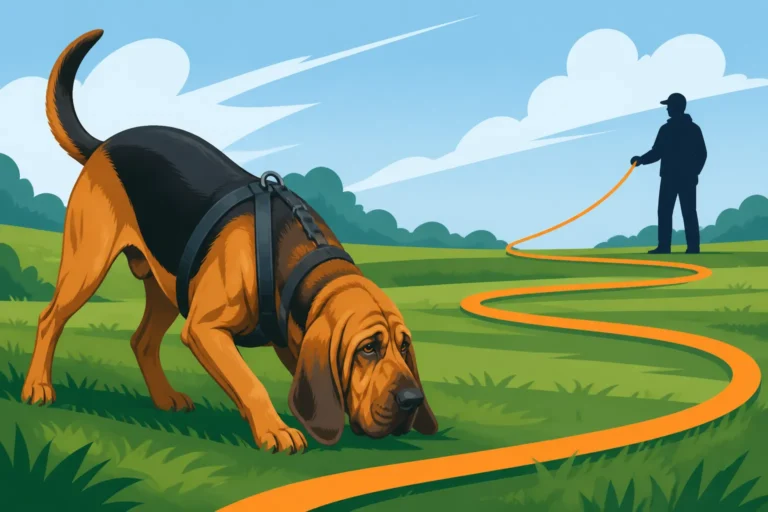
- Long Line: A 15-30 foot long line (or even longer, depending on your space) allows your Bloodhound to work a trail without you hovering directly over them. This gives them the freedom to follow the scent as it ebbs and flows, while still keeping them safely connected to you. You can find durable long lines in various lengths and materials on sites like Amazon.
- Scent Articles: If you're doing formal trailing, you'll need scent articles from your "runner" (the person laying the trail). These can be small pieces of fabric, keys, or gloves that carry a strong human scent.
- Rewards: High-value treats are essential for motivating your Bloodhound and rewarding a successful find. They work for What a Bloodhound Will Work For, and often that's a delicious piece of chicken or cheese.
- Snood: For meal times, especially if your Bloodhound's ears frequently dip into their food bowl, a snood can be a lifesaver. This simple piece of fabric keeps their long ears clean and out of the way. What a Snood Does for a Bloodhound is primarily hygiene, but it also protects their delicate ear leather from getting stepped on or snagged.
Setting Up Your Trailing Sessions
When you do plan a trailing session, aim for quality over quantity.
- Preparation: Plan your route and identify a "runner" if you're working a formal trail. Choose an area with minimal distractions initially, then gradually increase complexity. Consider the wind direction and terrain.
- Laying the Trail: Have your runner walk a predetermined path, leaving scent articles at various points if desired. The age of the trail (how long it sits before your Bloodhound works it) adds complexity.
- Working the Trail: Put your Bloodhound in their harness, attach the long line, and present the scent article from the runner. Encourage them to "find it!" and let them lead. Read their body language; they'll often show a distinct change in behavior when they're "on scent." Remember that How a Bloodhound Separates One Person's Scent From a Crowd is a complex skill that improves with practice.
- The Find: When your Bloodhound successfully locates the runner, make it a huge celebration! Lavish praise, high-value treats, and perhaps a favorite toy. This positive reinforcement is critical.
Seeking Guidance and Community
Don't feel like you have to figure it all out alone. Connecting with other Bloodhound owners or professional trainers can be incredibly helpful.
- Local Bloodhound Clubs: Many regional clubs offer training days, seminars, and mentorship for new owners interested in scent work.
- Mantrailing Groups: The sport of mantrailing is growing in popularity and offers a fantastic avenue for pet Bloodhounds to engage their noses. These groups often provide structured learning environments.
- Online Resources: Many online platforms offer courses or guidance. For instance, platforms like BAXTER & Bella provide comprehensive online training programs that can help you understand positive reinforcement and integrate various activities, including scent work principles, into your dog's life, even if they don't specialize specifically in trailing. Look for resources that promote positive, force-free methods.
- Professional Trailing Instructors: If you're serious about developing your Bloodhound's trailing skills, working with an experienced trailing instructor can provide invaluable personalized feedback and advanced techniques.
| Trailing Schedule | Pros | Cons | Best For |
|---|---|---|---|
| Every Day | Maximum mental stimulation, constant practice | High risk of physical injury/burnout, time-intensive | Very specific working dogs with limited duration |
| 2-4 Times/Week | Excellent balance of work and rest, skill maintenance | Requires consistent planning | Most pet Bloodhounds, competitive hobbyists |
| Weekly | Good for basic maintenance, lower time commitment | Slower skill progression, less intense mental outlet | Owners with limited time, older dogs |
| Infrequent | Minimal time commitment | High risk of boredom/frustration, skill degradation | Not recommended for Bloodhounds as primary outlet |
Ultimately, whether your Bloodhound trails every day or a few times a week, the key is consistency, enjoyment, and tailoring the activity to your individual dog's needs and capabilities. Provide them with opportunities to use that magnificent nose, and you'll have a tired, happy, and well-adjusted companion who truly gets to live their best Bloodhound life. How Often a Bloodhound Needs to Work to Stay Sharp often comes down to this consistent, varied approach, rather than a rigid daily schedule.
Disclaimer
This article is for general informational purposes only and does not constitute professional advice. Laws, prices and regulations vary by location and change over time. Consult a qualified professional for guidance on your specific situation.