Whether a Bloodhound Should Wear a Muzzle in Public
There's a common misconception swirling around muzzles, isn't there? Most people see a dog wearing one, especially a big, impressive hound like a Bloodhound, and their minds immediately jump to "aggression" or "dangerous." But for us Bloodhound owners, the reality is often far different. This guide is here to shed some light on why a muzzle might be a wise and responsible choice for your beloved Bloodhound, especially when you're out and about in public, and how to make it a comfortable, positive experience for them.
The Nuance of Muzzles: Beyond Aggression
When you're walking your Bloodhound, you're usually met with awe and admiration for their majestic presence. They're such distinct dogs! But if your gentle giant is sporting a muzzle, you might notice a shift in public perception, and it’s often unfair.
Challenging the Stigma: What Muzzles Really Mean
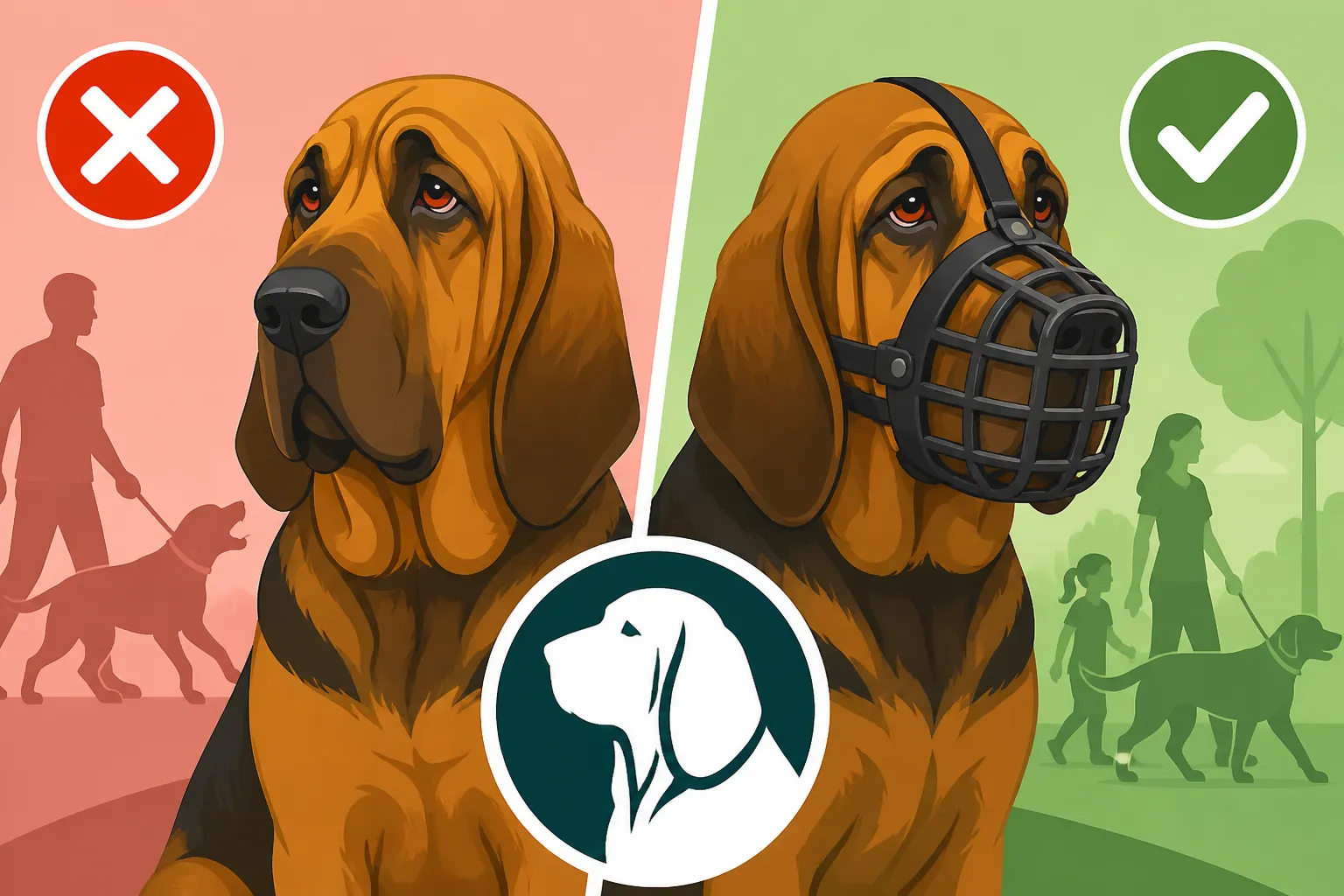
It's truly a shame that muzzles carry such a heavy stigma. In the public eye, they're often seen as a direct indicator of a "bad" dog – aggressive, unpredictable, or a danger to society. This couldn't be further from the truth for the vast majority of muzzled dogs, and especially for a breed known for its placid nature like the Bloodhound. For responsible owners, a muzzle is a vital piece of safety equipment, akin to a seatbelt in a car, or a helmet for a cyclist. It's a proactive tool that allows dogs to safely participate in activities they otherwise couldn't, or to prevent issues that arise from their natural breed tendencies, not necessarily from aggression.
Think about it: many dogs wear muzzles for medical reasons, to prevent licking wounds. Others wear them to curb scavenging dangerous items on walks, or to keep them from eating things they shouldn't during walks. And yes, some dogs do wear them for bite prevention, but that doesn't automatically equate to an "aggressive" dog; it could be a fear-biter, a dog undergoing rehabilitation, or one in a stressful new environment. The key takeaway is that seeing a muzzled dog should prompt curiosity, not immediate judgment or fear. It often means a dedicated owner is taking extra steps to ensure everyone's safety and well-being.
Bloodhounds: Gentle Giants with Unique Challenges
Our Bloodhounds are legendary for their incredible noses and their laid-back, affectionate personalities. They're often described as "gentle giants," and for good reason. They typically thrive on human companionship and are remarkably patient, even with children. However, their unique physical and behavioral traits do present specific challenges that can make muzzle use a highly sensible option in public.
Firstly, their nose isn't just incredible for tracking; it's a powerful vacuum cleaner for anything interesting on the ground. A Bloodhound's drive to follow a scent is so profound that it can override almost everything else. This means they are constantly exploring the world with their mouths, often picking up and attempting to ingest all sorts of things they shouldn't. This isn't aggression; it's an intense, instinctual drive. Secondly, they are large, powerful dogs. While usually good-natured, their sheer size and enthusiasm can lead to accidental bumps, knocks, or overly boisterous greetings that might startle or even injure smaller people or animals, not out of malice, but pure, unbridled excitement. Their loose skin, especially around the jowls, can also give them a somewhat intimidating appearance to those unfamiliar with the breed, even when their intentions are completely friendly.
Proactive Safety vs. Reactive Measures
When we consider the possibility of muzzling a Bloodhound, we're talking about proactive safety. This isn't about waiting for an incident to happen – for your Bloodhound to eat something toxic off the sidewalk, or for them to accidentally bowl over a small child in their excitement. It's about getting ahead of those possibilities.
Many owners find immense peace of mind in knowing their dog is wearing a muzzle, especially in environments where unexpected hazards are plentiful. Public parks, busy streets, outdoor cafes – these places are full of discarded food, sharp objects, or even toxic substances that a Bloodhound, following its nose, could ingest in a split second. A muzzle allows them to still enjoy these environments, sniffing and exploring to their heart's content, without you having to constantly pry questionable items from their mouth or worry about an emergency vet visit.
It’s about making an informed decision for your dog's safety and your own peace of mind. Instead of living in a constant state of anxiety, anticipating every potential problem, a muzzle can provide a reliable layer of protection that actually enhances your dog's freedom to experience the world safely. It shifts the dynamic from constantly reacting to potential dangers to proactively preventing them.
When a Muzzle Becomes a Bloodhound Owner's Best Friend
For Bloodhound owners, the reasons to consider a muzzle are often less about aggression and more about managing the very traits that make these dogs so unique and beloved. Let's delve into the practical scenarios where a muzzle can truly become an invaluable tool.
The Scavenger Hunt: Protecting Your Bloodhound from Itself
If you own a Bloodhound, you know their nose is a force of nature. It’s not just a tool; it’s their entire world. This incredible scenting ability, while invaluable for tracking, turns every walk into a potential buffet of questionable items. Discarded chicken bones, moldy bread, fallen fruit (some toxic to dogs), wrappers with tempting crumbs, even rat poison left out by careless individuals – all of these are irresistible targets for a Bloodhound. They simply can't help themselves; that nose dictates their mission.
The consequences of this incessant scavenging can range from a mild upset stomach to life-threatening emergencies. Foreign body obstructions, severe pancreatitis from fatty scraps, and poisoning are serious risks that Bloodhound owners face daily. This is where a muzzle shines. A well-fitting basket muzzle allows your Bloodhound to sniff, pant, and even drink water, all while physically preventing them from ingesting anything harmful. It's a game-changer for walks in urban environments, parks, or anywhere trash might accumulate. It can literally be a lifesaver and prevent catastrophic health issues that can lead to emergency surgery or even fatality, as discussed in posts like What Most Bloodhounds Actually Die Of and Bloat Is What Kills Most Bloodhounds. Imagine the relief of knowing your dog can explore safely without you having to constantly be on high alert, shouting "leave it!" or wrestling unknown objects from their jowls.
Managing the "Friendly Bulldozer": Excitement and Impulsivity
Bloodhounds are big dogs. An adult male can easily weigh over a hundred pounds and stand tall at the shoulder. Combine that size with their typical friendly, exuberant nature, and you have a recipe for accidental chaos. Your Bloodhound might mean well, but their powerful physique means that a joyful leap or a strong pull on the leash can easily knock over a small child, an elderly person, or even an unsuspecting adult.
Beyond the physical impact, Bloodhounds can be quite mouthy, especially when excited. They might grab at clothing, playfully nip hands, or try to "mouth" new acquaintances as a form of greeting. While rarely aggressive, these behaviors can be startling or even cause minor injuries, leading to misunderstandings and negative perceptions from the public. A muzzle provides a crucial safety net in these situations. It allows your Bloodhound to interact – to sniff, wag its tail, and express its friendly curiosity – without the risk of accidental injury from their size or mouthiness. This is particularly useful when you're still working on impulse control training, or if your Bloodhound gets overly excited by new scents or people, a common Bloodhound trait, as highlighted in Why a Bloodhound Ignores a Cue It Knows. It means you can have more relaxed encounters with strangers, knowing that your dog's enthusiasm won't inadvertently cause a problem.
Stressful Situations: Vet Visits and Public Transport
Public spaces aren't just parks and sidewalks. They also include places like veterinary clinics, grooming salons, and potentially even public transportation. These environments can be incredibly stressful for dogs, even the most even-tempered Bloodhound. The unfamiliar sights, sounds, smells, and the presence of other animals can all contribute to anxiety.
During a vet visit, for example, your Bloodhound might be in pain or feeling unwell, making them more prone to snap or react defensively, even if they're never shown aggression before. Routine procedures like nail trims, injections, or wound care can be uncomfortable and might elicit a quick, unintentional bite. Many veterinary professionals will appreciate or even require a muzzle for large breeds to ensure the safety of both the staff and the dog during examinations or treatments. The same applies to grooming, where unfamiliar handling or loud noises from dryers can be unsettling.
Similarly, if you need to transport your Bloodhound on a bus, train, or even in a crowded pet-friendly store, a muzzle can be a responsible choice. It alleviates any public anxiety about a large dog in close quarters and gives you confidence that your Bloodhound won't cause alarm or accidentally bump into someone. It's about minimizing risk and maximizing comfort for everyone involved, helping your Bloodhound navigate potentially overwhelming situations more calmly and safely.
Selecting and Acclimating Your Bloodhound to a Muzzle
Deciding to use a muzzle is one thing; choosing the right one and training your Bloodhound to wear it comfortably is another. This isn't about strapping something on and hoping for the best; it's a thoughtful, positive process.
Finding the Right Fit: Comfort and Functionality
The first and most important step is selecting the correct muzzle for your Bloodhound. Not all muzzles are created equal, and fit is absolutely paramount for comfort, safety, and effectiveness. A poorly fitting muzzle can chafe, restrict breathing, or even come off easily.
For a Bloodhound, a basket muzzle is almost always the best choice for public outings. These muzzles, often made of plastic, wire, or a combination of durable materials, allow your dog to pant freely, drink water, and even accept small training treats. This is critical because Bloodhounds need to pant to regulate their body temperature, especially during exercise or in warmer weather. Restricting this can lead to overheating and distress. Brands like the Baskerville Ultra Muzzle are popular options, but you'll find a wide variety on platforms like Amazon. Look for one that allows at least an inch or two of space between your dog's nose and the front of the muzzle, and enough height and width for them to open their mouth fully to pant. The straps should be secure but not tight, fitting snugly behind the ears and around the neck to prevent slippage.
Fabric muzzles (also known as "grooming muzzles") should generally be avoided for anything other than very short-term use, such as a quick nail trim at the vet. They hold the dog's mouth shut, preventing panting and drinking, and can cause significant distress or even overheating if worn for more than a few minutes, especially by an active Bloodhound. They are not suitable for walks or extended public wear.
When you're shopping, consider your Bloodhound's unique facial structure – their deep stop and long muzzle. Measure their muzzle circumference (just below the eyes) and length (from stop to tip of nose) carefully. Many manufacturers provide sizing guides, but it's often best to try a few different sizes or styles to ensure the perfect, comfortable fit for your individual dog.
Making it a Positive Experience: Step-by-Step Muzzle Training
Introducing a muzzle should never be a punishment or a frightening experience. The goal is for your Bloodhound to associate the muzzle with positive things, viewing it as just another piece of equipment, like their harness or leash. This process relies heavily on positive reinforcement and patience.
Here’s a basic step-by-step guide:
- Introduce the Muzzle Positively: Let your Bloodhound sniff the muzzle. Don't push it on them. Offer high-value treats (like small pieces of cheese or cooked meat) near the muzzle.
- Lure into the Muzzle: Put a treat inside the muzzle, letting your Bloodhound stick their nose in to get it. Remove the muzzle immediately after they get the treat. Repeat this many times, gradually increasing the time they keep their nose in the muzzle.
- Start with Short Durations: Once your Bloodhound is happily pushing their nose into the muzzle, begin fastening the straps for just a second or two, then unfasten and treat. Gradually increase the duration – from a few seconds to a minute, then five minutes, and so on. Always give treats while the muzzle is on and immediately after it comes off.
- Pair with Fun Activities: Once they are comfortable wearing it for a few minutes, put the muzzle on just before a favorite activity – a walk, a play session, or a training session where they get lots of praise and treats. This helps build a positive association.
- Gradually Increase Distractions: Start training in a quiet environment, then move to areas with more distractions. The key is to ensure your Bloodhound remains comfortable and happy while wearing it.
Remember, this isn't a race. Some Bloodhounds take to it quickly, others need more time. Always keep sessions short and positive. Resources like BAXTER & Bella often provide excellent structured training programs and tips for making such introductions stress-free and effective. This positive conditioning is essential to prevent your Bloodhound from developing a negative association, which could make future muzzle use much harder.
Understanding Muzzle Limitations
It's crucial to understand that a muzzle is a management tool, not a cure-all or a substitute for proper training and responsible ownership. It provides a physical barrier, but it doesn't address the root cause of any behavior.
For instance, if your Bloodhound is scavenging because they are under-stimulated, simply muzzling them won't resolve their need for mental engagement. You still need to provide enrichment, training, and activities like scent work to satisfy their natural drives. Mantrailing Is the Answer to a Bloodhound, Not Obedience is a great resource for understanding how to channel their instincts constructively.
Similarly, if a Bloodhound were to show actual aggression (which is rare for the breed, but can happen in any dog under extreme circumstances), a muzzle offers immediate safety, but behavioral modification with a professional trainer or veterinary behaviorist would be essential to address the underlying issues. A muzzle prevents bites, but it doesn't change the dog's emotional state or internal triggers.
It's also important not to over-rely on a muzzle. Your Bloodhound still needs your supervision, guidance, and training. It's a layer of safety, not a replacement for your vigilance. Ensure you're providing enough exercise, mental stimulation, and consistent training, especially around important cues.
Navigating the World with a Muzzled Bloodhound
Once your Bloodhound is comfortable wearing their muzzle, you'll find that outings become much less stressful for both of you. However, you'll still need to navigate public reactions and continue to reinforce the positive associations.
Educating the Public: Changing Perceptions, One Walk at a Time
Despite your best efforts to make muzzle wearing a positive experience for your Bloodhound, you'll inevitably encounter people who react with fear, judgment, or unwarranted questions. This is where you, as a responsible owner, can become an educator.
When someone gives you a wide berth or makes a comment, a polite and calm response can go a long way. You don't need to justify yourself, but a brief explanation can often diffuse tension. For example, you might say, "Oh, he's actually very friendly! He just loves to eat everything off the ground, so this keeps him safe from eating trash." Or, "It's a safety precaution; he's a big, enthusiastic guy and this prevents accidental bumps." You can even joke about their powerful nose, saying something like, "His nose tells him everything is edible, so this helps keep him out of the emergency vet!"
By maintaining a cheerful and confident demeanor, you show that you're in control and that your dog is well-adjusted. Your Bloodhound's calm and happy behavior while muzzled will be the best testament to its purpose. Over time, as more people see responsible owners using muzzles for non-aggressive reasons, the stigma may slowly begin to diminish. Be ready for the occasional stare or whispered comment, but focus on the positive experience you're creating for your dog.
Enhancing Your Bloodhound's Public Experiences
The beauty of a well-trained, muzzled Bloodhound is that it actually opens up more opportunities for them to enjoy the world with you. Without the constant worry about scavenging or accidental roughhousing, you might feel more confident taking your Bloodhound to places you previously avoided.
Imagine enjoying a long walk through a city park, letting your Bloodhound leisurely sniff every interesting patch of grass, without the constant stress of scanning for dropped food or hazards. You can focus on enjoying the walk together, knowing they can't ingest anything dangerous. Or perhaps visiting a pet-friendly hardware store or outdoor market, where the muzzle provides an extra layer of comfort for both you and other patrons.
This increased freedom for your Bloodhound to explore and engage with their environment (safely!) can lead to a happier, more fulfilled dog. It allows them to use their incredible nose, which is so central to their being, in a wider variety of settings without you having to constantly interrupt their natural instincts. This proactive approach can make your life together richer and more relaxed, fulfilling their needs as a scent hound, which can sometimes be difficult to do in typical public settings. You can read more about managing their incredible sense of smell in Walking a Bloodhound That Has Found a Scent.
The Muzzle as a Tool in Your Training Toolbox
Ultimately, a muzzle is one tool among many in a responsible Bloodhound owner's toolbox. It complements, rather than replaces, other essential aspects of care and training, such as a sturdy harness and long line, consistent obedience training, and providing ample mental and physical exercise.
Think of it as part of a comprehensive safety strategy, especially given the Bloodhound's unique traits. Their incredible nose means they are constantly processing scent information, sometimes to the exclusion of everything else, which is why recall can be such a challenge for the breed; you might find Why a Bloodhound's Nose Outvotes Its Handler an insightful read. A muzzle simply ensures that while they are diligently working their nose, they aren't accidentally ingesting something that could land them in the emergency room.
By embracing muzzle training with a positive attitude, you are not admitting to owning a "bad" dog. Instead, you are demonstrating a high level of responsibility, foresight, and dedication to your Bloodhound's safety and well-being, allowing them to lead a richer, safer life alongside you in the public sphere.
| Muzzle Type | Best Use for a Bloodhound | Pros | Cons |
|---|---|---|---|
| Basket Muzzle | Everyday walks, public outings, vet visits, prolonged wear | Allows panting, drinking, and treating; prevents scavenging; durable | Can be bulky; may draw public attention; requires proper sizing for comfort |
| Fabric Muzzle | Very short-term procedures (e.g., quick nail trim at vet) | Compact; easy to store; less conspicuous | Restricts panting/drinking; not for long wear; can cause overheating/distress |
| Adjustable Loop | Not recommended for Bloodhounds | Some flexibility | Can be pulled tight; easily removed by dog; not effective for scavenging |
| Custom-Fit | Best for unusual facial structures or specific needs | Superior comfort and fit; tailored to dog's unique measurements | Higher cost; longer wait time for production |
Disclaimer
This article is for general informational purposes only and does not constitute professional advice. Laws, prices and regulations vary by location and change over time. Consult a qualified professional for guidance on your specific situation.