Whether a Bloodhound’s Bloat Surgery Includes the Gastropexy
The sudden, terrifying onset of bloat, or Gastric Dilatation-Volvulus (GDV), is every Bloodhound owner's worst nightmare. Your beloved hound pacing, retching fruitlessly, abdomen swelling – it's a race against time. When you rush them to the emergency clinic, a crucial question often comes up: does the emergency surgery to save their life automatically include a gastropexy? This guide will explain exactly what happens during this critical procedure and clarify the role a gastropexy plays in your Bloodhound's immediate survival and future well-being.
Understanding the Emergency: What Happens During Bloat (GDV)
When your Bloodhound experiences bloat, it's not just a simple stomach ache; it's a life-threatening emergency known as Gastric Dilatation-Volvulus, or GDV. This condition moves with frightening speed, often giving you The Half Hour a Bloating Bloodhound Has to get to emergency care. The stomach first fills with gas, becoming distended (dilatation). Then, it can twist on itself (volvulus), cutting off blood supply to the stomach and potentially other organs, and blocking the exit of both gas and food. It’s a truly horrifying situation for any owner to witness, and knowing what's happening internally can help you understand the urgency of the vet's actions. Bloat Is What Kills Most Bloodhounds is a stark reality that underscores the importance of immediate intervention.
The Immediate Danger: Stomach Distension and Twisting
Imagine your Bloodhound's stomach, normally a flexible sac, suddenly inflating like a balloon inside their abdomen. This intense distension alone causes immense pain and pressure. It presses against major blood vessels, restricting blood flow back to the heart. This can rapidly lead to systemic shock. What makes GDV so much more dangerous is the "volvulus" part – the twisting. The stomach, tethered loosely at both ends, can rotate clockwise or counterclockwise. When it twists, it pinches off the esophagus (preventing vomiting or burping) and the duodenum (preventing passage to the intestines). This means your Bloodhound will try to retch but produce nothing, a classic and alarming sign.
This twisting also severely kinks the blood vessels supplying the stomach, leading to tissue death within hours, sometimes even minutes. The lack of blood flow causes the stomach tissue to become ischemic, which is incredibly painful and irreversible without intervention. Furthermore, the spleen, which is attached to the stomach, often gets dragged along in the twist, further complicating blood flow and potentially sustaining damage itself. Your vet is not just dealing with a painful dog; they are fighting against systemic shock, organ damage, and potential rupture, all unfolding incredibly quickly. Recognizing Signs a Bloodhound Is Bloating can literally be the difference between life and death.
Goals of Emergency Bloat Surgery
The primary goal of emergency bloat surgery is to save your Bloodhound's life. This involves several critical steps that happen under intense pressure and with specialized surgical teams. First, the veterinary team will work quickly to stabilize your dog, often administering IV fluids to combat shock, providing strong pain medication, and addressing any arrhythmias that may have developed due to the compromised blood flow. They might attempt to decompress the stomach with a tube passed down the esophagus or, if that's impossible due to the twist, insert a large needle directly into the stomach through the abdominal wall to release some of the gas. This temporary relief can buy precious time.
Once stable enough for anesthesia, the surgeon will open the abdomen. What Emergency Bloat Surgery Does for a Bloodhound is quite complex. They will first identify the twisted stomach, carefully de-rotate it back to its normal anatomical position, and then meticulously assess the viability of the stomach wall. Any areas of necrotic (dead) tissue must be removed, which can involve partial gastrectomy (removal of part of the stomach). They'll also check the spleen and other abdominal organs for damage, as the spleen often suffers significant trauma during the twisting. This initial phase of the surgery is purely about resolving the immediate, life-threatening crisis caused by the twist. It's about getting your Bloodhound out of the danger zone.
The Gastropexy: A Crucial Step in Emergency Bloat Surgery
After the immediate danger of the twisted stomach has been addressed and the organ returned to its normal position, the next critical consideration is how to prevent this devastating event from happening again. This is where the gastropexy comes into play. It's not inherently part of "bloat" itself, but rather a crucial surgical technique specifically designed to prevent future GDV episodes.
What is a Gastropexy and Why is it Performed During Emergency Surgery?
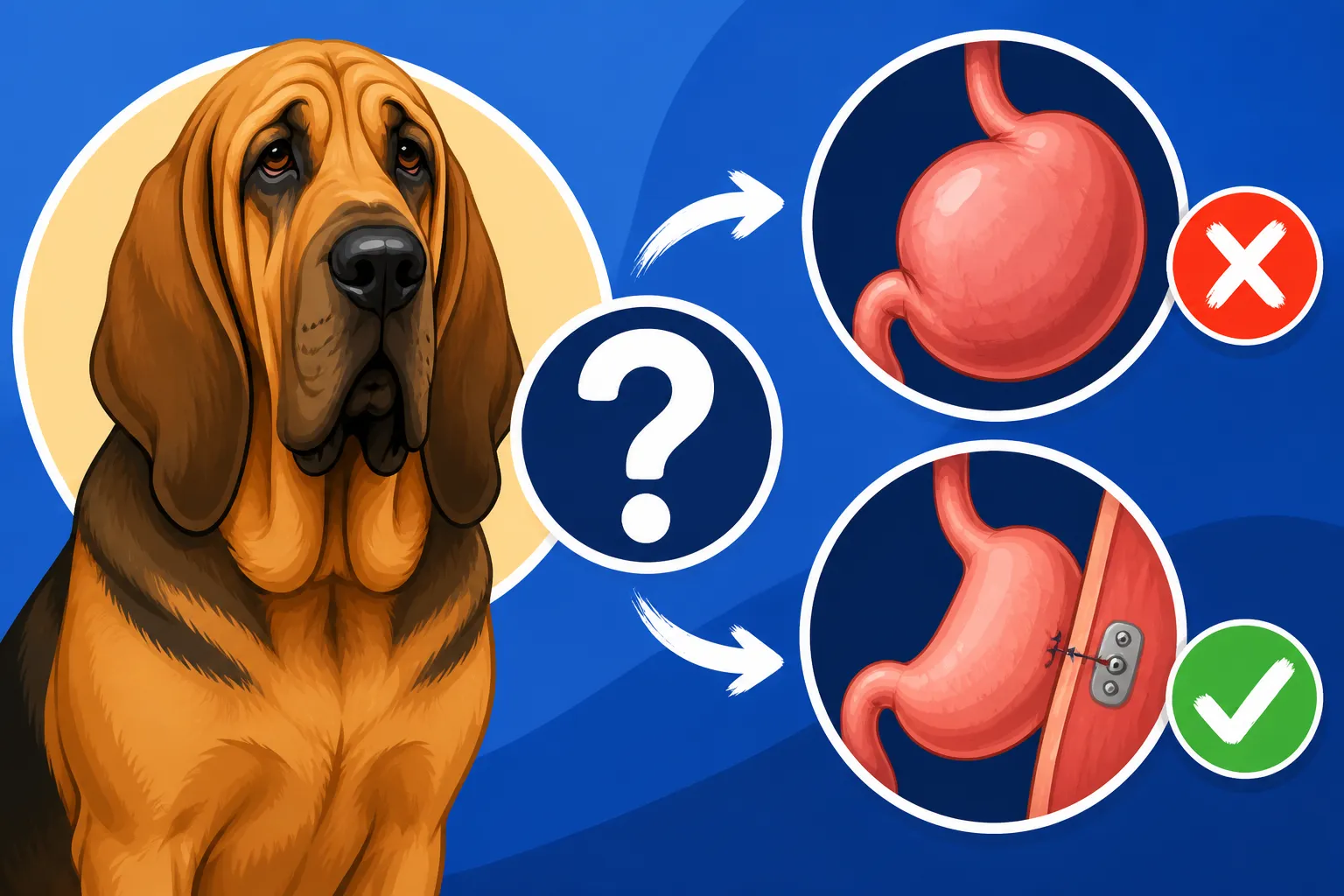
A gastropexy is a surgical procedure where the stomach is permanently attached to the abdominal wall. Think of it as tacking or stitching a portion of the stomach lining to the inside of your Bloodhound's body wall. This attachment creates a permanent adhesion that prevents the stomach from twisting on its axis in the future, effectively eliminating the volvulus component of GDV. While the stomach can still distend with gas (a simple bloat), it cannot twist, which is the truly deadly part of the condition. It acts as a permanent anchor.
Performing a gastropexy during emergency bloat surgery is highly recommended and, in most cases, considered standard practice by veterinary surgeons. Why? Because a Bloodhound that has experienced GDV once has a significantly higher risk of experiencing it again. Whether a Bloodhound That Bloated Once Bloats Again is a question that veterinarians want to preemptively answer with a resounding 'no' through this procedure. Since your dog is already under anesthesia and their abdomen is open, it's the ideal, safest, and most efficient time to perform this preventive measure. It saves your dog from enduring a second major surgery later and drastically reduces the chance of recurrence. It's a pragmatic and life-saving decision often made at the moment.
Benefits and Risks of an Emergency Gastropexy
The benefits of performing a gastropexy during emergency GDV surgery are profound. The most significant benefit is the dramatic reduction in the risk of future gastric volvulus – studies show it reduces the risk by over 90%. This gives you, the owner, immense peace of mind, knowing you've done everything possible to protect your Bloodhound from this silent killer. It also means avoiding the high costs and trauma of a potential second emergency surgery, which would entail another crisis, another anesthesia, and another recovery. The gastropexy procedure itself, when added to an existing laparotomy (abdominal incision), typically adds only a relatively small amount of time to an already lengthy operation.
As with any surgery, there are risks involved with a gastropexy. These generally include potential complications related to anesthesia (which are already present with the bloat surgery itself), infection at the surgical site, or, rarely, issues with the adhesion. However, the risks associated with not performing a gastropexy are far greater, given the high recurrence rate of GDV in Bloodhounds. The decision to proceed with a gastropexy at the time of emergency bloat surgery is almost always in the best interest of the dog, weighing the minimal additional risk against the massive benefit of future prevention. Many owners wish they had opted for What a Preventive Gastropexy Does for a Bloodhound when their Bloodhound was younger, often at the same time as their neuter procedure, as it can be done at The Age a Bloodhound Should Have a Gastropexy.
Cost Implications and Owner Decisions
Understanding the financial aspect of emergency veterinary care for GDV is crucial for Bloodhound owners. This isn't just about saving a life; it's about navigating significant expenses that can arise without warning, placing a huge emotional and financial burden on families. Many owners are blindsided by the bills, which often prompts the question about the gastropexy's cost within the overall emergency procedure.
Is the Gastropexy Part of the Bloat Surgery Bill?
In most veterinary practices, especially emergency and specialty hospitals, the gastropexy performed during emergency GDV surgery is typically itemized as a separate procedure on the final bill, even though it's done during the same anesthetic event. It's often not "included" in the sense of being a free add-on to the bloat repair itself. You will likely see distinct line items for each major component of the care your Bloodhound receives. These often include:
- Emergency examination and stabilization fees
- Anesthesia and continuous monitoring (which can be extensive for a critical patient)
- The GDV surgical repair itself (de-rotation of the stomach, assessment of tissue viability, potential removal of damaged stomach or spleen tissue)
- The gastropexy procedure
- Medications (pain relief, antibiotics, anti-nausea, anti-arrhythmics)
- Hospitalization and intensive care (often for several days, including round-the-clock nursing)
- Diagnostic imaging (X-rays, ultrasounds)
- Laboratory tests (blood work to monitor organ function and electrolyte balance)
- Post-operative rechecks and follow-up care
While it's a separate line item, it's important to note that the cost of a gastropexy performed during an emergency GDV surgery is typically significantly less expensive than if you were to bring your Bloodhound in for a standalone, elective gastropexy procedure at a later date. This is simply because the anesthesia, operating room time, and initial abdominal access are already covered by the larger emergency surgery. However, this still makes the combined cost for What a Bloodhound's Bloat Surgery Bill Comes To substantial, easily running into thousands of dollars. It's a stark reminder of why having an emergency fund or pet insurance is so vital for Bloodhound owners.
Financial Planning and Pet Insurance Considerations
The cost of emergency GDV surgery, including a gastropexy, can be thousands of dollars, easily reaching into five figures depending on the clinic, your geographic location, the severity of the case, and the extent of complications. This is a major financial hit that many families are simply not prepared for. It's highly recommended that Bloodhound owners have a plan in place, whether that's a dedicated emergency fund of at least several thousand dollars, a readily available line of credit, or robust pet insurance. Don't underestimate the financial demands of owning a Bloodhound; Whether a Bloodhound Owner Should Have an Emergency Fund is a question with a resounding yes.
Companies like Healthy Paws offer pet insurance plans that can cover a significant portion of emergency veterinary care, including GDV surgery and the associated gastropexy, provided the policy was in place before any signs or diagnosis of bloat occurred. It’s always important to read the terms and conditions carefully, as some policies might have waiting periods for specific conditions or specific exclusions. Having a policy in place can alleviate the burden of making critical medical decisions under extreme stress with financial constraints looming large. Without it, owners sometimes face the heartbreaking decision of declining life-saving surgery due to cost, which is a situation no one ever wants to be in. What Insurance Will and Will Not Cover on a Bloodhound is an important topic to research before you ever face an emergency.
| Procedure Type | Primary Goal | Prevention of Volvulus | Anesthesia & Hospitalization | Cost Context |
|---|---|---|---|---|
| Emergency Bloat Surgery (GDV) | Save life, de-rotate stomach, assess tissue damage | Often includes gastropexy | Mandatory, intensive, prolonged | High, unexpected, critical; gastropexy usually an additional itemized cost |
| Preventive Gastropexy | Permanently anchor stomach, prevent future GDV | Primary goal | Planned, less intensive, shorter | Lower than emergency, elective; often combined with spay/neuter |
Life After Emergency Surgery: Prevention and Recovery
Successfully navigating emergency bloat surgery and the associated gastropexy is a huge hurdle, but it's just the beginning of the journey back to health for your Bloodhound. The recovery period requires careful management, and continued vigilance is essential, even with the gastropexy in place. It's not a "set it and forget it" situation; it's a foundation for continued care.
Post-Operative Care and Continued Vigilance
After surgery, your Bloodhound will likely spend several days in the veterinary hospital for intensive monitoring. How Long a Bloodhound Stays In After Bloat Surgery varies depending on the severity of the case, any complications that arose during surgery (like tissue removal), and how well they recover from anesthesia. They'll receive continuous pain medication, IV fluids to maintain hydration and electrolyte balance, and potentially antibiotics to prevent infection. Once home, strict rest is usually prescribed, with limited activity for several weeks to allow the surgical incision and internal attachments to heal properly. You'll need to monitor their incision site daily for any signs of infection, swelling, redness, or dehiscence (opening).
Even with a gastropexy, it's crucial to remember that the stomach can still distend with gas, albeit without twisting. This means vigilance for signs of simple bloat (which looks very much like GDV's early stages: distension, discomfort, unproductive retching, pacing) is still necessary, although the immediate life-threatening twist has been addressed. The pain and discomfort of a non-twisted bloat are still significant and require veterinary attention. You should still adhere to preventative feeding practices, such as feeding multiple small meals throughout the day rather than one large one. This might involve using a slow feeder bowl from a retailer like Chewy or exploring subscription meal plans like Ollie, which can offer controlled portions.
Long-Term Management and Preventative Measures
The gastropexy offers incredible protection against the most dangerous aspect of bloat, but it doesn't mean you can throw caution to the wind. Continue with strategies to minimize the risk of simple bloat, which can still cause discomfort and, in severe cases, be dangerous in its own right if not addressed. This includes avoiding strenuous exercise around meal times, as vigorous activity on a full stomach can contribute to gas buildup. Ensure constant access to fresh water, but discourage rapid, excessive gulping right after eating. Feeding a high-quality, consistent diet appropriate for large breeds is also vital. What a Bloodhound Eats After Bloat Surgery is often a bland, easily digestible diet for a period, gradually transitioning back to their regular food as advised by your vet.
Regular veterinary check-ups are also vital to monitor your Bloodhound's overall health and discuss any concerns. While the emergency gastropexy has done its job in preventing future twists, understanding the genetic predisposition and environmental factors that contribute to bloat remains important for your Bloodhound's overall health and well-being. Keeping your Bloodhound at a healthy weight and ensuring they have a calm environment around meal times can also contribute to their long-term health. Ultimately, the gastropexy performed during emergency surgery provides a crucial safety net, allowing your Bloodhound to recover and continue their life, giving you many more years with your beloved scent hound.
Disclaimer
This article is for general informational purposes only and does not constitute professional advice. Laws, prices and regulations vary by location and change over time. Consult a qualified professional for guidance on your specific situation.