Whether a Bloodhound’s Eyelid Surgery Needs a Specialist
One of the most heart-wrenching things as a Bloodhound owner is seeing your beloved companion struggle with discomfort, especially when it involves their eyes. Those soulful, droopy eyes are a hallmark of the breed, but they often come with a hidden cost: a predisposition to various eyelid problems. When faced with the prospect of surgery for these delicate issues, many owners wonder if their regular veterinarian is equipped for the task, or if a specialist is truly necessary. This guide will help you understand the nuances of Bloodhound eyelid conditions and determine when a board-certified veterinary ophthalmologist is your best course of action.
Understanding Common Bloodhound Eyelid Issues
The Bloodhound's distinctive facial structure, with its deeply wrinkled brow and generous, loose skin, contributes significantly to its incredible scenting ability. However, this same unique morphology often sets the stage for several common and sometimes painful eye and eyelid conditions. It's a cruel irony that the features we adore most can also be a source of so much trouble for our hounds.
Ectropion: The Droopy Lower Lid
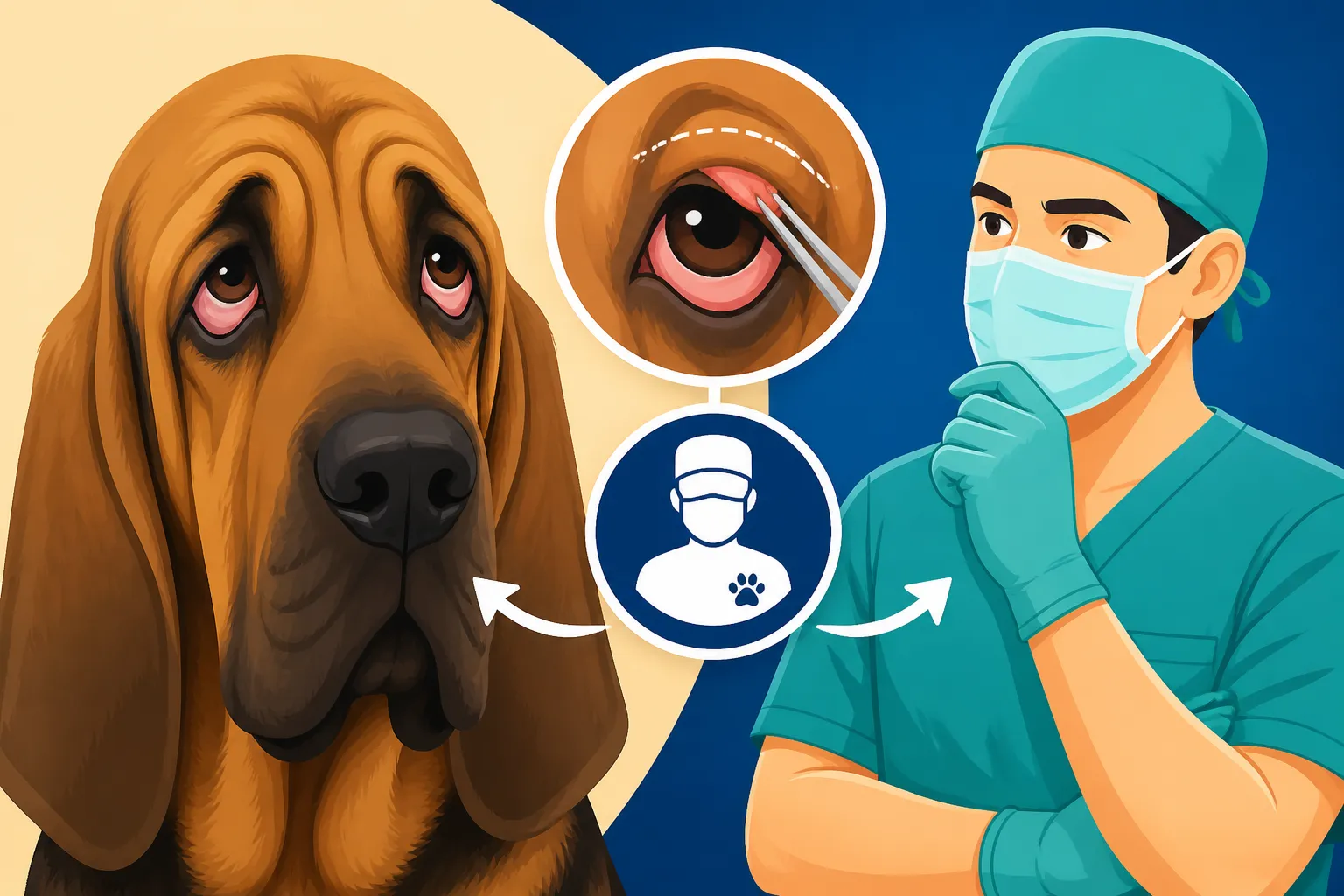
Ectropion is perhaps the most visually obvious eyelid condition in Bloodhounds, and it's practically a breed trait. This is where the lower eyelid rolls outward, exposing the delicate pink conjunctiva – the moist tissue lining the inner lid – and sometimes even part of the eyeball itself. It's not just a cosmetic issue, though many assume it is. The exposed tissue becomes a magnet for dust, dirt, debris, and even bacteria, leading to chronic irritation, redness, and frequent infections. Imagine having a perpetual speck in your eye that you can't blink away – that's what many Bloodhounds experience. This constant exposure can also lead to drying of the ocular surface, as the eyelid isn't doing its job of spreading tear film effectively. If you've ever wondered why your Bloodhound's eyes always seem a little wet or red, Why a Bloodhound's Haw Shows explains some of the underlying reasons for this characteristic appearance. It's a frustrating cycle for both hound and owner, requiring diligent daily cleaning and often, ultimately, surgical intervention.
Entropion: The Inward Rolling Lid
While ectropion makes the eyelid droop outward, entropion is its equally troublesome counterpart, where the eyelid rolls inward. This means the eyelashes and hair on the outer skin of the lid constantly rub against the sensitive surface of the cornea. Think about how irritating a single stray eyelash can be; now imagine a whole row of them, or even coarse facial hair, scraping your eye with every blink. This constant abrasion can cause extreme pain, excessive tearing, squinting, and, most critically, corneal ulcers. These ulcers are open sores on the eye's surface, which can become infected and, if left untreated, lead to scarring, vision impairment, or even loss of the eye. Entropion can affect the upper or lower lid, or both, and can be particularly problematic in puppies as their facial structure develops. Owners often mistake the irritation for a simple eye infection, but if you notice your Bloodhound frequently rubbing its face or its eyes appear cloudy, it’s crucial to get it checked. Understanding What Entropion Does to a Bloodhound's Eye can help you recognize the signs early.
Other Eye Concerns: Cherry Eye and Dry Eye
Beyond ectropion and entropion, Bloodhounds can also contend with other ocular issues. "Cherry Eye" occurs when the gland of the third eyelid – a protective membrane at the inner corner of the eye – pops out of its normal position and becomes visible as a red, swollen mass, resembling a small cherry. It's not usually painful, but it can be irritating and, if left untreated, can affect tear production. Many breeds are prone to it, and Bloodhounds are certainly no exception. While less common, Bloodhounds can also suffer from Dry Eye, or Keratoconjunctivitis Sicca (KCS), a condition where the eyes don't produce enough tears, leading to chronic irritation, discharge, and potential damage to the cornea. This can sometimes be a secondary issue to other eyelid problems or even a side effect of underlying conditions like hypothyroidism. Each of these conditions, while distinct, highlights the inherent vulnerability of the Bloodhound's ocular health and the need for knowledgeable veterinary care.
When General Veterinary Care Suffices for Eyelid Concerns
It's natural to start with your trusted family veterinarian when any health concern arises. For many routine issues, your general practitioner is perfectly capable and an excellent first point of contact. They know your Bloodhound, understand their history, and can often provide initial diagnosis and treatment. However, when it comes to the intricate world of canine ophthalmology, there's a point where specialized expertise becomes invaluable.
Initial Diagnosis and Conservative Management
Your family vet is undoubtedly the first person you should call if you suspect any eye issues with your Bloodhound. They can perform a thorough initial examination, which often includes checking tear production with a Schirmer tear test, staining the cornea to look for ulcers, and examining the overall eye structure. For mild cases of ectropion causing only minor irritation, or very early stages of entropion, your vet might suggest conservative management. This could involve daily cleaning with a sterile saline solution, lubricating eye drops to keep the eye moist, or even short courses of antibiotic eye drops to combat secondary infections. For instance, if your Bloodhound gets a bit of redness from dust after a long trailing session, your regular vet can likely prescribe something to soothe it. Products found on platforms like Chewy, from simple saline flushes to prescribed eye washes, can be excellent for this daily care.
Minor Cases and Monitoring
Some Bloodhounds have a very mild degree of ectropion that never progresses beyond a purely cosmetic look, or perhaps only causes occasional, easily managed irritation. In these situations, your general vet might advise a "wait and see" approach, combined with meticulous home care. Regular follow-up appointments would be crucial to monitor for any worsening symptoms, increased discomfort, or the development of more serious complications like corneal ulcers. The challenge here is knowing when "minor" might tip over into "major." Bloodhounds are stoic, and sometimes their discomfort isn't immediately obvious until a problem has significantly advanced. Your vet will help you understand What a Bloodhound's Eye Drops Cost Each Year if ongoing medication is needed, which can certainly add up. If you are already managing a Bloodhound's eye health with routine drops, this indicates a level of care that needs to be factored into your overall budget.
Preparing for a Referral
If conservative treatments aren't working, or if the initial examination reveals a more severe condition like a deep corneal ulcer, chronic pain, or significant structural abnormality of the eyelids, your general vet will likely recommend a referral to a veterinary ophthalmologist. This isn't a sign that your vet isn't good; it's a sign that they are excellent and know their limits. Just like in human medicine, specialists exist for a reason – they have advanced training, equipment, and experience in very specific areas. Your vet will provide the specialist with your Bloodhound's medical history, any diagnostic tests already performed, and their observations, ensuring a smooth transition of care. Don't be shy about asking your vet for their recommendation for a reputable specialist in your area, and remember that What a Bloodhound's Ophthalmology Referral Costs is just the beginning of the specialized journey.
The Case for a Veterinary Ophthalmologist
When it comes to surgical correction of eyelid issues in Bloodhounds, especially complex or recurring cases, a veterinary ophthalmologist truly shines. These are vets who have undergone extensive additional training, often including a residency program, specifically in diseases and surgery of the eye. Their specialized knowledge and equipment can make a world of difference in the outcome for your Bloodhound.
Expertise in Ocular Anatomy and Surgery
The eyes and eyelids are incredibly complex and delicate structures. A board-certified veterinary ophthalmologist possesses an unparalleled understanding of the intricate anatomy of the canine eye, the various types of tissues involved, and how they function together. This in-depth knowledge allows them to accurately diagnose conditions that might be missed by a general practitioner and to select the most appropriate surgical technique. For ectropion or entropion, there isn't just one type of surgery; there are numerous techniques, each designed to address specific anatomical variations and severity levels. An ophthalmologist can perform delicate procedures, such as wedge resections, Hotz-Celsus procedures, or modified Kuhnt-Szymanowski techniques, with precision. They understand how much tissue to remove or reposition to achieve a functional, comfortable eyelid without over-correcting or under-correcting, which can lead to further problems. This level of nuanced surgical skill is often beyond the scope of general veterinary practice. If your Bloodhound is prone to The Four Eye Problems a Bloodhound Is Born Toward, a specialist is vital.
Advanced Diagnostic Tools
Beyond their surgical expertise, ophthalmologists have access to and proficiency in using specialized diagnostic equipment that most general practices don't. This can include slit-lamps for magnified examination of the eye's internal and external structures, tonometers to measure intraocular pressure (important for conditions like glaucoma), and specialized cameras for detailed imaging. These tools allow for a much more precise diagnosis of the underlying problem and a clearer picture of its severity. For example, a specialist can assess the depth and extent of a corneal ulcer more accurately, or identify subtle abnormalities in tear film quality that might contribute to dry eye. This advanced diagnostic capability means a more tailored and effective treatment plan, reducing the guesswork and improving the chances of a successful outcome for your Bloodhound.
Complex Surgical Techniques and Outcomes
Some eyelid conditions, particularly severe or recurrent entropion, or cases requiring reconstruction after trauma, demand highly complex surgical techniques. An ophthalmologist is trained in these advanced procedures, minimizing risks and maximizing the chances of preserving vision and comfort. They are also adept at managing potential complications that can arise during or after eye surgery, which can be critical for such a delicate organ. Their focus is not just on fixing the immediate problem, but on achieving long-term functional and comfortable results for your Bloodhound. This specialized skill set is why, even if Eyelid Surgery Is the Bill Bloodhound Owners Do Not Expect, investing in a specialist often saves money and heartache in the long run by avoiding repeat surgeries or chronic issues.
What to Expect from a Specialist Consultation
Deciding to see a specialist can feel daunting, but it's often the best decision for your Bloodhound's long-term eye health and comfort. Knowing what to expect can help ease some of that anxiety and prepare you for the visit.
The Comprehensive Eye Exam
When you bring your Bloodhound to a veterinary ophthalmologist, be prepared for a very thorough and detailed examination. This isn't just a quick peek. The specialist will often dim the lights and use their specialized equipment, like a slit-lamp biomicroscope, to examine every part of your dog's eye, from the eyelids and conjunctiva to the cornea, lens, and retina, in great magnification. They'll assess tear production, check intraocular pressure, and likely use fluorescein dye to check for corneal ulcers. They'll observe how your Bloodhound blinks, how the eyelids sit, and any discharge. This comprehensive approach ensures that no stone is left unturned and that they fully understand the extent and nature of the eye condition. It's a very different experience from a routine vet check-up, offering a much deeper insight into your dog's ocular health.
Discussing Treatment Options and Prognosis
After their thorough examination, the ophthalmologist will sit down with you to discuss their findings, explain the diagnosis in detail, and outline all available treatment options. They will explain the pros and cons of each approach, whether it's continued conservative management, specific surgical techniques, or a combination of therapies. This is your opportunity to ask every single question you have, no matter how small it seems. They'll also discuss the prognosis – what you can expect in terms of recovery, potential complications, and long-term outlook for your Bloodhound's vision and comfort. For conditions like ectropion, they might explain Whether a Bloodhound's Ectropion Gets Worse With Age and how surgery might prevent future issues. This clear, detailed communication is vital in making an informed decision about your Bloodhound's care.
Understanding the Costs Involved
It's no secret that specialist veterinary care often comes with a higher price tag than general practice. The ophthalmologist will provide you with a detailed estimate for any recommended procedures, including diagnostics, surgery, anesthesia, hospitalization, and post-operative medications. Don't be afraid to ask for a breakdown of these costs. This is also the time to discuss payment options, such as payment plans or veterinary credit services. If you have pet insurance, like Healthy Paws, make sure to understand what your policy covers and what your out-of-pocket expenses might be. They can also help you understand What Ectropion Surgery Costs on a Bloodhound or What a Bloodhound's Eyelid Tacking Costs as a Puppy so you can plan accordingly. Having a clear understanding of the financial commitment upfront allows you to make decisions without added stress.
Preparing Your Bloodhound for Eyelid Surgery
If surgery is recommended and you decide to proceed, there are several steps you'll need to take to prepare your Bloodhound and ensure a smooth recovery. This typically involves pre-operative bloodwork, understanding the surgical process, and being ready for diligent post-operative care.
Pre-Anesthetic Protocols
Before any surgery involving anesthesia, your Bloodhound will need a thorough pre-anesthetic workup. This usually includes blood tests to check organ function (liver and kidneys), complete blood count to ensure healthy red and white blood cell levels, and sometimes an ECG to check heart function. These tests are crucial to identify any underlying health issues that could increase anesthetic risk. The ophthalmologist will also discuss specific fasting instructions for food and water before surgery. It's vital to follow these instructions precisely to prevent complications during anesthesia. While eye surgery is generally considered safe, anesthesia always carries some risk, and these precautions are taken to minimize that risk as much as possible for your beloved hound.
Post-Operative Care and Recovery
The recovery period after eyelid surgery is just as important as the surgery itself. Your Bloodhound will likely come home with an Elizabethan collar (e-collar or "cone of shame") to prevent them from rubbing or scratching their surgical sites. This is non-negotiable, as rubbing could undo the delicate surgical repair or introduce infection. You'll be given instructions for administering eye drops or ointments, which are critical for healing and preventing infection. Keeping the surgical area clean and dry, monitoring for swelling, redness, or discharge, and restricting activity will be part of your daily routine. This means no rough play, no long walks, and definitely no digging in the yard for a few weeks! It can be tough to keep an active Bloodhound calm, but strict adherence to these instructions is essential for proper healing and to prevent complications. Recovery time can vary, but generally, sutures are removed after 10-14 days. Understanding How Long a Bloodhound Takes to Recover From a Gastropexy for another common surgery helps frame the recovery expectations, as careful post-op care is paramount for both.
Long-Term Management and Follow-Up
Even after successful surgery, long-term management and regular follow-up appointments with the ophthalmologist or your general vet are usually necessary. This ensures the eyelids are healing correctly, addresses any residual issues, and monitors for recurrence. Some Bloodhounds may require ongoing daily eye care, such as lubricants or tear-stimulants, especially if they were prone to dry eye or have particularly prominent "haws." You might also need to continue diligent cleaning of their deep facial folds to prevent skin fold dermatitis from affecting the eye area. Sometimes, a Bloodhound may need minor touch-up surgeries down the line, although a skilled ophthalmologist aims for a single, definitive repair. Regular check-ups are key to maintaining your Bloodhound's comfort and vision for their lifetime. Providing a high-quality diet, perhaps from a brand like Ollie, can contribute to overall health and recovery, as good nutrition supports healing.
The Cost of Specialized Eye Care: Breaking Down the Numbers
Let's be real, owning a Bloodhound can be an expensive endeavor, and their specific health predispositions often mean a significant financial commitment. Eyelid surgery is a perfect example of a cost that can sneak up on you, making it crucial to understand the financial landscape.
Initial Consultations and Diagnostics
The first step in specialist care is often the most manageable in terms of cost but still an investment. An initial consultation with a veterinary ophthalmologist will typically involve a specialist exam fee, which is higher than a general vet visit. Beyond the exam, diagnostic tests such as tear production tests, fluorescein staining for ulcers, and possibly tonometry (eye pressure measurement) will add to the bill. These initial steps are vital for accurate diagnosis and treatment planning.
Surgical Procedures and Anesthesia
This is where the bulk of the cost often lies. The surgical fees for ectropion or entropion correction can vary widely based on the complexity of the case, the specific surgical technique required, and the geographic location of the clinic. The cost also includes pre-anesthetic bloodwork, the anesthesia itself (which can be more involved for brachycephalic breeds or those with other health concerns), surgical materials, and monitoring during the procedure. Post-operative medications, such as antibiotics and anti-inflammatories, are also a necessary expense.
Here's a simplified breakdown of potential cost components, though actual figures will vary significantly:
| Cost Component | Description | Estimate Shape (Check current rates with your vet!) |
|---|---|---|
| Specialist Consultation Fee | Initial exam by an ophthalmologist | Moderate |
| Diagnostic Tests | Tear tests, fluorescein stain, intraocular pressure | Low to Moderate |
| Pre-Anesthetic Bloodwork | Comprehensive blood panel before surgery | Moderate |
| Anesthesia | Induction, maintenance, monitoring by a certified technician | Moderate to High |
| Surgical Fee (Eyelid Repair) | Surgeon's time, facility use, specific technique (per eye) | High |
| Hospitalization/Recovery | Overnight stay if required, post-op monitoring | Low to Moderate (if brief) |
| Post-Operative Medications | Eye drops, oral antibiotics, pain relief, e-collar | Low to Moderate |
| Follow-Up Visits | Suture removal, rechecks, medication adjustments | Low to Moderate (per visit) |
Always get a written estimate from your veterinary ophthalmologist before agreeing to surgery, and don't hesitate to ask questions about each line item. This transparency helps you understand where your money is going and allows for better financial planning.
The Role of Pet Insurance
This is a scenario where pet insurance can truly be a lifesaver. Policies from providers like Healthy Paws can significantly reduce your out-of-pocket expenses for specialist care and surgery. It's crucial, however, to have insurance in place before your Bloodhound develops the condition, as most policies consider existing conditions ineligible for coverage. If your Bloodhound already has symptoms of ectropion or entropion, it might be deemed a pre-existing condition. However, if you insure your Bloodhound as a puppy, many hereditary or congenital conditions, once diagnosed, can be covered if they aren't showing symptoms at the time you enroll. This is why many experienced Bloodhound owners advise getting a policy early. Understanding Whether a Bloodhound Insurer Excludes Eyelids as Congenital is a critical question to ask your potential provider.
Preventative Care and Long-Term Savings
While surgery is an expense, proactive care can sometimes mitigate the need for more costly interventions down the line. Regular cleaning of your Bloodhound's eyes and folds, as described in Daily Eye Care for a Bloodhound, can prevent secondary infections or reduce irritation, potentially delaying or even avoiding surgery in very mild cases. Early intervention is always better than waiting until a problem becomes severe. And remember, the cost of treating a chronic, painful, and potentially blinding eye condition without specialist intervention, or with repeated unsuccessful general veterinary attempts, can far exceed the cost of a single, well-executed surgery by an ophthalmologist. Investing in a specialist ensures the best possible outcome for your Bloodhound's precious eyes.
Disclaimer
This article is for general informational purposes only and does not constitute professional advice. Laws, prices and regulations vary by location and change over time. Consult a qualified professional for guidance on your specific situation.