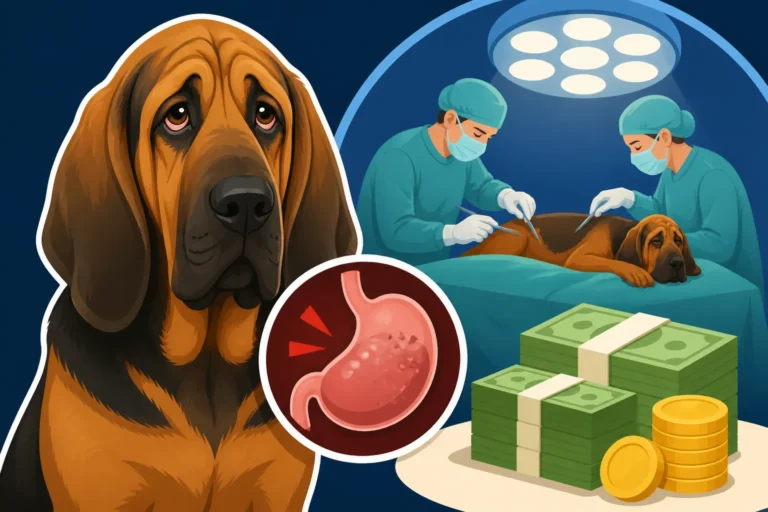
What a Bloodhound’s Bloat Surgery Bill Comes To
The moment you realize your beloved Bloodhound is bloating, your heart sinks. It's a terrifying, fast-moving emergency that throws you into a panic, and often, a hefty vet bill right alongside the fear for your dog's life. This guide is here to help you understand exactly what goes into that bill, breaking down the costs associated with emergency bloat surgery for your Bloodhound, so you can be as prepared as possible.
Understanding the Veterinary Emergency of Bloat
Bloat, or Gastric Dilatation-Volvulus (GDV), is every Bloodhound owner's nightmare. It’s not just an upset stomach; it’s a life-threatening condition where the stomach fills with gas and then often twists, cutting off blood supply and trapping the gas inside. The speed at which this happens and the severity of its consequences are what drive the urgency—and the associated costs—of treatment. You watch your dog go from fine to critically ill in a matter of minutes or a few short hours, and suddenly, you're making life-or-death decisions under immense pressure.
Why Bloat Demands Immediate, Expensive Care
When your Bloodhound starts showing Signs a Bloodhound Is Bloating, like retching without producing anything, pacing, or a distended abdomen, there's no time to waste. This isn't a situation where you can wait until morning. Bloat can kill a Bloodhound with alarming speed, often within hours if left untreated. The immediate need for surgical intervention means dropping everything and rushing to an emergency veterinary clinic. These clinics are staffed 24/7, with specialized equipment and personnel, all of which contribute to the higher cost compared to a routine daytime vet visit. You're paying for immediate access to critical care, skilled surgeons, and round-the-clock monitoring.
The fact that bloat is such a race against the clock means every minute counts. The vet team has to act quickly, often performing diagnostics like X-rays and blood tests right away to confirm GDV and assess the dog's overall stability before they can even think about surgery. This initial assessment and stabilization period is crucial, and it's also where the first significant costs begin to accrue, even before the surgeon picks up a scalpel.
The Complexity of Gastric Dilatation-Volvulus
The reason the surgery is so involved and costly stems from the nature of the condition itself. Bloat isn't just a simple untwisting of the stomach. Once the stomach twists, it can cause severe damage to other organs, most notably the spleen, which often twists with it. The surgeon must carefully untwist the stomach, assess the viability of the stomach tissue, and often, perform a gastropexy to prevent future episodes. Sometimes, parts of the stomach or even the spleen may be compromised and require removal, adding further complexity and time to the procedure.
The surgeon must also meticulously check for any other internal damage caused by the torsion, such as tearing of ligaments or damage to blood vessels. This isn't a procedure that can be rushed or taken lightly; it requires precise surgical skill and a deep understanding of canine anatomy and physiology. All of this contributes to why What Emergency Bloat Surgery Does for a Bloodhound is such an intensive and expensive undertaking.
The Components of a Bloat Surgery Bill
When that bill arrives after your Bloodhound’s emergency bloat surgery, it can feel overwhelming. It’s not just a single charge for “surgery.” Instead, it’s a detailed breakdown of every step taken, every medication given, and every hour of care provided. Understanding these individual line items can help you grasp the true scope of the financial commitment.
Pre-Operative Diagnostics and Stabilization
Before surgery can even begin, your Bloodhound needs immediate evaluation. This typically includes a series of diagnostics to confirm the diagnosis of GDV and assess your dog's overall health and stability.
- Veterinary Exam and Emergency Fee: Just walking into an emergency clinic usually incurs an upfront emergency exam fee. This covers the initial assessment by the vet who quickly triages your Bloodhound and determines the severity of the situation.
- X-rays: To definitively diagnose GDV and assess the degree of stomach distention and twisting, X-rays are crucial. This is usually done quickly to minimize delay.
- Bloodwork: A full panel of blood tests, including a complete blood count (CBC) and a chemistry panel, is vital to check organ function, hydration levels, and to ensure your dog is a good candidate for anesthesia. Bloat can cause electrolyte imbalances and other systemic issues that need to be addressed before surgery.
- IV Fluids and Pain Medication: An IV catheter is placed immediately to administer intravenous fluids to combat shock and dehydration. Pain medications are given to make your Bloodhound more comfortable and help manage the severe pain associated with bloat. These initial stabilization efforts are critical to improving surgical outcomes.
The Surgical Procedure Itself
This is the core of the bill and often the largest component. The actual surgery involves a team of veterinary professionals working to correct the twisted stomach.
- Anesthesia and Monitoring: Administering and monitoring anesthesia for a large breed like a Bloodhound is complex and requires specialized equipment and trained personnel, often a dedicated veterinary technician. The risks associated with anesthesia, especially in a compromised patient, necessitate constant vigilance of heart rate, breathing, blood pressure, and oxygen levels. What a Bloodhound's Anesthesia Costs Next to a Smaller Hound can be significant due to their size and potential underlying health issues.
- Surgeon's Fee: This covers the expertise and time of the veterinary surgeon who performs the intricate procedure of untwisting the stomach and performing the gastropexy. The surgeon's fee will vary based on their experience and the complexity of the specific case.
- Surgical Supplies: Everything from sterile drapes and surgical instruments to sutures and sponges contributes to this cost. These are single-use items or items that require rigorous sterilization.
- Gastropexy: As part of the bloat surgery, a gastropexy is usually performed to permanently tack the stomach to the abdominal wall, significantly reducing the risk of future twists. While this is a preventative measure, it adds to the surgical time and complexity, and thus, the cost. This is why The Case for Tacking a Bloodhound's Stomach Down Early is often made, as doing it preventatively can avoid the emergency costs altogether.
Post-Operative Care and Hospitalization
The care doesn't stop once surgery is complete. The post-operative period is crucial for recovery and preventing complications.
- Intensive Care Unit (ICU) Stay: Bloodhounds recovering from bloat surgery often require several days of hospitalization in an ICU setting. This includes continuous monitoring for complications like arrhythmias, infection, and further organ damage. The cost of What a Bloodhound's Night in Intensive Care Costs covers constant nursing care, specialized monitoring equipment, and round-the-clock veterinary supervision.
- Medications: Post-surgery, your Bloodhound will need a variety of medications, including antibiotics to prevent infection, pain relievers, and sometimes gastrointestinal protectants to help the stomach heal.
- Fluid Therapy: IV fluids continue to be administered to maintain hydration and support organ function during recovery.
- Follow-up Visits: Once discharged, several follow-up visits are typically needed to check incision healing, remove sutures, and monitor your Bloodhound's overall progress. These post-surgery rechecks are essential but add to the overall expense.
Factors Influencing the Final Cost
The total cost of bloat surgery for a Bloodhound isn't a fixed number; it's a dynamic figure influenced by several variables. These factors can swing the final bill by hundreds, if not thousands, of dollars.
Geographic Location and Clinic Type
Where you live and the type of veterinary clinic you visit play a massive role in the final cost.
- Urban vs. Rural Pricing: Veterinary costs, much like human medical costs, tend to be higher in urban and metropolitan areas compared to rural settings. Higher overheads for rent, staff salaries, and specialized equipment in cities contribute to these increased prices.
- Emergency Clinic vs. General Practice: Most bloat surgeries occur at 24-hour emergency veterinary hospitals. These facilities are designed for critical care, featuring advanced diagnostic tools, in-house labs, and dedicated emergency staff. While invaluable in a crisis, their services inherently come with a higher price tag than a standard daytime general practice vet. If your regular vet offers emergency services after hours, it might be slightly less expensive, but true GDV almost always requires a specialized emergency hospital. It's always wise to Whether a Bloodhound Owner Should Call Ahead to the Clinic on the way to give them a heads-up and potentially get a rough estimate.
- Referral Centers/Specialists: In some complex cases, a general emergency vet might refer your Bloodhound to a surgical specialist or a large veterinary referral center. These specialists have advanced training and often access to even more sophisticated equipment, but their services are typically at the higher end of the cost spectrum.
Severity of the Condition and Complications
No two bloat cases are exactly alike, and the extent of the damage internally significantly impacts the length and complexity of the surgery, and therefore the cost.
- Degree of Stomach Torsion: A partial twist might be easier to correct than a full 360-degree rotation. The more severe the torsion, the longer and more delicate the surgery.
- Tissue Viability: If the stomach tissue has been deprived of blood flow for too long, it can become necrotic (dead) and may need to be partially resected (removed). The need for a partial gastrectomy adds significant complexity, time, and risk to the surgery, driving up the cost. Similarly, Whether a Bloodhound Loses Its Spleen to Bloat is a real concern; if the spleen is severely damaged, its removal (splenectomy) is another procedure layered onto the primary bloat surgery, adding to the expense.
- Post-Operative Complications: Despite successful surgery, complications can arise during recovery. These might include cardiac arrhythmias, sepsis, or pneumonia. Treating these complications requires additional medications, diagnostic tests, and extended hospitalization, which can dramatically increase the overall bill. The Survival Rate for a Bloodhound That Reaches Surgery is good, but complications can still lead to further costs.
Time of Day and Duration of Stay
The clock is literally ticking, and the time of day your Bloodhound experiences bloat will affect the bill.
- After-Hours Charges: Emergency clinics typically have higher fees for services rendered outside of standard business hours, such as nights, weekends, and holidays. Bloat doesn't care about your schedule, and it often strikes when emergency rates are in effect. The Hour of Night a Bloodhound's Bloat Usually Starts is often late evening or overnight, precisely when these charges apply.
- Length of Hospitalization: While some Bloodhounds might bounce back quickly, many require several days of intensive care. Each additional day in the hospital, especially in an ICU setting, adds significantly to the bill, encompassing continuous monitoring, medications, IV fluids, and nursing care.
Proactive Measures and Their Financial Impact
While bloat surgery is undoubtedly expensive, there are steps you can take to either mitigate the risk or financially prepare for this devastating emergency. Being proactive can potentially save your Bloodhound's life and ease the financial burden if the worst happens.
The Value of a Preventive Gastropexy
One of the most impactful proactive measures a Bloodhound owner can take is a preventive gastropexy. This elective surgery tacks the stomach to the abdominal wall, preventing it from twisting if bloat occurs. While it doesn't prevent the stomach from dilating with gas, it eliminates the deadly torsion aspect.
- Avoiding Emergency Costs: Performing a gastropexy electively is almost always less expensive than emergency bloat surgery. When done as a standalone procedure, or even better, concurrently with another planned surgery like a spay or neuter, the costs are significantly lower. This is because the dog is healthy, the surgery is scheduled during regular hours, and there's no frantic emergency involved. The Age a Bloodhound Should Have a Gastropexy is often recommended before two years old, sometimes even with a spay or neuter, as Whether Adding a Gastropexy to a Bloodhound's Neuter Is Cheaper can reduce costs further.
- Peace of Mind: Beyond the financial savings, the peace of mind knowing your Bloodhound is protected against the most lethal aspect of bloat is invaluable. While it's still possible for a gastropexied Bloodhound to bloat (meaning the stomach fills with gas), the twisting is prevented, turning a critical emergency into a more manageable, albeit still serious, medical issue. This reduces the risk of having to rush into a costly, life-or-death decision.
Dietary and Lifestyle Adjustments
While not directly impacting surgery cost, certain feeding practices and lifestyle choices can help reduce the risk of bloat, potentially saving you from needing surgery at all.
- Smaller, More Frequent Meals: Feeding two or three smaller meals throughout the day instead of one large meal can help prevent the stomach from becoming overly full at one time. This is a common recommendation for deep-chested breeds like Bloodhounds.
- Avoiding Exercise Around Mealtime: It's crucial to avoid strenuous exercise, excitement, or excessive water intake immediately before or after meals. Give your Bloodhound at least an hour before and after eating to relax.
- Slow Feeders and Appropriate Bowls: Some Bloodhounds gulp their food too quickly. Using a slow feeder bowl can help regulate their eating pace. While there's debate on Whether a Raised Bowl Is Right for a Bloodhound, many vets advise against them as they may increase bloat risk for some breeds. Consulting your vet about your Bloodhound's specific feeding setup is key. Brands like Chewy offer a wide variety of slow feeder bowls that can help manage mealtime for fast eaters.
- Maintaining a Healthy Weight: Keeping your Bloodhound at a lean, healthy weight can also contribute to overall health and may indirectly reduce bloat risk. Overweight dogs can have other health issues that complicate any emergency. High-quality food providers like Ollie can offer tailored meal plans that support a healthy weight and good digestion for your Bloodhound.
Dealing with the Unexpected: Financial Preparedness
The reality is that bloat can strike even with the best preventative measures. When it does, the financial burden can be crushing. Having a plan in place to handle these unexpected costs is just as important as knowing the symptoms.
Pet Insurance: A Lifeline for Emergencies
Pet insurance can be an absolute game-changer when faced with a bloat emergency. While some owners debate Whether Pet Insurance Is Worth It on a Bloodhound, a single emergency like bloat can easily cost more than years of premiums.
- Coverage for Accidents and Illnesses: Reputable pet insurance providers like Healthy Paws often cover emergency surgeries like bloat, diagnostics, hospitalization, and post-operative care, significantly reducing your out-of-pocket expenses. It's crucial to understand your policy's deductible, reimbursement percentage, and any annual limits.
- Pre-Existing Conditions: The key is to get insurance before your Bloodhound develops any health issues. Bloat, if it occurs before the policy is active or during a waiting period, would be considered a pre-existing condition and likely wouldn't be covered. This highlights the importance of enrolling your Bloodhound puppy early.
- Comparing Policies: Take the time to research different providers and their plans. Some plans might have specific exclusions or limits for certain conditions or breeds. Always read the fine print and ask questions to ensure you understand what's covered.
Emergency Savings and Other Financial Options
Even with insurance, or if you don't have it, having other financial strategies in place is critical.
- Dedicated Emergency Fund: Many Bloodhound owners choose to set aside a specific emergency fund for their pets. This liquid savings account can provide immediate access to funds without needing to apply for credit or wait for insurance reimbursement. Considering that How Much a Bloodhound Owner Should Keep Liquid for emergencies can easily be several thousands of dollars, starting this fund early is paramount.
- Veterinary Financing Options: Most veterinary emergency hospitals offer financing plans through third-party providers like CareCredit or Scratchpay. These work like credit cards specifically for medical expenses, often offering deferred interest periods if the balance is paid within a certain timeframe. This can be a vital option if you need to spread out payments.
- Negotiating Payment Plans: While not always possible in an emergency, some clinics may be willing to work with you on a payment plan for a portion of the bill, especially if you can make a significant upfront deposit. It never hurts to ask, though their primary focus will be on saving your dog's life.
- Crowdfunding and Local Assistance: In dire situations, online crowdfunding platforms can sometimes provide support from friends, family, and compassionate strangers. Additionally, some breed-specific rescues or local animal welfare organizations may offer limited financial assistance for emergency veterinary care.
The financial burden of a bloat emergency is immense, adding to the emotional stress of seeing your Bloodhound in such a critical state. However, understanding the costs, taking preventative measures, and having a financial safety net in place can make all the difference when those terrifying moments arrive.
| Cost Category | Description | Estimated Cost Impact (Relative) |
|---|---|---|
| Emergency Exam/Diagnostics | Initial vet check, X-rays, bloodwork, IV fluids, pain meds | Moderate – High |
| Anesthesia & Monitoring | Administering and overseeing anesthesia, specialist tech | Moderate – High |
| Surgeon's Fee | Expertise for untwisting stomach, gastropexy, spleen assessment | High |
| Surgical Supplies | Sterile drapes, instruments, sutures, disposables | Moderate |
| Post-Operative ICU Stay | 24/7 monitoring, nursing care, continued fluids, pain management | High – Very High |
| Post-Operative Medications | Antibiotics, pain relief, GI protectants for recovery | Low – Moderate |
| Complications | Resection of necrotic tissue, splenectomy, treatment of arrhythmias/infections | Very High |
| After-Hours Surcharge | Fees for nights, weekends, holidays | Moderate |
Disclaimer
This article is for general informational purposes only and does not constitute professional advice. Laws, prices and regulations vary by location and change over time. Consult a qualified professional for guidance on your specific situation.